

English Country Furniture
English country furniture comprises sturdy vernacular seating, tables and storage shaped by local timber and domestic utility over four centuries.
English Country Furniture
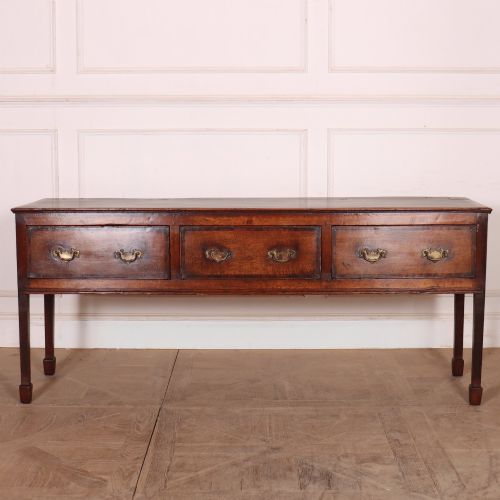
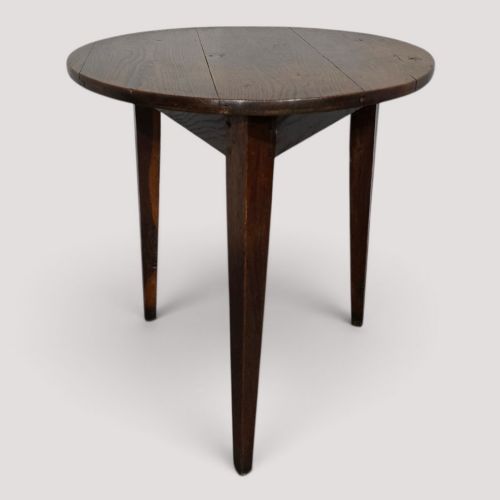
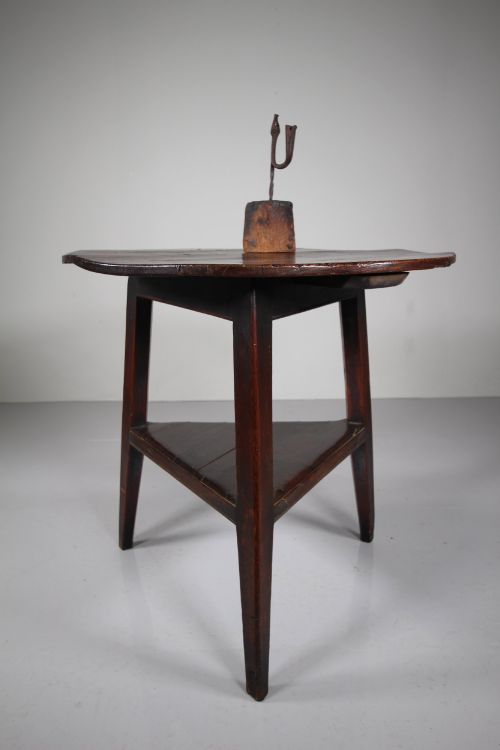
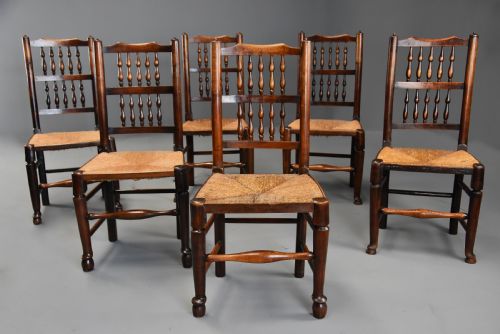
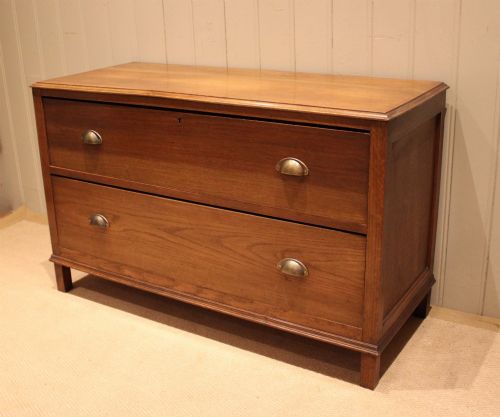
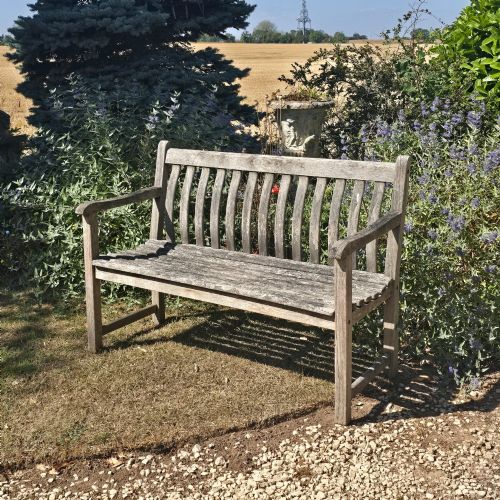
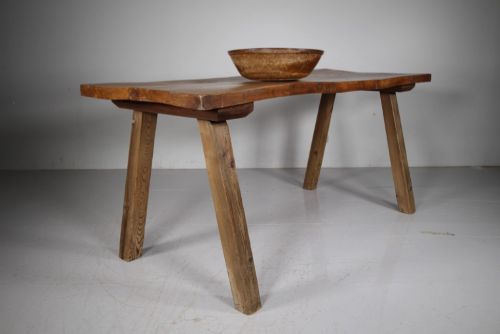
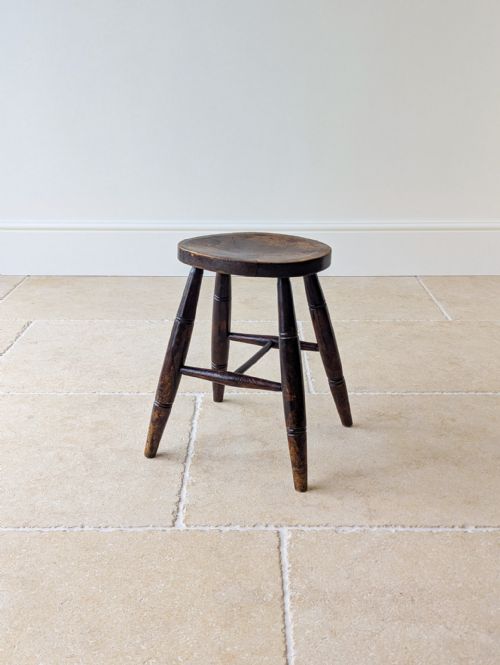
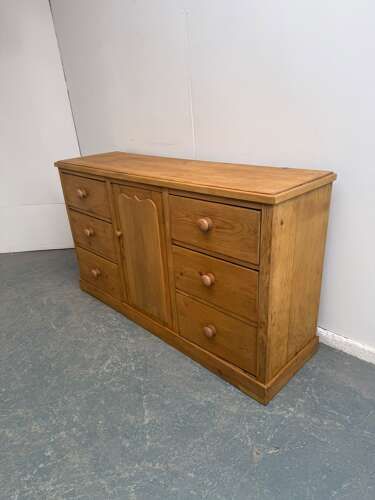
English country furniture encompasses utilitarian domestic objects built for everyday use in farmhouses, cottages and provincial homes rather than grand urban salons. The forms include robust Windsor armchairs, joint stools, cricket tables, dressers and chests of drawers spanning from the seventeenth century through the Victorian era.
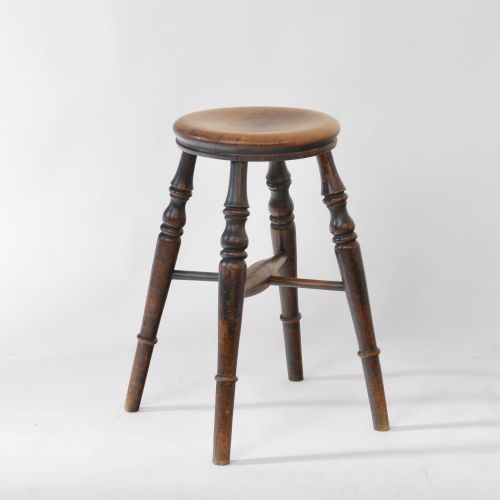
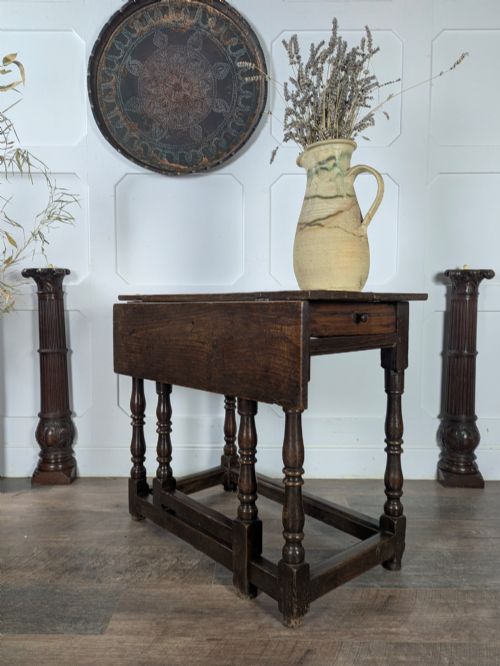
The inventory on this page draws heavily from eighteenth and nineteenth-century examples, featuring woods native to British woodlands such as oak, elm, ash, yew and fruitwood. Buyers encounter functional items like tavern stools, gateleg tables and high-backed settle benches that reflect regional vernacular traditions.
How they were made
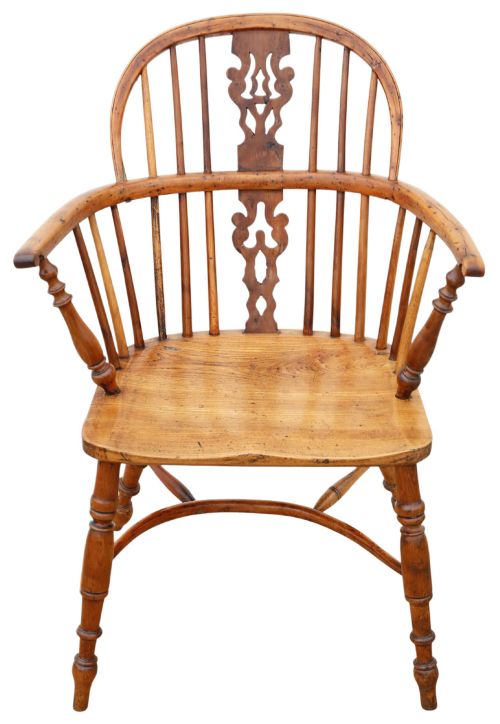
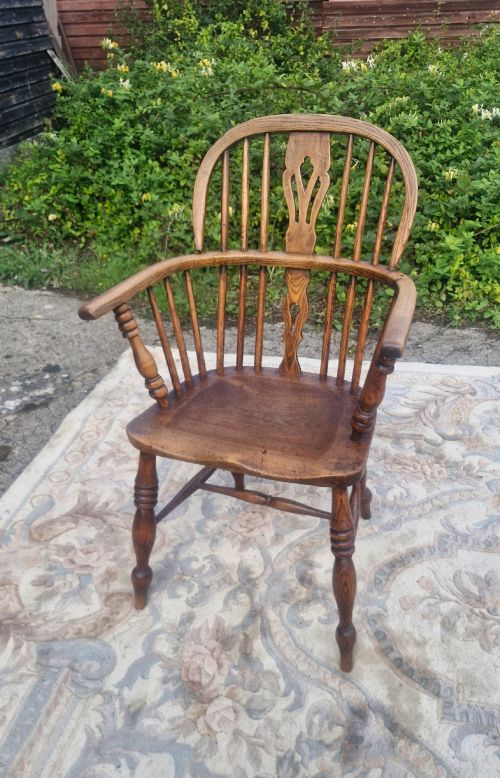
Local cabinetmakers and village joiners utilised solid native hardwoods, frequently combining multiple timbers within a single piece, such as elm seats paired with ash spindles on Windsor chairs or oak frames fitted with deal panels. Construction relied on pegged mortise and tenon joints, dovetails for drawers and bodger-turned components shaped from green wood.
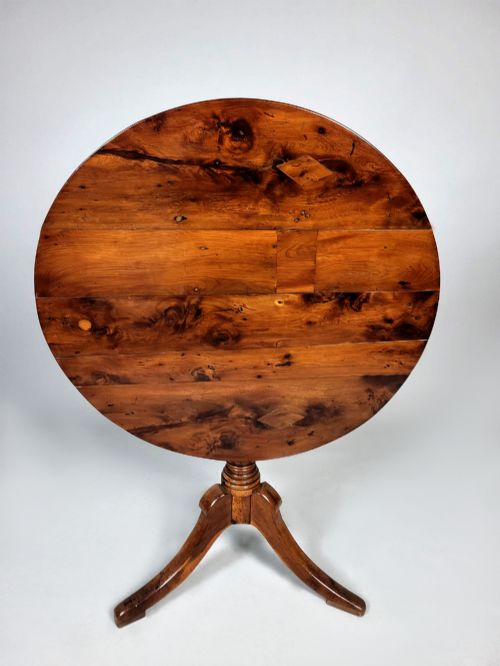
Surfaces typically display simple waxed finishes, original paint or accumulated layers of patina developed through decades of domestic service. Joinery prioritised structural durability over decorative veneer, leaving tool marks and grain variations visible across tabletops and chair seats.
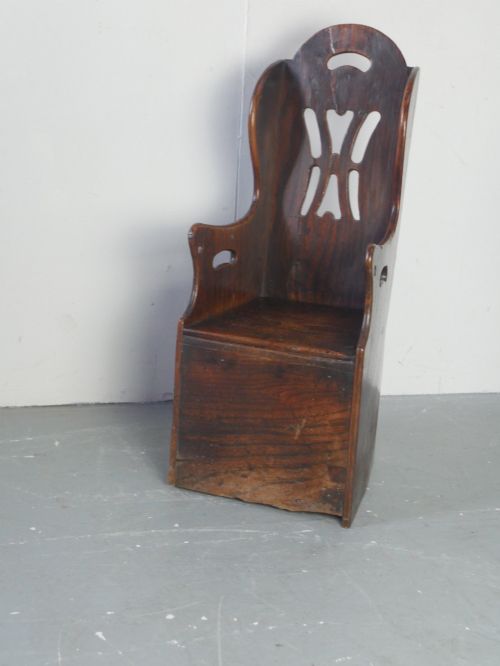
A child's lambing chair from sixteen-eighty offers miniature comfort by the hearth.
What varies in quality
Quality rests upon the integrity of the original construction, the honesty of the surface patina and the degree of survival without extensive timber replacement. Pieces that retain their original dry surfaces, authentic fixtures and minimal structural intervention command greater regard among collectors.
Proportion and regional character also dictate distinction, as vernacular items possessing balanced forms and clear evidence of local craftsmanship surpass those altered or clumsily repaired over time.
Howard And Sons
The English Country Furniture Glossary
- Vernacular furniture
- Items built by local tradesmen using regional materials and traditional designs suited to domestic needs rather than following metropolitan fashion.
- Windsor chair
- A wooden seating form featuring a solid carved wooden seat into which legs and back spindles are directly inserted.
- Joint stool
- A sturdy wooden stool constructed with mortise and tenon joints fastened by wooden pegs.
- Cricket table
- A small, light occasional table supported by three splayed legs beneath a round or triangular top.
- Patina
- The surface sheen and colour acquired by wood through age, handling and regular waxing over many decades.
- Settle bench
- A high-backed wooden bench designed with solid panels to block draughts in farmhouse kitchens.
English Country Furniture: Frequently Asked Questions
What is country furniture?
Country furniture refers to utilitarian domestic items made in provincial workshops using locally available timber and traditional construction methods.
These pieces were built for everyday service in cottages and farmhouses rather than formal urban residences.
How old are these pieces?
The pieces span from the sixteenth century through the Victorian period, with the majority originating in the eighteenth and nineteenth centuries.
Dates are determined by construction techniques, wood species and regional design characteristics.
How do I care for antique wood?
Maintain antique wooden surfaces by applying traditional beeswax sparingly and buffing with a soft cloth to nourish the grain.
Keep pieces away from direct heat sources and dramatic humidity fluctuations to prevent timber splitting.
Are these items restored?
Many items retain their original surfaces and components, though some pieces carry historical repairs necessitated by centuries of daily use.
Listing descriptions detail the extent of any structural work or surface cleaning undertaken.