

Rich Brown Cabinet
A rich brown cabinet brings deep timber tones and traditional storage into a room, spanning periods from the eighteenth century onwards.
Rich Brown Cabinet
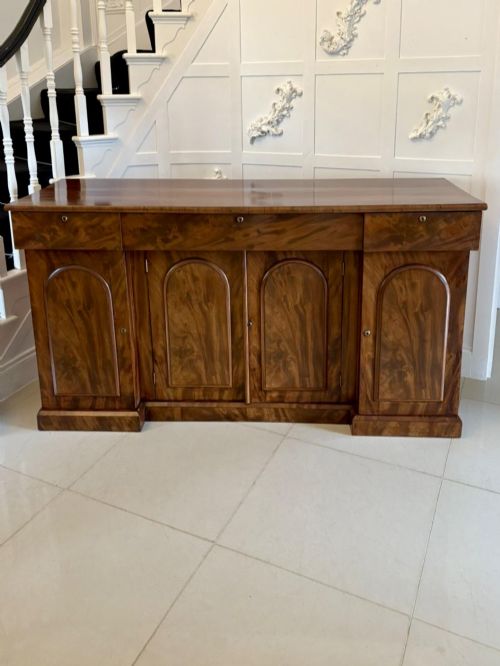
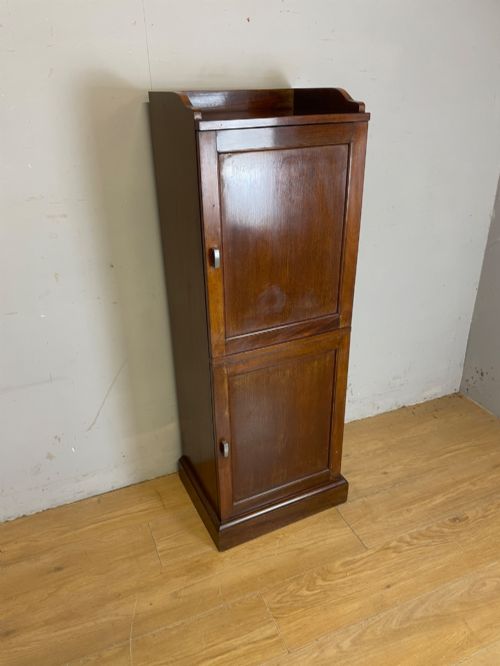
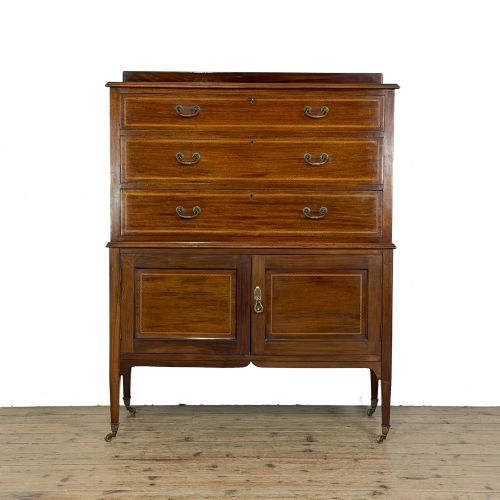
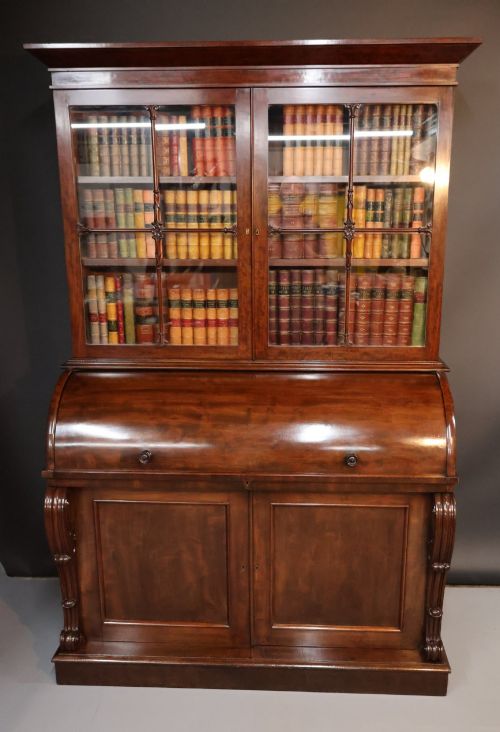
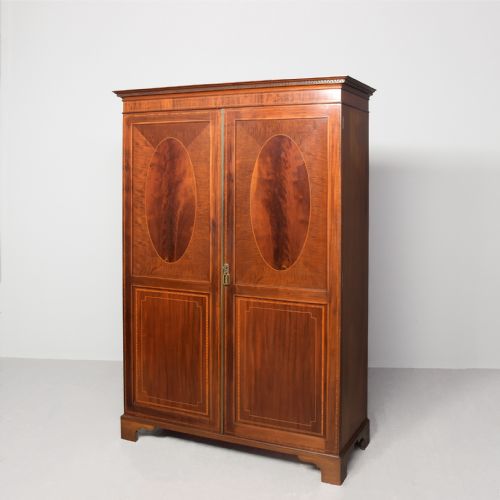
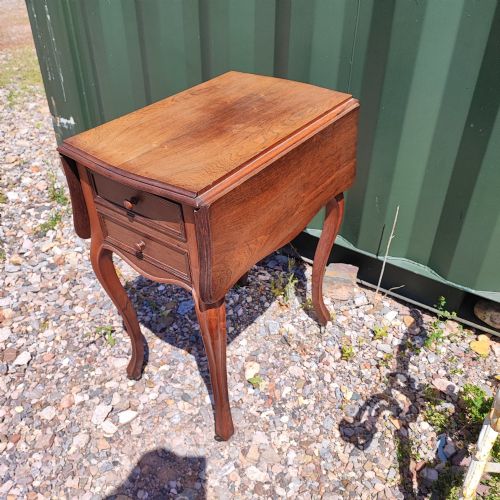
A rich brown cabinet encompasses a variety of timber storage furniture found on this page, including sideboards, desks, bookcases, and bedside cabinets.
The pieces appearing here lean heavily towards mahogany, walnut, and oak from the Victorian, Edwardian, and Georgian eras.
Buyers seeking a rich brown cabinet will encounter functional domestic pieces designed for display, writing, or concealing household items.
How they were made
Cabinet makers utilised solid timbers alongside veneers such as mahogany, satinwood, and amboyna to achieve deep, lustrous surfaces.
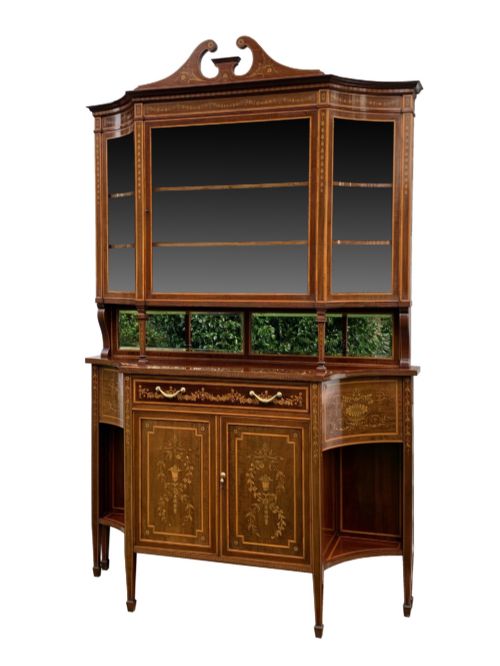
Construction frequently incorporated brass hardware, glass panels, and marquetry inlay to accent the dark wood grains.
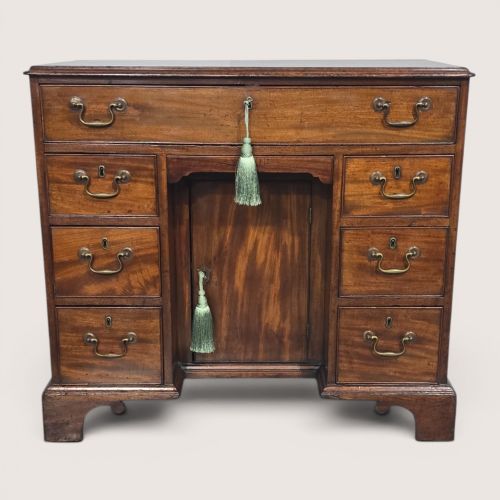
Joinery techniques ranged from traditional drawer linings to fitted desk interiors and locking mechanisms operated by key.
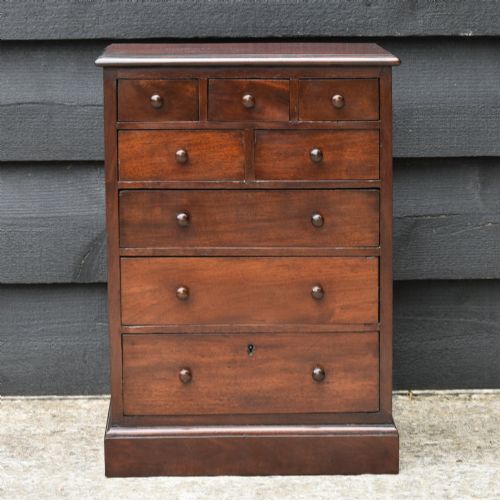
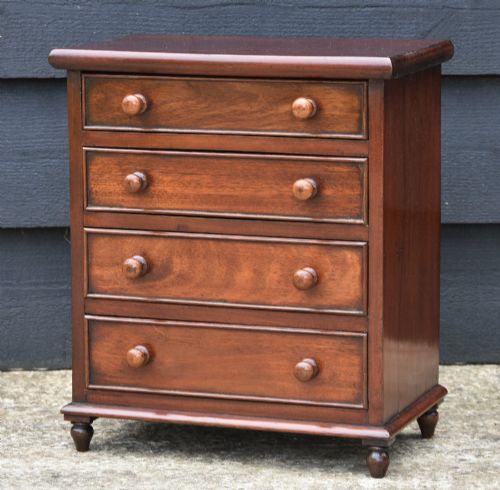
A tiny apprentice chest sits quietly waiting to store microscopic treasures.
What varies in quality
The selection of timber grain, particularly figured mahogany or burr walnut, elevates the visual depth of a piece.
The sophistication of internal fittings, such as secretaire drawers, pigeonholes, or dedicated collector's trays, marks superior workshops.
Proportion and restrained decorative detailing distinguish refined period examples from later revival items.
Edwards and Roberts
The Rich Brown Cabinet Glossary
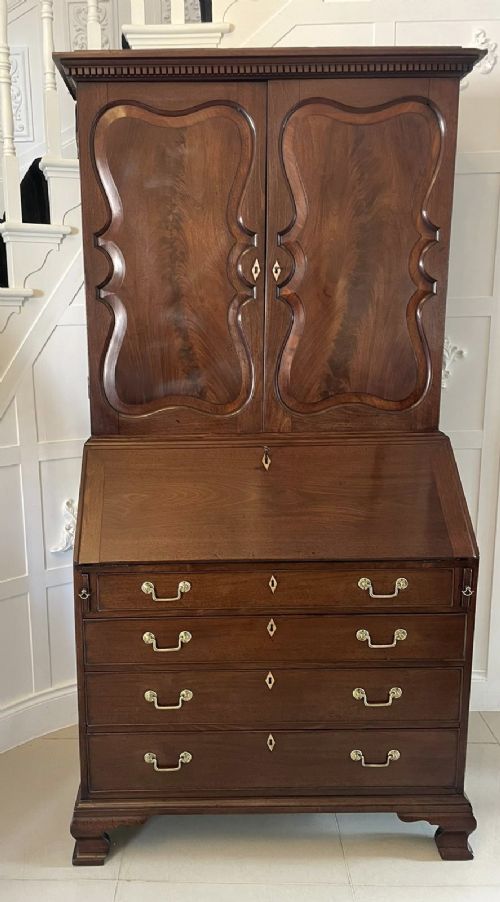
- Bureau bookcase
- A piece combining a sloping writing flap above drawers with shelving enclosed by upper doors. These items often feature fitted pigeonholes inside.
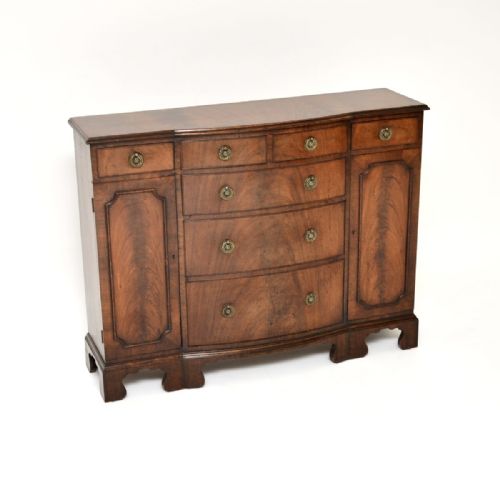
- Breakfront
- A piece of furniture where the central section projects forward from the outer flanking sections. This design creates architectural depth.
- Wellington chest
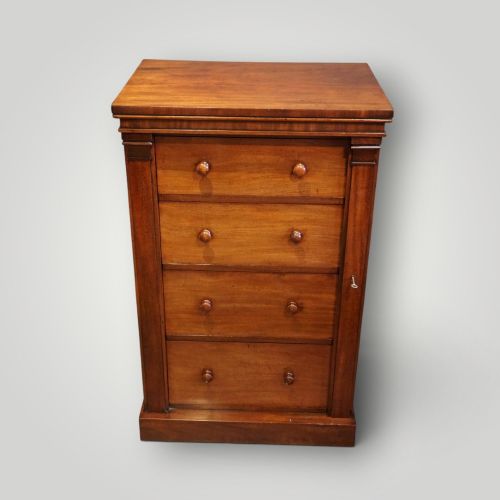
- A tall, narrow set of drawers secured by a locking side bar hinged on one side. The style originates from the nineteenth century.
- Marquetry
- Decorative patterns formed by inserting thin veneers of different coloured woods into a primary surface. Craftsmen used this technique for pictorial or geometric enrichment.
- Spicewood
- An alternative term for timber used in early cabinet making, though spice cupboards specifically housed dry goods. These small wall-hung units date to the eighteenth century.
Rich Brown Cabinet: Frequently Asked Questions
How do I date a mahogany cabinet?
Dating relies on observing construction methods, timber choice, and hardware styles associated with specific reigns and centuries. Secondary woods inside drawers often provide additional clues regarding origin.
Changes in handle design and dovetailing techniques help distinguish eighteenth-century pieces from later Victorian revivals.
What is an apprentice piece cabinet?
Apprentice pieces were small-scale models created by trainees to demonstrate their woodworking skill to a guild. They replicate full-sized chests and cabinets in miniature.
These compact items offer functional storage while displaying the exact same dovetailing and timber selection as larger furniture.
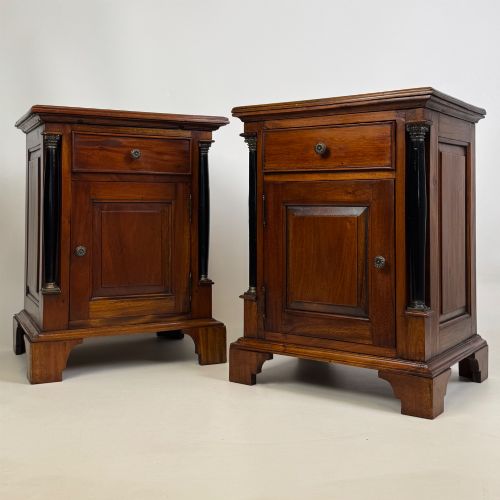
Where should I place a bedside cabinet?
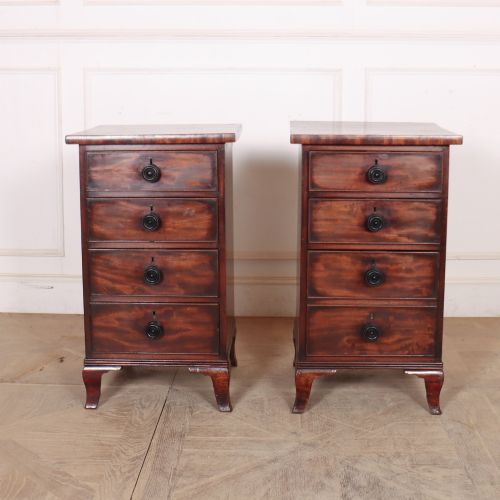
Bedside cabinets fit easily beside standard bed frames while providing enclosed storage for nighttime essentials. Their doors or drawers keep surfaces clear of clutter.
Matching pairs maintain symmetry in a bedroom layout, whereas single antique cabinets add character as standalone accent tables.
How do I care for dark wood surfaces?
Maintaining dark wood involves dusting regularly with a soft cloth and avoiding direct sunlight that can fade rich tones. Periodic waxing helps nourish the grain.
Keeping timber away from excessive heat sources prevents the veneers and solid boards from splitting or warping over time.