

Georgian Style Furniture
Georgian style furniture brings classical proportion and figured timber into a room, offering enduring utility through chests, desks and tables.
Georgian Style Furniture
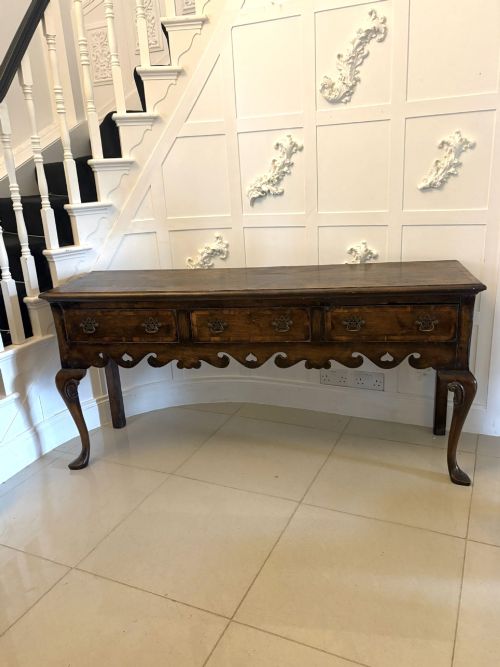
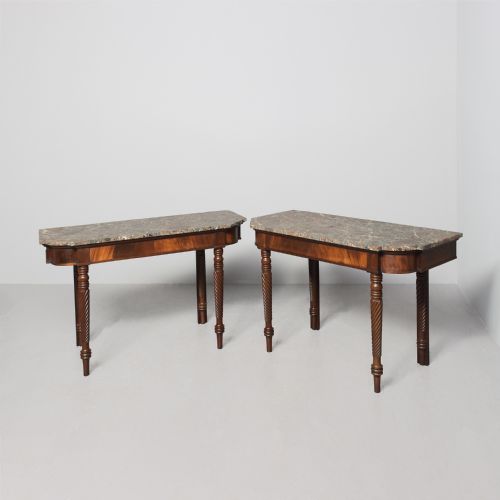
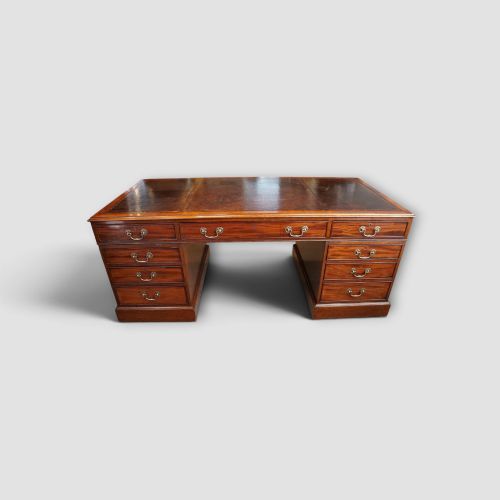
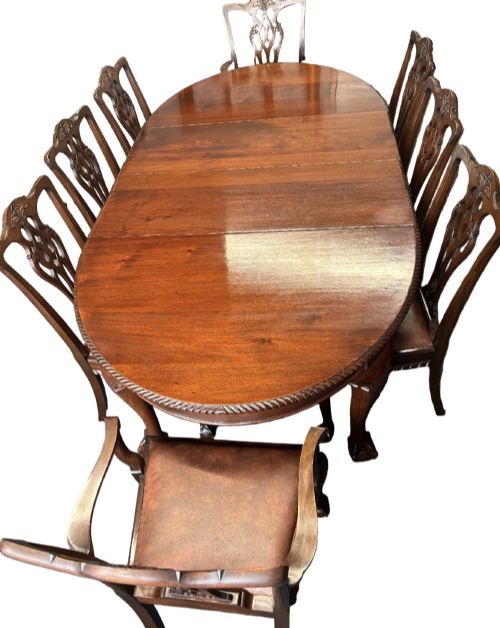
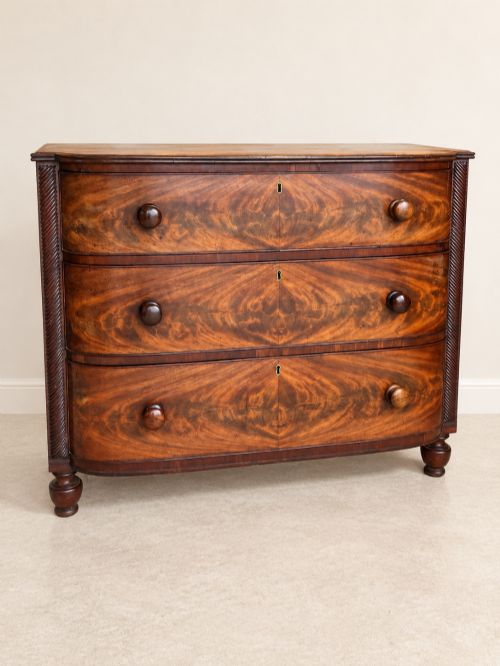
When searching for georgian style furniture, buyers encounter pieces spanning actual 18th century examples alongside revivals from the 19th and early 20th centuries, including Edwardian interpretations. The selection on this page centres on practical forms such as chests of drawers, sideboards, armchairs, display cabinets and console tables.
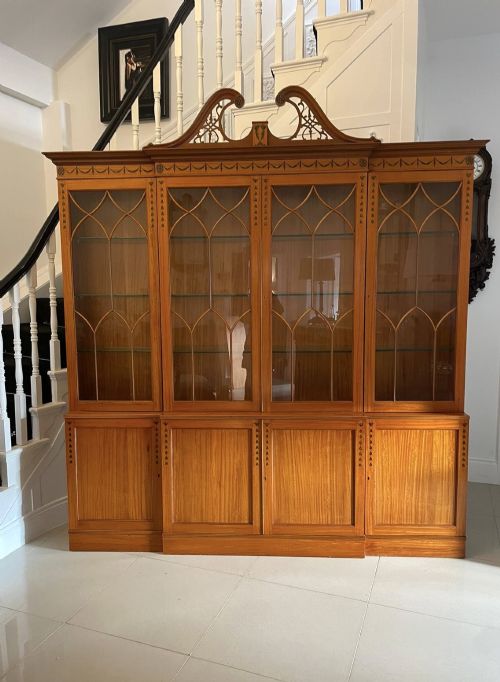
Original pieces sit alongside Edwardian and 1920s revivals that adopt the proportions, bracket feet and classical ornamentation of the earlier Georgian era. Oak, mahogany and walnut dominate these forms, whether executed as robust dresser bases or refined satinwood breakfront cabinets.
Materials and Construction
Cabinet makers utilised dense hardwoods like mahogany, oak and walnut, frequently applying figured veneers such as burr walnut, harewood and yew to create striking surface patterns. Secondary woods like elm appear in regional seating, while brass hardware provides functional contrast to the dark grains.
Joinery methods rely on dovetailed drawer construction and mortise and tenon frames, allowing large pieces like chest on chests and partners desks to remain stable over centuries. Surface finishing involved polishing timber to reveal the natural grain or applying delicate painted decoration.
Georgian Style Furniture Retail Price Guide 2026
Typical asking prices for georgian style furniture among the pieces listed under this phrase on Sellingantiques today, from the lower quarter to the upper quarter. They describe what is for sale here now, not the wider market.
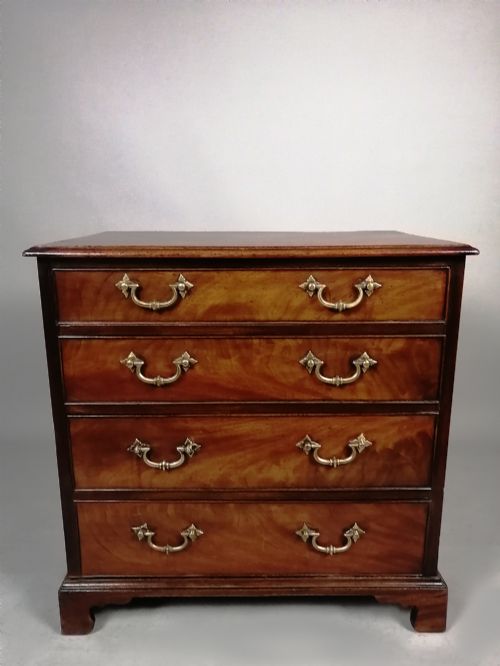
Apprentice pieces allowed young woodworkers to demonstrate their mastery of dovetails and bracket feet by producing miniature chests of drawers.
Assessing Merit
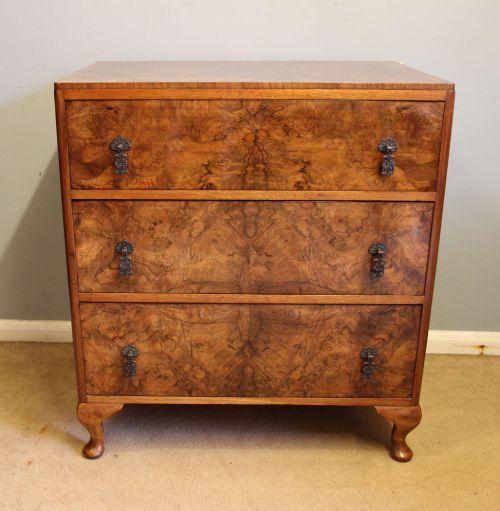
The distinction between standard utility items and exceptional pieces rests upon the choice of timber and the precision of the cabinet work. Highly figured burr walnut veneers, crossbanding and original painted decoration elevate a chest of drawers or display cabinet from a simple storage unit to a notable piece of design.
Proportion and restraint define the upper tier of these items, where classical details like astragal glazing bars and carved bracket feet integrate seamlessly into the overall architecture.
Whytock & Reid
The Georgian Style Furniture Glossary
- Bow Front
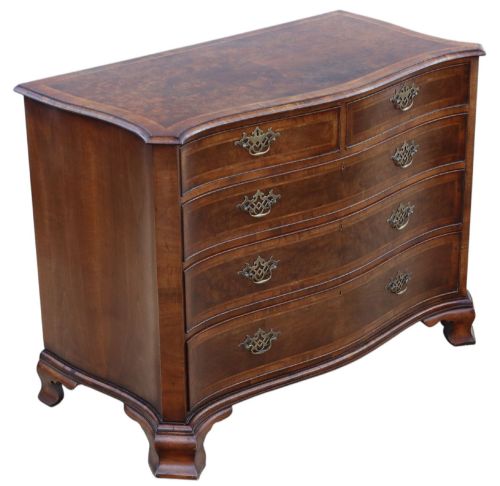
- A convex curved cabinet front popular on chests of drawers and sideboards. This shape softens the profile of storage furniture while maximising interior volume.
- Breakfront
- A piece of furniture whose central section projects forward from the flanking wings. This architectural arrangement adds depth and visual rhythm to large bookcases and sideboards.
- Astragal
- A small moulding framing individual panes of glass within a cabinet door. These fine wooden bars create geometric patterns across display cases.
- Brushing Slide
- A pull-out shelf integrated into the upper section of a chest of drawers. It provided a clean surface for sorting papers or folding garments without opening the main drawers.
Georgian Style Furniture: Frequently Asked Questions
How do I spot a revival piece?
Revival pieces, often dating from the Edwardian era or the 1920s and 1930s, mimic the classical proportions and timber choices of 18th century originals. Examination of internal secondary timbers, drawer linings and backboards usually reveals the later manufacturing date.
Hardware styles and fixing methods also offer clues, as machine-cut screws and modern adhesives contrast with older hand-forged fittings and traditional joinery.
Where does yew wood fit in?
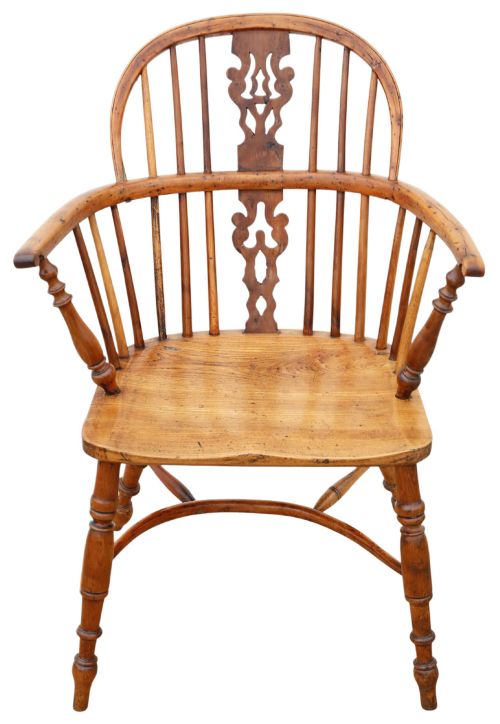
Yew wood appears in regional furniture, Windsor chairs and select bureau desks due to its warm tone and distinctive grain pattern. It provides a lighter, more golden alternative to dark mahogany and walnut.
Cabinet makers valued yew for its strength in slender components like chair spindles as well as its decorative figure when sliced as veneer.
Are these pieces suitable for daily use?
Georgian style chests, desks and sideboards were built for domestic utility and remain exceptionally functional for modern storage needs. Their robust hardwood construction handles everyday opening and closing without structural strain.
Placing them away from direct heat sources and treating surfaces with appropriate wax keeps the timber stable in contemporary homes.
What is a chest on chest?
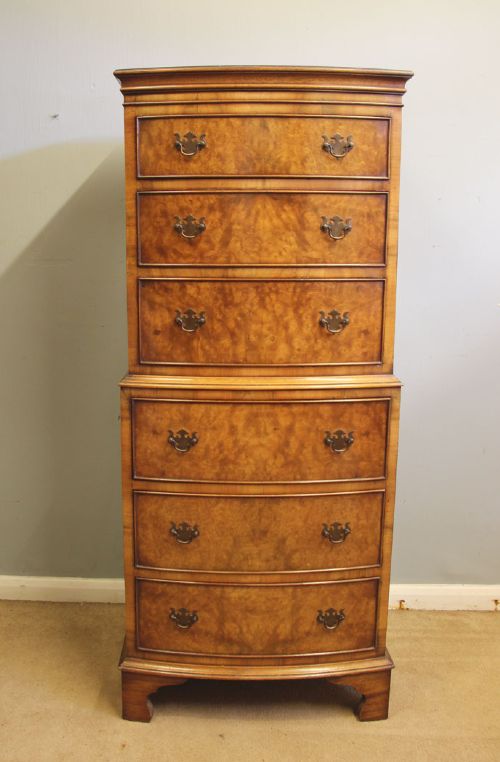
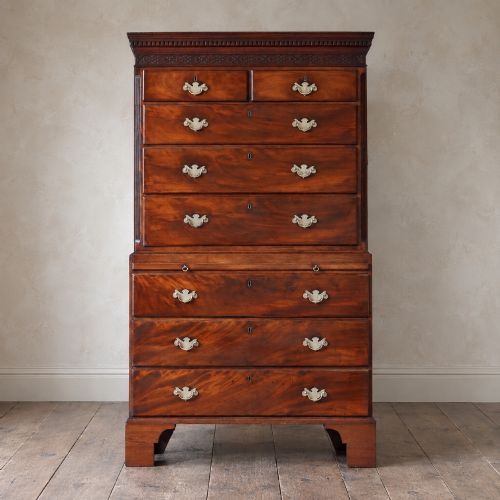
A chest on chest, or tallboy, stacks a smaller chest of drawers directly on top of a wider base chest. This vertical configuration offered maximum storage capacity while occupying minimal floor space in bedrooms.
Introduced during the 18th century, the form continued through later revivals in figured mahogany and walnut.