

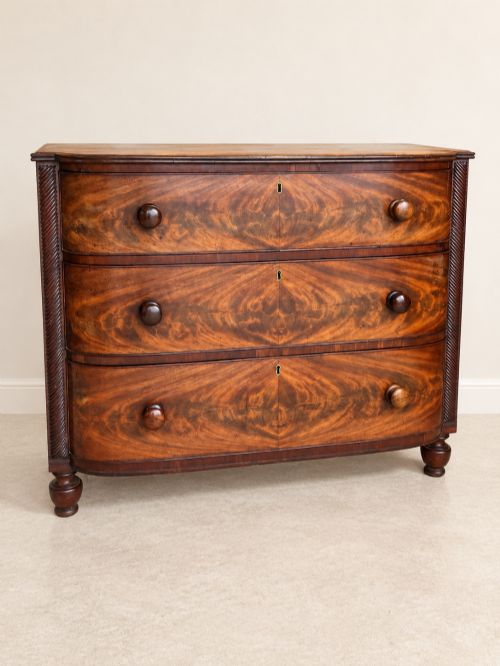


Antique Chest Bureau
An antique chest bureau combines a practical writing desk with a set of storage drawers, offering traditional craftsmanship and timeless utility for the home.
Understanding the Antique Chest Bureau
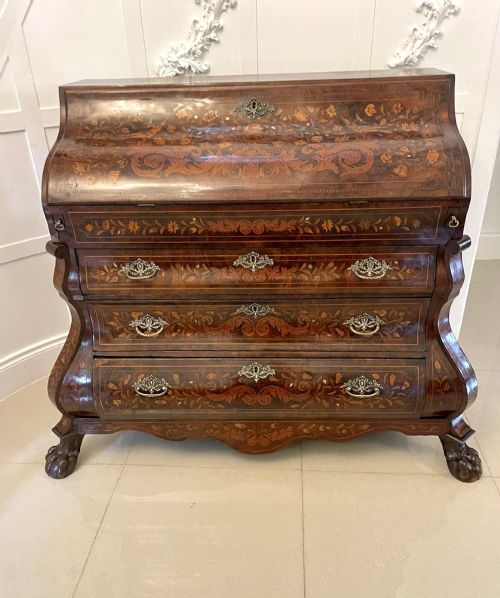
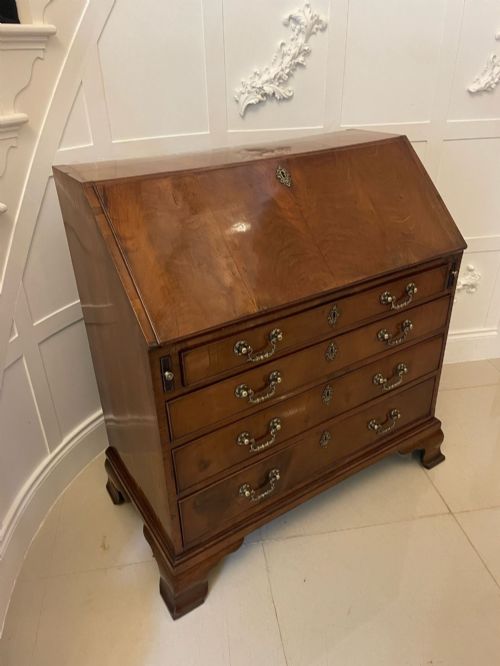
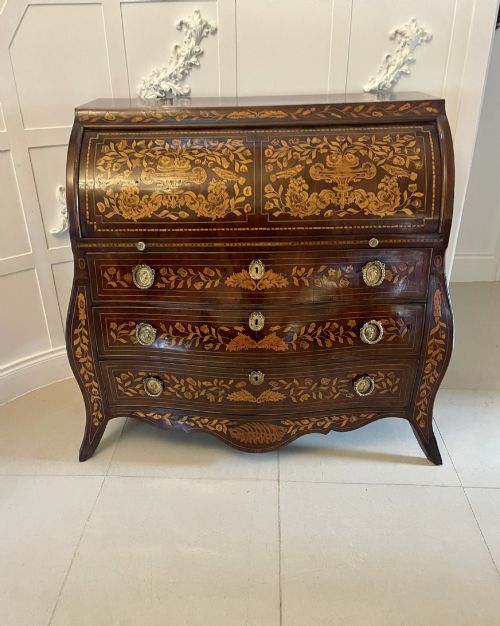
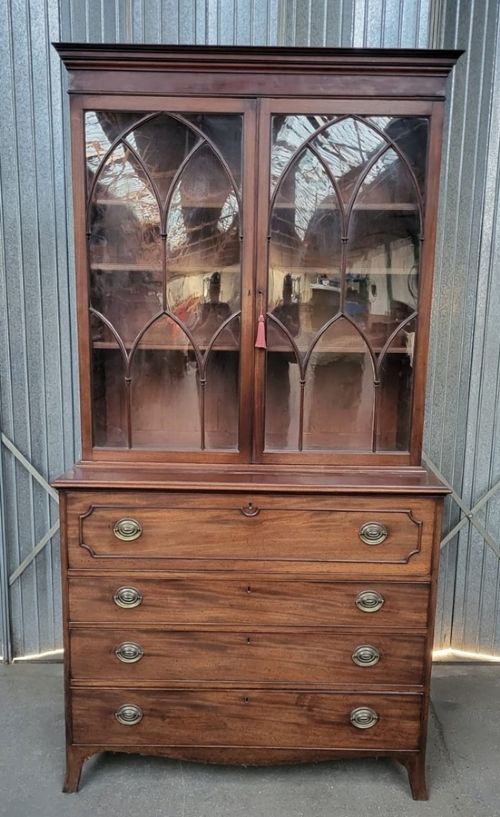
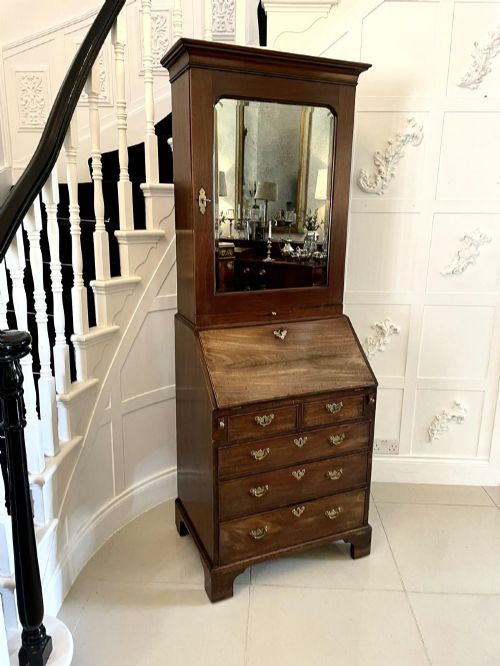
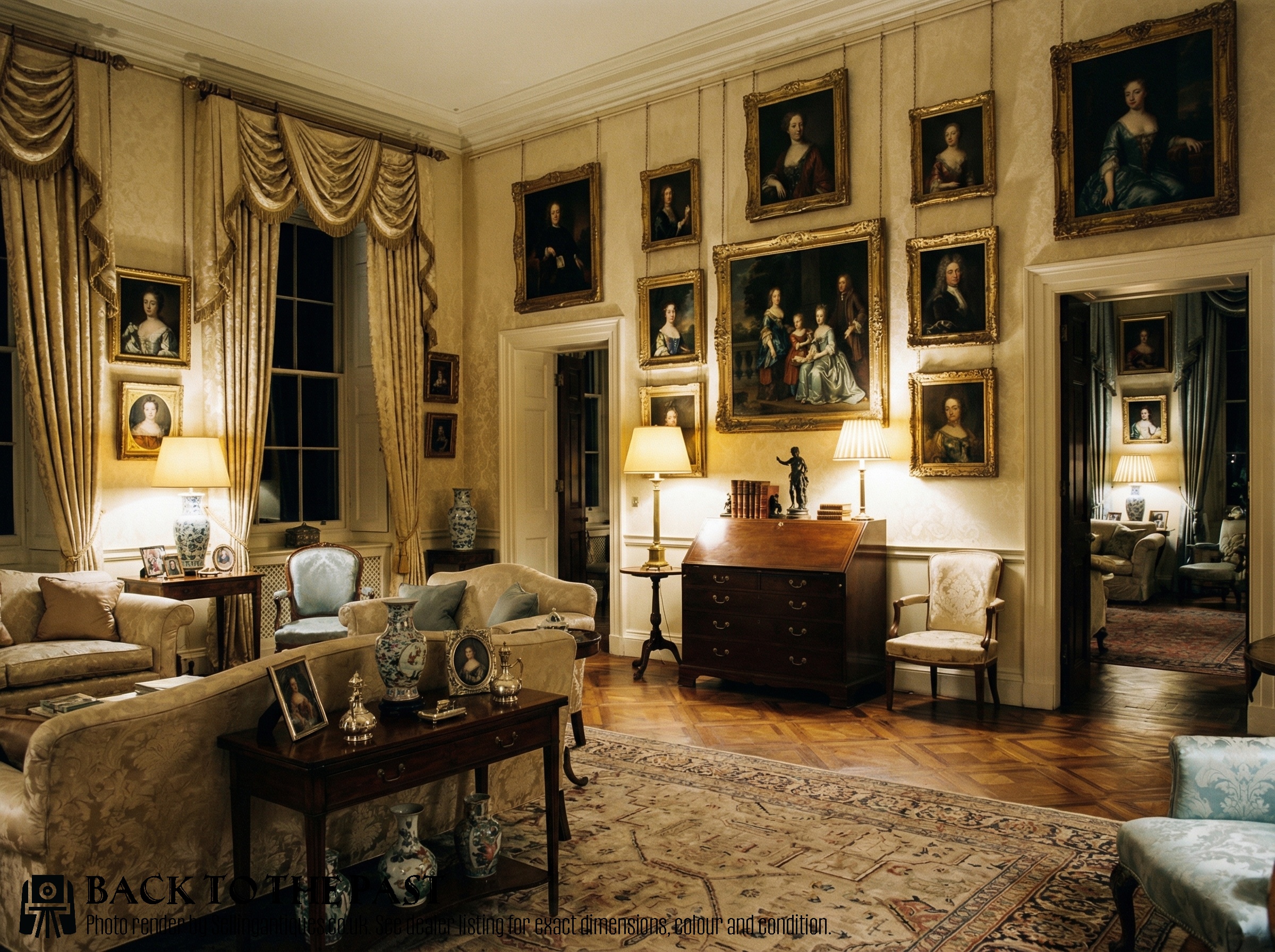
An antique chest bureau integrates a drop-front desk or a pull-out secretaire drawer with a set of chest drawers, creating a dual-purpose piece of furniture designed for both writing and storage. When you search for an antique chest bureau, you will encounter diverse forms including compact writing desks, towering bureau bookcases with glass-fronted upper cabinets, and robust chest configurations.
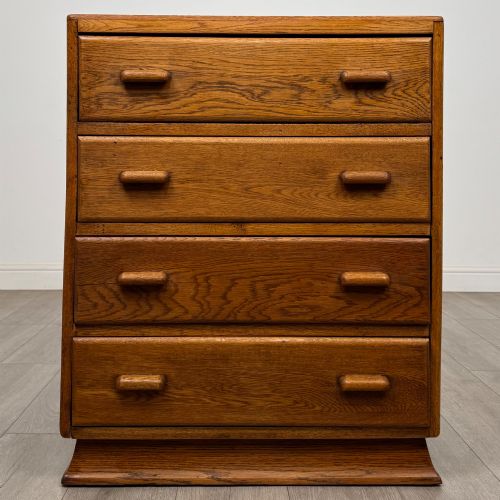
The pieces available span multiple periods such as the Georgian era, the eighteenth century, and the nineteenth century, reflecting evolving domestic needs for private correspondence and manuscript storage. Common variations range from modest oak writing desks to large mahogany and walnut bureau bookcases featuring fitted interior compartments for paperwork and valuables.
Assessing Quality and Execution
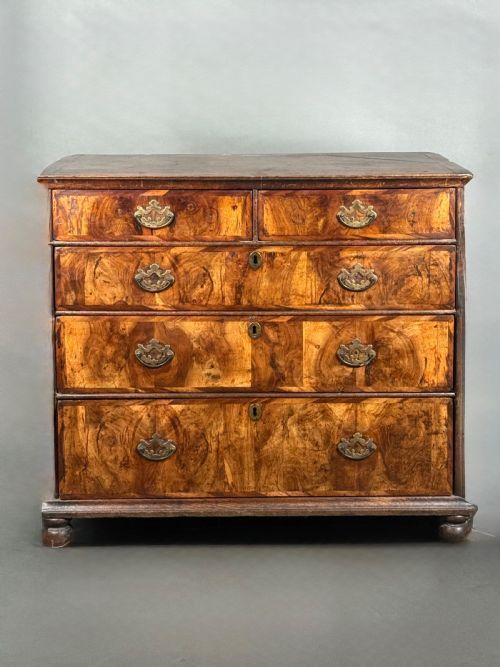
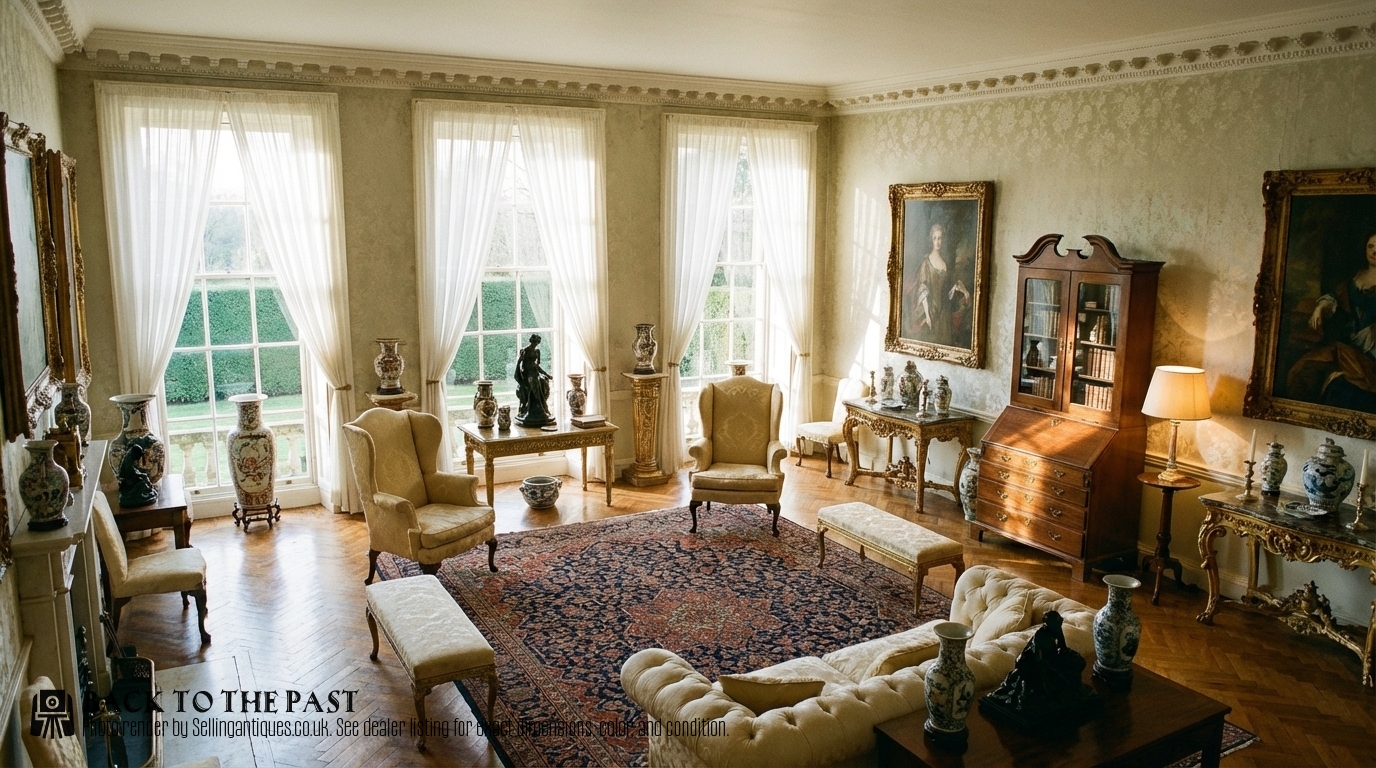
Superior examples distinguish themselves through the choice of figured timber veneers, such as burr walnut or select mahogany, matched symmetrically across the fall-front and drawer faces. The intricacy of the interior fitments - including secret compartments, pigeonholes, and small drawers - demonstrates the maker's dedication to refined craftsmanship.
Structural integrity is evident in the precision of the drawer dovetails, the smooth operation of sliding mechanisms, and the retention of original brass hardware. Pieces that maintain uncompromised timber patination without excessive restoration command greater appreciation among collectors.
Retail Price Guide 2026
Typical UK retail prices for chest bureau, calculated from the Sellingantiques database of over a million retail prices indexed since 2003. This retail price guide relies exclusively on Sellingantiques data; no external sources or auction records are used, so the figures do not describe the wider market.
Materials recorded in current and past inventory include brass, oak, mahogany, glass, walnut, wood inlay, burr walnut, kingwood, yew, and teak.
The Antique Chest Bureau Glossary
- Bureau
- A writing desk featuring a sloping hinged lid that opens to reveal a fitted interior with small drawers and pigeonholes. This term frequently describes furniture that combines a writing surface with lower storage drawers.
- Secretaire
- A piece of furniture containing a drawer designed to pull out and fold down to serve as a writing desk. It often conceals an arrangement of inner compartments similar to a traditional bureau.
- Bureau Bookcase
- A combined furniture form featuring a lower writing bureau surmounted by an enclosed shelving cabinet with doors. The upper doors commonly incorporate glass panels for displaying books or objects.
- Astragal Glazed
- A style of cabinet door where individual glass panes are held within a wooden framework divided by narrow moulding strips called astragals. This technique creates a grid pattern across the bookcase front.
- Fitted Interior
- The internal arrangement of small drawers, pigeonholes, and central compartments concealed behind the drop-front lid of a bureau. These compartments were designed for storing letters, inkwells, and private documents.
Frequently Asked Questions
What is an antique chest bureau?
An antique chest bureau is a combined furniture item that pairs a pull-out or drop-front writing desk with a set of lower storage drawers. This dual-purpose design provided a dedicated workspace for correspondence while keeping household papers and belongings neatly organised.
Such pieces typically feature internal compartments and pigeonholes behind the main writing surface. They evolved in form from compact writing desks to large bureau bookcases designed for both study and parlor use.
How do I use a bureau in a modern home?
You can use a bureau as a functional compact desk in a study, bedroom, or living room by folding down the writing slope when needed. The internal compartments provide convenient storage for stationery, laptops, and small items, while the lower drawers hold household linens or paperwork.
Closing the fall-front lid instantly conceals the workspace, keeping rooms tidy when the desk is not in use. Their traditional proportions also allow them to serve as striking decorative storage chests against living area walls.
How do I tell Georgian periods apart?
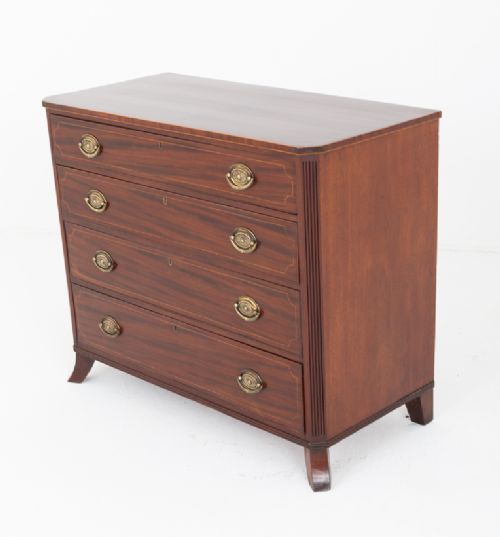
Georgian furniture styles shift visibly across reigns, beginning with the simpler walnut forms of the early eighteenth century and moving toward grander mahogany designs. Pieces from the mid-eighteenth century often display robust proportions and restrained decoration, while later Regency examples incorporate refined inlay and lighter woods.
Examining the construction methods, secondary timbers used in drawer linings, and hardware styles helps determine the specific decade of manufacture. Grain patterns and surface patination also accumulate distinct characteristics over centuries of use.
What woods were used in these pieces?
Makers constructed these pieces using native timbers like oak alongside imported hardwoods such as mahogany and walnut. Cabinet makers frequently selected decorative veneers including burr walnut and exotic woods for primary surfaces to enhance visual appeal.
Secondary woods like oak or pine were typically utilised for internal drawer linings, backboards, and hidden framing. The choice of material often reflects the prevailing fashion and trade availability of the period.