
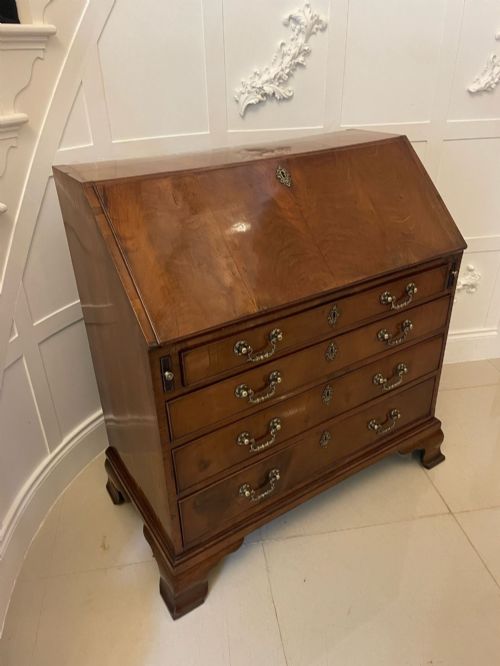
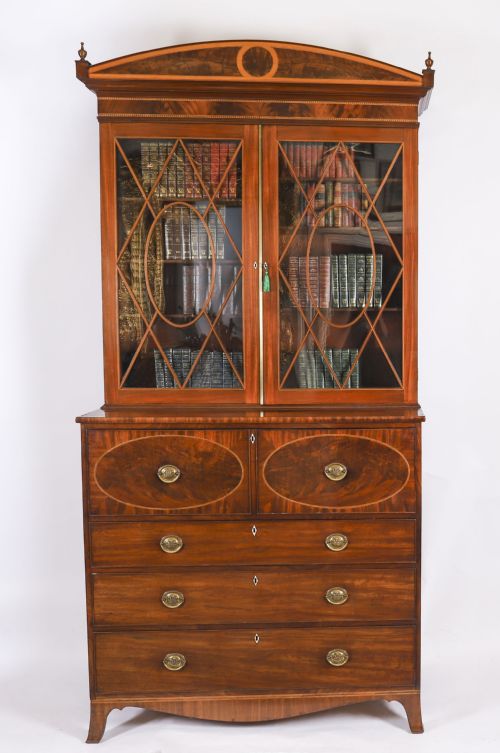
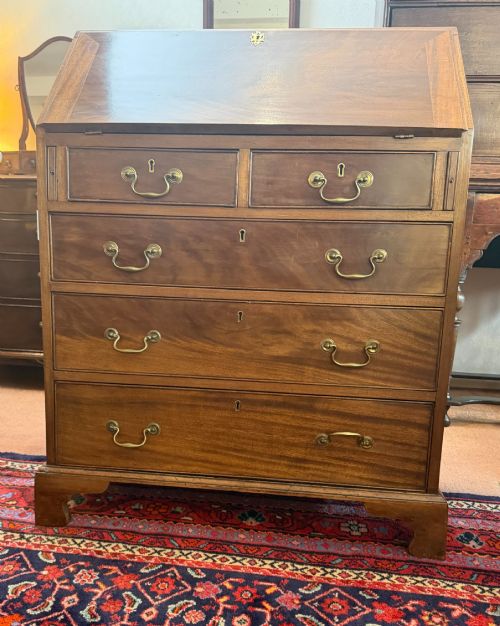
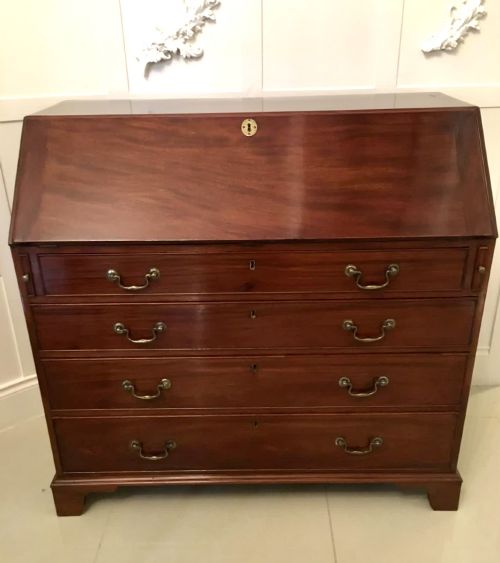

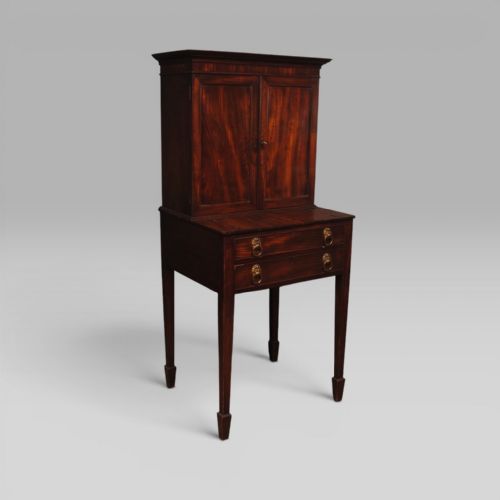

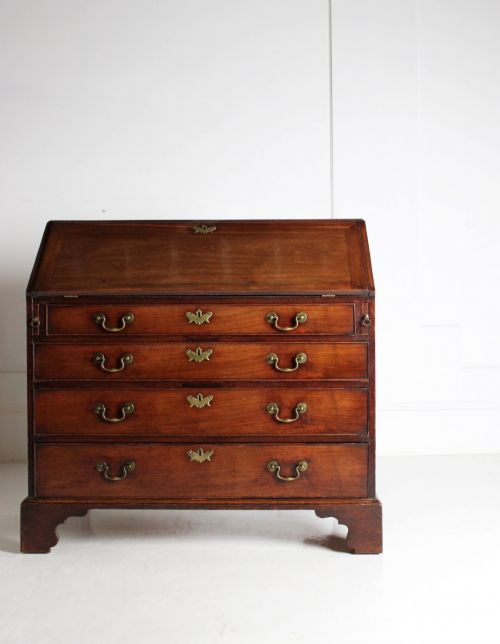

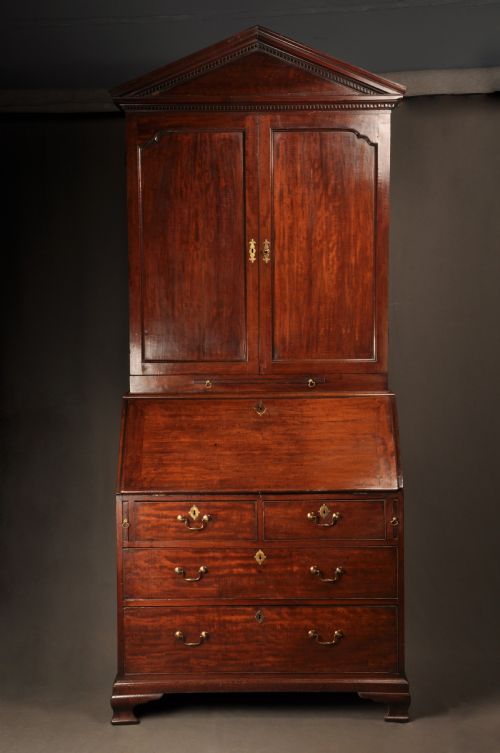


George III Writing Cabinet
A george iii writing cabinet brings serious architectural presence and ingenious internal fittings into a room, offering a dedicated workspace designed for 18th-century correspondence.
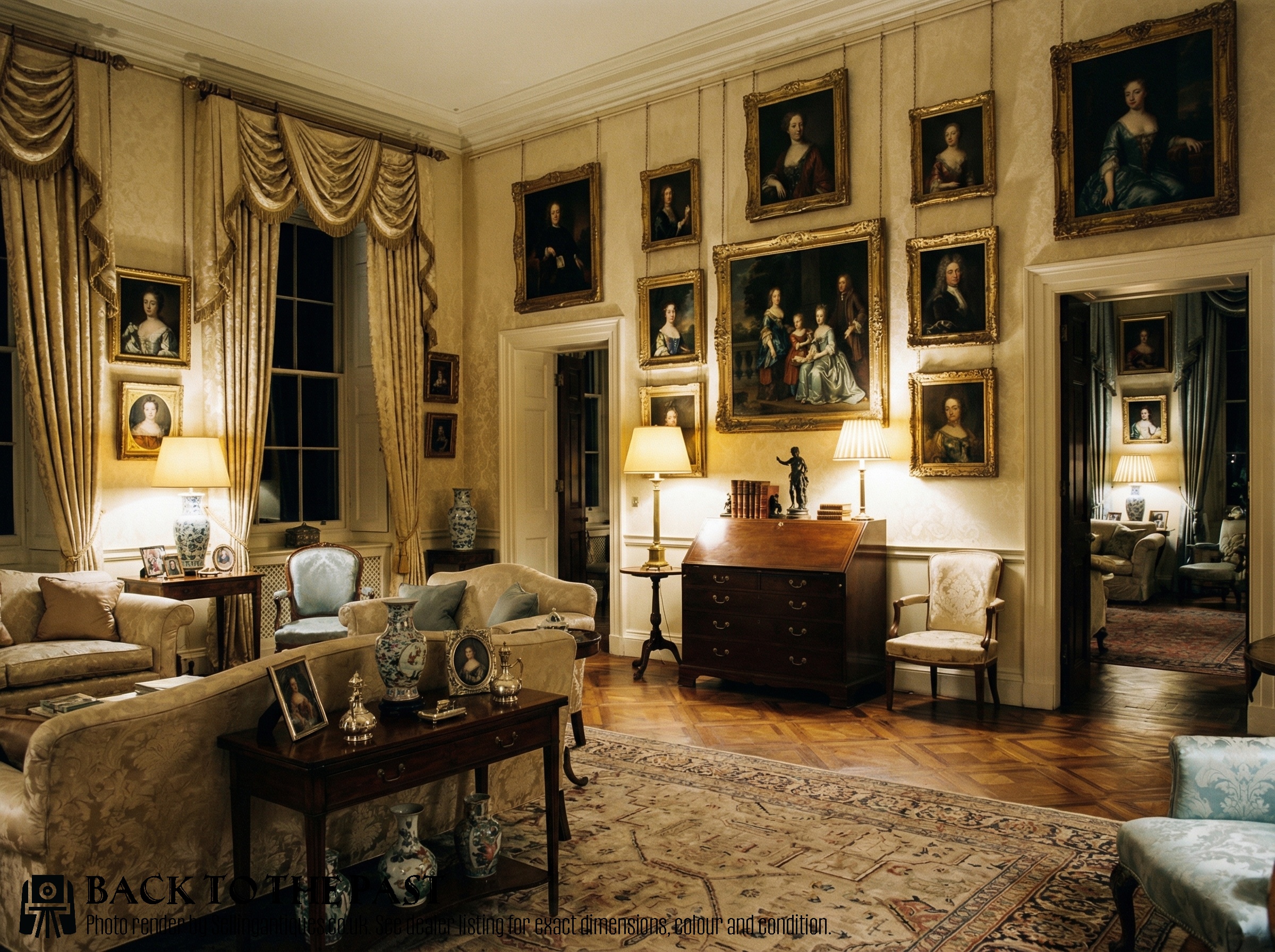
George III Writing Cabinet
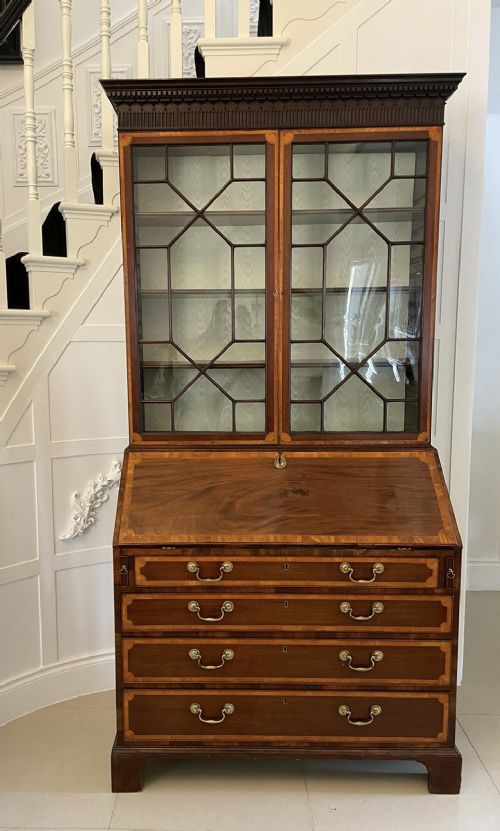
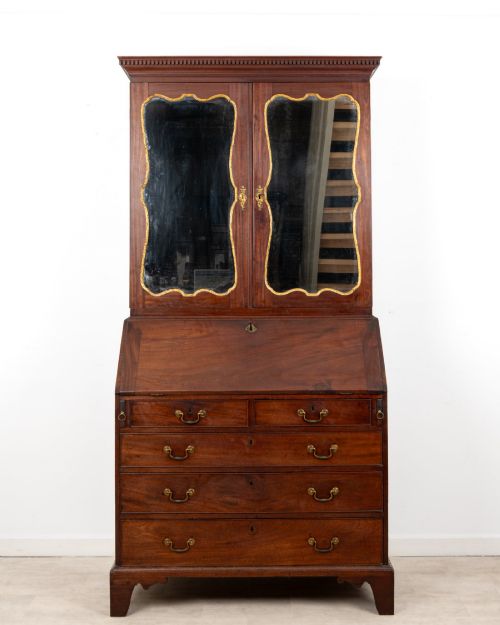
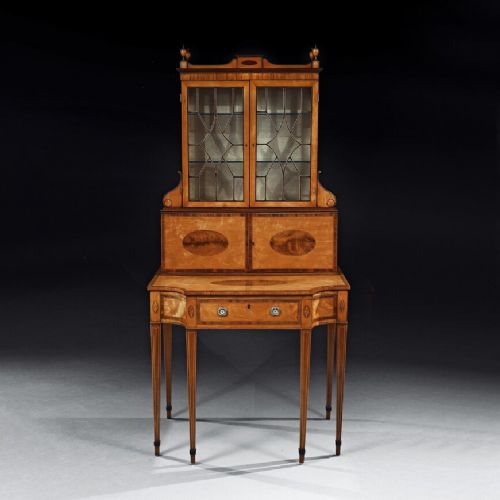
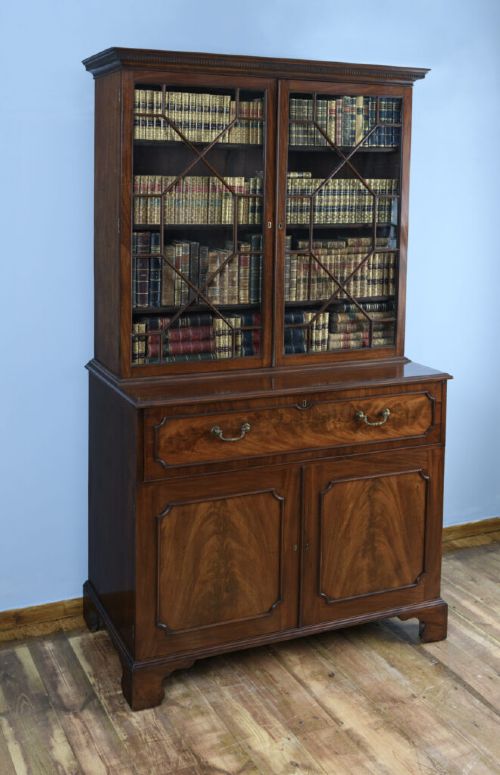
When you search for a george iii writing cabinet, you are looking at substantial case furniture designed for correspondence, reading, and the secure storage of papers. The pieces on this page span the Georgian era and the 18th century, alongside occasional later interpretations.
The form appears most frequently as a bureau, a bureau bookcase, or a secretaire bookcase, featuring fitted drop-front writing surfaces and glazed upper shelving. These items combine display space with concealed compartments, reflecting the domestic habits of the period.
Originating predominantly in 18th-century workshops, these cabinets showcase the cabinetmaker's skill in managing large timber surfaces while creating intricate internal drawers and pigeonholes. They range from compact slant-front desks to towering breakfront bookcases.
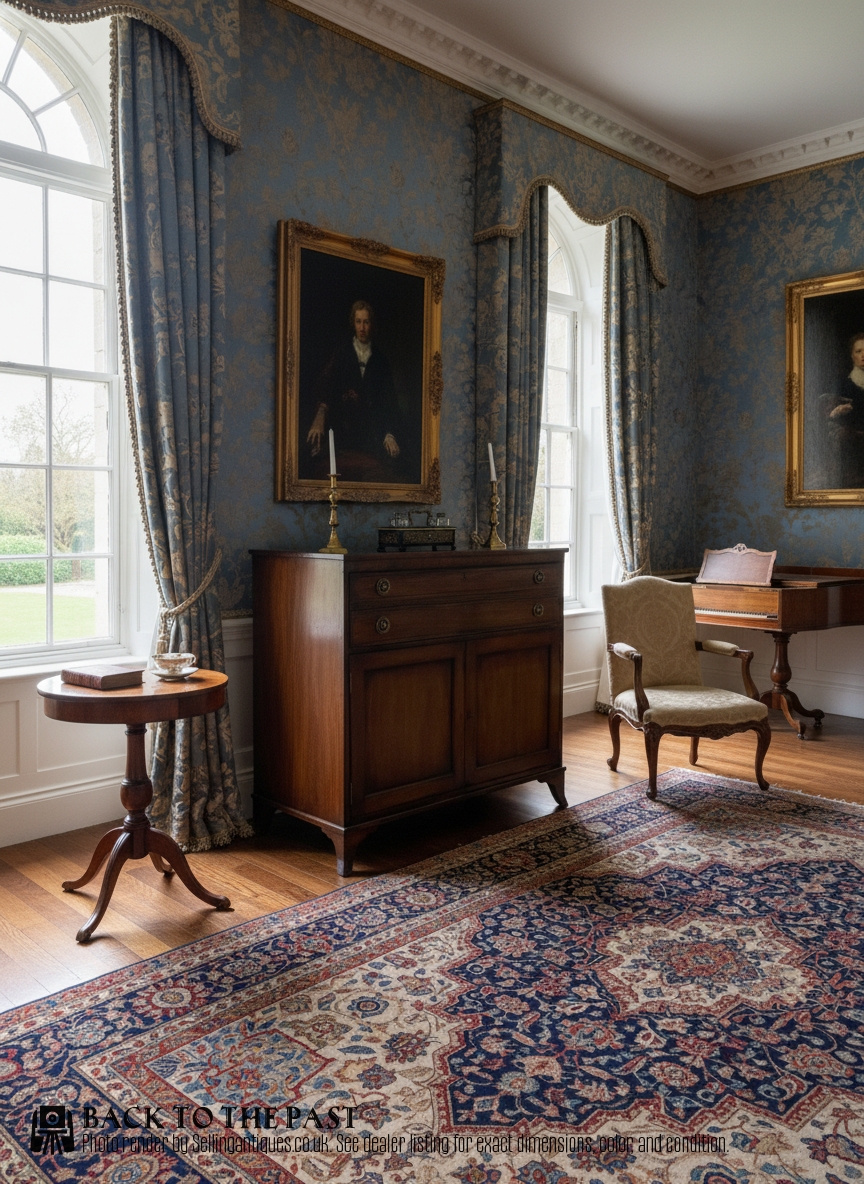
How they were made
Makers utilised solid timbers alongside finely cut veneers, relying principally on mahogany, flame mahogany, and satinwood for exterior impact. Oak provided a sturdy structural carcass for internal framing and drawer linings.
Decorative detailing relied on contrasting stringing, brass hardware, and figured grain patterns rather than heavy carving. Glass was painstakingly fitted into geometric wooden tracery for the upper bookcase sections.
George III Writing Cabinet Retail Price Guide 2026
Typical asking prices for george iii writing cabinet among the pieces listed under this phrase on Sellingantiques today, from the lower quarter to the upper quarter. They describe what is for sale here now, not the wider market.
Secret compartments hidden behind sliding pigeonholes remind us that Georgian correspondents valued privacy above all else.
What varies in quality
The distinction between ordinary and exceptional pieces lies in the choice of timber and the precision of the cabinetwork. Grain matching across drawer fronts and the use of dense, highly figured flame mahogany or satinwood indicate a superior commission.
Internal architecture dictates the grade of the piece, where secondary woods like oak are joined with meticulous dovetailing. The complexity of the pigeonholes, secret drawers, and the integration of the writing flap demonstrate the workshop's ambition.
George III Gillows
The George III Writing Cabinet Glossary
- Bureau
- A writing desk featuring a sloping hinged lid that opens to reveal a fitted interior of small drawers and pigeonholes. This form serves as the primary working surface for Georgian correspondence.
- Secretaire
- A piece of furniture containing a drawer or compartment that drops down to form a writing desk. It conceals a structured interior while maintaining the exterior appearance of a standard chest or cabinet.
- Flame mahogany
- A veneer cut from the branch junction of the mahogany tree, producing a distinctive rippled flame pattern. Cabinetmakers placed these dramatic grains symmetrically across primary drawer fronts.
- Satinwood
- A durable, yellowish timber prized for its smooth lustre and contrasting grain, utilised extensively for inlay and banding. It brightened late 18th-century interiors.
- Sabicu
- A dense tropical timber valued for its strength and dark reddish-brown hue. It occasionally appears in significant cabinet pieces of the period.
George III Writing Cabinet: Frequently Asked Questions
How do I use a bureau daily?
Lower the hinged wooden flap to create a stable writing surface supported by integrated pull-out lopers. The internal compartments provide dedicated storage for modern stationery and small items.
Close the fall-front flap when finished to conceal paperwork and restore a tidy appearance to the room. The enclosed drawers remain secure behind the locked lid.
Where should I place a large cabinet?
Position these substantial pieces against a solid wall away from direct sunlight and heat sources to protect dry timber and fragile veneers. Allow adequate clearance for doors and drop-front flaps to open fully.
Tall bureau bookcases require stable floor surfaces and occasional wall anchoring for safety. Their vertical proportions anchor the room while utilising minimal footprint.
What is a secretaire drawer?
A secretaire drawer resembles a standard deep drawer on the exterior but pulls out and drops forward on brass hinges. This reveals a fitted writing desk complete with pigeonholes and small accessory drawers.
This clever mechanism allows a chest of drawers or bookcase to function as a writing desk without requiring a permanent sloping front. It represents a versatile solution for compact domestic spaces.
How do I distinguish 18th-century work?
Examine the construction methods visible inside the drawers and carcass, where hand-cut dovetails and secondary woods like oak indicate period production. Timber shrinkage and hand-planed surfaces provide further physical evidence of age.
Compare the proportion, brass hardware style, and inlay techniques against documented examples from the Georgian era. Subtle irregularities in the timber and joinery confirm manual workshop creation.