
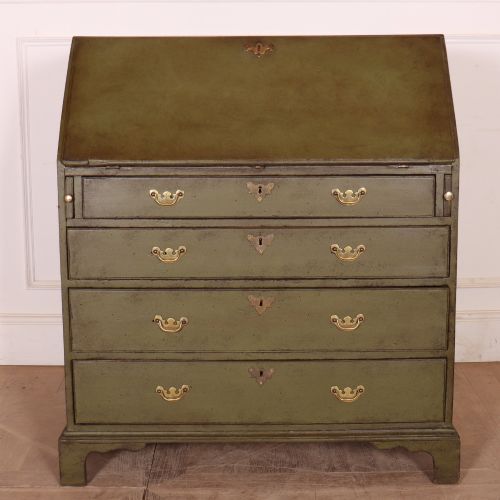
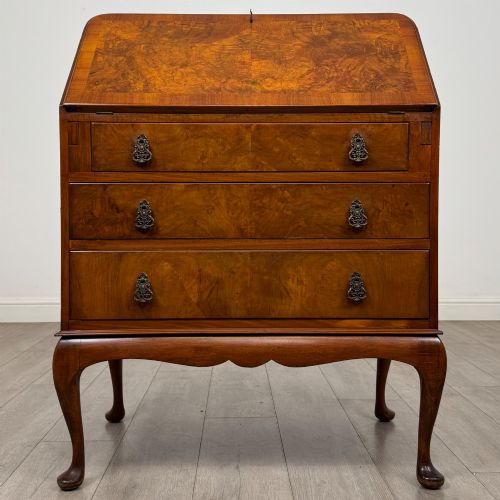
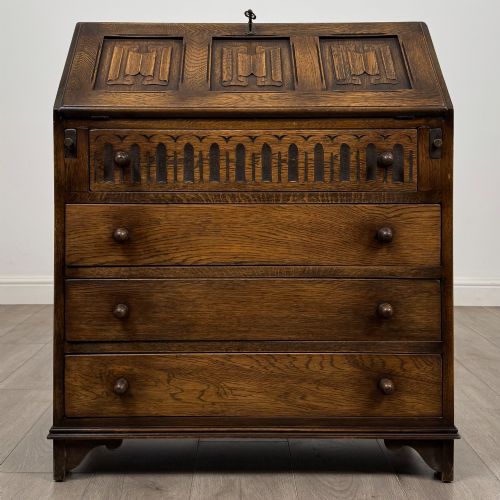
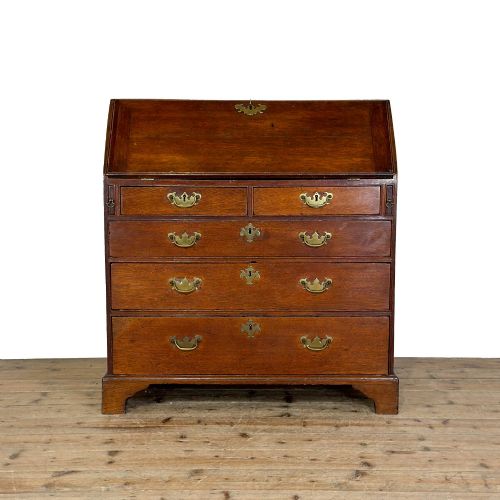
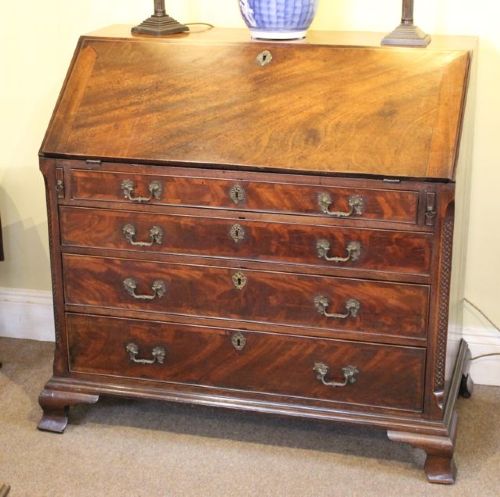
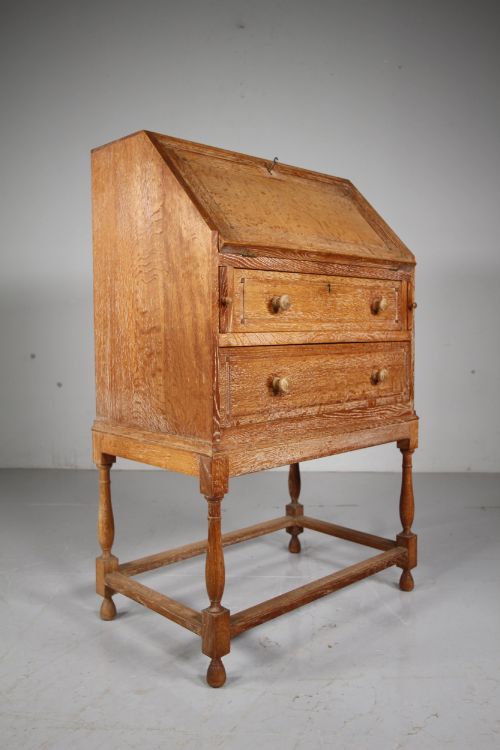
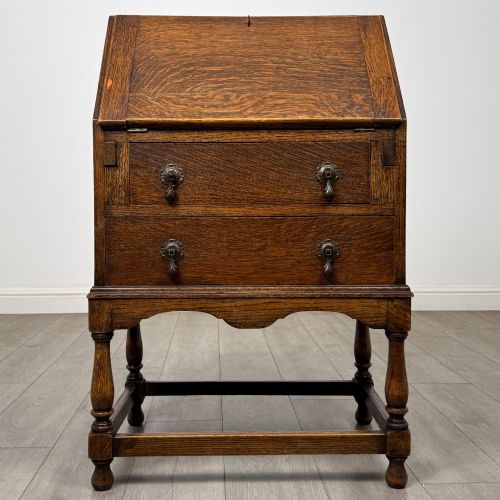
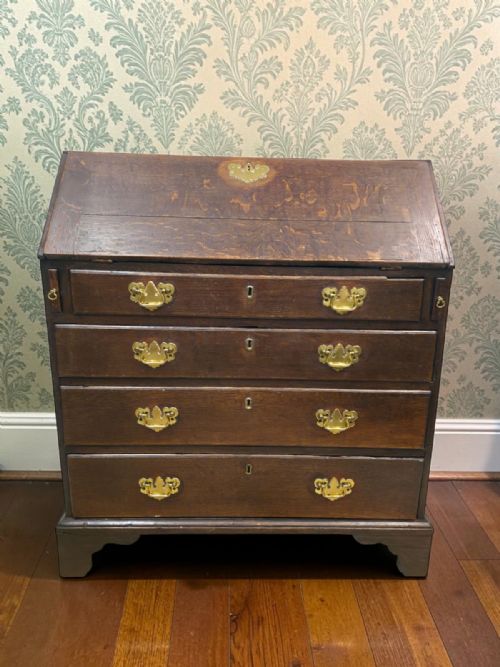
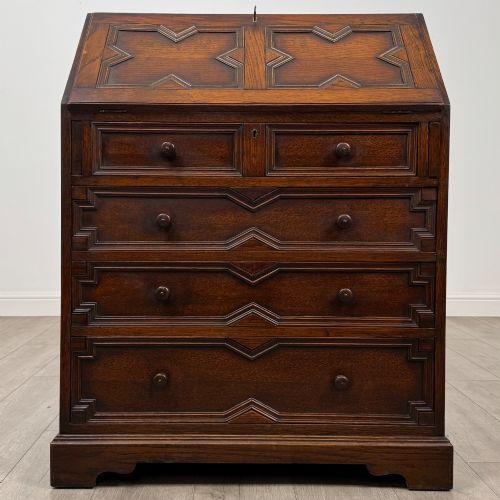
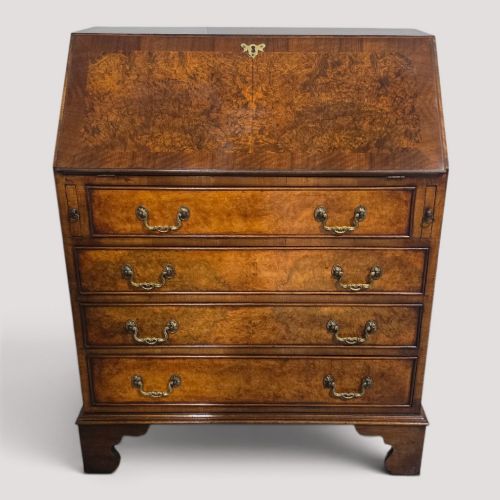
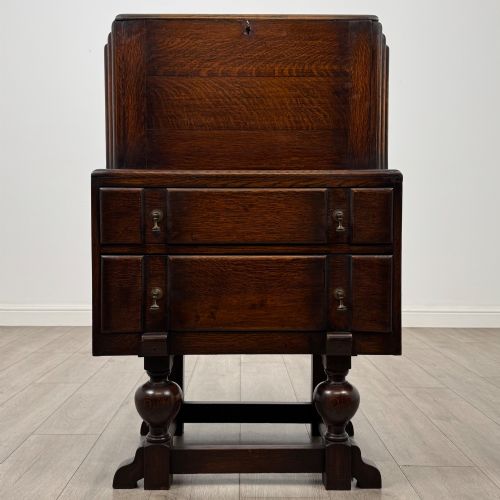
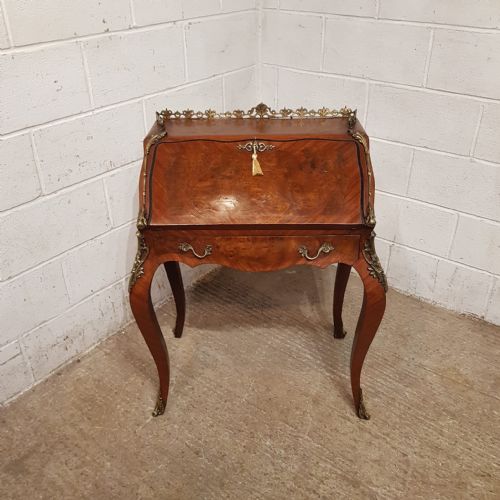
Vintage Slope Front Desk
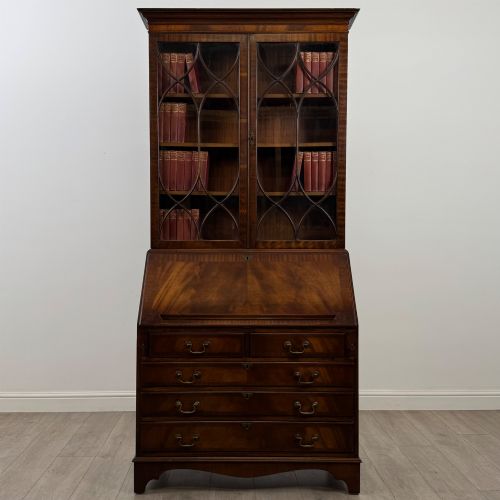
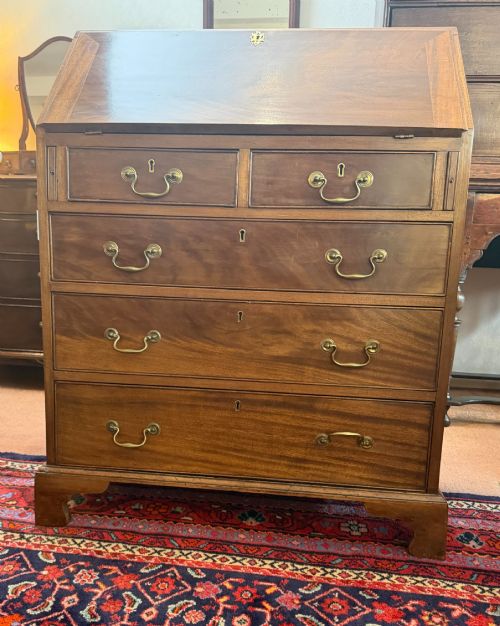
A vintage slope front desk offers a hinged writing flap that opens to reveal fitted pigeonholes and drawers, blending practicality with period craftsmanship.
Vintage Slope Front Desk
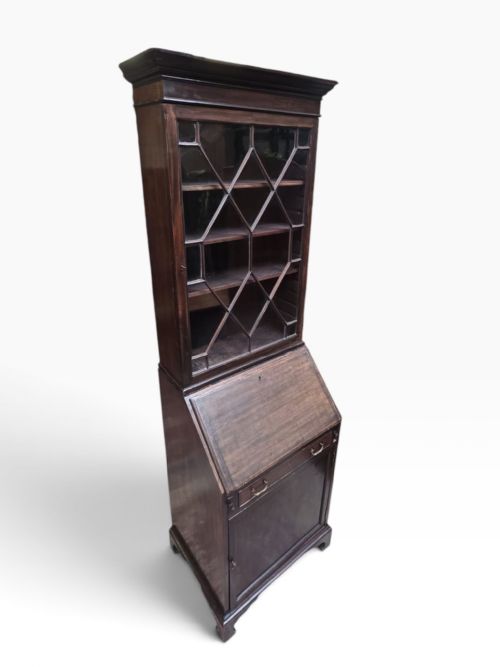
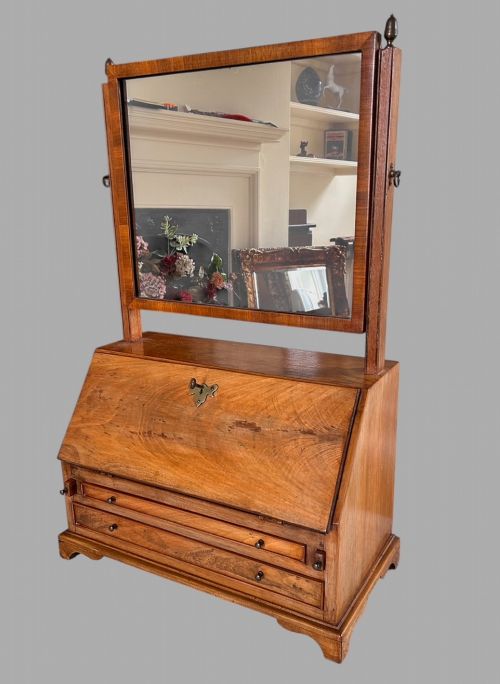
A vintage slope front desk comprises forms such as bureaux, bureau bookcases, and writing desks designed for domestic correspondence and record keeping. The selection spans centuries of cabinet making, with examples appearing across the Georgian, Victorian, and Edwardian eras alongside later twentieth century pieces.
Makers utilised timber varieties including oak, mahogany, walnut, burr walnut, and satinwood to construct these functional writing pieces. Buyers encounter various stylistic influences ranging from plain country oak to elaborate Queen Anne and Jacobean revival designs.
The primary function remains the enclosed writing surface that drops forward on hinges to reveal internal compartments. Many items include banks of lower drawers or upper bookcase cabinets to increase storage capacity in domestic interiors.
Materials and construction
Cabinet makers built these desks using solid timbers and decorative veneers such as mahogany, oak, and burr walnut over secondary woods. Surfaces often display figuration in the grain, while specialised pieces incorporate satinwood or painted finishes.
Construction techniques involve dovetail joints for drawers and panelled framing for carcases, complemented by brass handles, escutcheons, and hinges. Interiors feature small drawers, pigeonholes, and secret compartments assembled with traditional hand tools.
Listings feature oak, mahogany, burr walnut, satinwood, and elm across various centuries.
Distinctions in quality
Quality rests in the selection of timbers, where figured veneers and dense native hardwoods elevate the visual impact of the piece. The complexity and depth of internal joinery within the bureau compartment distinguish standard production from superior cabinet work.
Execution of decorative details such as crossbanding, inlay work, and carved elements indicates the maker's skill level. Fine proportions and original brass hardware further separate workshop pieces from utilitarian furniture.
Heals of London·Stanley Webb Davies·Gillows
The Vintage Slope Front Desk Glossary
- Bureau
- A desk featuring a sloping fall front that opens to form a writing surface above a chest of drawers. The term often describes freestanding writing furniture in British cabinet making.
- Fall Front
- A hinged writing flap that drops down into a horizontal position for writing and lifts vertically to conceal the interior pigeonholes. It serves as the defining operational element of these desks.
- Bureau Bookcase
- A two-part piece comprising a lower slope front desk section surmounted by an enclosed upper shelving unit or cabinet with glazed doors. It combines storage for books and writing materials.
- Pigeonhole
- A small, open compartment fitted within the interior of the desk for sorting letters and papers. These compartments frequently surround a central small locking cupboard.
- Crossbanding
- A narrow strip of veneer applied around the border of a drawer front or writing flap so the grain runs perpendicular to the main panel. This decorative technique frames the primary wood.
Vintage Slope Front Desk: Frequently Asked Questions
How do I use a slope front desk?
Lower the hinged writing flap to access the internal pigeonholes and flat surface for writing.
Store stationery and documents within the fitted interior compartments and lower drawers when not in use.
What periods do these desks come from?
The available pieces span multiple centuries, including seventeenth, eighteenth, nineteenth, and twentieth-century examples.
Stylistic revivals also appear, incorporating Queen Anne, Jacobean, and Arts and Crafts design motifs.
Where were these desks placed originally?
Owners typically positioned them in libraries, studies, or withdrawing rooms for managing personal correspondence and household accounts.
Compact versions also suited bedroom settings or smaller parlours where space was limited.
How do I distinguish oak from walnut desks?
Oak displays a pronounced grain with visible medullary rays and generally lighter, golden or medium brown tones.
Walnut exhibits a darker colour profile with rich figuring, often enhanced by burr veneers across the writing flap.