
Antique Wooden Secretary Desk
An antique wooden secretary desk is a fitted writing cabinet with a drop front, offering concealed storage and a pull-out surface for correspondence.
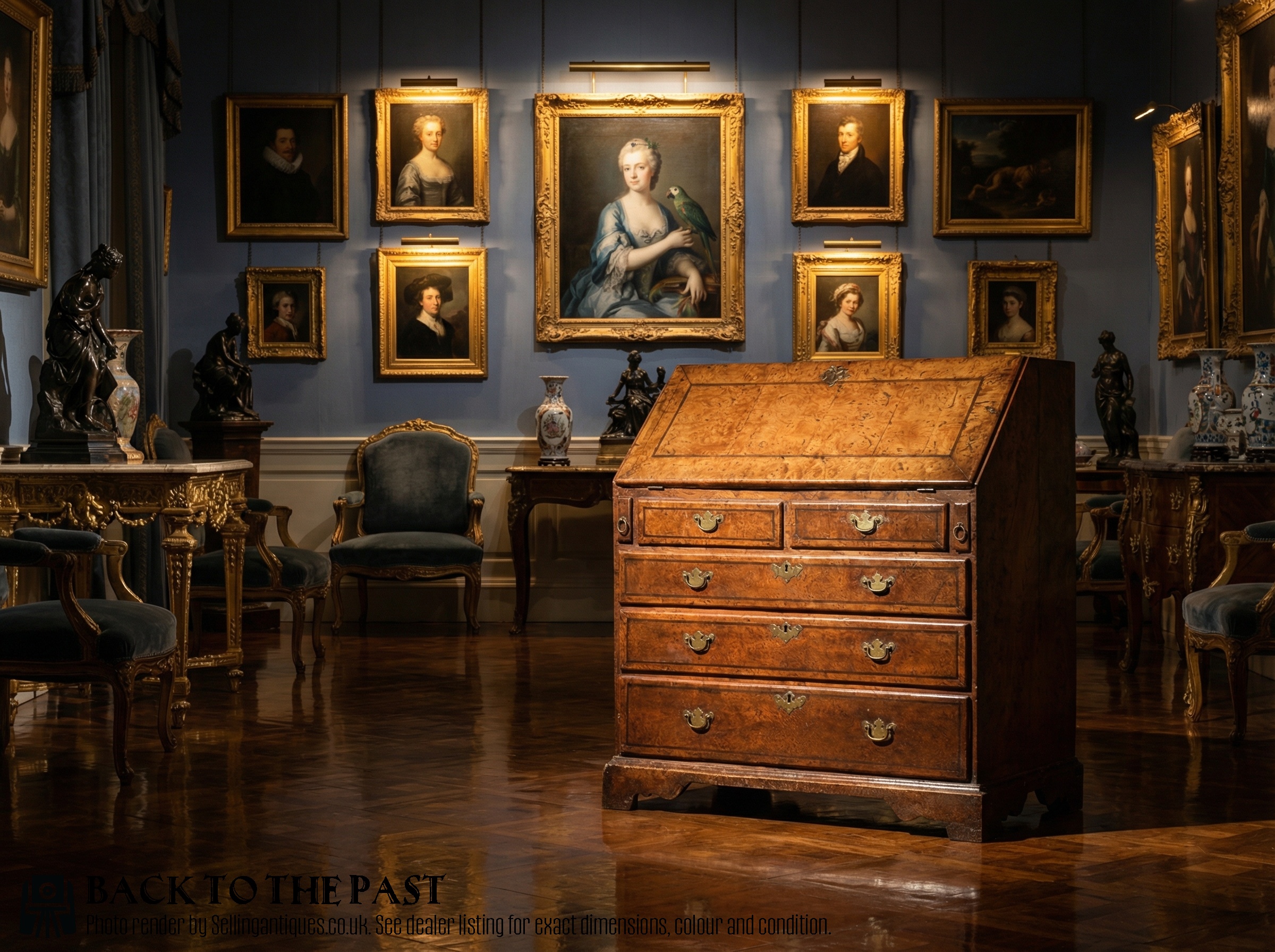
Antique Wooden Secretary Desk
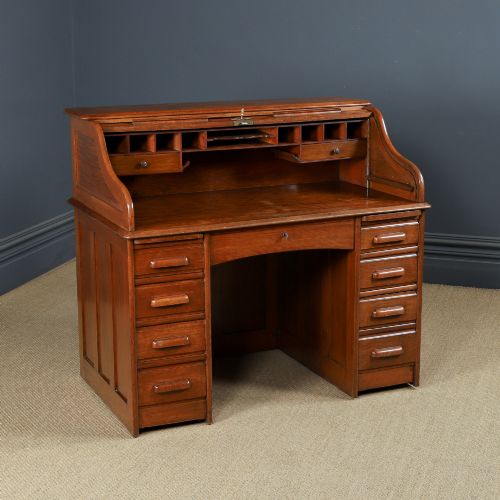
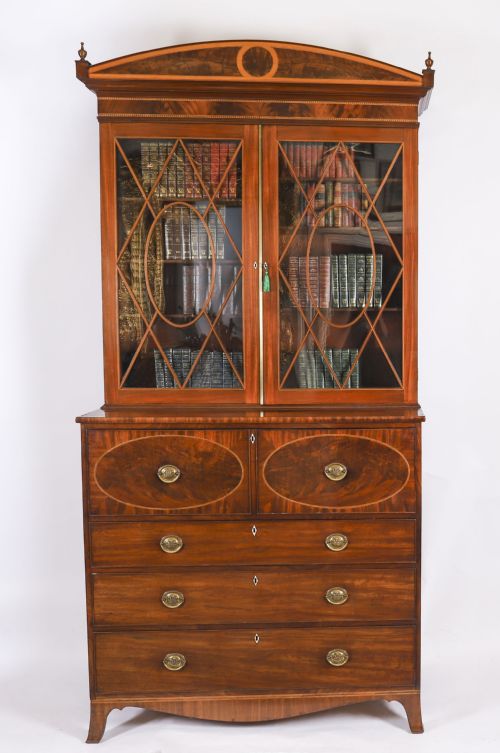
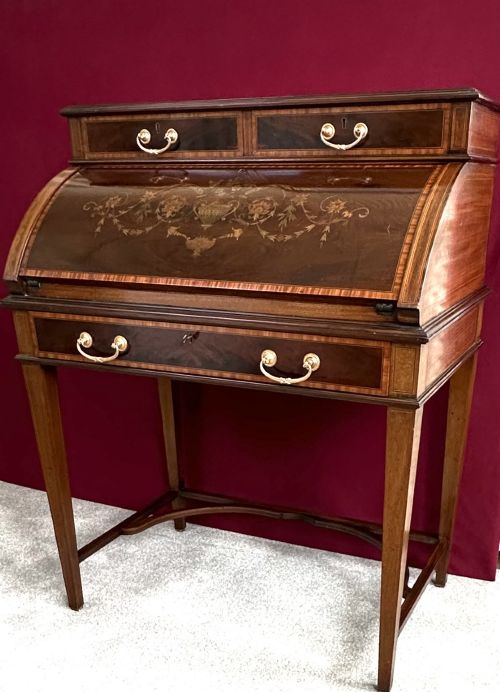
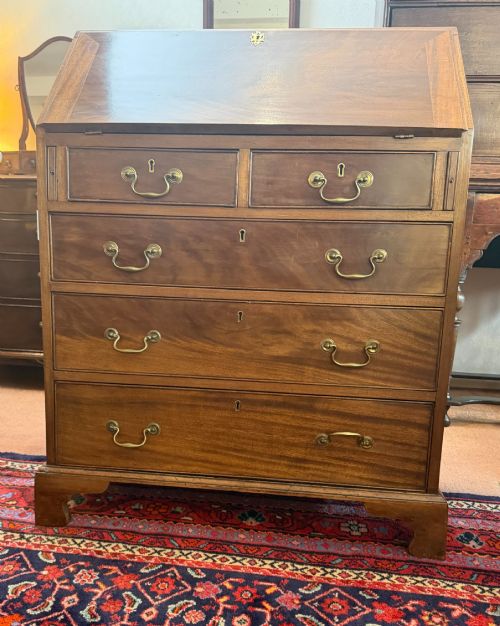
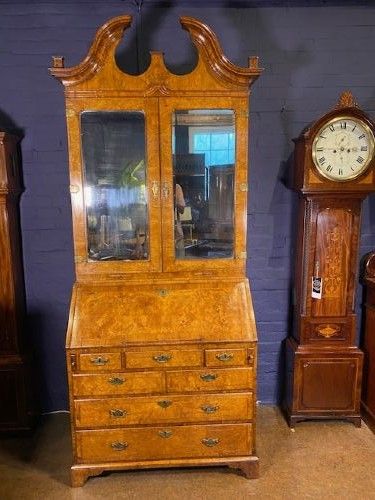
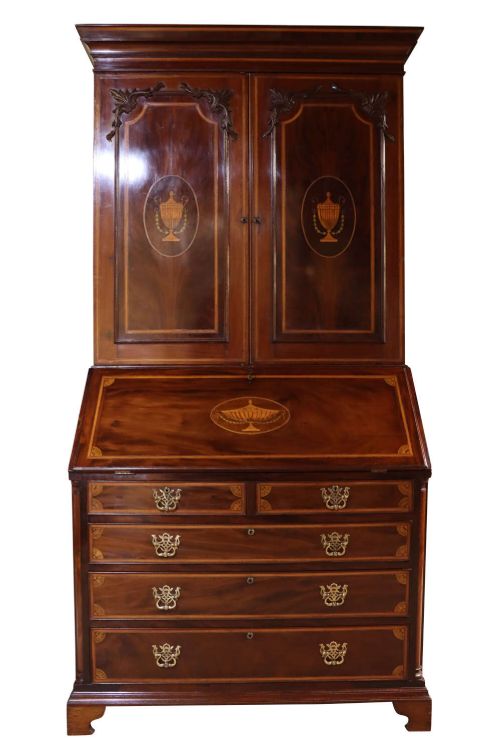
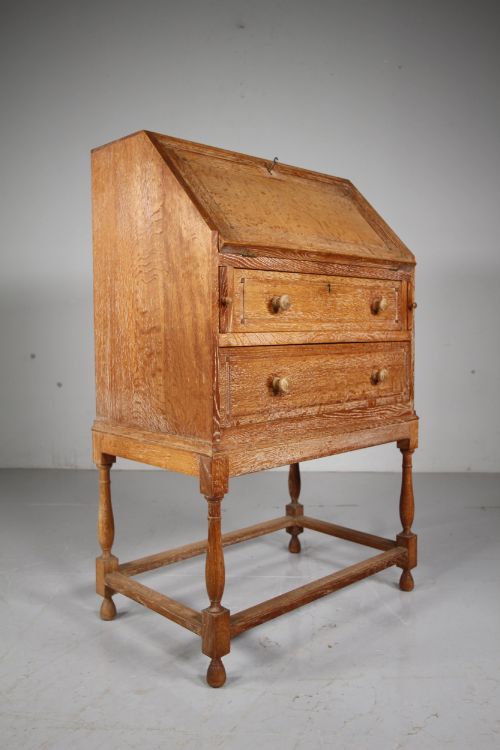
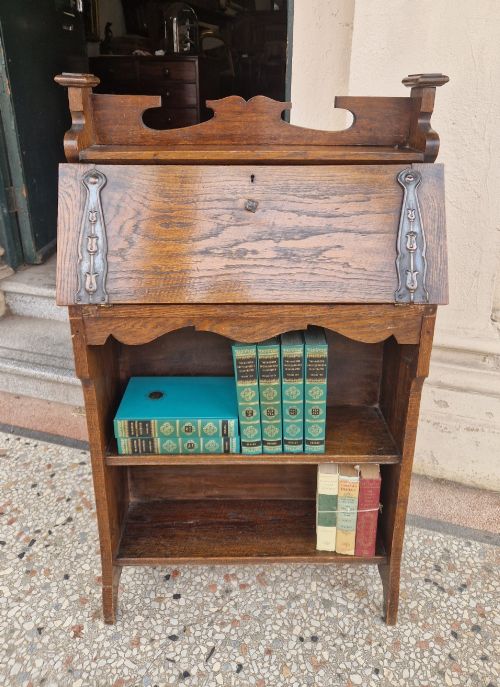
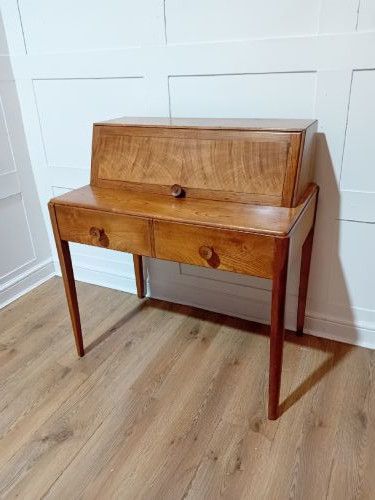
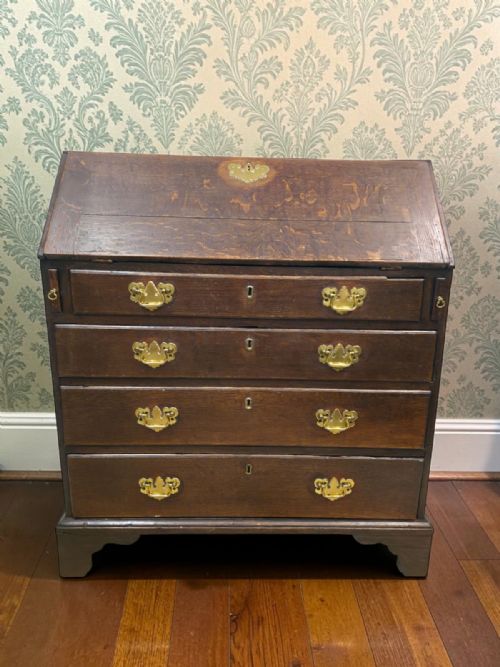
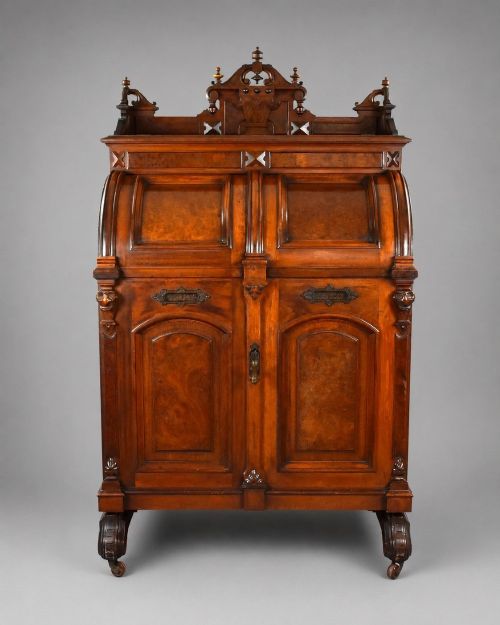
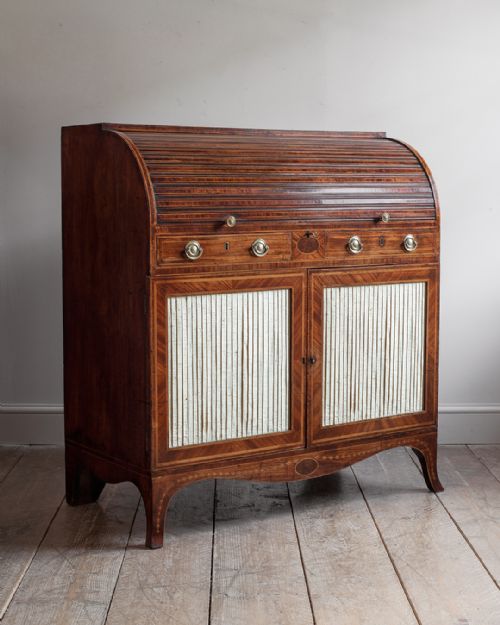
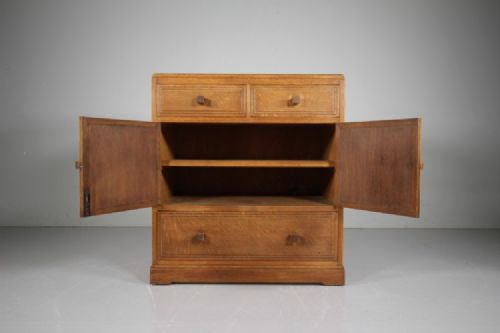
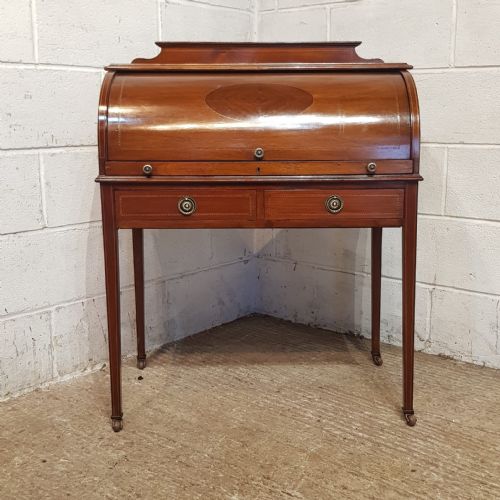
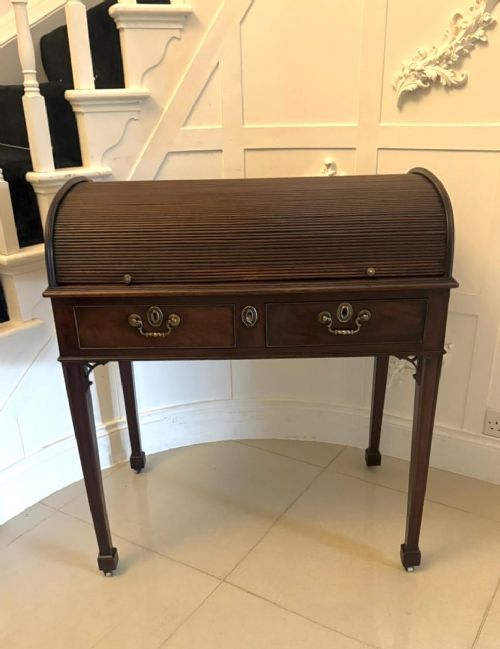
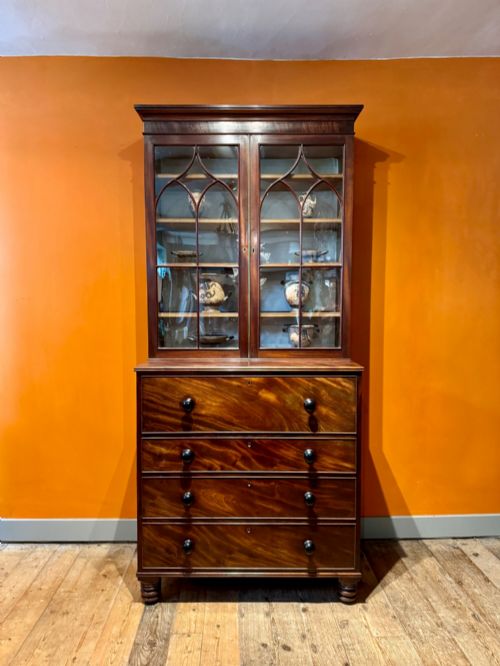
When you examine an antique wooden secretary desk on this page, you encounter pieces spanning from the eighteenth century through to the early twentieth century. The selection ranges from compact fall-front writing bureaux in oak and mahogany to substantial bureau bookcases and fitted cylinder desks.
Georgian and Regency examples predominate, often pairing timber frames with fitted interior pigeonholes and small drawers. Edwardian and later variations appear frequently in oak and walnut, alongside taller cabinet formats incorporating glazed upper bookcases.
Timbers and construction methods
Cabinet makers constructed these secretary desks using native and imported hardwoods, chiefly mahogany, oak, walnut, and elm, sometimes enhanced by figured veneers like burr walnut and satinwood. Brass hardware and leather writing inserts provide functional contrast to the wooden carcases.
Joinery methods rely on traditional cabinet-making techniques, utilising dovetail joints for drawer construction and pegged frames for structural stability. Fall fronts and cylinder mechanisms demand precise alignment to operate smoothly within the solid timber housing.
Listings feature eighteenth-century pieces alongside Edwardian and Regency examples, constructed from mahogany, oak, walnut, and elm.
Distinctions in construction and finish
The standard of a piece rests upon the choice of timber figure, the crispness of inlaid details, and the integrity of the interior fittings. Desks employing highly figured flame mahogany or burr elm display a superior decorative ambition compared to plain domestic alternatives.
Execution of the internal compartments - such as secret drawers, shaped pigeonholes, and panelled doors - separates standard workshop production from finer cabinet work. Original ironwork, brasses, and retained maker labels further distinguish pieces of higher standing.
Heals of London·Arthur Basil Reynolds·Bryn Mawr
The Antique Wooden Secretary Desk Glossary
- Fall front
- A hinged flap that drops to form a horizontal writing surface, concealing interior compartments when closed.
- Secretaire
- A piece of furniture containing a writing drawer or compartment, often disguised as a standard drawer or bookcase base.
- Bureau bookcase
- A writing bureau combined with an upper section for storing books, enclosed by panelled or glazed doors.
- Cylinder desk
- A writing desk featuring a curving, quarter-circle wooden shutter that rolls back to reveal the writing slide and fittings.
- Tambour
- A flexible sliding shutter formed of narrow vertical strips of wood glued to a fabric backing.
- Bonheur de jour
- A light lady's writing desk originating in the eighteenth century, usually featuring a small superstructure of shelves and drawers.
Antique Wooden Secretary Desk: Frequently Asked Questions
How do I date an antique wooden secretary desk?
Dating relies on observing structural characteristics, timber choices, and hardware styles. Eighteenth-century pieces frequently employ solid oak or rich mahogany with hand-cut dovetailing, while Edwardian variations often display lighter construction and simpler internal arrangements.
Examining secondary timbers inside drawers and checking for original maker labels or hardware helps narrow the period of manufacture. Stylistic markers, such as Queen Anne cabriole legs or Regency brass inlay, provide further chronological clues.
Where were these desks used historically?
These desks served primarily in private studies, libraries, and withdrawing rooms as secure places to manage household accounts and write letters. The lockable fall front ensured private correspondence remained confidential.
Larger bureau bookcases functioned as dual-purpose furniture, storing family libraries in the upper glazed section while providing an active workspace below. Smaller variants suited bedroom or parlour use.
How do I care for a wooden secretary desk?
Preserving the wood requires maintaining stable room humidity and avoiding direct sunlight, which fades delicate veneers like satinwood and mahogany. Regular dusting with a soft, dry cloth protects the polished surface.
Leather writing inserts benefit from occasional conditioning suited to historical surfaces, while moving the desk requires lifting rather than dragging to protect joints.