


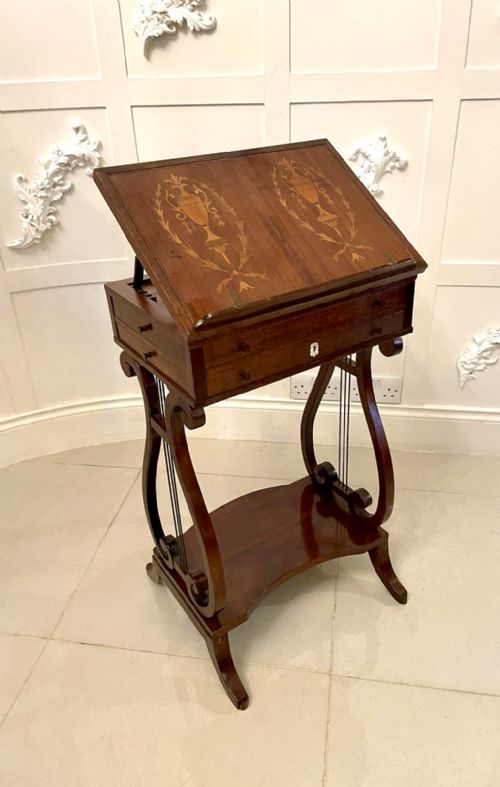
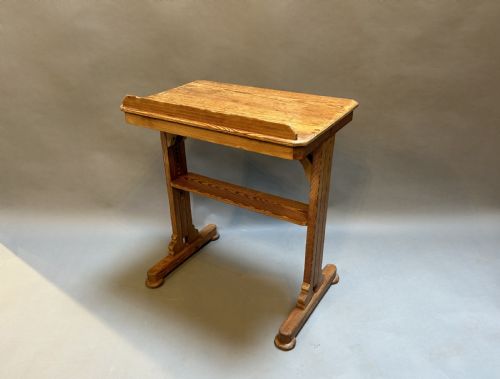


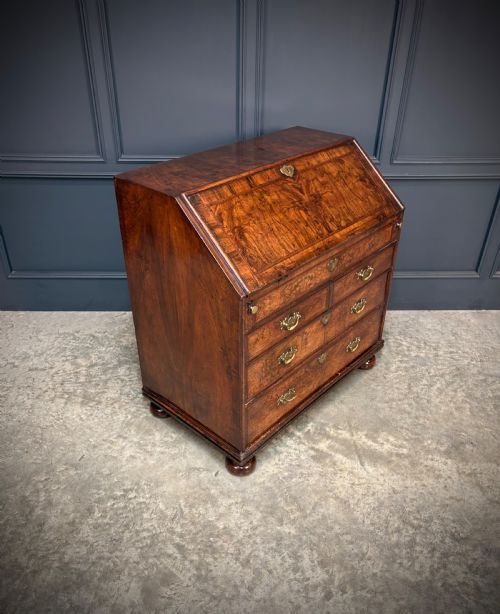
Vintage Slant Top Desk
A vintage slant top desk brings traditional craftsmanship and practical writing space into a room.
What these pieces are
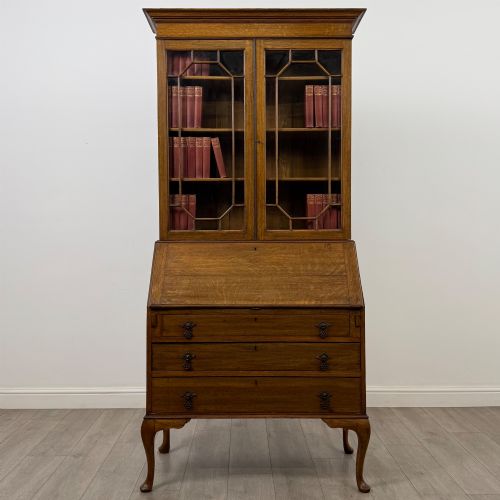
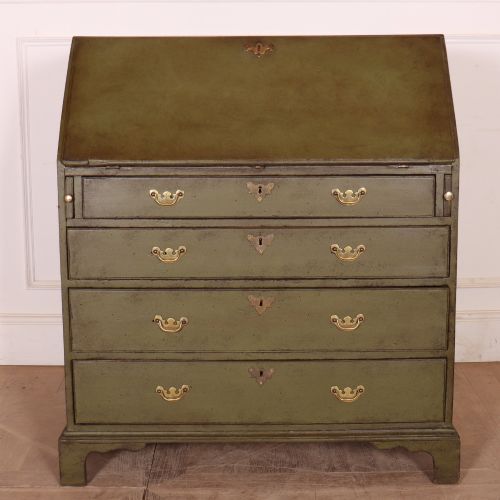
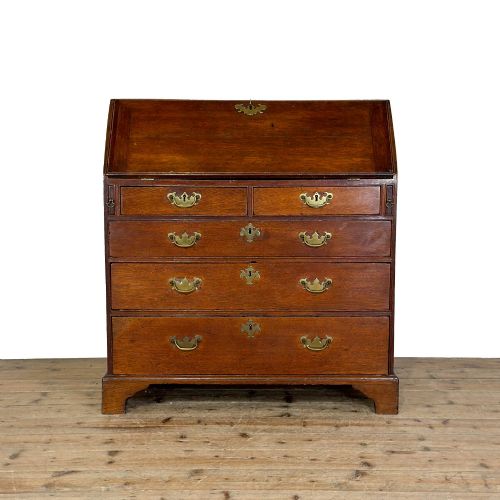
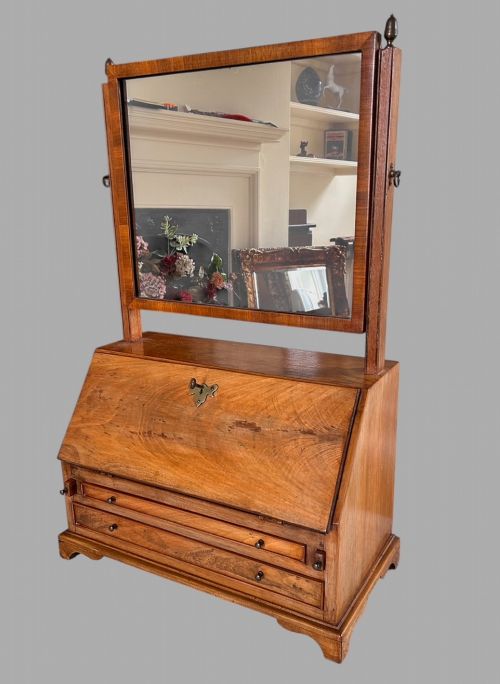
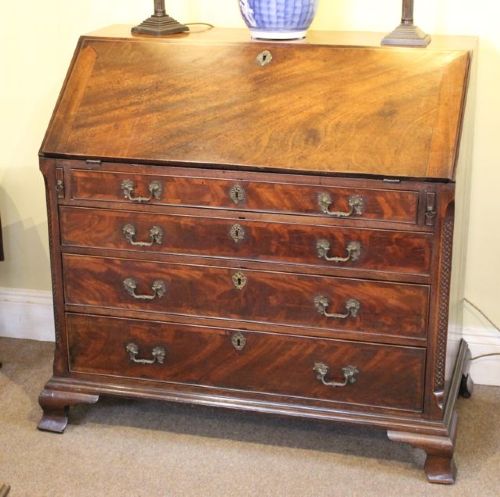
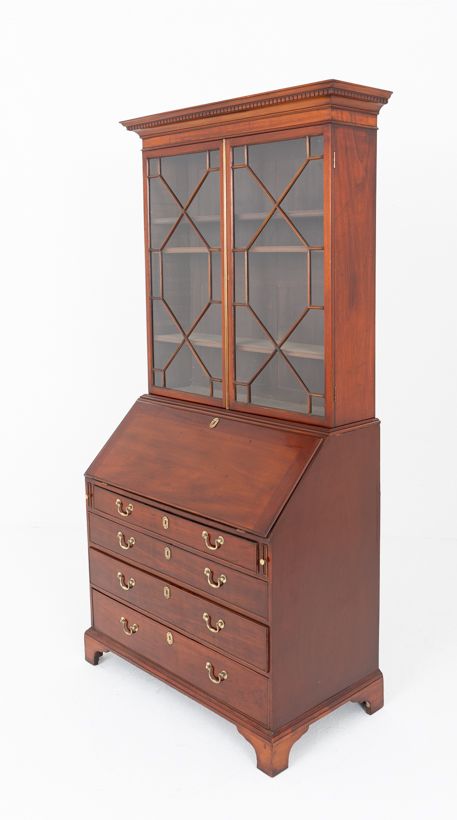
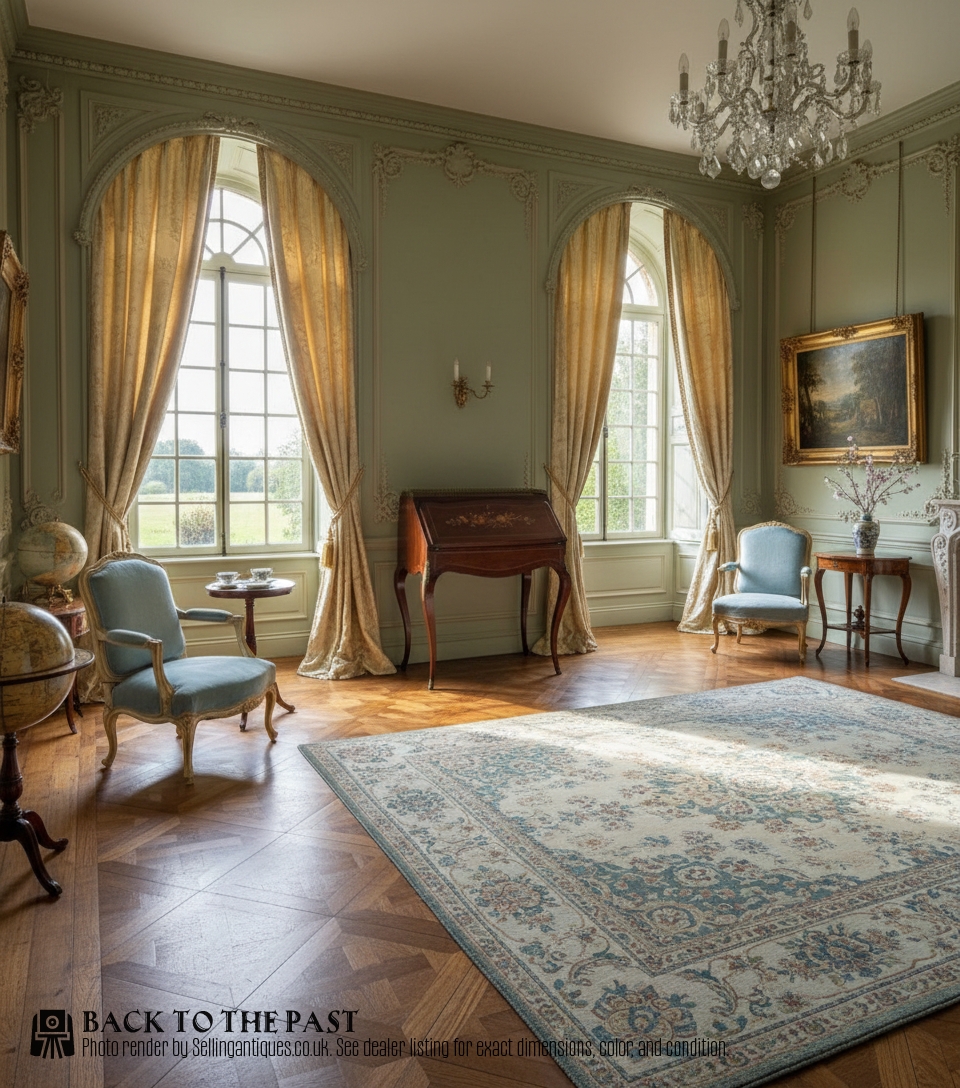
A vintage slant top desk, often catalogued as a bureau or bureau bookcase, provides a sloping writing flap that drops down to reveal fitted compartments and pigeonholes. These items combine concealed storage with a dedicated working surface used for correspondence and record keeping.
How they were made
Joiners and cabinetmakers utilised solid timbers and selected veneers such as Cuban mahogany, walnut, and oak to construct these pieces. Drawer linings and internal partitions often show traditional dovetail joinery alongside brass hardware fitted for handles and escutcheons.
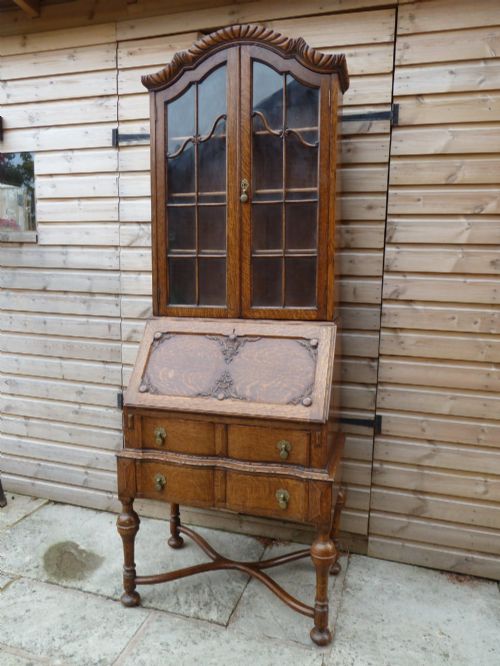
Certain specimens incorporate decorative elements including mixed wood inlay and glass panels within upper bookcase sections. French Louis XV Revival examples demonstrate specialised shaping and freestanding construction.
Retail Price Guide 2026
Typical UK retail prices for vintage slant top desk, calculated from the Sellingantiques database of over a million retail prices indexed since 2003. This retail price guide relies exclusively on Sellingantiques data; no external sources or auction records are used, so the figures do not describe the wider market.
The listings on this site span the eighteenth and nineteenth centuries, including items from 1920 and periods such as the Georgian era.
What varies in quality
Quality rests on the selection of primary timbers and the precision of the internal cabinet work. Finer examples display figured mahogany or walnut veneers, well-fitted interior drawers, and robust structural integrity within the writing flap mechanism.
Revival pieces and later interpretations vary according to the fidelity of their historical styling and the execution of decorative inlays. Proportion also dictates standing, with smaller-scale items demonstrating particular desirability among collectors.
The Vintage Slant Top Desk Glossary
- Bureau
- A writing desk featuring a sloping hinged lid that covers a fitted interior. This term frequently applies to slant top writing furniture.
- Bureau bookcase
- A combination piece comprising a slant top desk base surmounted by a glazed or panelled cabinet for books. These dual-purpose items offer extended storage.
- Dovetail
- A joint formed by interlocking wedge-shaped fingers, utilised to secure drawer corners. This method indicates traditional cabinet construction.
- Escutcheon
- A protective plate surrounding a keyhole, usually cast in brass. It prevents the surrounding wood from wearing down through repeated use of the key.
Frequently Asked Questions
What is a slant top desk called historically?
These pieces are frequently catalogued as bureaux or writing cabinets by makers and dealers.
The sloping lid distinguishes them from flat-topped library tables and writing desks.
How do you use the writing flap?
The hinged flap lowers to provide a horizontal surface supported by pull-out lopers or the opened drawer structure.
Inside, small drawers and pigeonholes organise writing materials and documents.
What woods were used for these desks?
Cabinetmakers worked with native and imported timbers including oak, walnut, mahogany, and rosewood.
Finer versions often feature figured Cuban mahogany or decorative mixed wood inlay.
Are bureau bookcases one piece?
Bureau bookcases typically separate into two sections, consisting of the desk base and the upper bookcase.
This two-part construction assisted with transportation and placement in historical homes.