
Antique Desk Drawers
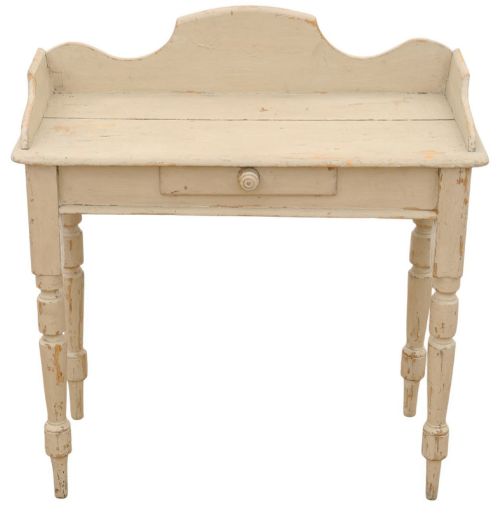
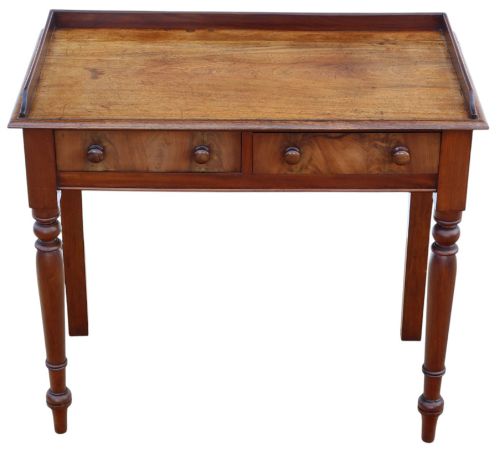
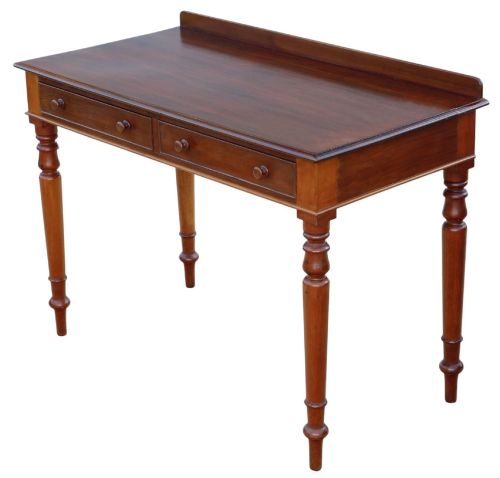
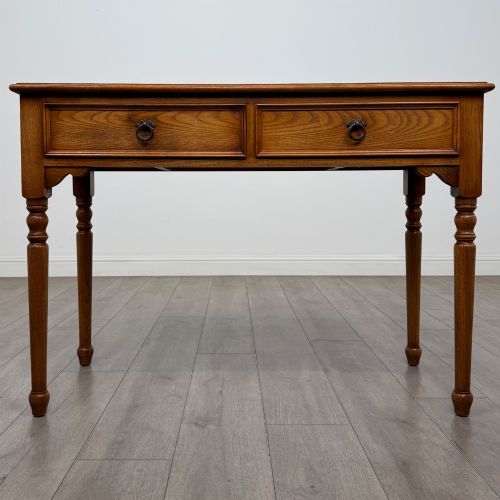
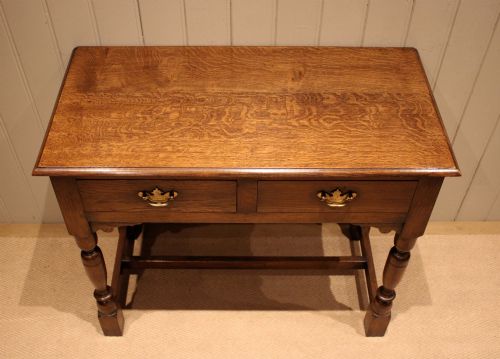
These antique desk drawers offer period craftsmanship and fitted storage for the home study.
What antique desk drawers are
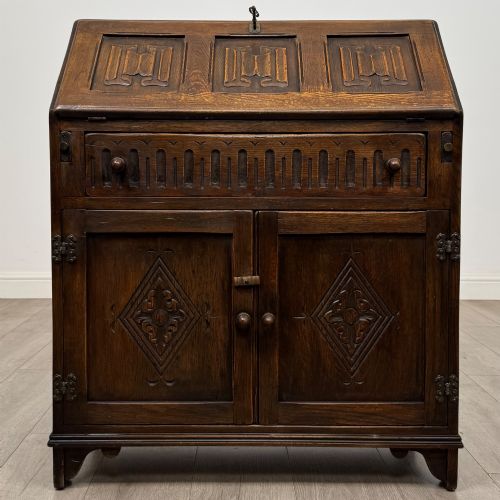
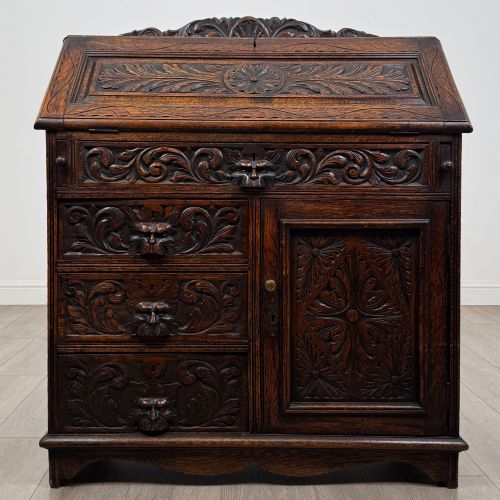
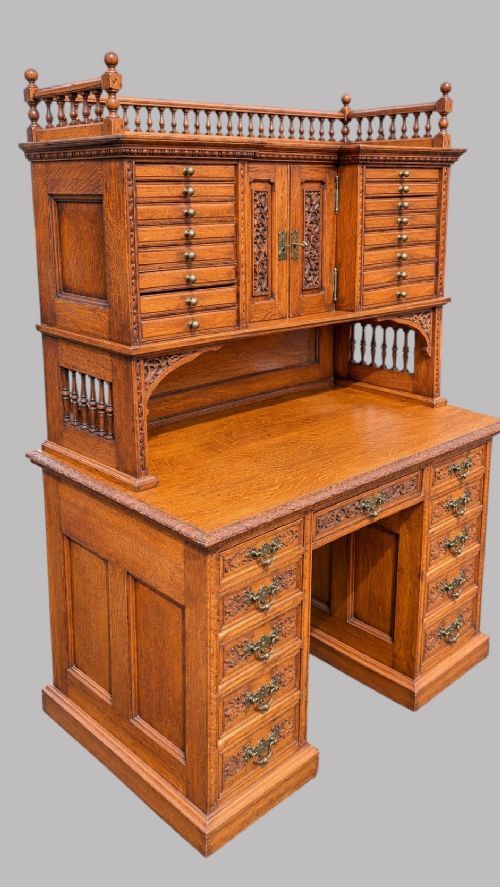
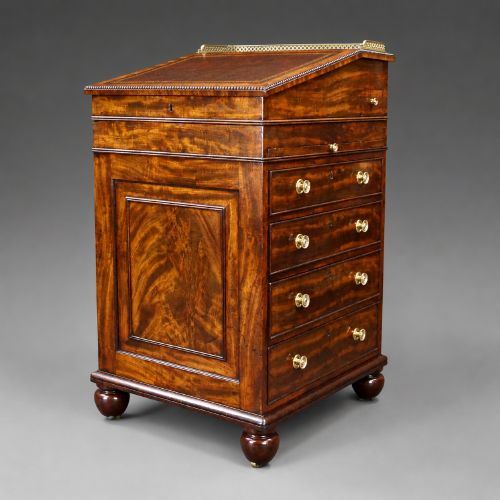
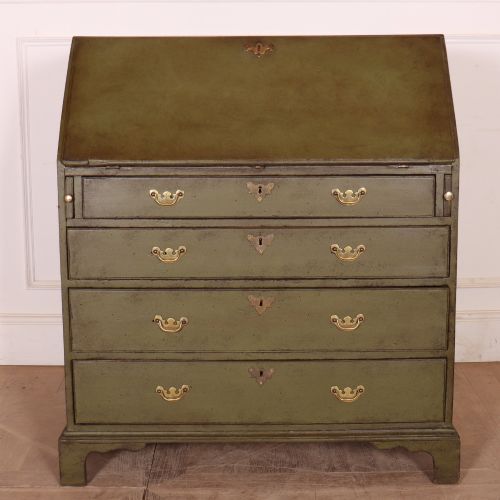
When you search for antique desk drawers, you are looking at items designed for storage and writing, spanning bureau formats, secretaire bookcases, pedestal desks, and smaller lap desks. The pieces you meet here include oak, mahogany, walnut, and rosewood examples from the seventeenth century through to the Edwardian period, with Victorian and Georgian pieces forming the bulk of the selection. Bureaux and secretaire desks provide drop-front writing surfaces alongside internal compartments, while smaller boxes and slopes offer portable writing spaces with hidden compartments.
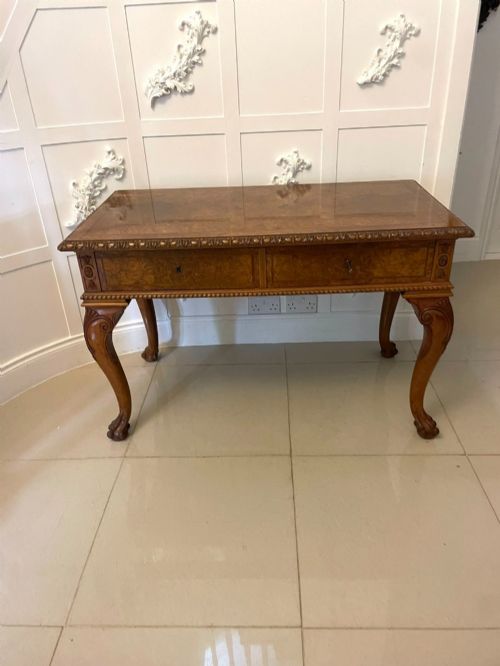
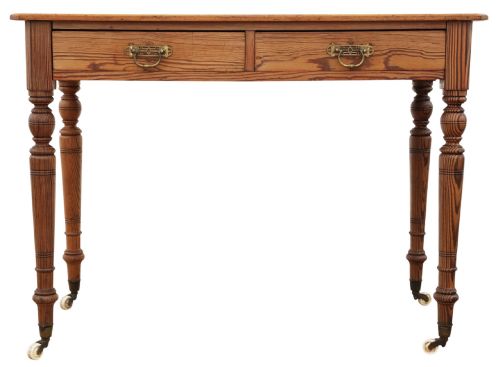
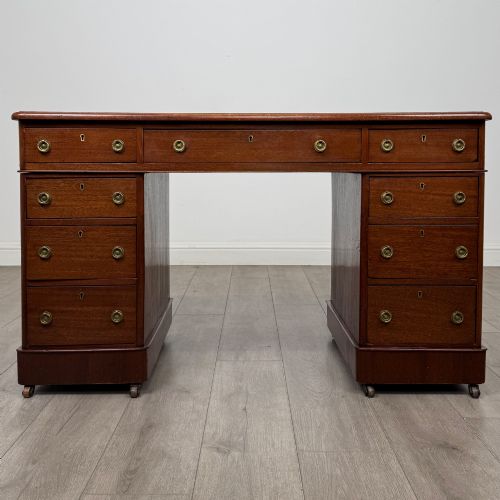
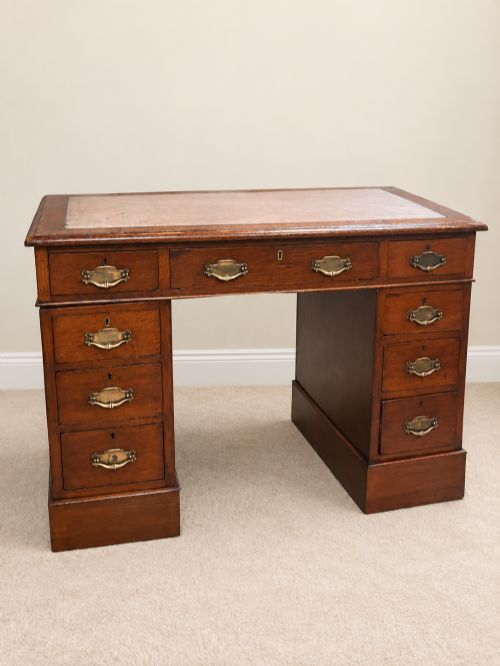
The objects take many functional forms, from large partner desks with multiple drawers to compact apprenticeship chests and kneehole dressing tables adapted for writing. Makers utilised various woods such as satinwood and birdseye maple for decorative contrast, incorporating brass hardware, tooled leather inserts, and secret compartments to secure private papers. Each piece reflects the domestic requirements of its era, combining cabinetry with writing utility.
How they were made
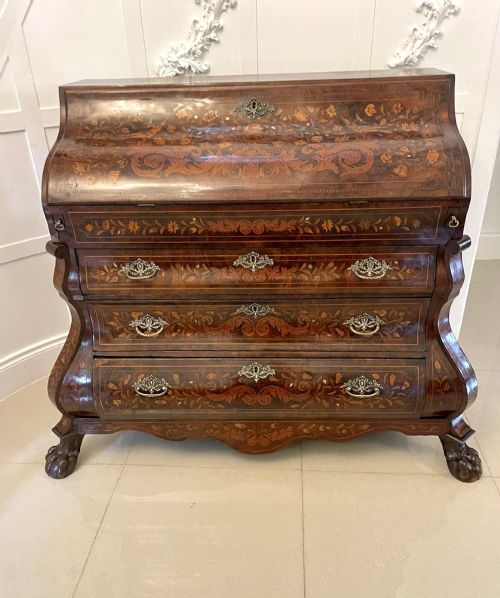
Cabinetmakers constructed these pieces using solid timbers and veneers, predominantly mahogany, oak, and walnut, often enhanced with satinwood, burr walnut, rosewood, and coromandel. Interiors frequently feature secondary woods like oak, whilst exterior surfaces display matched veneers, cross-banding, and fine string inlay.
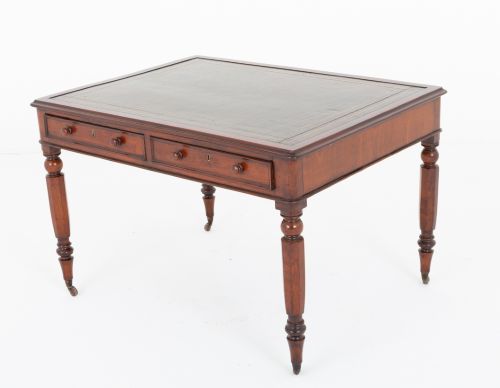
Hardware and functional details include cast brass handles, escutcheons, and bound corners on portable slopes, alongside fitted pigeonholes, small drawers, and concealed secret compartments within the cabinetry. Writing surfaces commonly integrate tooled leather panels inset into the timber frame, paired with turned baluster legs, pedestal cupboards, or bracket feet depending on the period.
Retail Price Guide 2026
Typical UK retail prices for desk drawers, calculated from the Sellingantiques database of over a million retail prices indexed since 2003. This retail price guide relies exclusively on Sellingantiques data; no external sources or auction records are used, so the figures do not describe the wider market.
Listings feature woods including mahogany, walnut, burr walnut, oak, rosewood, coromandel, and satinwood.
What varies in quality
The standard of timber selection and veneer matching defines the upper tier of these pieces, where figured burr walnut, flame mahogany, and exotic woods like coromandel display continuous grain patterns across the drawers and fall fronts. Superior examples exhibit precise dovetail joints, original brasswork, and intricate internal fittings such as secret drawers and satinwood-faced pigeonholes.
Proportion and secondary wood choice also separate standard utility items from finer commissions. Pieces featuring oak linings, solid brass mounts, and well-executed inlaid stringing demonstrate greater workshop skill than simpler provincial equivalents.
Gillows of Lancaster
The Antique Desk Drawers Glossary
- Bureau
- A desk with a sloping hinged lid that opens to form a writing surface above a chest of drawers. This form is common in both oak and mahogany across Georgian and Victorian periods.
- Secretaire
- A piece of furniture incorporating a pull-out or drop-front drawer fitted with small drawers and pigeonholes for writing. It often appears integrated into larger bookcases or chest formations.
- Writing slope
- A portable box with a slanted hinged lid that opens to reveal a velvet or leather-lined writing surface and compartments for stationery. Many incorporate secret drawers beneath the stationary well.
- Partner desk
- A large double-pedestal desk designed with drawers and cupboards on both sides so two people can work facing each other. These typically date from the Victorian era.
- Dovetail
- A joint formed by interlocking wedge-shaped fingers, used extensively in period drawer construction. The tightness and regularity of the pins indicate the cabinetmaker's skill.
Frequently Asked Questions
What is a secretaire desk?
A secretaire desk contains a specialised drawer that pulls down to reveal a writing surface and fitted interior compartments. This design conceals the writing function when closed, resembling a standard chest of drawers.
Such pieces range from compact Georgian chests to large Victorian library bookcases, offering a combination of storage and writing utility.
How do I spot secret drawers?
Secret drawers are typically hidden behind removable partitions, dummy book spines, or false backs within the pigeonhole section of a bureau or writing slope. Cabinetmakers designed them to safeguard valuables and private documents.
Opening them often requires pressing a concealed spring, lifting a false floor, or sliding out an adjacent divider.
How were lap desks used?
Lap desks were portable writing boxes placed on the user's knees or a table, allowing correspondence while travelling. They contained spaces for inkwells, pens, and paper alongside a sloping velvet or leather writing surface.
Many examples feature brass bound edges and secret compartments to secure letters and small personal items.