
Golden Oak Desk
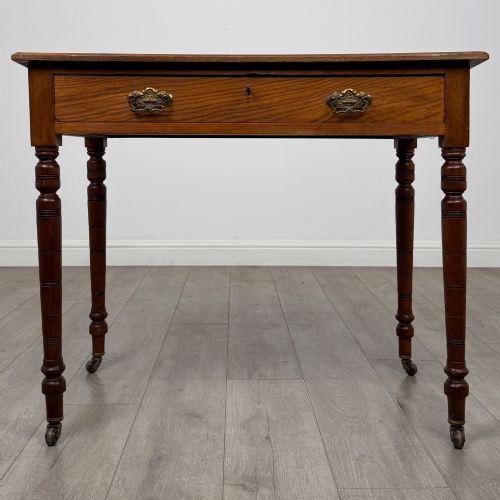
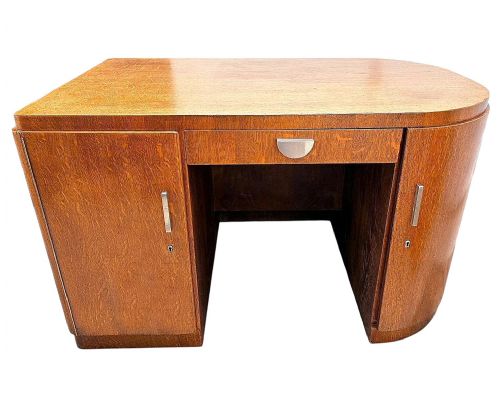
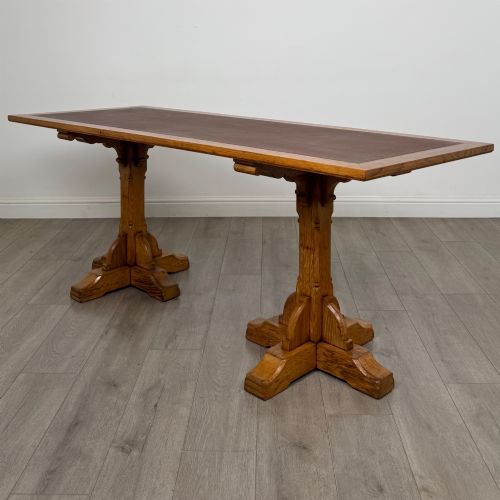
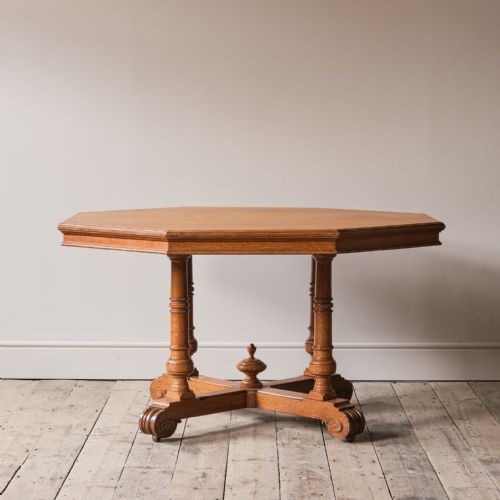
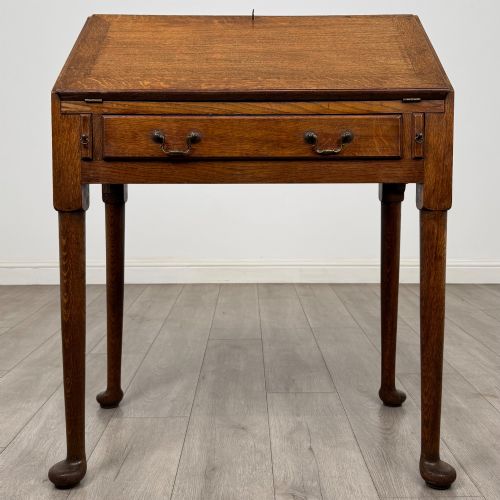
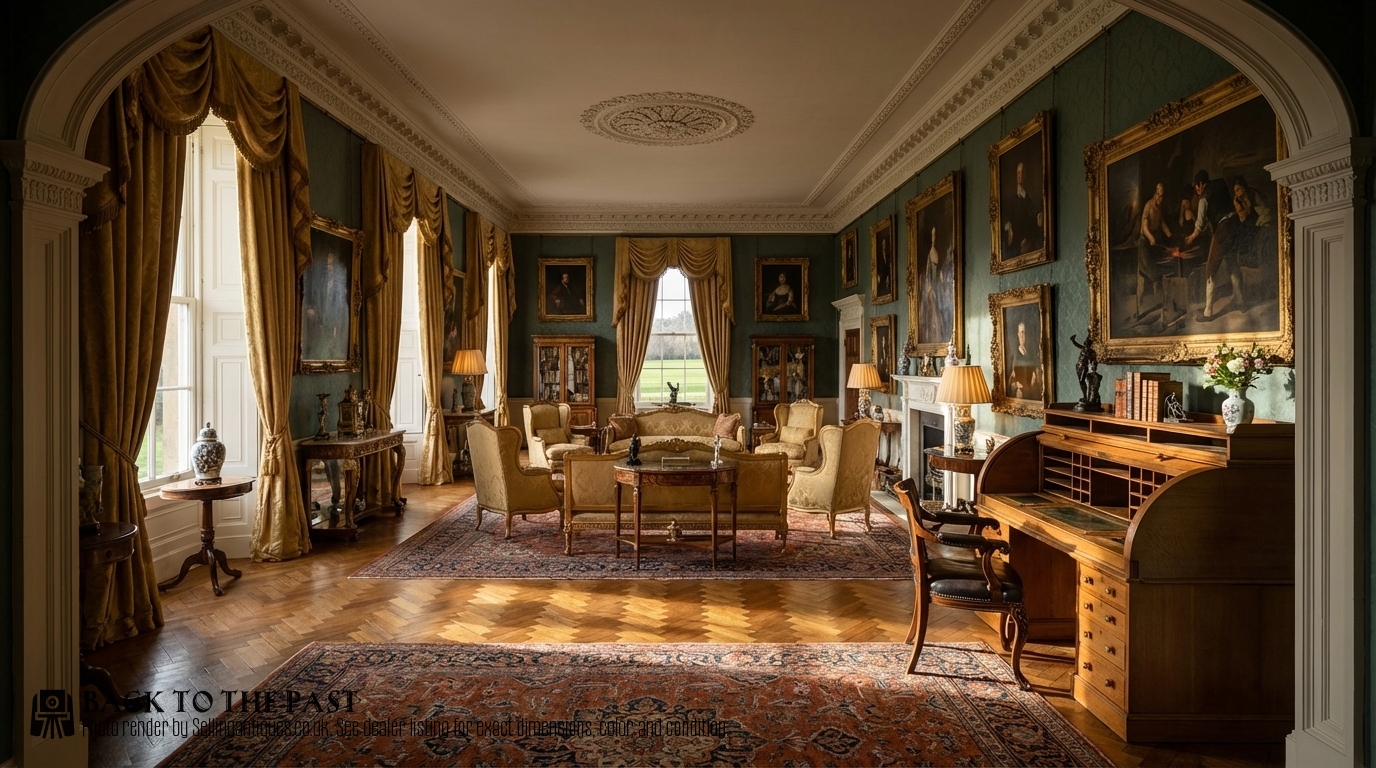
A golden oak desk brings warmth to a study through honey-toned timber and sturdy nineteenth or twentieth-century construction.
Golden Oak Desk
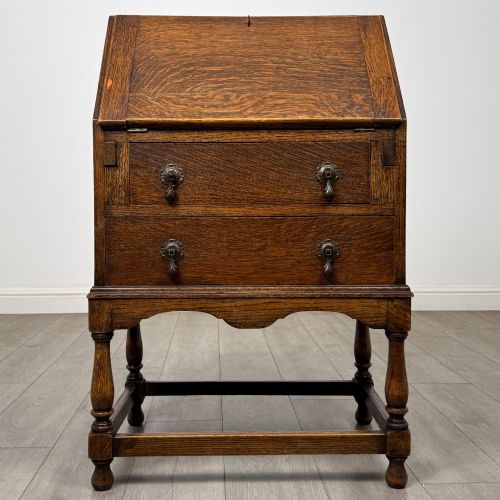
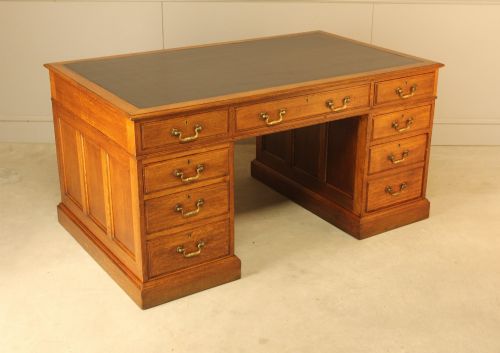
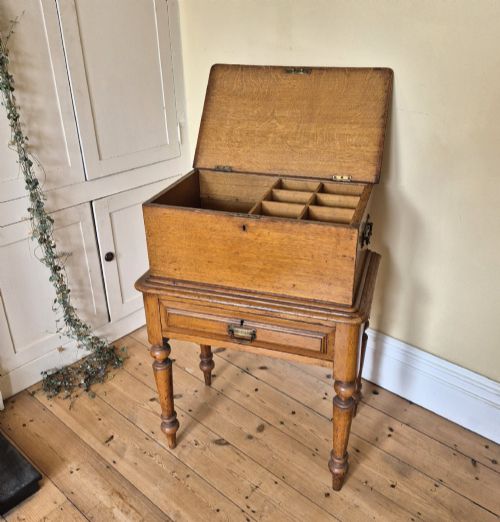
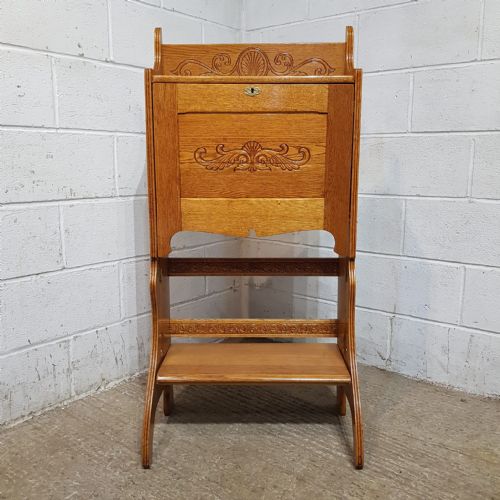
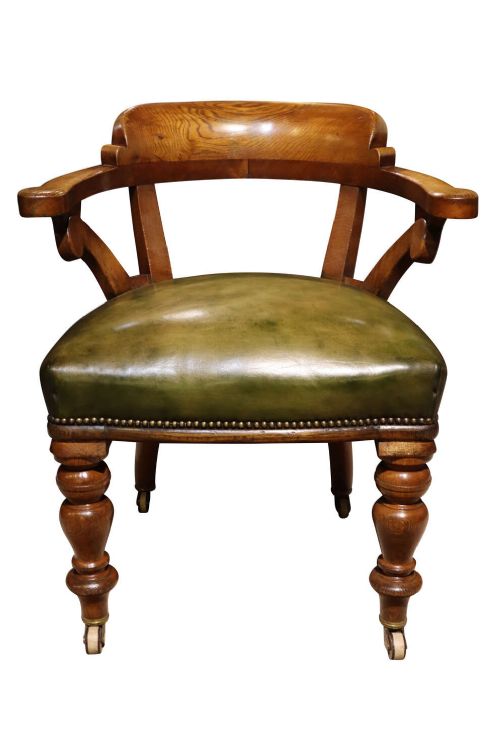
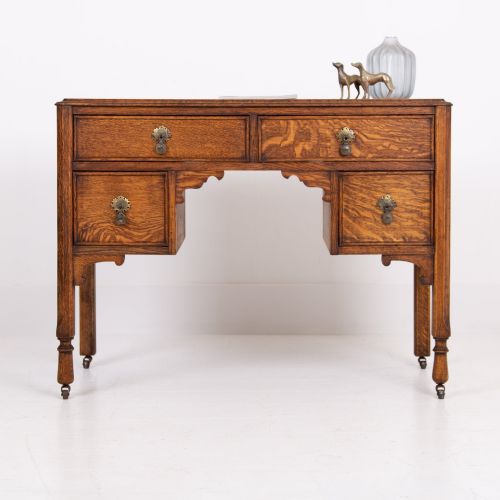
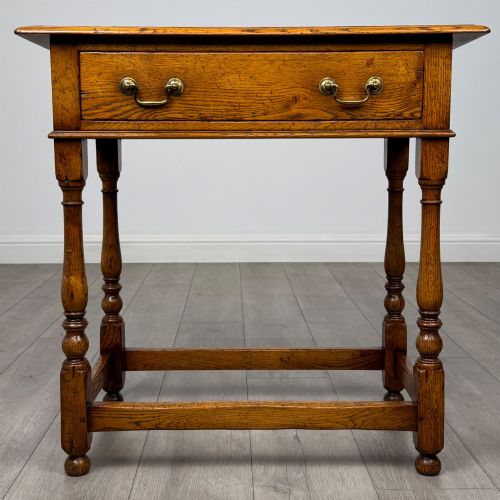
A golden oak desk encompasses various functional writing furniture pieces, from compact student bureaus to substantial twin pedestal partners desks. The phrase frequently leads to Edwardian roll top models and Victorian library tables featuring rich honey-coloured timber. Buyers often select these versions for home offices or studies requiring traditional character.
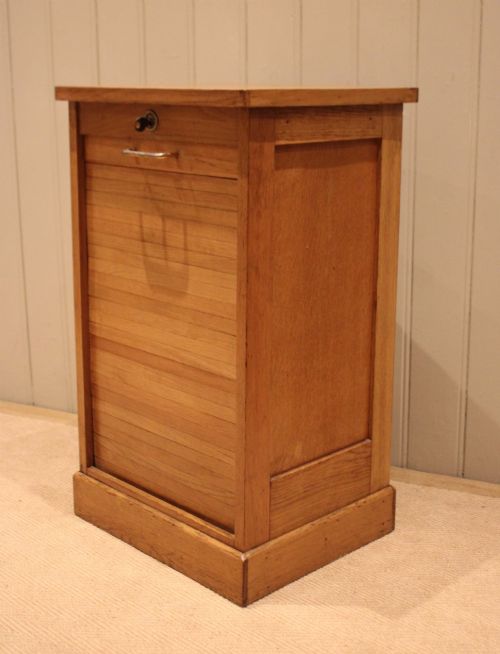
The material palette relies heavily on solid oak and pollard oak, complemented by brass hardware and tooled leather writing surfaces. Forms range from simple writing tables to complex tambour desks with fitted interior compartments. Many examples display the linear simplicity associated with Arts and Crafts design or the heavier proportions of the Victorian Gothic Revival.
Originating predominantly from British workshops across the nineteenth and early twentieth centuries, these items served administrative and domestic writing needs. Surviving examples demonstrate practical longevity through durable framing and functional drawer configurations. Today, they integrate utility with period aesthetics.
Materials and Construction
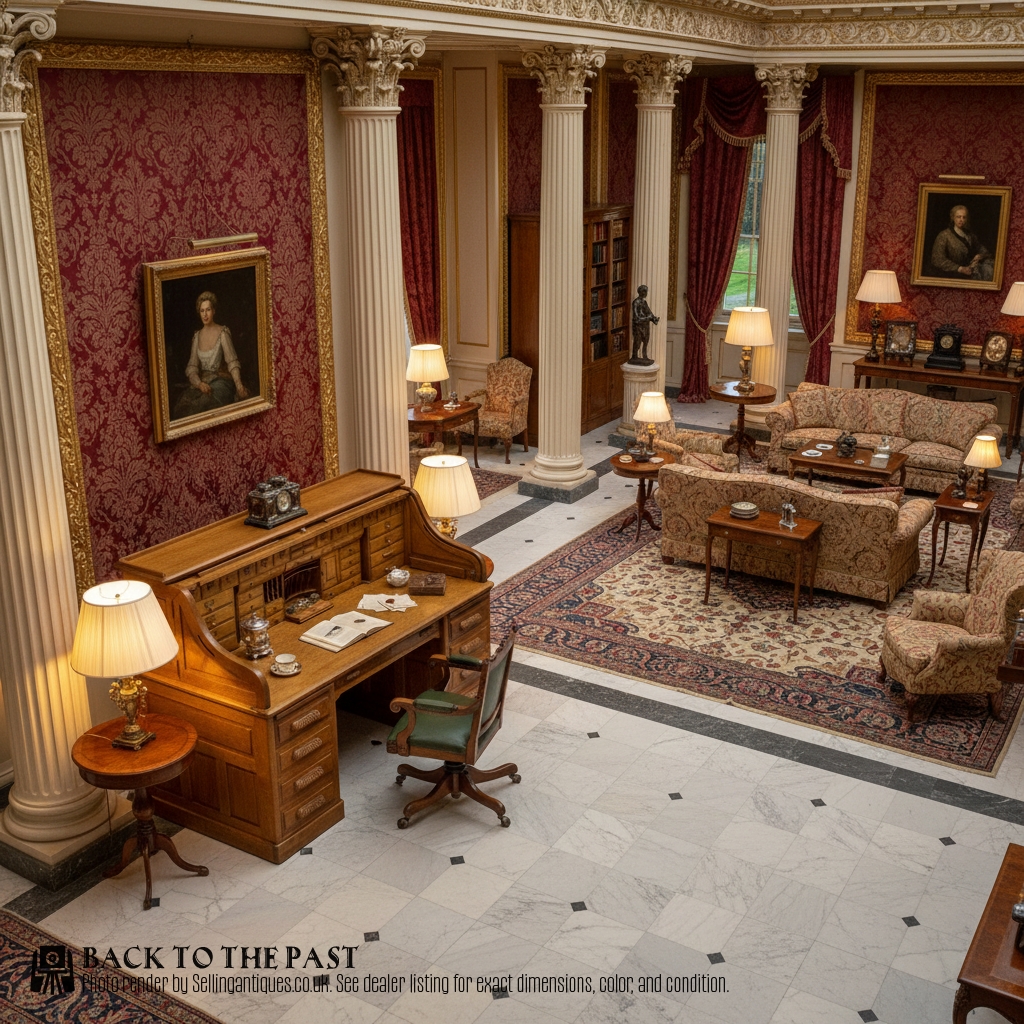
Makers utilised quartered and figured oak to accentuate the timber's natural grain pattern and warm colouration. Joinery techniques such as dovetailed drawers and panelled construction ensured structural stability for heavy daily use.
Secondary materials included brass handles, cast iron mechanisms, and inset leather writing panels finished with blind or gilt tooling. Tambour doors on roll top versions required precision-slotted wooden strips glued to flexible canvas backings.
Golden Oak Desk Retail Price Guide 2026
Typical asking prices for golden oak desk among the pieces listed under this phrase on Sellingantiques today, from the lower quarter to the upper quarter. They describe what is for sale here now, not the wider market.
Several desks arrive with original perpetual calendars, ensuring the daily date can still be advanced by hand.
Markers of Quality
Superior examples exhibit carefully selected timber with consistent grain and rich colour across all visible surfaces, whereas lesser pieces use mismatched planks. The quality of internal drawer linings and the precision of mechanical tambour tracks distinguish workshop standards.
Original hardware, including cast brass handles and functioning locks with matching keys, elevates an item's integrity. Refined carving and balanced proportions separate bespoke commissions from mass-produced commercial output.
Heal And Sons·Gillows·Davies Of Plymouth·Jenners·Carters Of London
The Golden Oak Desk Glossary
- Partners Desk
- A large double-sided desk designed for two people to work opposite one another, featuring drawers and cupboards on both faces. These pieces typically date from the Victorian period.
- Tambour
- A flexible shutter door constructed from narrow strips of wood attached to canvas, allowing roll top desks to slide open smoothly around a curve. This mechanism requires careful joinery.
- Pollard Oak
- Timber harvested from pollarded oak trees, displaying distinctive clustered knot formations and highly decorative figuring. Cabinet makers used this variety for high-status surfaces.
- Kneehole Desk
- A compact single-sided writing desk featuring a central recess for the user's legs, flanked by pedestals of drawers. They suit smaller study spaces.
- Crossbanding
- A decorative border technique where thin strips of veneer are laid perpendicular to the main grain of the furniture. This framing method defines Edwardian cabinet work.
Golden Oak Desk: Frequently Asked Questions
How do I care for the leather top?
Clean the leather surface gently using a damp cloth and apply a neutral furniture wax periodically to maintain suppleness.
Avoid placing hot cups or direct sunlight on the writing panel to prevent cracking and fading over time.
What is a tambour roll top?
A tambour uses narrow wooden slats mounted on flexible fabric to slide around a curved track, concealing the desk surface.
This mechanism allows the workspace to be locked securely without needing hinged lids.
How do I distinguish Edwardian from Victorian pieces?
Victorian desks generally display heavier proportions, darker finishes, and more elaborate carving or Gothic Revival influences.
Edwardian examples favour lighter golden tones, simpler Arts and Crafts lines, and more restrained ornamentation.
Were partners desks used in homes?
Partners desks originally served in banks, legal offices, and grand estate libraries where two clerks or professionals needed simultaneous access.
Today, homeowners utilise them as freestanding centrepieces in large studies.