

Warm Brown Writing Desk
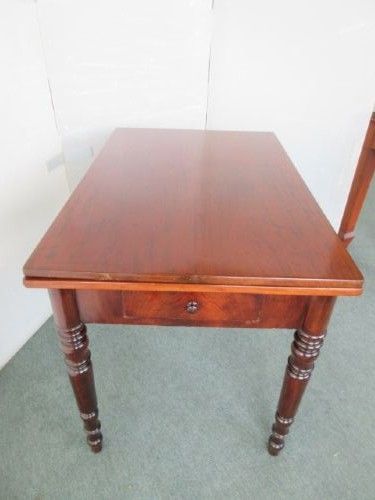
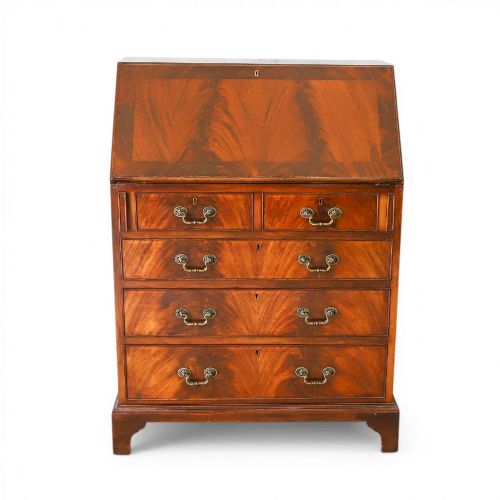
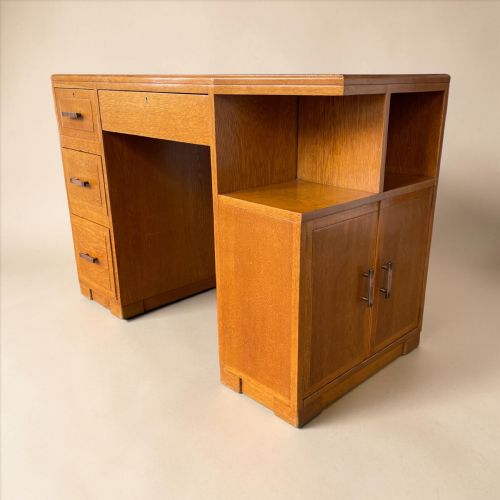
A warm brown writing desk is a practical workspace built in timber that brings depth and historic character to a room.
Warm Brown Writing Desk
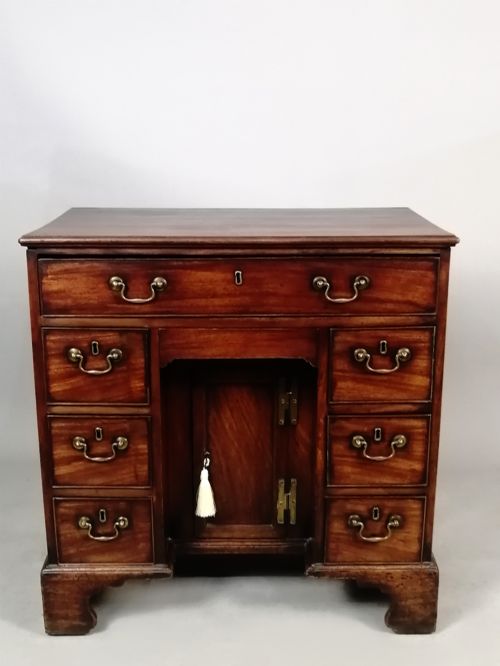
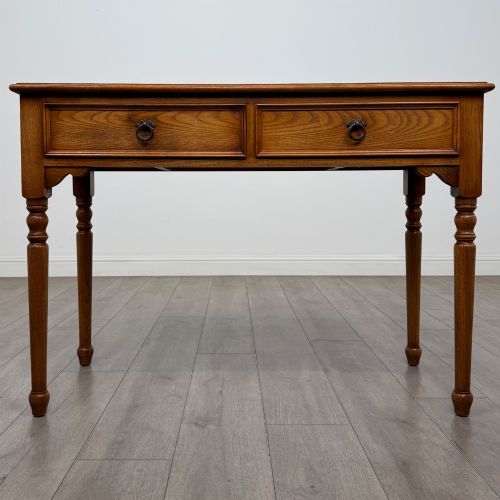
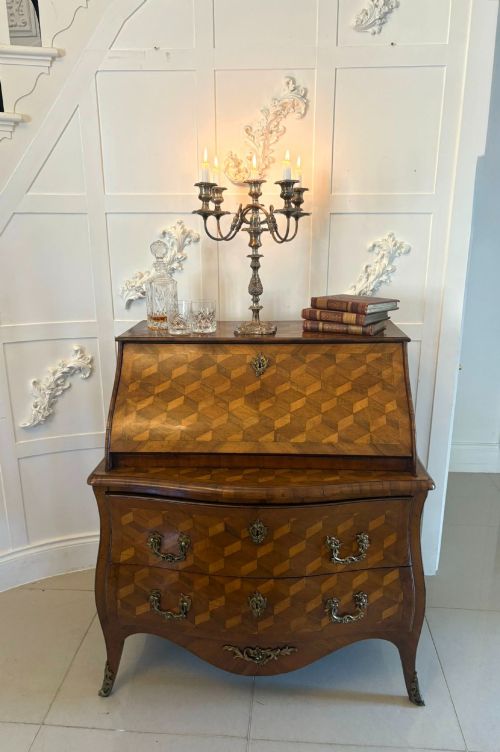
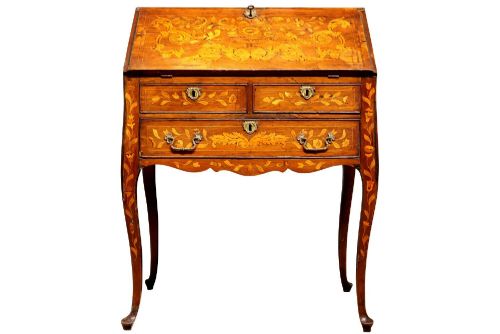
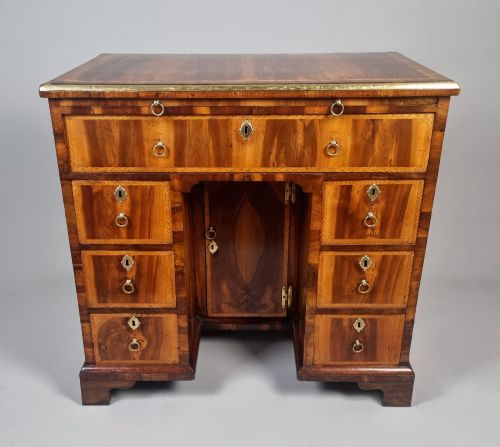
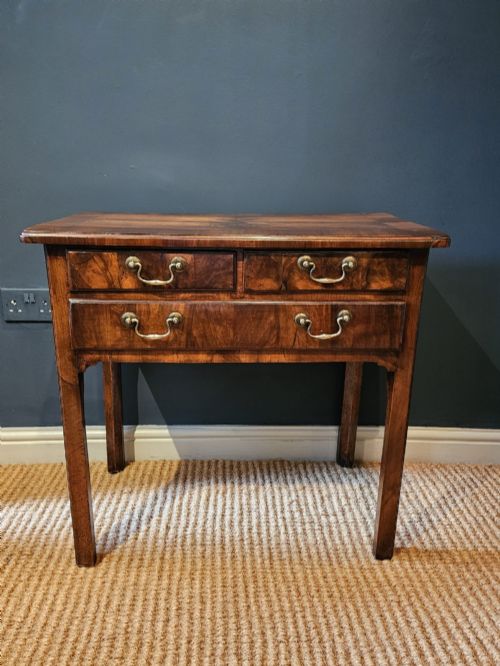
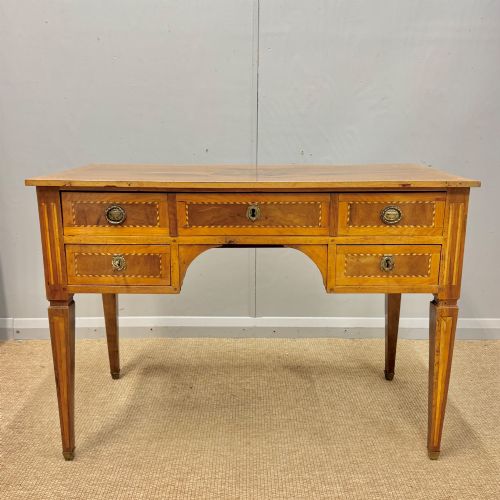
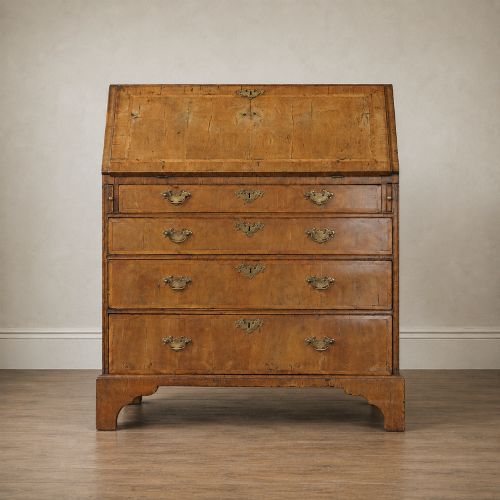
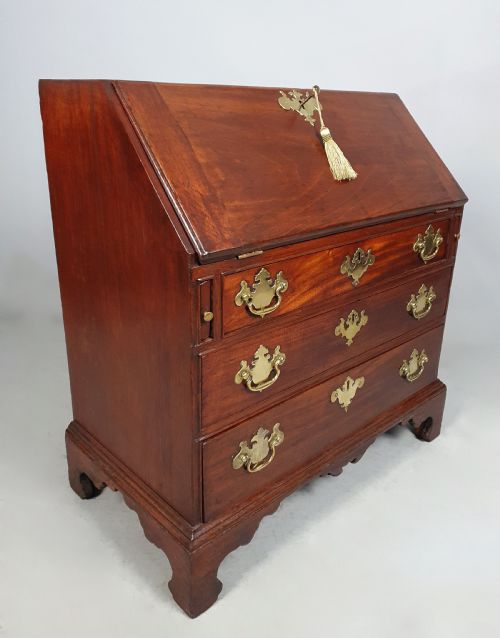
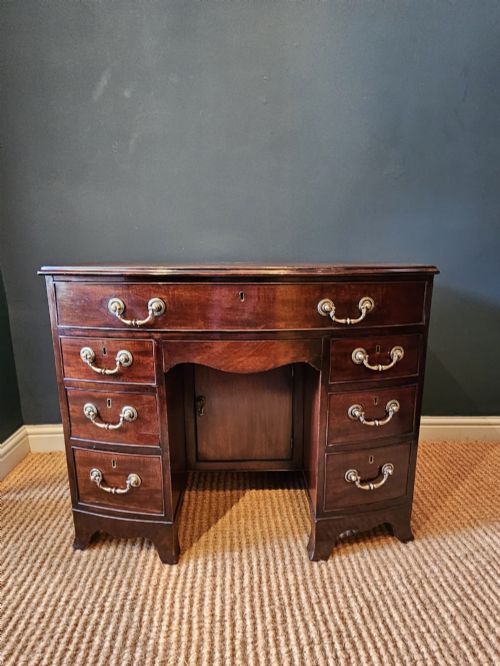
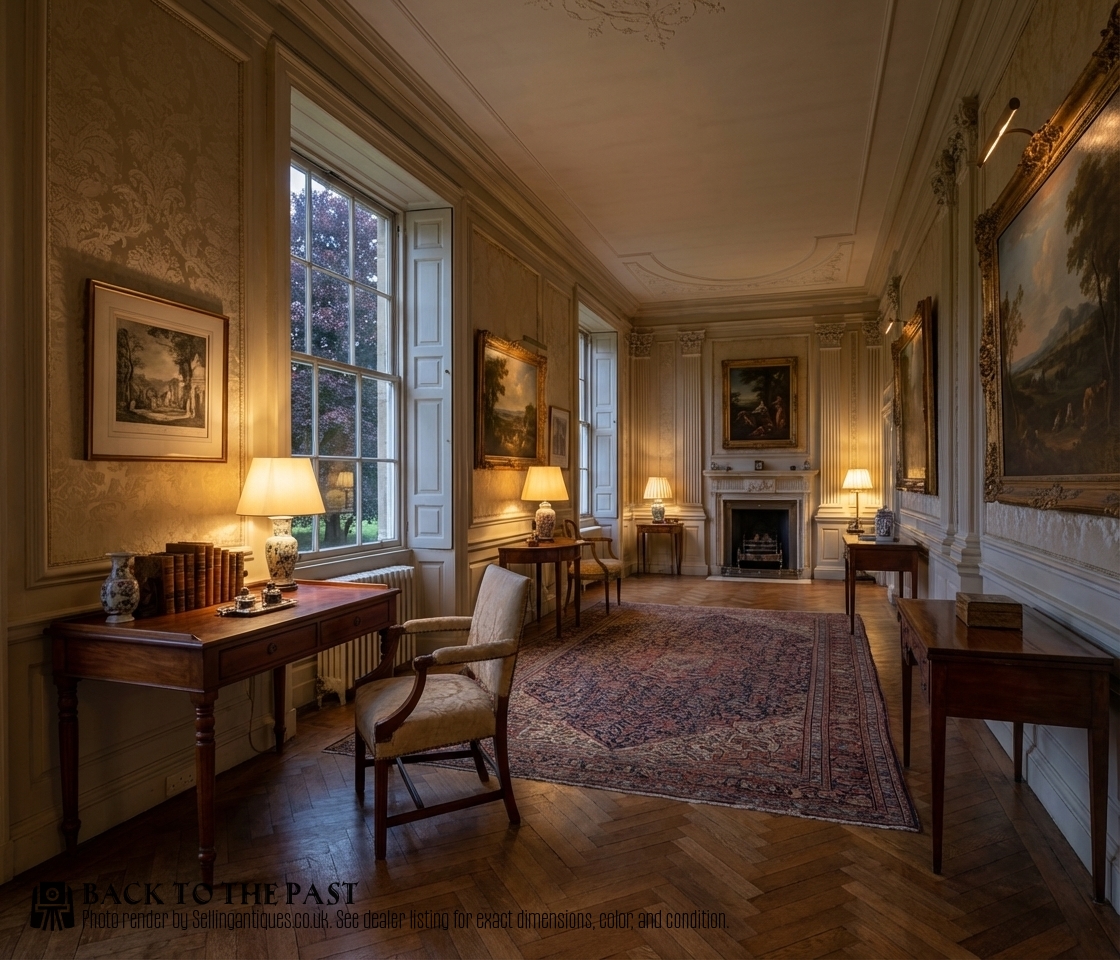
A warm brown writing desk encompasses various historic forms designed for correspondence and study, including bureaus, kneehole desks, and pedestal tables. These pieces span periods from the eighteenth century through the Edwardian era, showing influences ranging from Georgian craftsmanship to French provincial design.
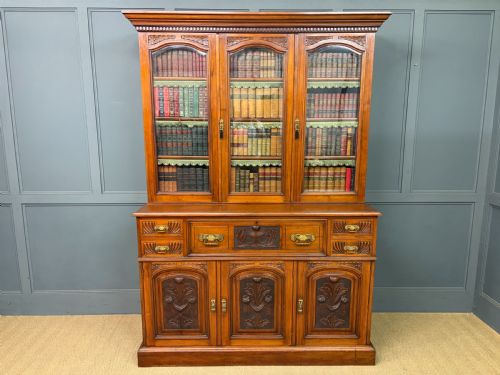
The selection frequently includes oak, walnut, and mahogany examples alongside fruitwood and camphor wood pieces. Buyers encounter compact lowboys and large secretaire bookcases alike, reflecting the diverse domestic needs of past centuries.
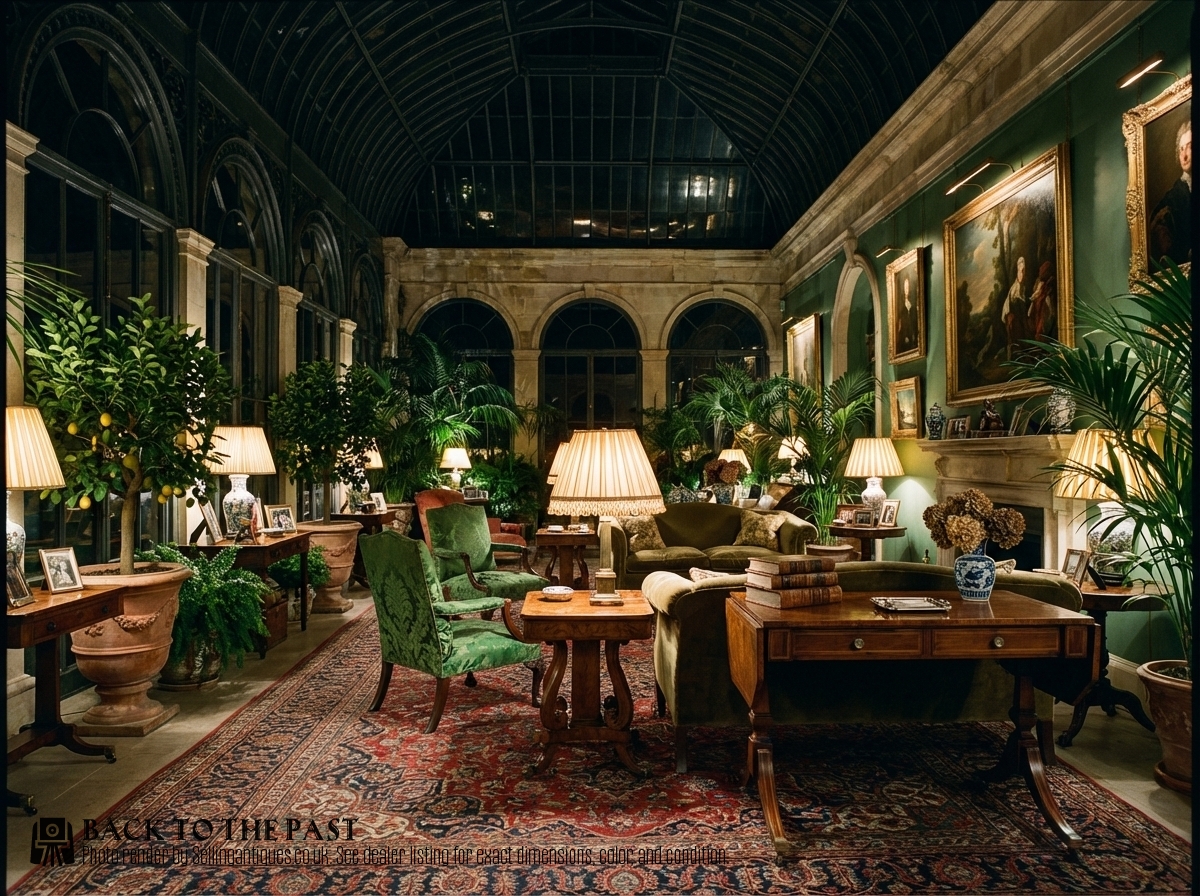
Materials and Technique
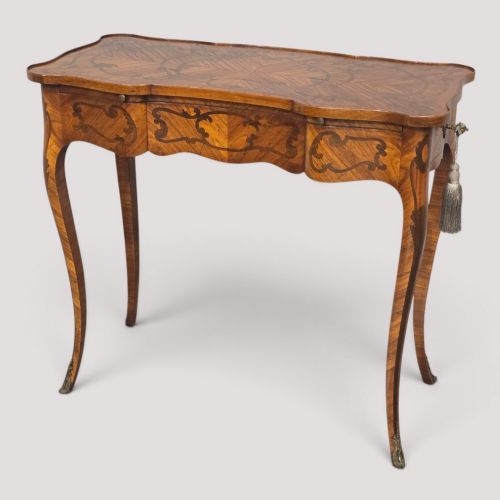
Cabinetmakers utilised dense native and imported timbers, employing solid mahogany, walnut, and oak for structural integrity. Decorative surfaces often feature intricate marquetry and parquetry, using contrasting woods to create geometric or floral patterns.
Hardware typically consists of cast brass handles and escutcheons that complement the dark tones of the wood. Drawer construction relies on traditional joinery techniques such as dovetails, ensuring durability through generations of daily use.
Warm Brown Writing Desk Retail Price Guide 2026
Typical asking prices for warm brown writing desk among the pieces listed under this phrase on Sellingantiques today, from the lower quarter to the upper quarter. They describe what is for sale here now, not the wider market.
One recorded domestic scene captures Mary Brance writing diligently at her desk in the early nineteenth century.
Judging Quality
The distinction between tiers of craftsmanship lies in the selection of timber and the precision of the cabinetwork. Grain pattern figures in burr walnut or flame mahogany elevate an ordinary form into something exceptional.
Original brasses and untouched surface patination contribute significantly to the standing of a piece. Finer examples retain their structural honesty and proportion without excessive restoration or altered veneers.
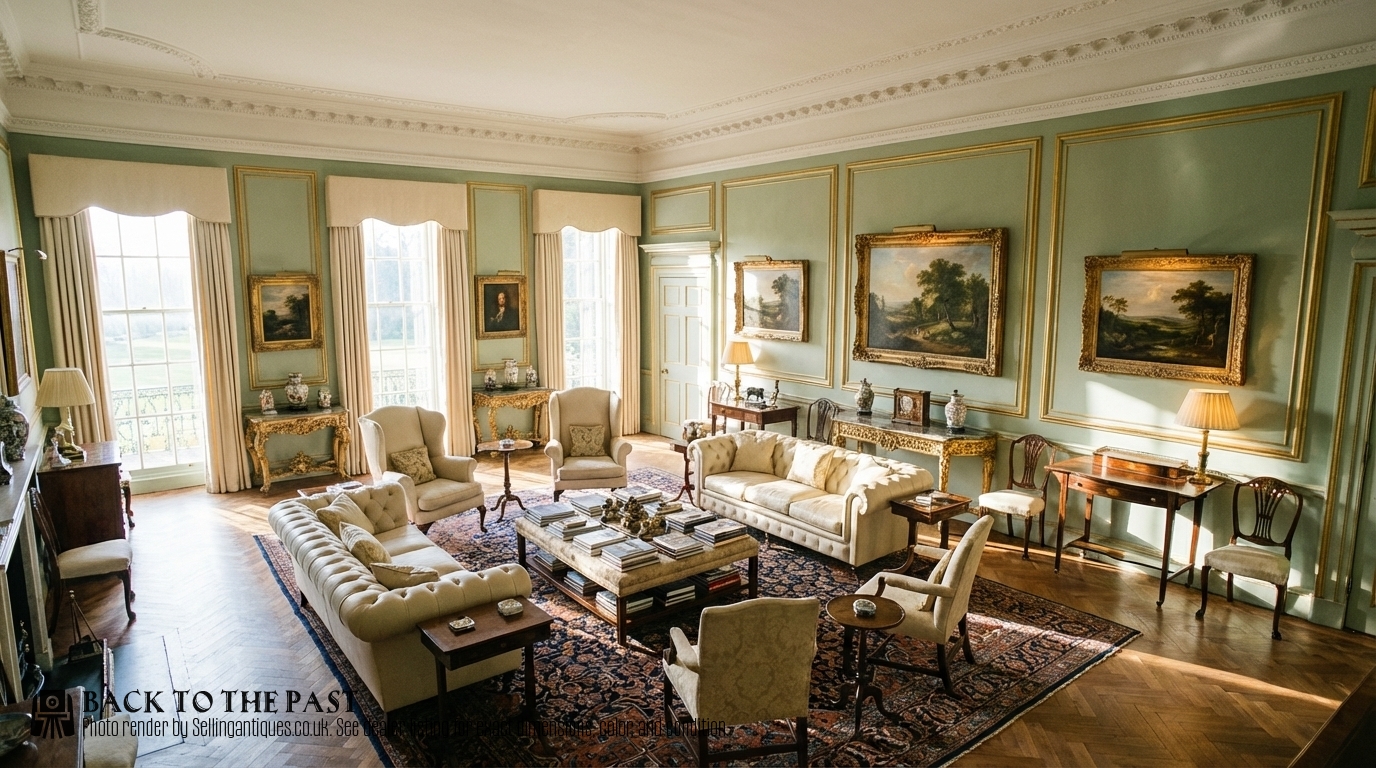
Maple and Co
The Warm Brown Writing Desk Glossary
- Bureau
- A sloping desk with a hinged flap that opens to reveal pigeonholes and small drawers. It often sits atop a chest of drawers.
- Lowboy
- A small table with drawers, commonly used as a dressing table or writing desk in the eighteenth century. They typically stand on cabriole or straight legs.
- Secretaire
- A piece of furniture containing a pull-down writing drawer fitted with a writing surface and small compartments. These appear in chests, bookcases, and military campaign furniture.
- Marquetry
- Decorative veneer work forming pictorial or geometric patterns using various coloured woods. Craftsmen cut thin slices of timber to fit precisely into a designated ground.
- Kneehole desk
- A compact desk featuring a central recess for the sitter's legs, flanked by pedestals of small drawers. This form became popular during the walnut period of the early eighteenth century.
Warm Brown Writing Desk: Frequently Asked Questions
How do I identify a Georgian desk?
Georgian desks display proportions and timber choices characteristic of the eighteenth century, frequently utilising walnut, oak, or mahogany. They often feature hand-cut dovetails and traditional bracket feet or cabriole legs.
Examine the secondary woods inside the drawers, such as oak or pine, which match the expected regional practices of the period. Good examples maintain original brass hardware and a deep, unblemished patina built up over centuries.
What is a military secretaire chest?
A military secretaire chest is a campaign piece designed for transport, featuring a fitted writing drawer that drops down. These items were built in sections with recessed brass handles to withstand travel.
They appear in sturdy timbers like camphor wood or mahogany to resist harsh climates. The internal arrangement provides secure storage for documents and writing materials.
Where should I place a writing desk?
A writing desk benefits from natural light near a window, positioned either facing outwards or with the user's back to the light. Freestanding versions look particularly striking placed toward the centre of a study or living room.
Ensure there is adequate clearance for a chair and sufficient space to pull out drawers or drop down a bureau flap. Pair the piece with a comfortable seat that complements its period and timber tone.
How do I maintain wood finishes?
Maintain the timber by applying traditional beeswax periodically to nourish the grain and protect the surface. Avoid placing wooden furniture near direct heat sources or in strong sunlight, which causes fading and drying.
Dust regularly with a soft, dry cloth rather than using modern chemical sprays. This preserves the historic patina and prevents buildup on antique finishes.