
Antique Cabinet Desk
An antique cabinet desk unites storage and writing space, offering a practical workspace wrapped in period craftsmanship.
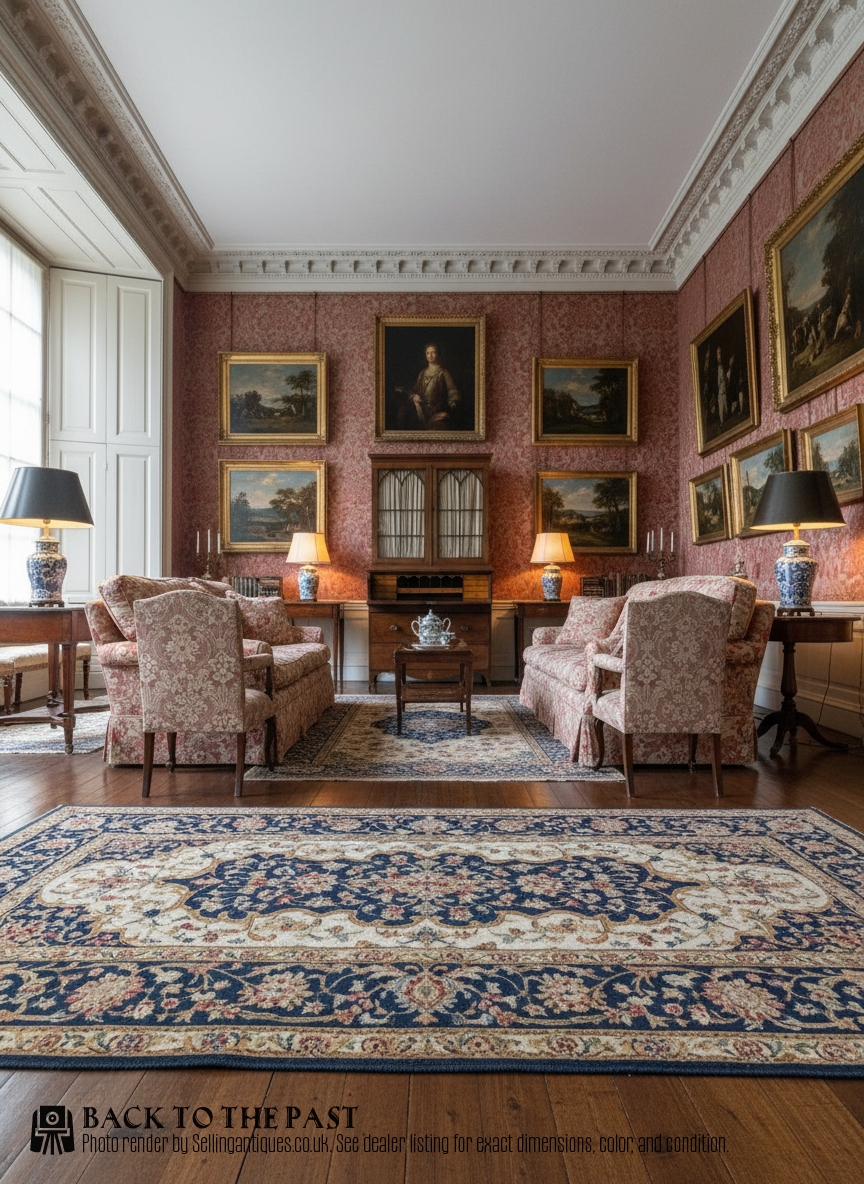
Forms and Origins
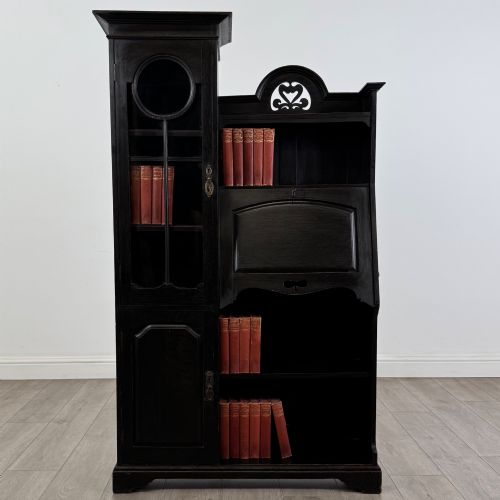
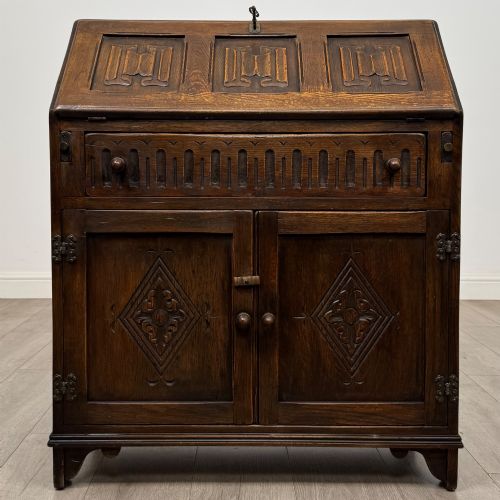
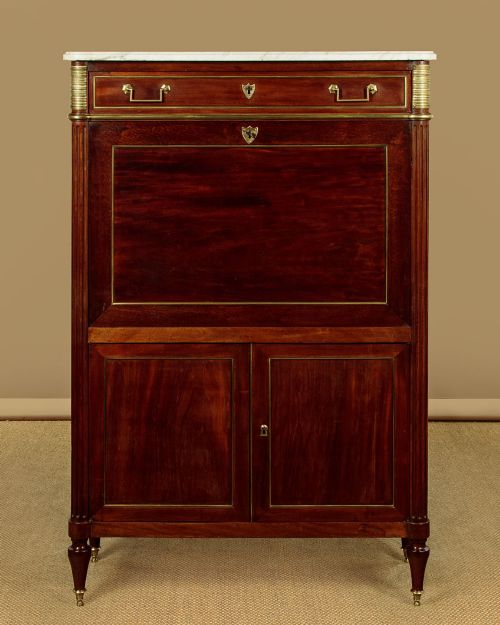
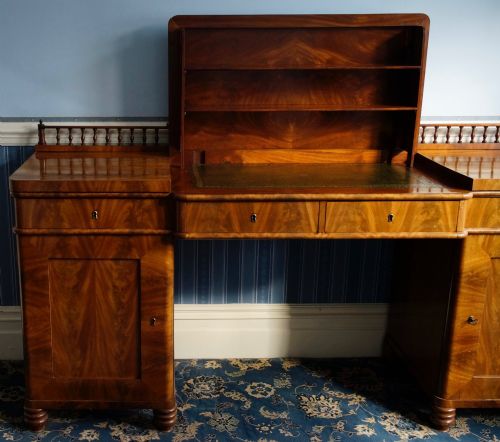
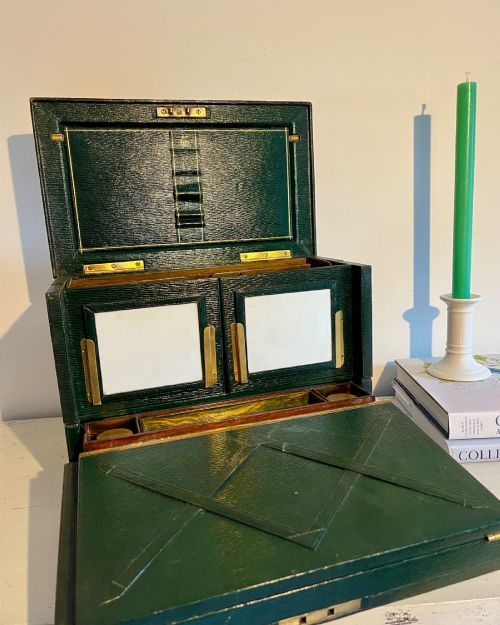
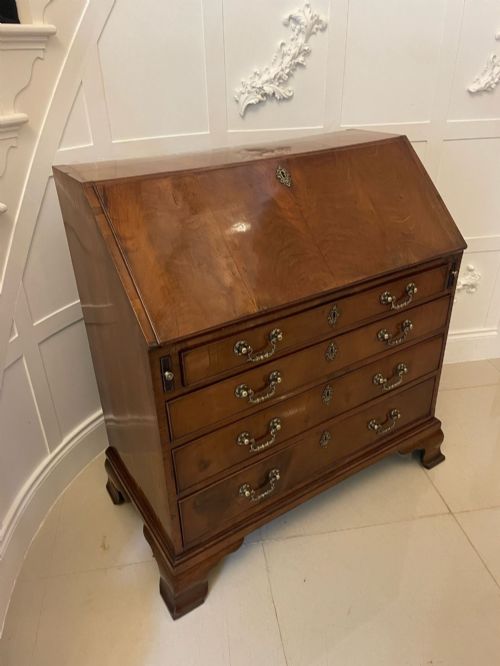
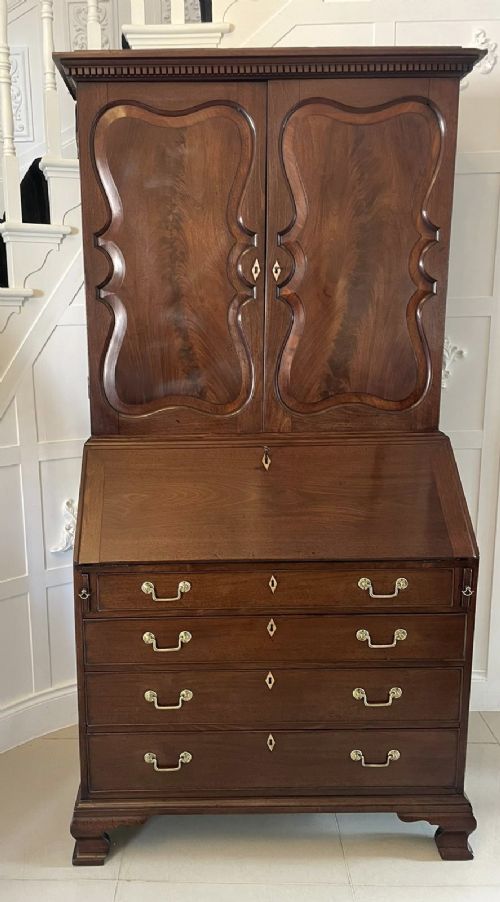
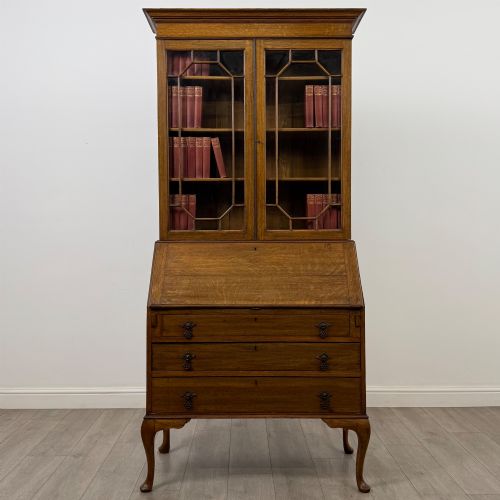
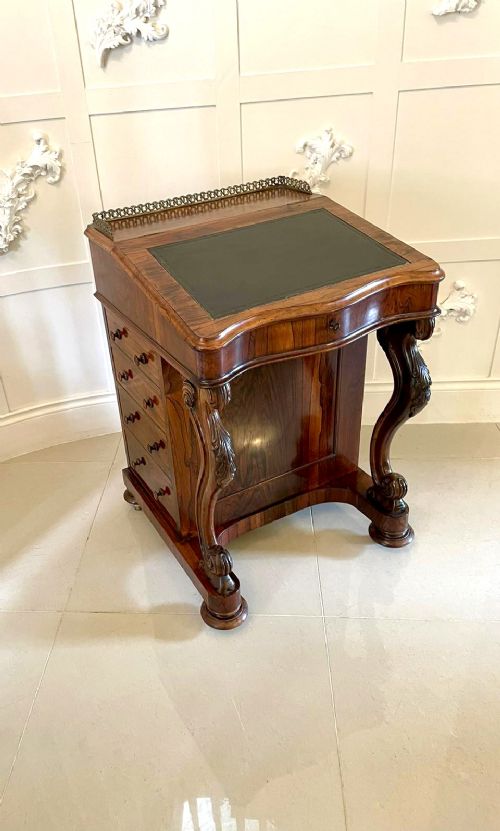
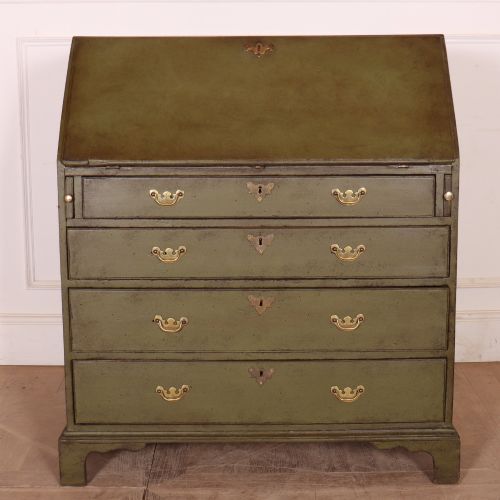
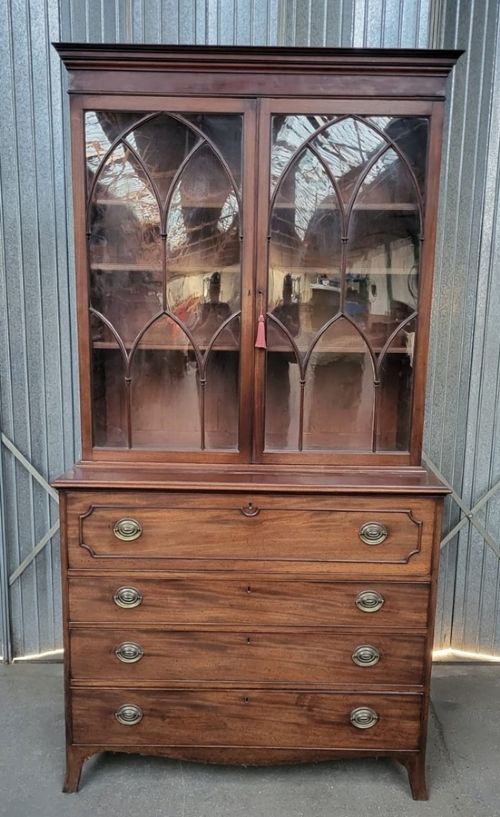
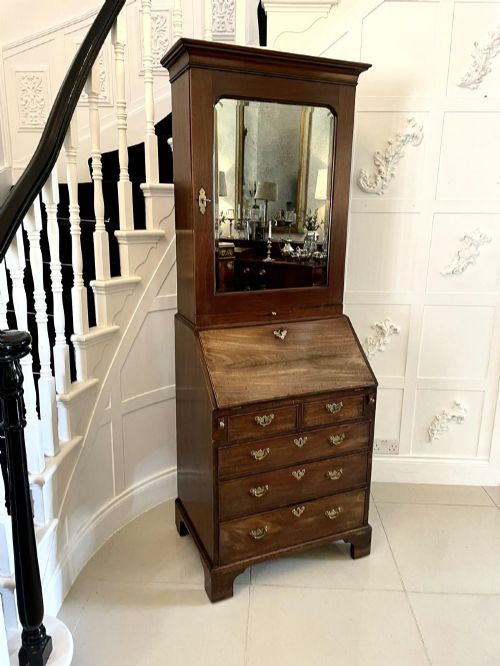
An antique cabinet desk appears in several distinct architectural forms, combining enclosed storage with a dedicated writing surface. The selection spans tall bureau bookcases, desktop stationery boxes, and refined French bonheur du jour tables.
The pieces originating from the eighteenth and nineteenth centuries utilise established British and continental workshops. Georgian and Victorian examples dominate, pairing timber cabinetry with functional drop-front desks or integrated compartments.
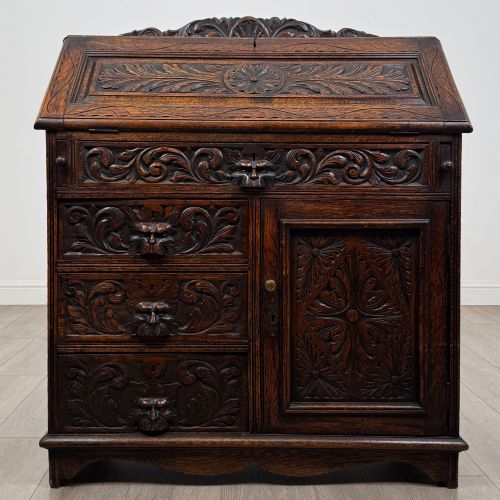
Tall secretaire bookcases and compact desktop writing cabinets form the backbone of these listings. Each variety provides a structured solution for correspondence and display, adapting traditional case furniture for domestic study spaces.

Materials and Technique
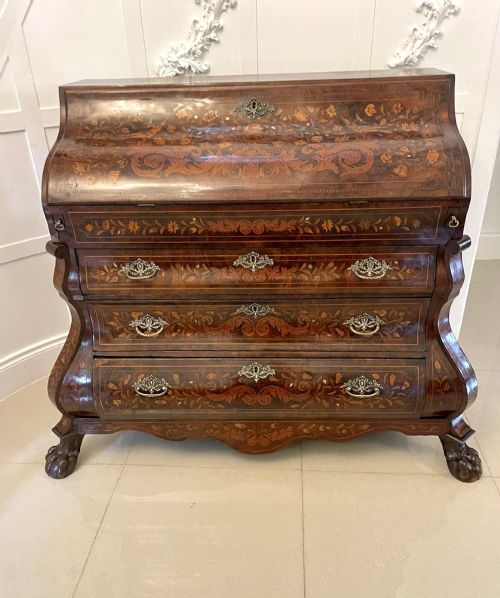
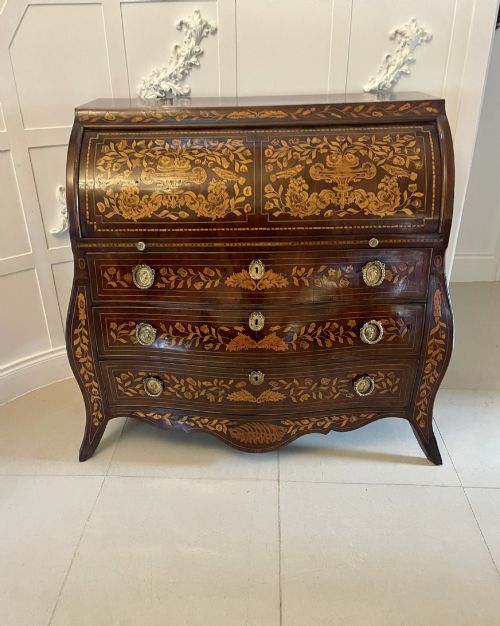
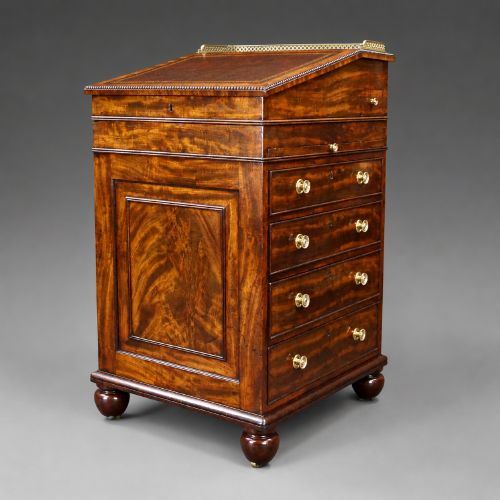
Cabinetmakers constructed these pieces using solid timbers alongside decorative wood veneers. Mahogany, walnut, satinwood, oak, and kingwood supply the primary surfaces, frequently accented by contrasting crossbanding and marquetry inlay.
Joinery methods rely on traditional cabinet construction, supporting fall-front writing slopes, tambour shutters, and cylinder mechanisms. Leather inset panels often line the pull-out or drop-front writing surfaces.
Retail Price Guide 2026
Typical UK retail prices for cabinet desk, calculated from the Sellingantiques database of over a million retail prices indexed since 2003. This retail price guide relies exclusively on Sellingantiques data; no external sources or auction records are used, so the figures do not describe the wider market.
Materials recorded across the archive include brass, glass, mahogany, satinwood, walnut, kingwood, oak, and gilt bronze.
Judging Quality
Quality rests upon the selection of timber veneers and the precision of the underlying cabinetwork. Finer examples display carefully matched grain patterns and harmonious proportions across large cabinet facades.
Internal arrangement dictates the sophistication of a piece, separating standard utilitarian desks from exceptional library furniture. Superior execution reveals itself in well-organised pigeonholes, concealed compartments, and smooth mechanical action in cylinder or tambour fronts.
The Antique Cabinet Desk Glossary
- Secretaire bookcase
- A tall case piece featuring an upper shelving section enclosed by glass doors above a fitted writing drawer or drop-front desk. This dual-purpose furniture maximises vertical storage space in a study.
- Bonheur du jour
- A light lady writing desk originating in France, typically equipped with small drawers and a tiered superstructure above the main writing surface. These delicate tables served for casual correspondence in private parlours.
- Cylinder bureau
- A desk featuring a rolling semi-cylindrical wooden shutter that conceals an internal writing slide and pigeonholes. The mechanism rolls back smoothly to reveal the fitted interior.
- Marquetry
- The decorative art of applying pieces of veneer to a structure to form ornamental patterns and pictures. Craftsmen utilise diverse woods to create contrasting geometric or floral motifs.
- Crossbanding
- A narrow strip of veneer applied around the border of a panel with the grain running perpendicular to the centre. This technique frames the primary wood grain for decorative emphasis.
Frequently Asked Questions
What is an antique cabinet desk?
An antique cabinet desk is a piece of case furniture that combines enclosed storage, such as cupboards, drawers, or bookcases, with a dedicated writing surface. These dual-purpose items served domestic and estate administration.
They evolved in various forms from tall Georgian bookcases to compact Victorian desktop stationery boxes and refined French writing tables.
How were these desks used historically?
These desks provided a secure, organised space for household correspondence, account keeping, and the storage of writing implements and stationery. Tall variants held library volumes alongside writing equipment.
Smaller desktop cabinets sat upon larger tables to keep writing paper and calendars close to hand in studies and drawing rooms.
How do I care for wood veneer?
Preserving antique wood veneer requires maintaining stable room humidity and avoiding direct placement near heat sources or strong sunlight. These precautions prevent timber shrinkage and veneer lifting.
Dust the surfaces gently with a dry cloth and apply occasional specialist wax polish to nourish the timber without building up heavy residue.
How do I distinguish Georgian from Victorian pieces?
Georgian cabinet desks, dating from the eighteenth and early nineteenth centuries, generally favour restrained classical proportions and architectural cornices. They frequently showcase solid mahogany or walnut construction.
Victorian examples from the later nineteenth century often display more eclectic revival styles, darker walnut finishes, burr wood veneers, and elaborate marquetry inlay.