
Antique Painted Vanity
An antique painted vanity brings together delicate brushwork and functional furniture, offering surface charm alongside period craft.
Antique Painted Vanity
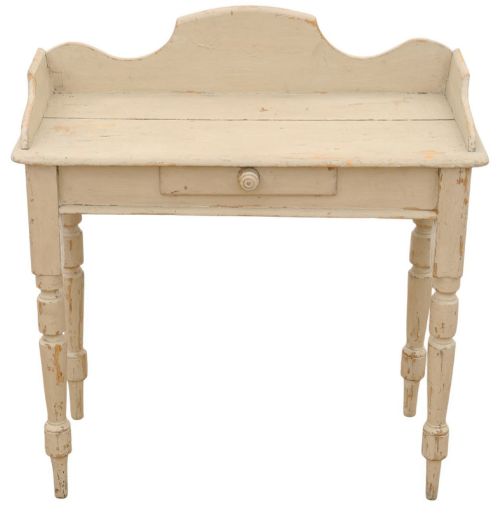
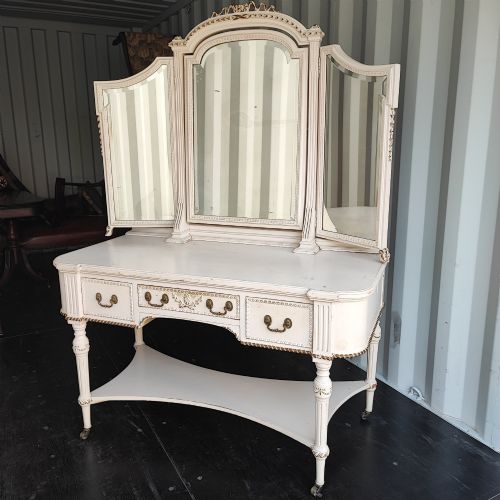
When searching for an antique painted vanity, collectors encounter dressing tables, mirrors, and small receptacles spanning the eighteenth century through to the art deco era. These pieces incorporate decorative finishes upon wood, glass, and metal, reflecting domestic routines of past centuries.
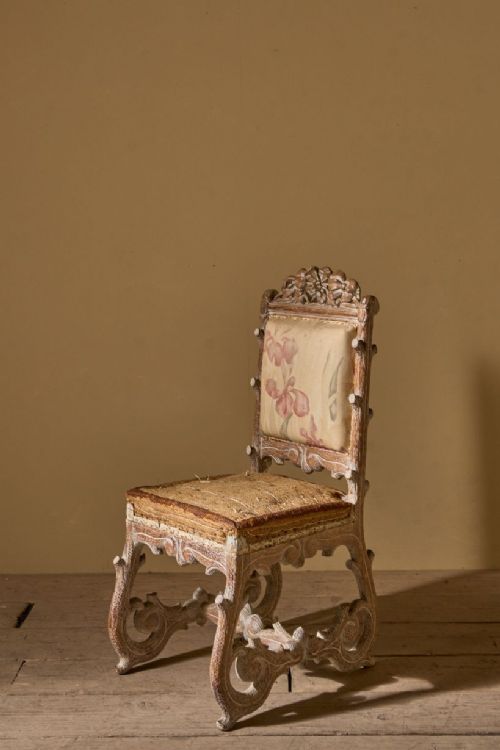
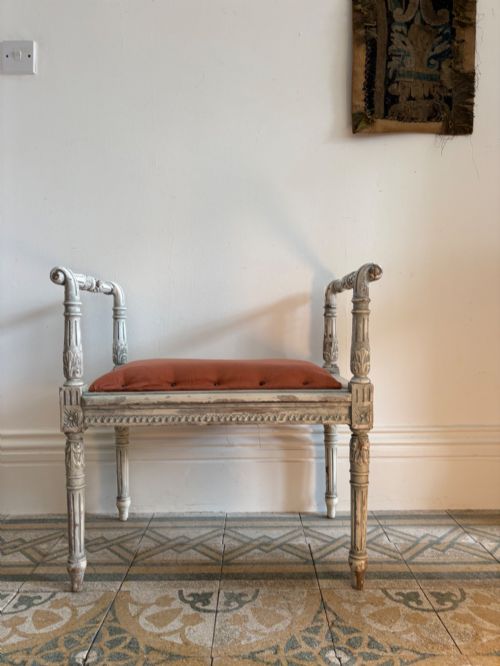
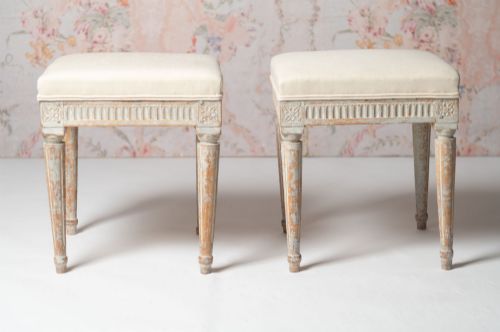
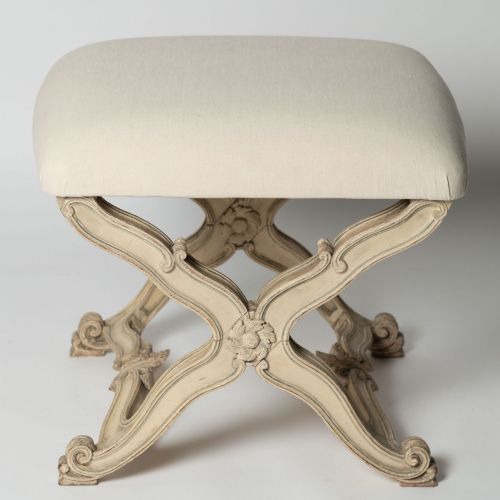
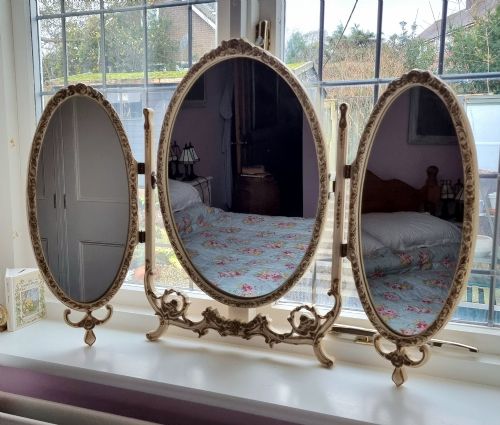
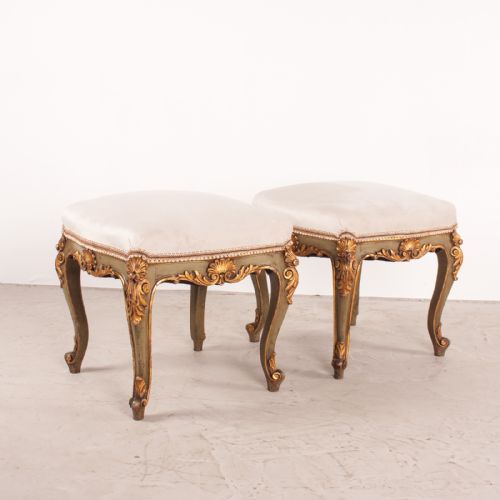
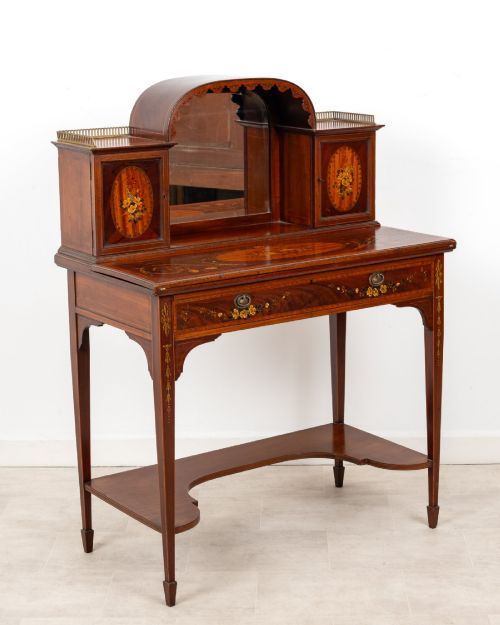
The selection ranges from neoclassical Swedish stools and French rococo revival tables to Edwardian satinwood desks with mirrored superstructures. Such variety shows how dressing and grooming furniture adapted to changing tastes across different European workshops.
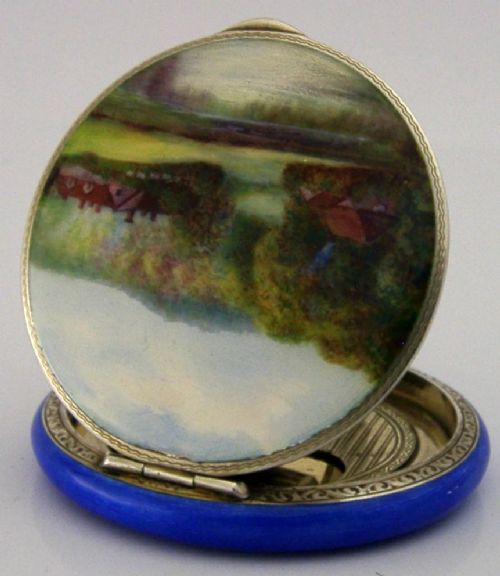
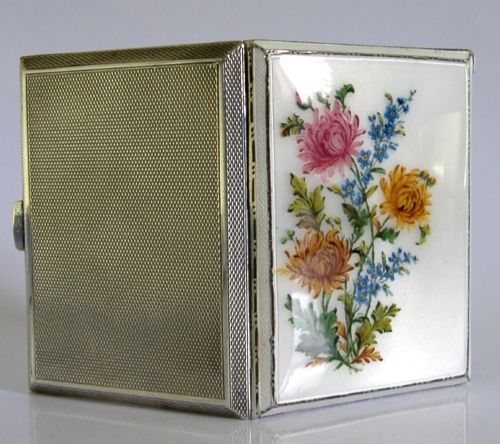
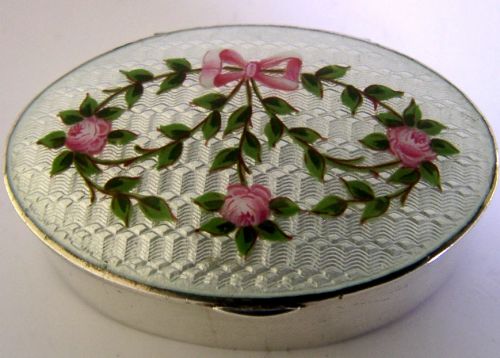
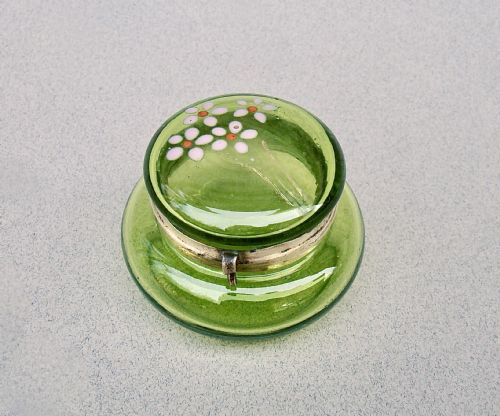
Smaller vanity accessories also appear frequently, including sterling silver enamel powder compacts, trinket boxes, and porcelain jars. These portable items share the same hand-painted surface focus as the larger furniture forms.
How They Were Made
Wood serves as the primary structural body for tables and chairs, utilising timber varieties like mahogany, pine, and satinwood beneath decorative schemes. Artisans applied layers of paint, gesso, and gold leaf to achieve smooth or textured colour grounds.
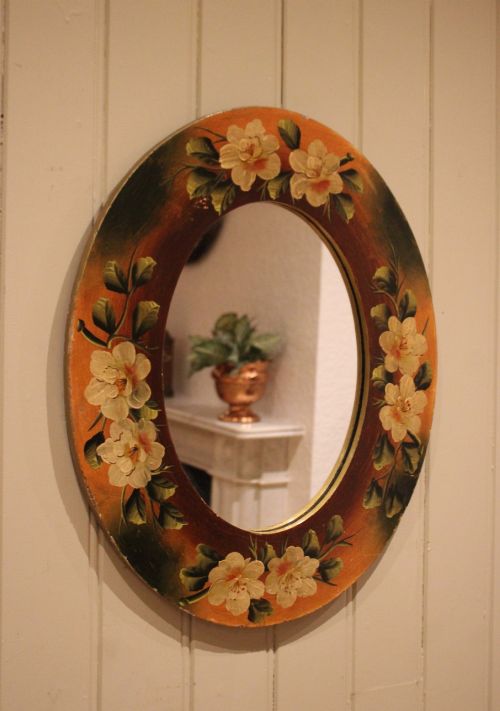
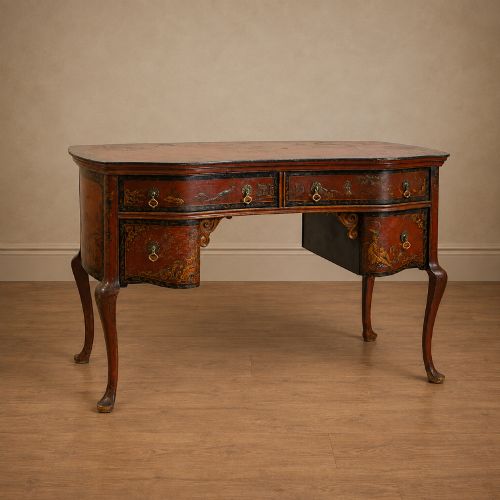
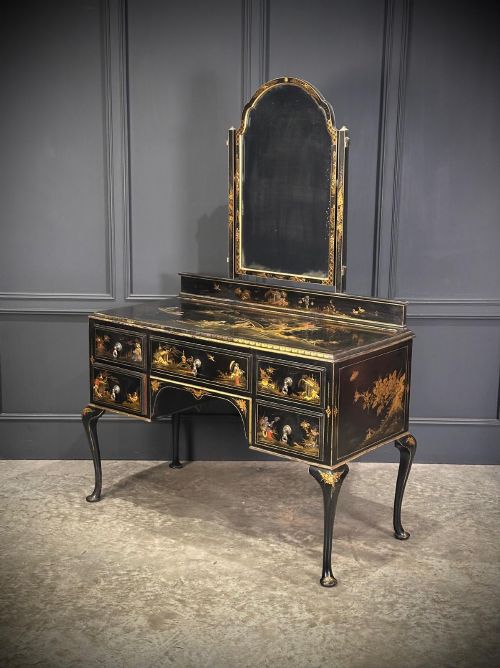
Surface decoration relied on detailed hand-painting, often featuring floral motifs, pastoral scenes, or Chinoiserie lacquer work. Glass and enamel components were shaped and kiln-fired before receiving delicate miniature brushwork by specialist decorators.
What Varies in Quality
The standard of an antique painted vanity rests largely on the fidelity and preservation of its surface art. Crisp, original brushwork without heavy later overpainting separates finer atelier pieces from simpler provincial items.
Construction details also dictate distinction, seen in the choice of base timbers, the refinement of carved gesso mouldings, and the integration of bevelled mirror glass or sterling silver mounts.
Maples of London and Paris·Jacob Petit·James Giles·Giuliano Spinelli·Wemyss
The Antique Painted Vanity Glossary
- Gesso
- A plaster mixture applied to wood surfaces to prepare them for painting or gilding. This ground layer allows for crisp moulded relief work.
- Chinoiserie
- European theatrical interpretations of Chinese artistic motifs, popular in lacquer work and furniture decoration. Artisans used this style to depict imaginary landscapes and figures.
- Gustavian
- The Swedish neoclassical style characterised by restrained carved details and pale painted finishes. This aesthetic emerged during the late eighteenth century.
- Satinwood
- A durable tropical timber with a lustrous yellowish grain, often used in fine Edwardian inlay and writing furniture. It provides a bright surface for painted decoration.
- Cheval mirror
- A full-length mirror hung in a frame that allows it to tilt. These freestanding pieces became popular dressing room fixtures in the nineteenth century.
Antique Painted Vanity: Frequently Asked Questions
How do I date a painted dressing table?
Dating relies on structural joinery, wood types, and the prevailing decorative style visible on the piece. Regency, Victorian, and Edwardian items each employ distinct moulding profiles and hardware.
Paint analysis and secondary timbers like pine or mahogany also help place a piece within its correct nineteenth or early twentieth-century period.
Are painted vanity mirrors original?
Many dressing tables retain their original glass and matching frames, though silvering degradation can occur over time. Examining the backboards and fixings reveals whether a mirror belongs to the table structure.
Replacement glass is common in pieces that survived active daily use in historical bedrooms.
What is Gustavian furniture?
Gustavian pieces originate from Sweden and reflect a lighter, brighter interpretation of French neoclassical design. They typically feature soft grey, white, or cream painted surfaces.
Simple fluting and restrained carved details define this regional aesthetic, making them popular for understated interiors.
How should I care for antique painted surfaces?
Painted and gilded antiques require protection from direct sunlight and excessive humidity to prevent paint flaking or wood movement. Dusting should be done gently with a dry, soft cloth.
Avoid liquid cleaners or abrasive polishes that might damage delicate hand-painted motifs or historic lacquer.