

French Style Vanity
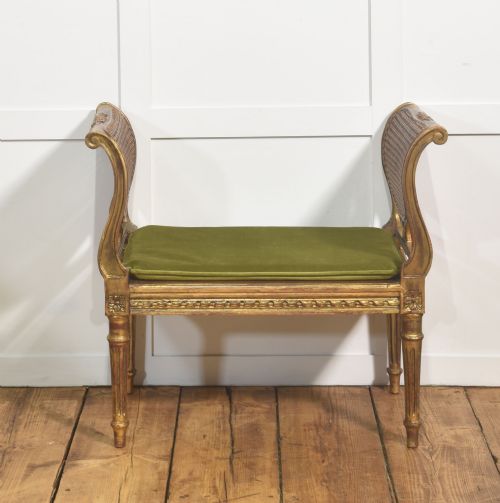
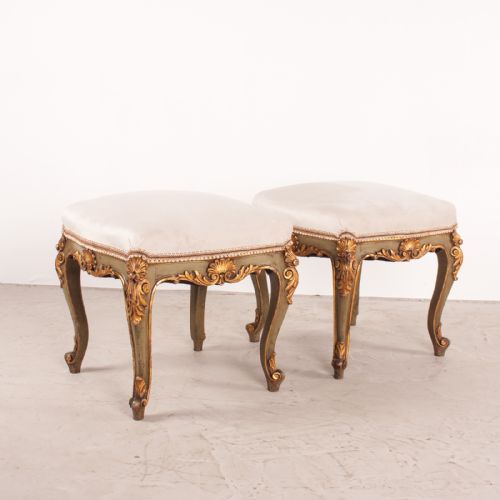
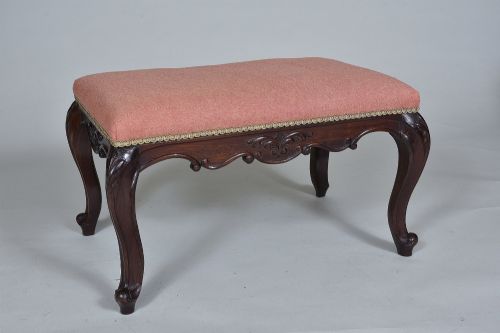
These pieces for french style vanity bring continental elegance to dressing spaces through carved wood, gilt frames, and upholstered seating.
French Style Vanity
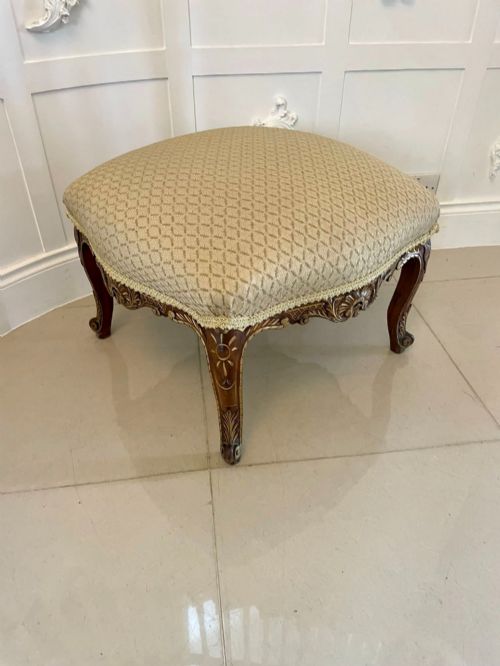
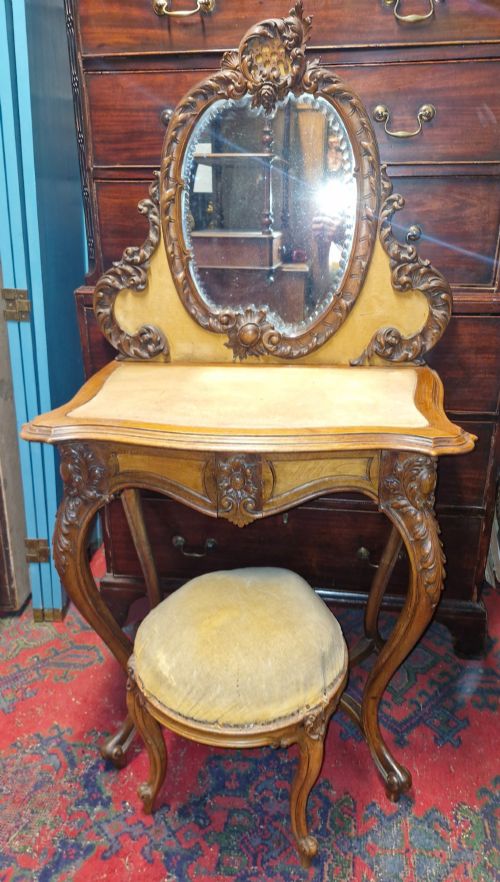
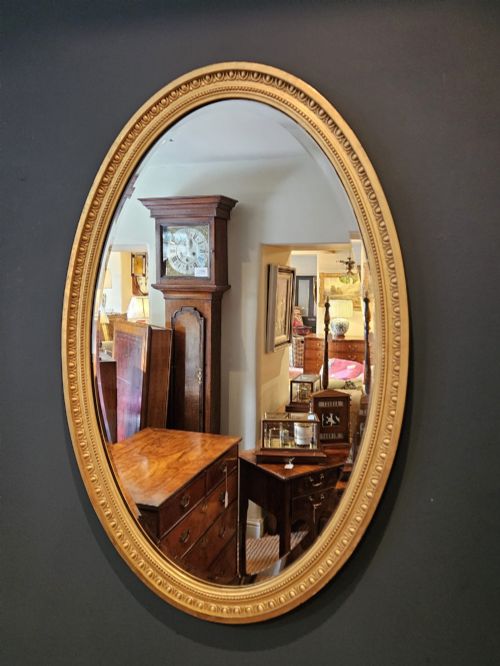
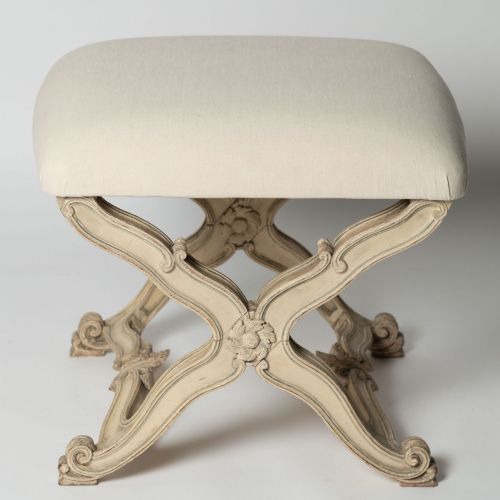
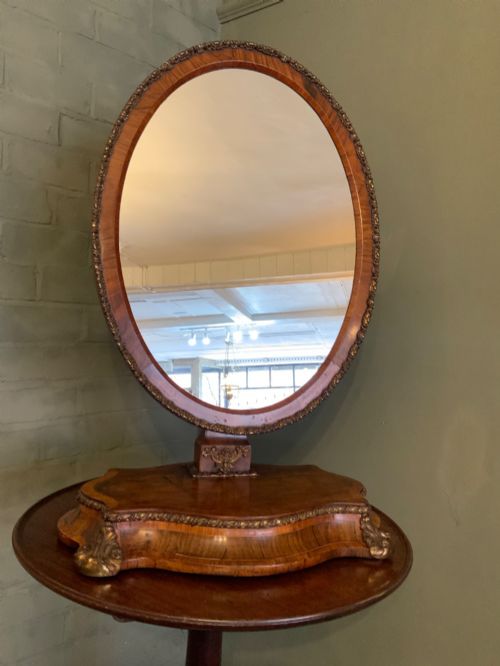
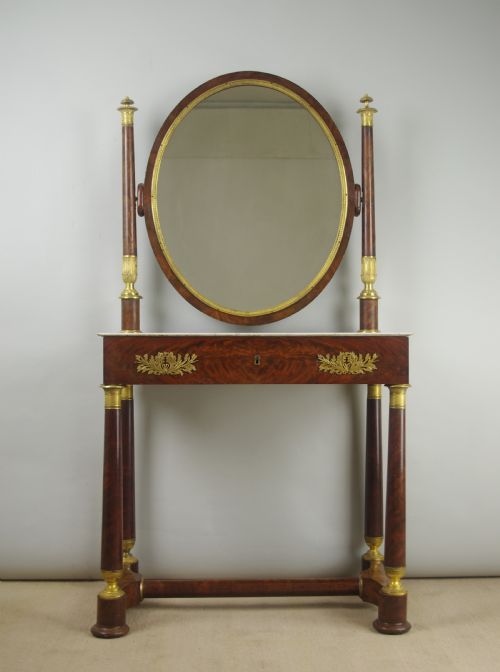
When searching for a french style vanity, buyers encounter dressing tables, wall and toilet mirrors, and matching stools originating primarily from the nineteenth century and the early twentieth century. The selection ranges from mahogany and walnut dressing tables to giltwood mirrors and various forms of seating designed for dressing rooms.
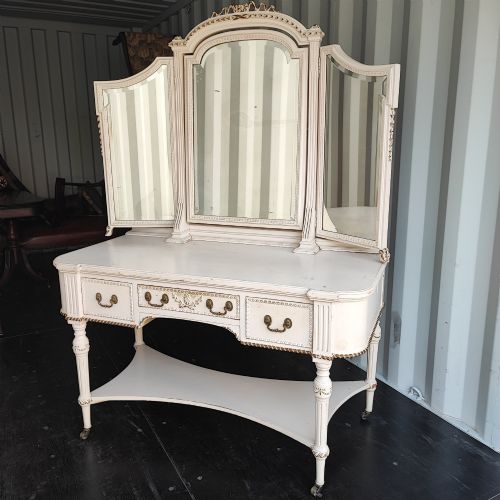
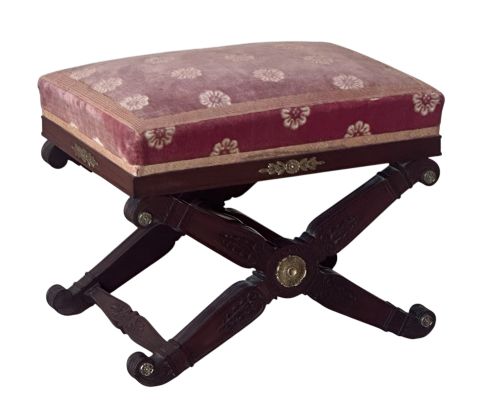
The most common forms on this page include carved walnut and mahogany dressing tables, often paired with matching stools or equipped with adjustable mirrors. Alongside these pieces appear French Empire and Rococo revival items, utilising decorative woodwork and traditional silhouettes to achieve a cohesive dressing area.
Materials and Construction
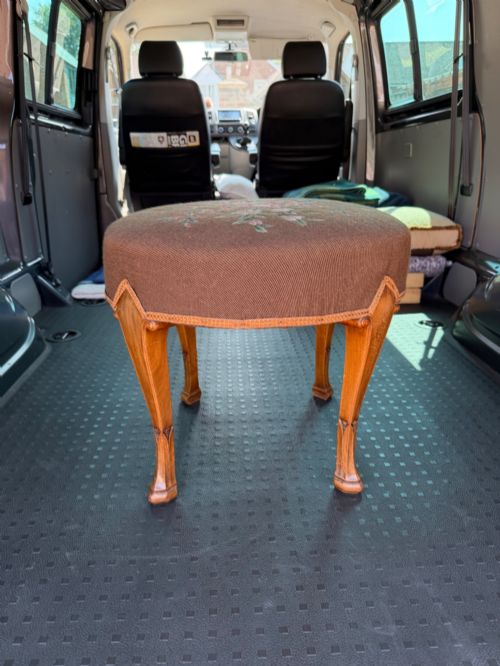
Cabinet makers utilised dense hardwoods such as mahogany, walnut, and oak, often shaping them with curved cabriole legs or framing them with gesso and giltwood. Ormolu mounts, brass hardware, and painted finishes provide decorative detail across both tables and seating.
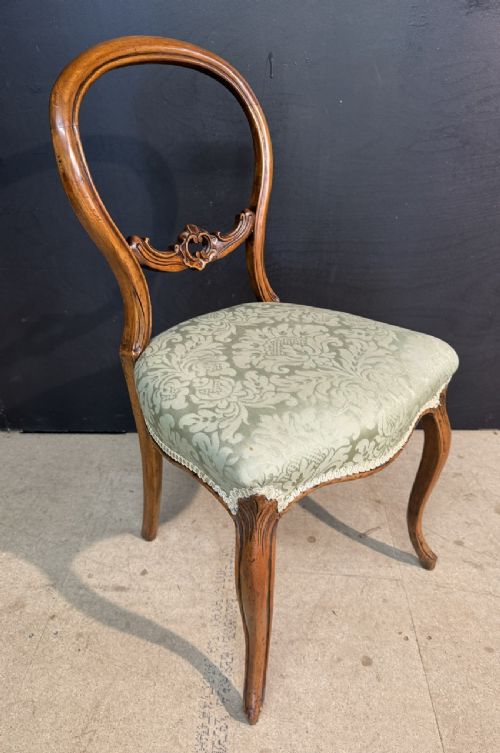
Mirrors employ bevelled glass fitted into carved wood or brass frames, while seating incorporates traditional upholstery techniques using fabric, silk panels, and fringe trim. Construction relies on pegged joints and hand carving, reflecting the prevailing nineteenth-century workshop practices.
A porcelain scent bottle waits on the dressing table, holding the quiet traces of a fragrance distilled two centuries ago.
What Separates the Best from the Rest
Quality rests in the crispness of the hand carving on walnut and giltwood frames, and the integration of cast bronze or ormolu mounts. Superior examples display refined proportions, cohesive decorative schemes, and well-preserved original finishes rather than heavy restoration.
The distinction also lies in the execution of secondary elements, such as bevelled mirror glass, tight joinery in drawers, and the quality of the textile panels or upholstery used on associated stools and chairs.
Maples of London and Paris·Loidrault Freres Paris
The French Style Vanity Glossary
- Cabriole leg
- A furniture leg that curves outward at the knee and tapers inward toward the ankle, typical of Rococo revival pieces. This design mimics animal limbs and appears frequently on dressing chairs and stools.
- Ormolu
- Gilded bronze mounts applied to furniture for decorative effect. These metallic accents catch the light and define the corners of drawers and mirror frames.
- Giltwood
- Wood that has been coated with a thin layer of gold leaf or gesso and paint. It provides a bright, reflective surface characteristic of French decorative styles.
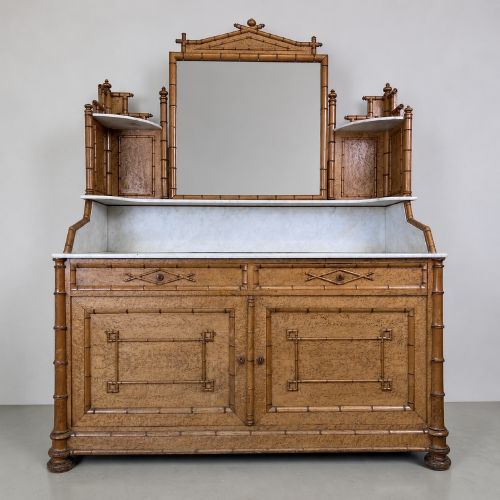
- Faux-bamboo
- Wood turned and painted to resemble natural bamboo stalks. This technique reflects nineteenth-century taste for exotic and botanical motifs on dressing cabinets and washstands.
- Toilet mirror
- A smaller tabletop mirror designed to sit atop a dressing table or chest. These often feature pivoting frames supported by shaped uprights.
French Style Vanity: Frequently Asked Questions
How do I match a vanity to an existing room?
Select pieces sharing similar wood tones, such as walnut or mahogany, or coordinate the giltwood frames with existing metallic accents in the room. Pairing a carved dressing table with a complementary stool creates a unified focal point.
Consider the scale of the mirror and table relative to the wall space to maintain balance within the bedroom or dressing area.
What is the difference between a dressing table and a washstand?
Dressing tables are built for personal grooming and cosmetic storage, frequently incorporating mirrors, small drawers, and padded stools. Washstands are designed for personal hygiene with marble or wooden tops intended to hold basins and ewers.
While some nineteenth-century examples share similar cabinetry forms, their interior fittings and top surfaces distinguish their original functions.
How should I care for giltwood and ormolu mounts?
Dust giltwood frames gently with a soft, dry brush to avoid disturbing the delicate gold leaf or gesso surface. Avoid liquid cleaners and harsh chemicals that can strip the finish.
Ormolu mounts can be wiped carefully with a soft cloth to remove dust while preserving their metallic patina.
Are these mirrors original to the tables?
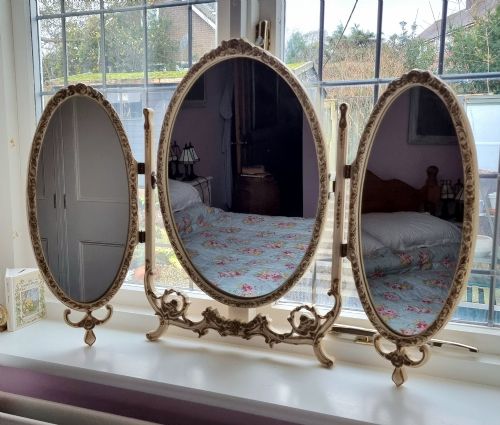
Many nineteenth-century dressing tables retain their original pivoting or triple mirrors, often secured by matching brass brackets. Some pieces accommodate mirrors that were paired at a later date based on style and wood type.
Examining the fit of the mirror frame against the table base helps indicate whether the components have remained together over time.