


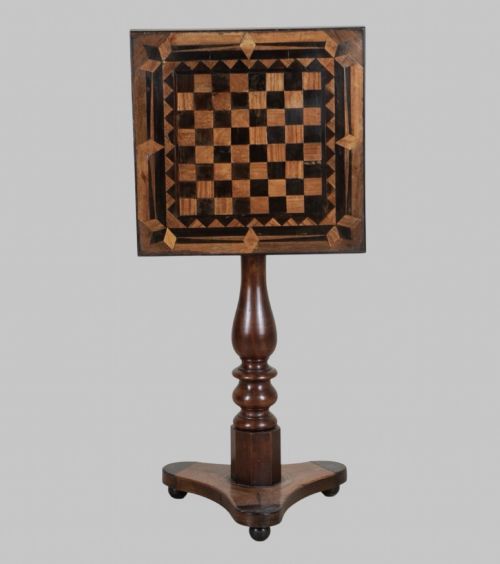
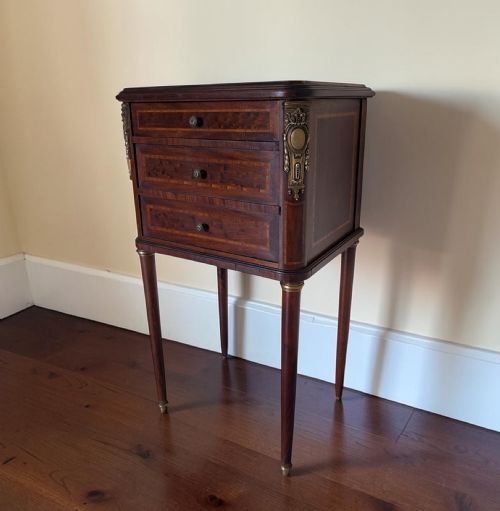
Rosewood Marquetry Table
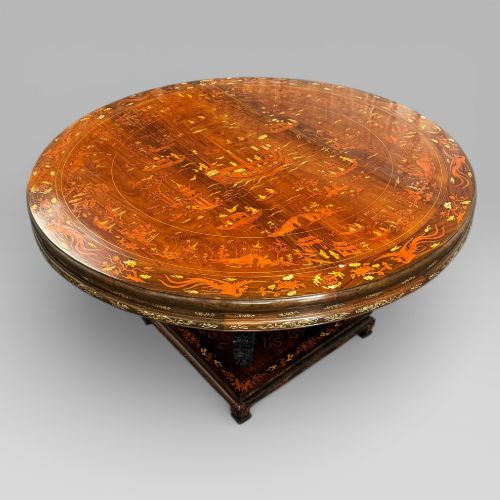
A rosewood marquetry table combines dense, dark tropical timber with intricate botanical and geometric wood inlays.
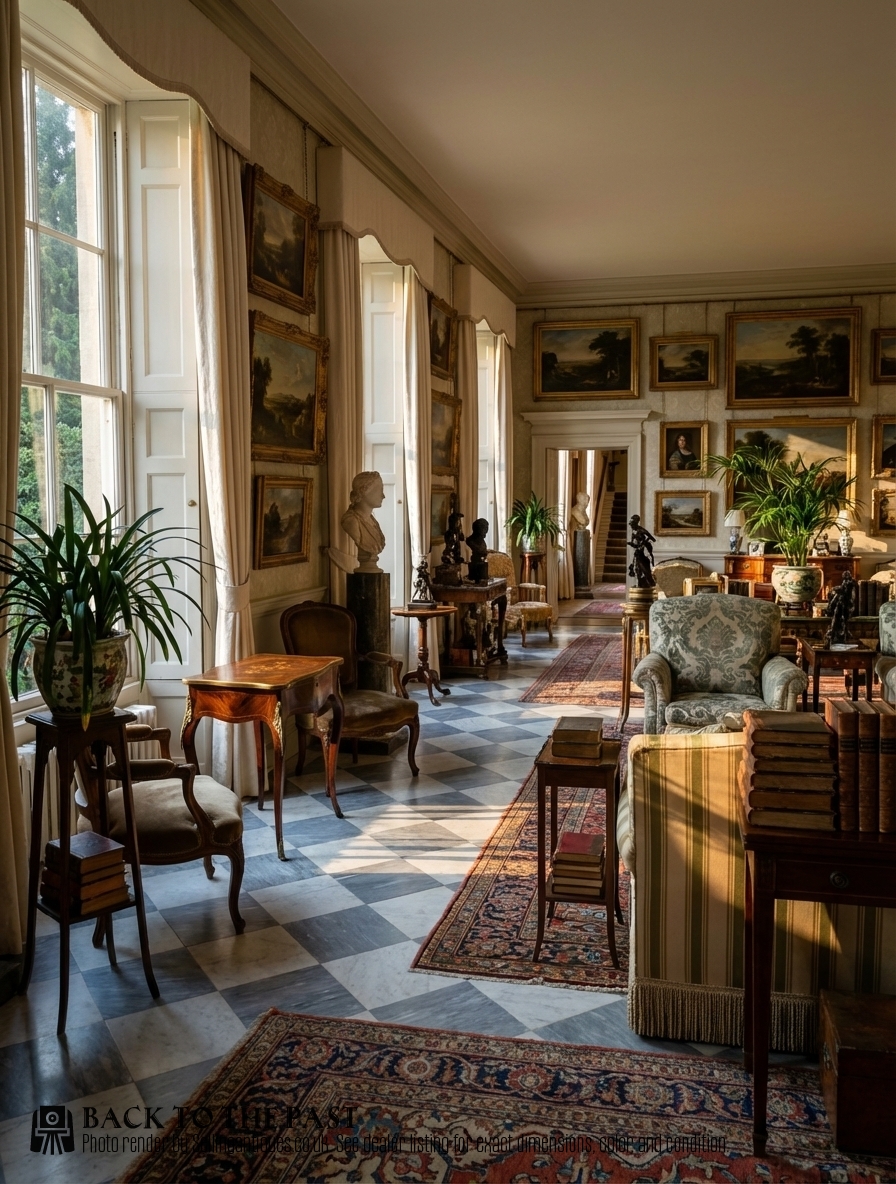
Rosewood Marquetry Table
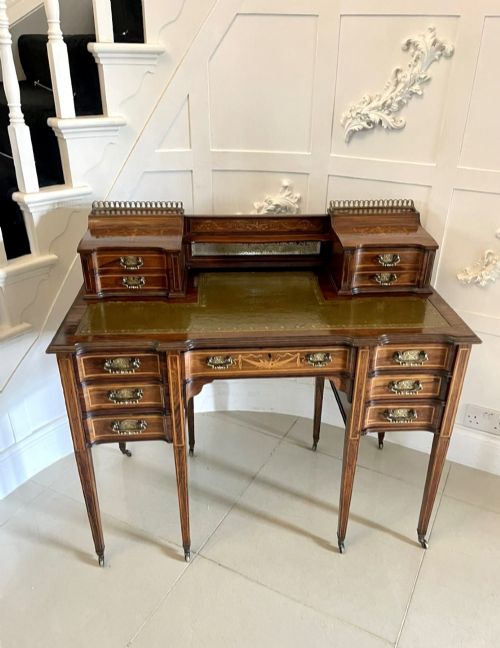
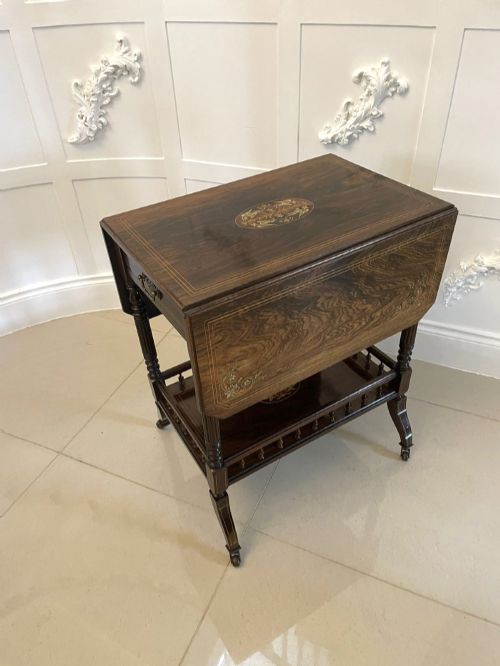
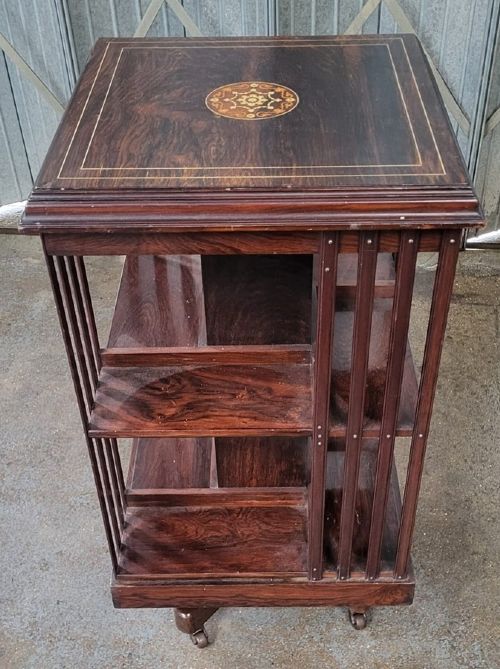
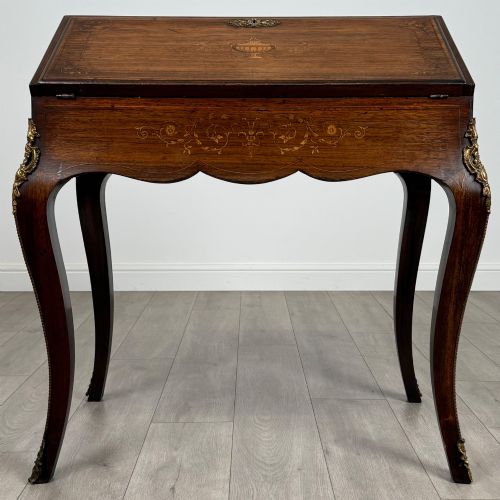
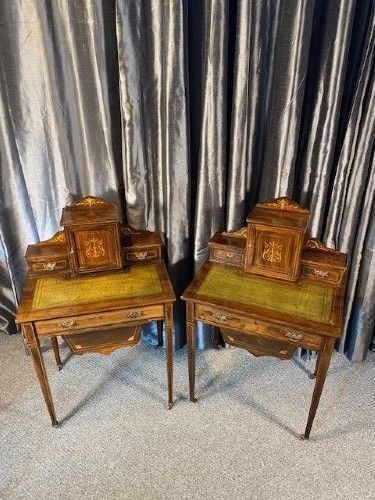
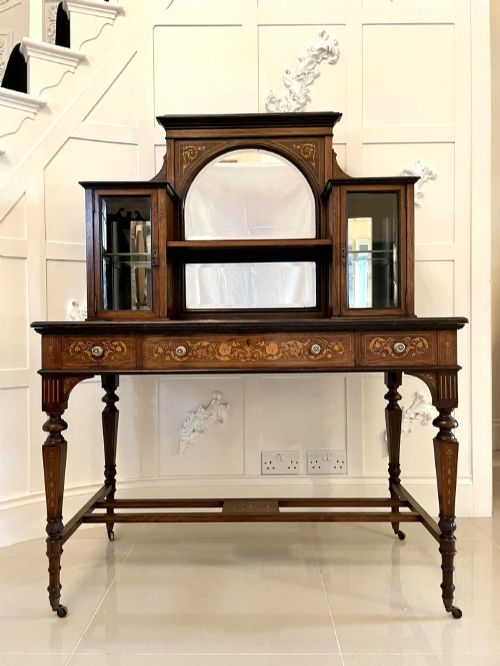
A rosewood marquetry table appears most frequently across Victorian, Edwardian and Regency periods in forms designed for polite social use, including card tables, envelope games tables, centre tables, and writing desks.
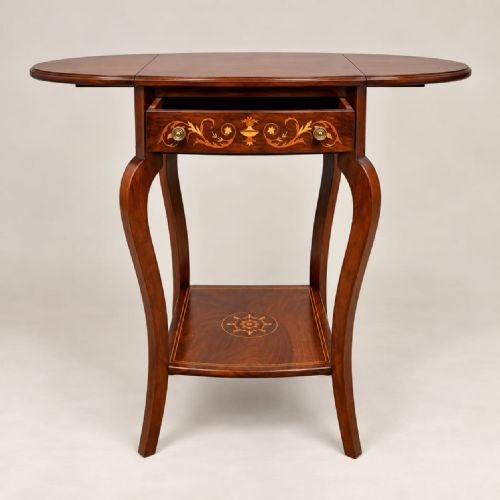
Makers utilised diverse silhouettes ranging from freestanding circular and octagonal occasional tables to drop-leaf tables, writing desks, and specialised side pieces.
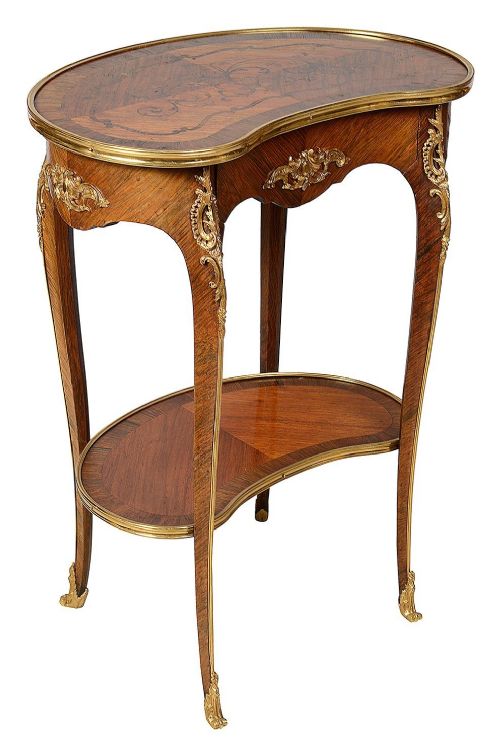
Origin points span English workshops, French Louis XV revival salons, and Anglo-Indian production centres, each adapting the dense grain of rosewood to detailed pictorial and floral patterns.
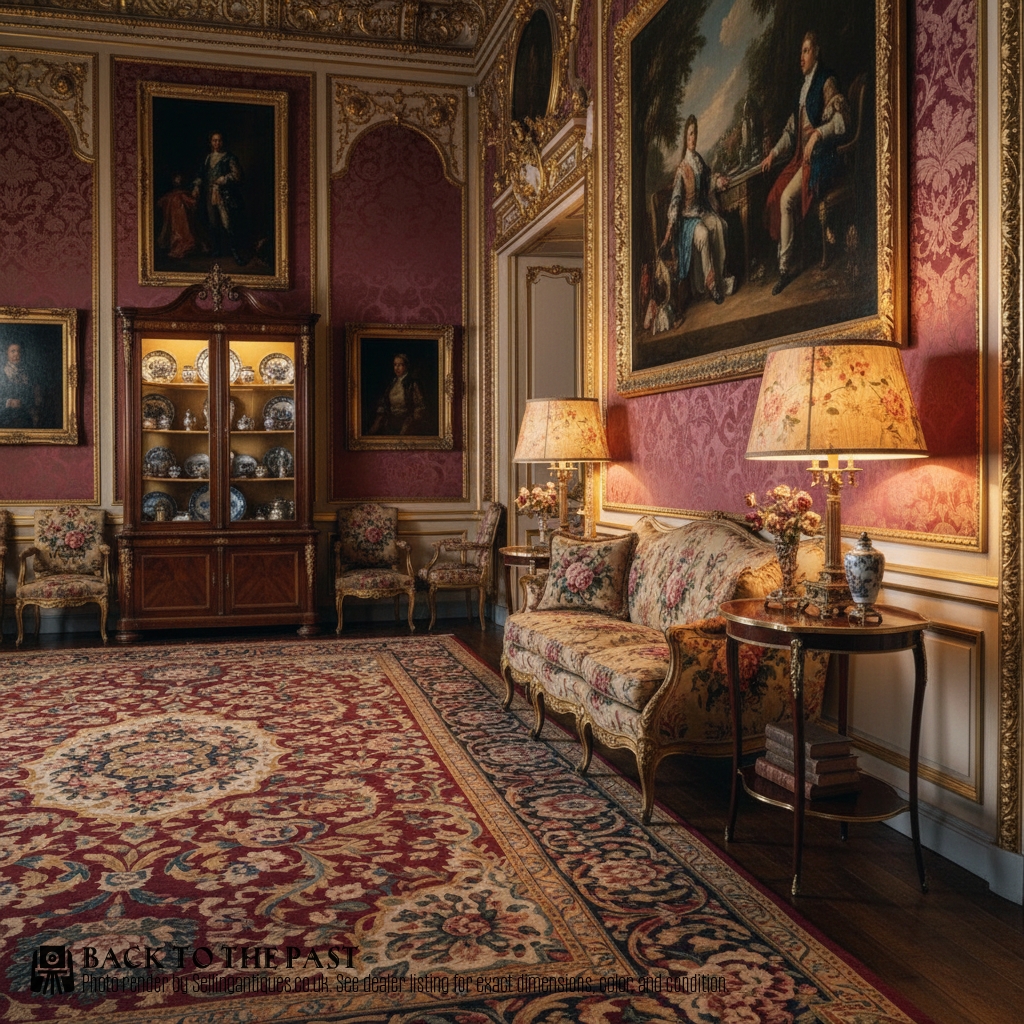
Materials and construction
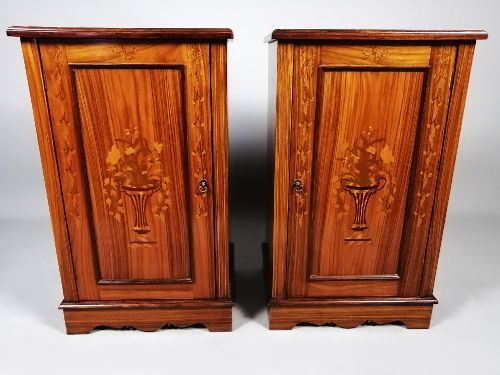
The foundation relies on heavy, dense rosewood solids and veneers, often enriched with contrasting timber inlays such as satinwood, boxwood, kingwood, and lemon wood.
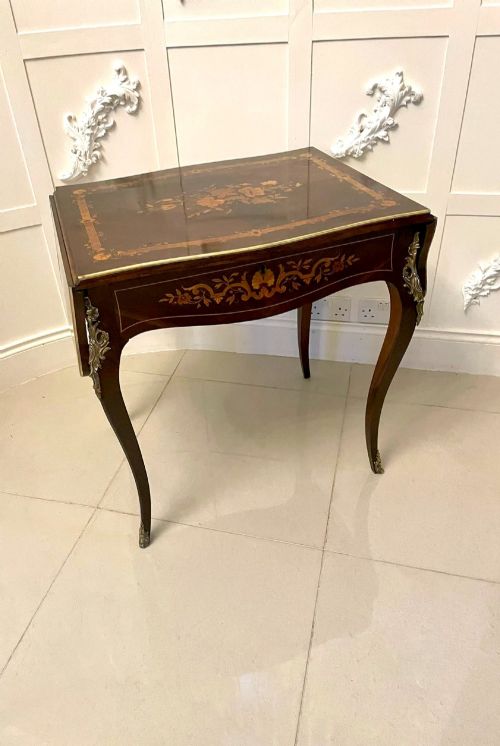
Craftsmen applied pictorial veneers using hand-cut marquetry techniques, setting delicate botanical motifs into the dark background grain.
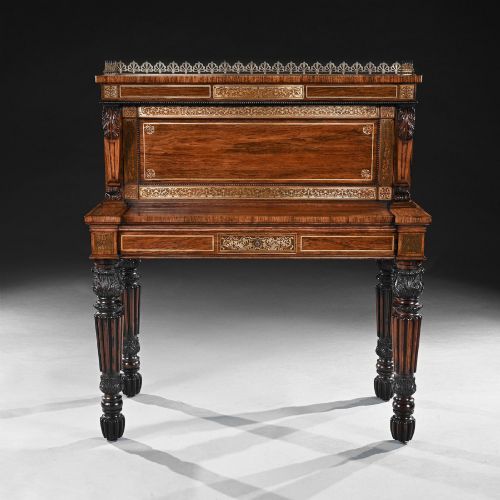
Mounts of cast ormolu, brass stringing, and leather writing inserts completed the structural assembly of writing tables and cabinets.
Materials documented across the inventory include solid and veneered rosewood, brass, ormolu, kingwood, satinwood, leather, and boxwood.
Assessing craftsmanship
Superior examples demonstrate meticulous registration in the multi-wood inlays, where individual botanical elements fit tightly without excessive filler or visible gaps.
The choice of secondary timbers and the crispness of cast brass or ormolu mounts differentiate standard production pieces from workshop masterpieces bearing attribution to notable makers.
Structural integrity of the rosewood carcass, particularly in folding game tops and revolving mechanisms, marks the distinction between everyday domestic furniture and exhibition-grade objects.
Maple & Co.·Gillows Oxford Street Workshop·George Bullock·Edwards & Roberts·Émile Gallé
The Rosewood Marquetry Table Glossary
- Marquetry
- A decorative technique where small pieces of veneer are assembled into pictorial or geometric patterns on a wooden ground. This method differs from inlay by covering the entire surface of the panel.
- Ormolu
- Gilded bronze mounts applied to furniture edges and legs for decorative accent. Popular in French-influenced revival pieces.
- Envelope table
- A card table with a square pivoting top that opens outward like an envelope to reveal a baize-lined playing surface. These typically feature four triangular folding flaps.
- Kingwood
- A dense, richly figured exotic timber with dark violet-brown striping utilised alongside rosewood for contrast in border banding.
- Centre table
- A freestanding piece finished with decorative veneer on all four sides so it can stand in the middle of a room rather than against a wall.
Rosewood Marquetry Table: Frequently Asked Questions
How do I care for rosewood marquetry?
Keep the timber away from direct sunlight and steady humidity fluctuations to prevent the delicate veneer panels from lifting or splitting. Regular dusting with a dry cloth maintains the natural sheen without heavy chemical polishes.
Wax finishes should be applied sparingly and buffed gently to protect the contrasting boxwood and satinwood details embedded in the dark grain.
Were these tables used for dining?
Most surviving examples served social and decorative functions rather than heavy dining purposes. Forms include writing desks, card tables with folding tops, and small occasional or centre tables.
Larger breakfast tables occasionally appeared in the mid-Victorian period, but smaller occasional and sewing variants dominate the surviving material.
How can I tell French styles apart?
French Louis XV and Rococo revival pieces display flowing asymmetrical curves, cabriole legs, and elaborate floral marquetry scenes accompanied by cast ormolu mounts. English interpretations tend toward more restrained geometric brass stringing and formal symmetry.
Maker labels or distinct secondary woods often confirm whether a piece originated in a London workshop or a Parisian cabinet maker's studio.
What is the difference between inlay and marquetry?
Inlay involves carving a recess into a solid wood surface and fitting a contrasting piece of timber or metal into the depression. Marquetry creates a complete picture sheet from various veneers first, then glues the entire assembly down as a single skin.
Both techniques appear frequently across 19th-century tables to create complex decorative borders and central motifs.