
Marquetry Tiered Table
A marquetry tiered table brings layered display surfaces and detailed wood inlay into a room, offering both decorative presence and practical utility.
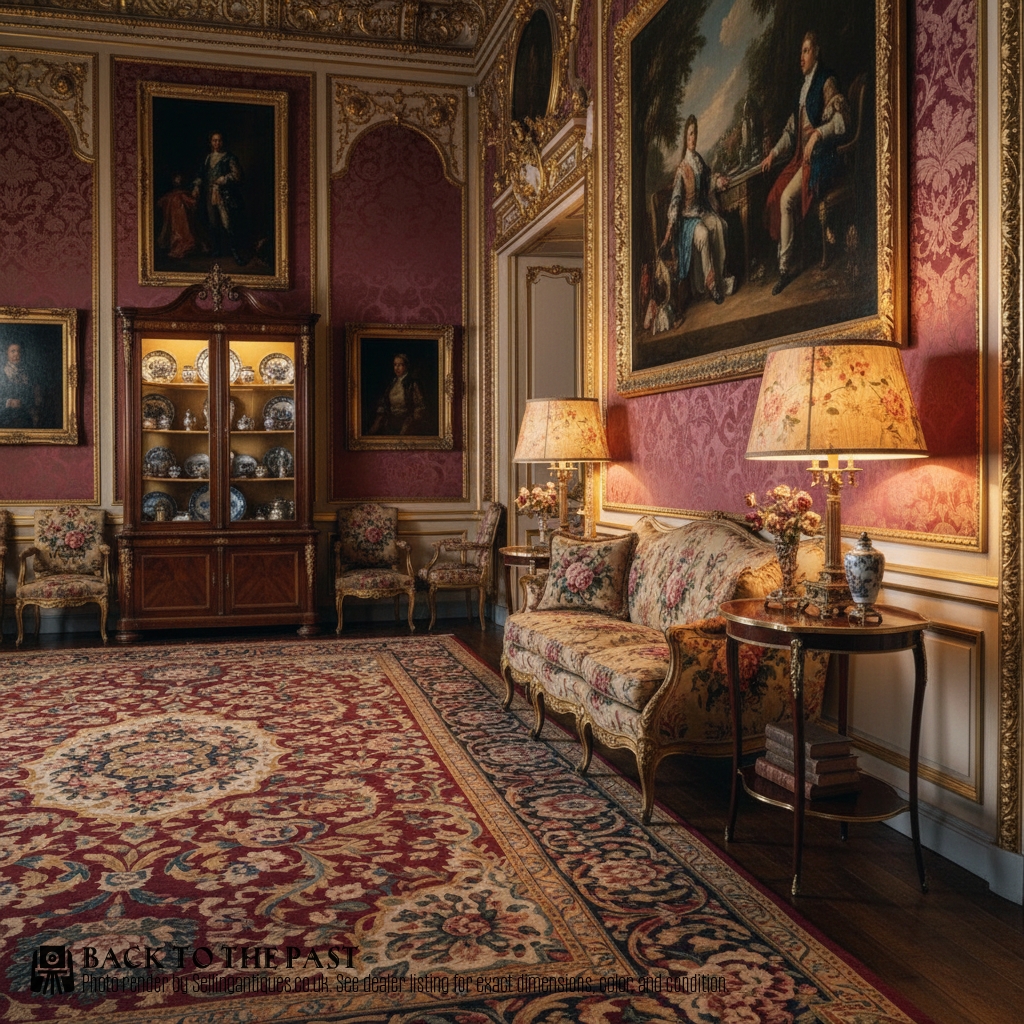
Marquetry Tiered Table
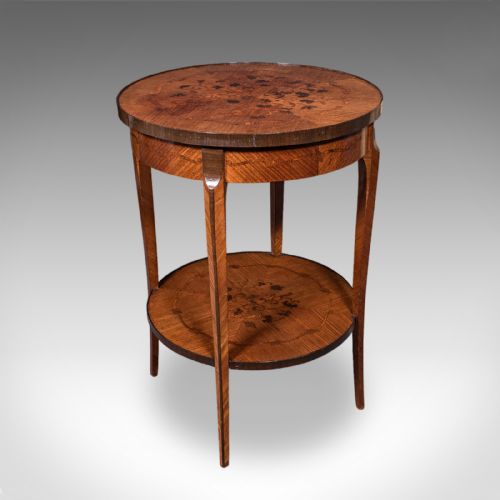
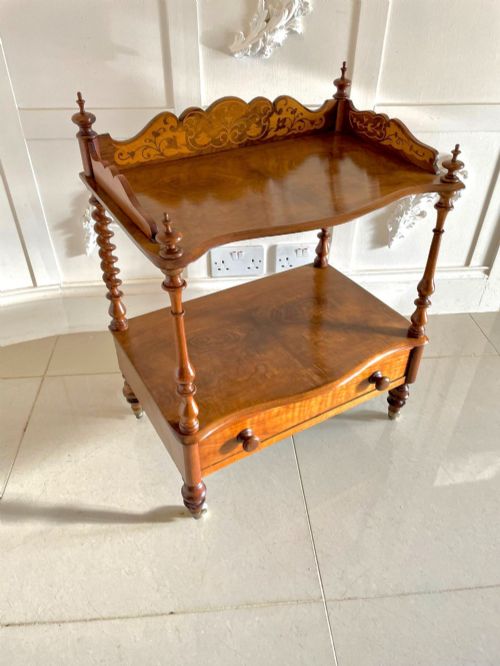
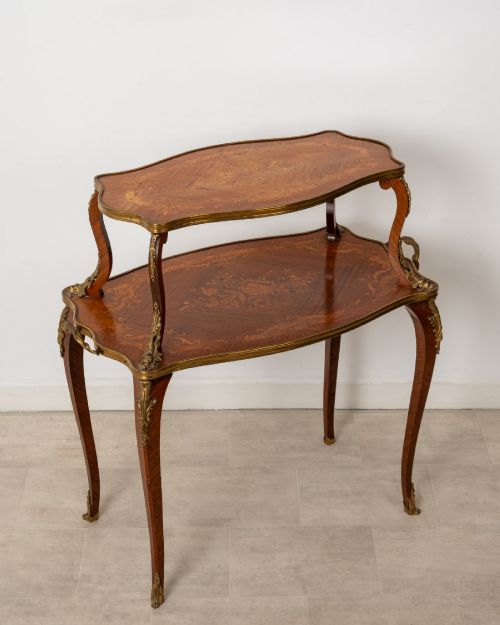
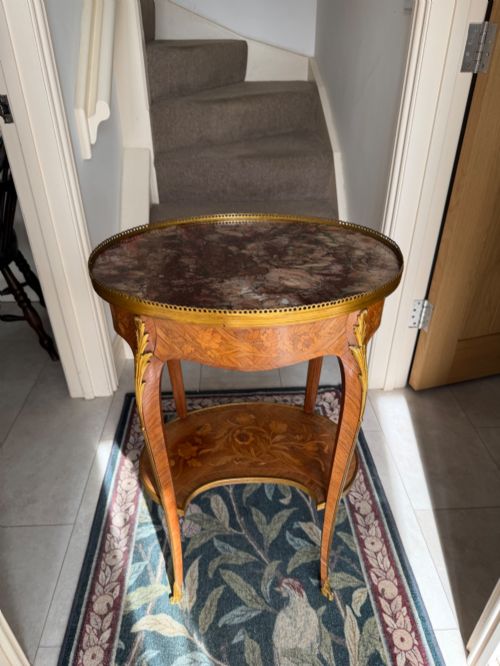
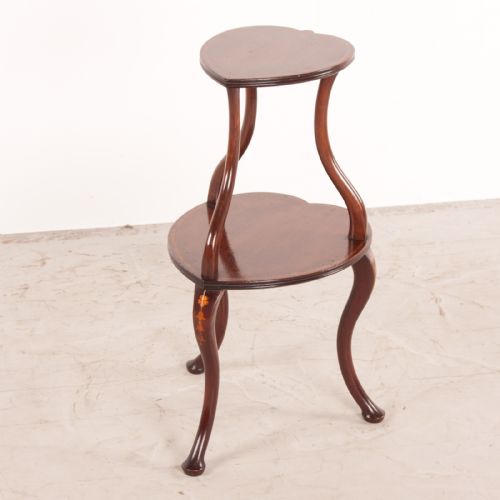
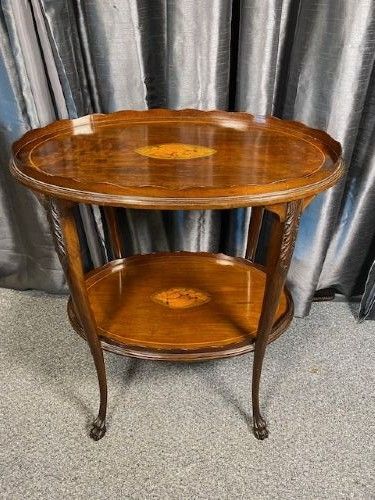
A marquetry tiered table is a multi-level piece designed for display or serving, frequently appearing as an etagere or two-tier occasional table. These items emerge primarily from the Victorian and Edwardian eras, as well as around nineteen hundred, reflecting robust demand for versatile small furniture.
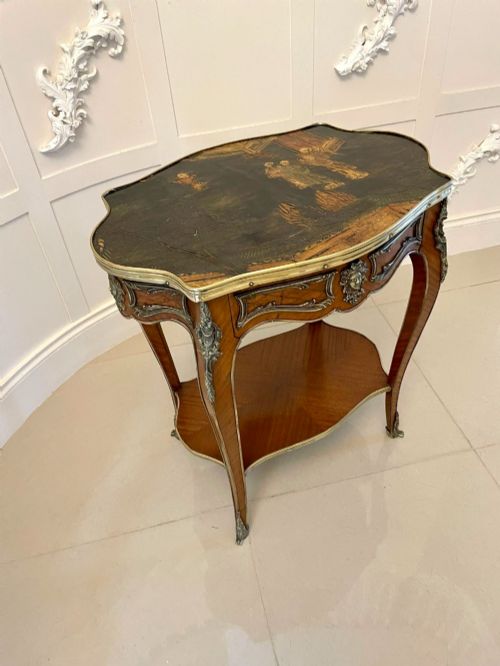
French workshops and English makers alike produced these multi-level surfaces, often adopting Louis styles, Sheraton revivals, or French rococo aesthetics. Buyers frequently encounter examples featuring shaped shelves supported by slender uprights, designed to hold lamps, plants, or decorative objects in a drawing room.
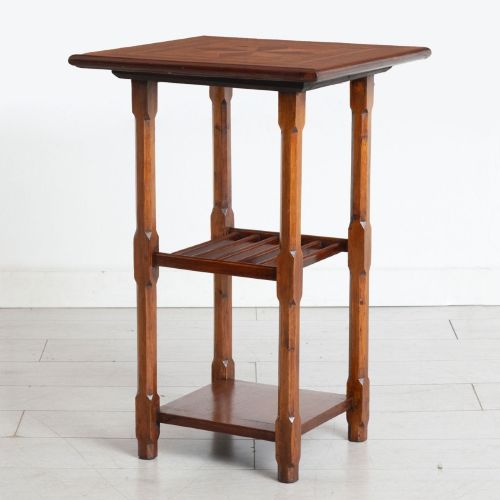
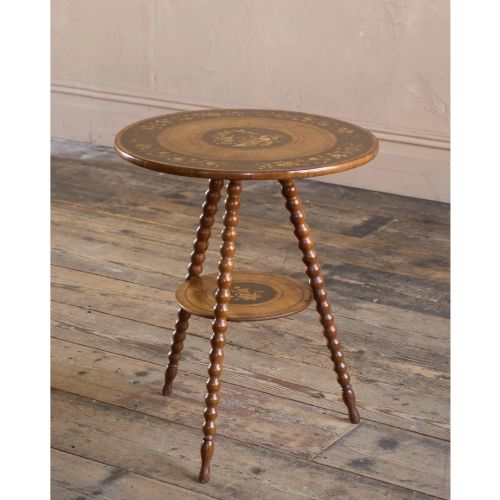
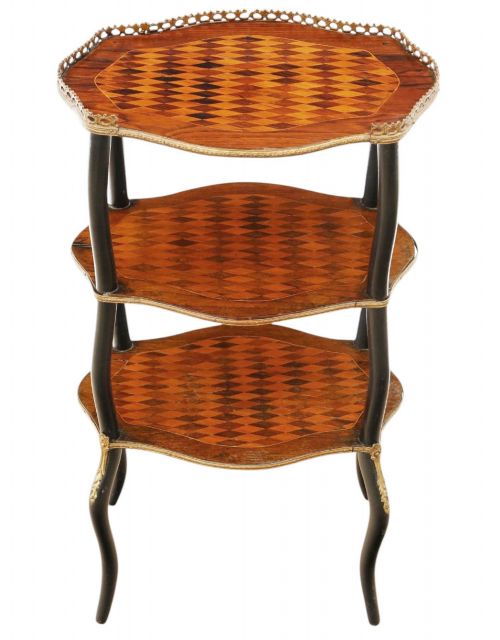
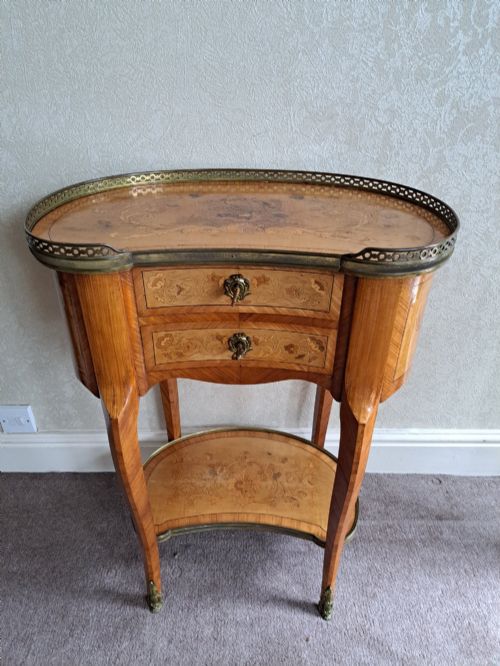
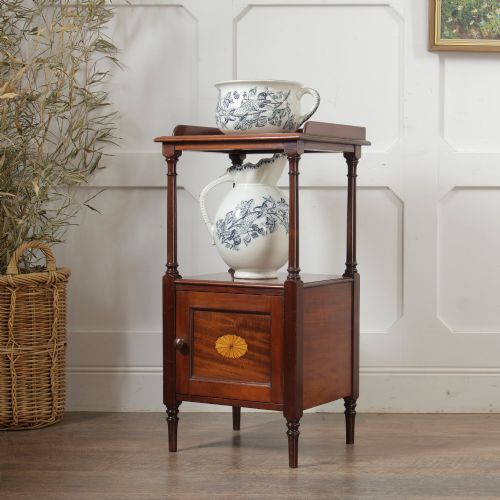
The form ranges from simple two-tier occasional tables in mahogany or walnut to elaborate three-height etageres decorated with intricate floral patterns. Whichever variant appears, the defining characteristic remains the stepped or stacked arrangement of surfaces combined with pictorial wood inlay.
How They Were Made
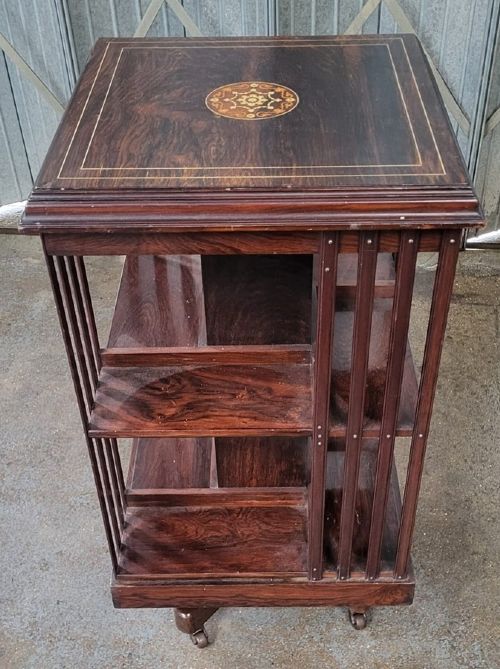
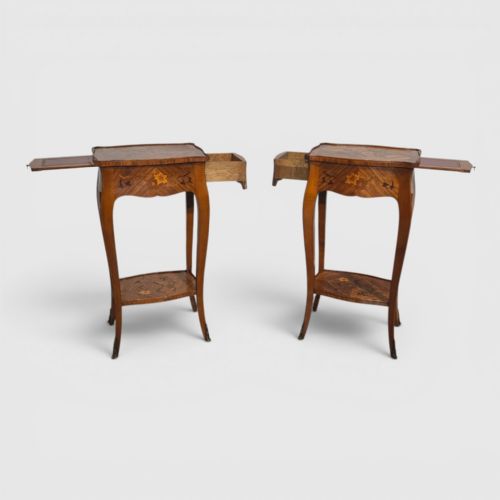
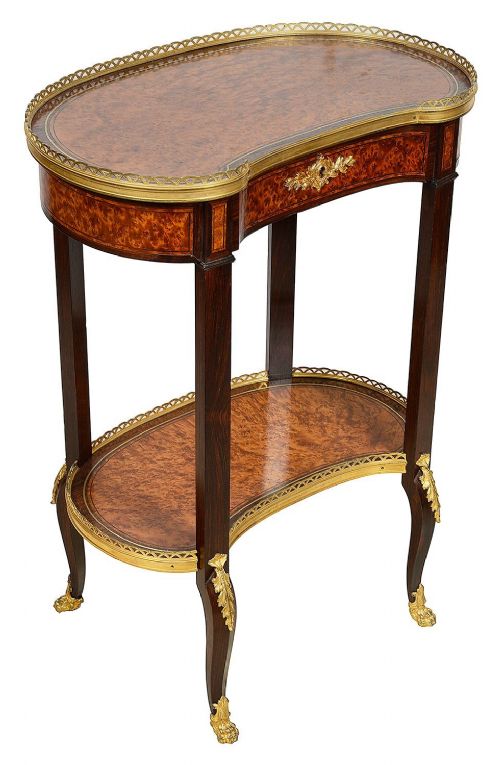
Craftsmen built these tables using sturdy carcase timbers such as mahogany or walnut, applying fine veneers of kingwood, rosewood, satinwood, and occasionally coromandel to the visible surfaces. Marquetry cutters sliced contrasting dyed and natural woods by hand, assembling intricate floral or geometric motifs before pressing them onto the substrate.
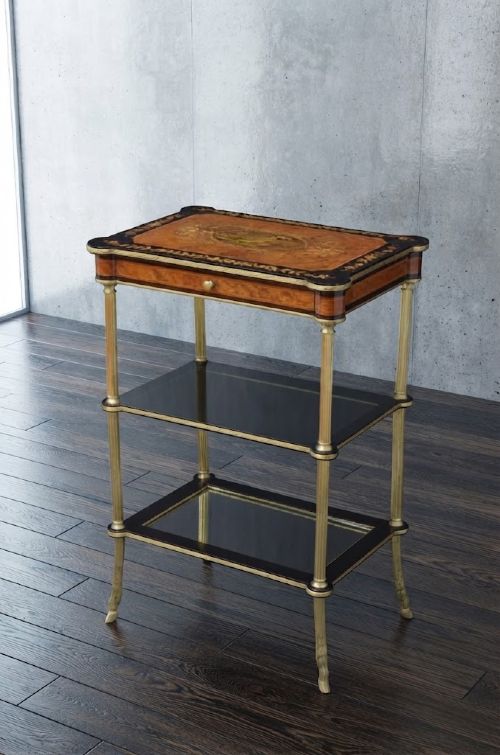
Makers elevated the designs using cast or chased ormolu mounts, brass galleries, and delicate stringing lines that framed the panels. Tiers were secured with turned uprights or slender legs, occasionally incorporating mirrored panels or parquetry patterns alongside the main floral marquetry.
Some tables include tiny mirrored tiers designed to reflect candlelight upward onto porcelain figurines.
What Varies in Quality
Quality separates simple commercial items from exhibition pieces through the precision of the veneer work and the crispness of the cast bronze mounts. Superior examples display tightly fitted marquetry with minimal filler, where individual wood grains catch the light naturally.
The sophistication of the timber selection dictates the standing of a piece, with rich kingwood, figured burr walnut, and contrasting satinwood accents lifting an etagere above standard mahogany versions. Heavier, finely chased ormolu mounts rather than stamped brass further mark out the upper tier of production.
François Linke·Edwards & Roberts·Collingson & Lock
The Marquetry Tiered Table Glossary
- Marquetry
- Decorative veneer applied to a structure in wood to form pictures or designs. Craftsmen assemble different tinted woods to create floral or geometric scenes.
- Etagere
- A piece of furniture consisting of a set of open shelves for displaying small objects. These multi-tiered stands gained popularity during the nineteenth century.
- Ormolu
- Gilded bronze mounts applied to furniture. High-quality pieces feature hand-chased details that add crisp definition.
- Parquetry
- Geometric mosaic woodwork used for floors or furniture surfaces. It differs from marquetry by using strictly angular repeating shapes.
- Kingwood
- A dense, richly figured Brazilian timber frequently used in French cabinet making. Its dark purple-brown grain makes it highly sought after in veneered furniture.
Marquetry Tiered Table: Frequently Asked Questions
What is a marquetry tiered table used for?
These pieces served historically as display surfaces for porcelain, small clocks, or books in formal reception rooms. Today they function effectively as lamp tables or bedside stands where extra surface area is needed without bulk.
The stepped shelves allow items to be arranged at different heights, making them particularly useful for showcasing decorative objects in compact spaces.
How do I distinguish French from English examples?
French pieces often lean towards Louis XV or Louis XVI revivals, utilising rich kingwood veneers, elaborate ormolu mounts, and subtle curved lines. English variants frequently show Sheraton or Edwardian influences with more restrained satinwood inlay and mahogany structures.
Examining the secondary timbers inside the drawers or beneath the shelves often confirms the workshop origin.
Are these tables sturdy enough for daily use?
Most tiered tables were built for light display rather than heavy weight-bearing duties, so placing lamps or books on them requires sensible care. The slender legs and multiple uprights demand a stable floor surface to prevent wobbling.
Gentle placement of items preserves the delicate veneer joints and the structural integrity of the tiered uprights.
How do I care for the veneer and inlay?
Maintaining these surfaces involves keeping them away from direct sunlight and strong heat sources that can dry out old timber and crack veneers. Regular dusting with a soft, dry cloth prevents grime accumulation without risking moisture damage to the delicate glues.
Applying a traditional beeswax polish occasionally helps nourish the wood and maintain a soft sheen.