
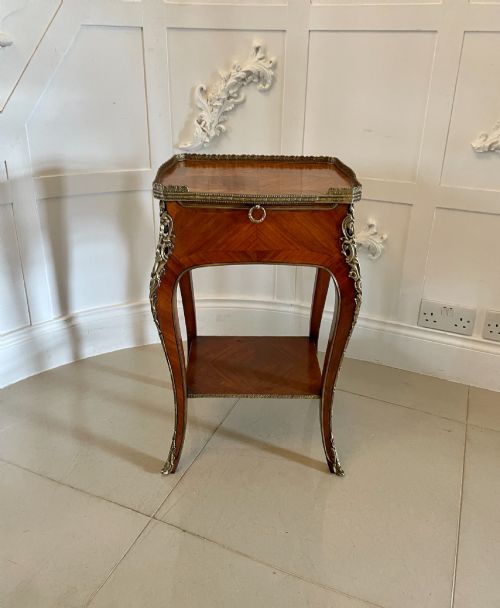
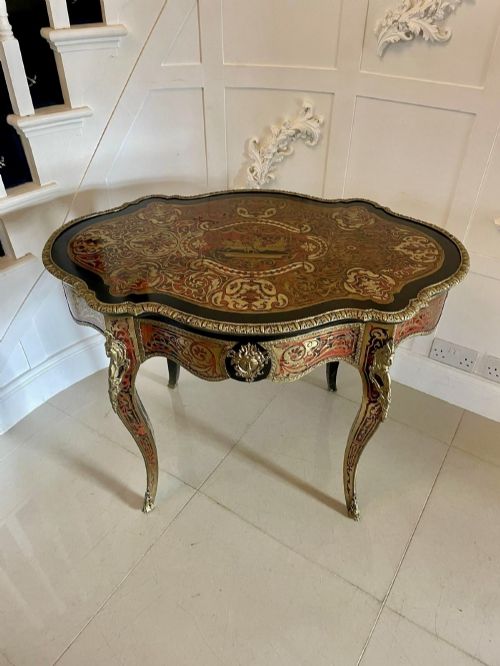
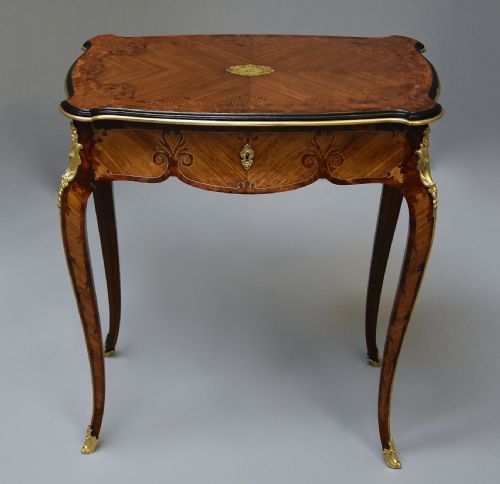
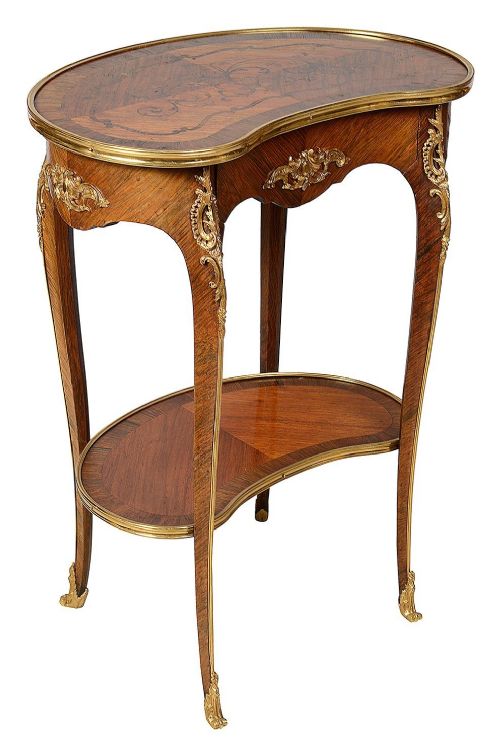
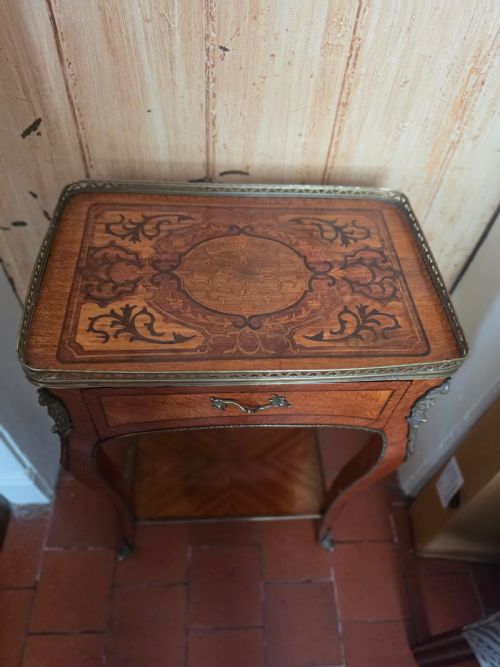
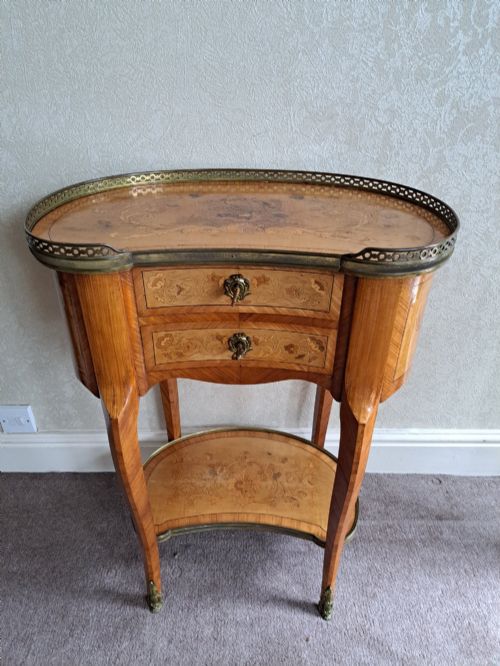
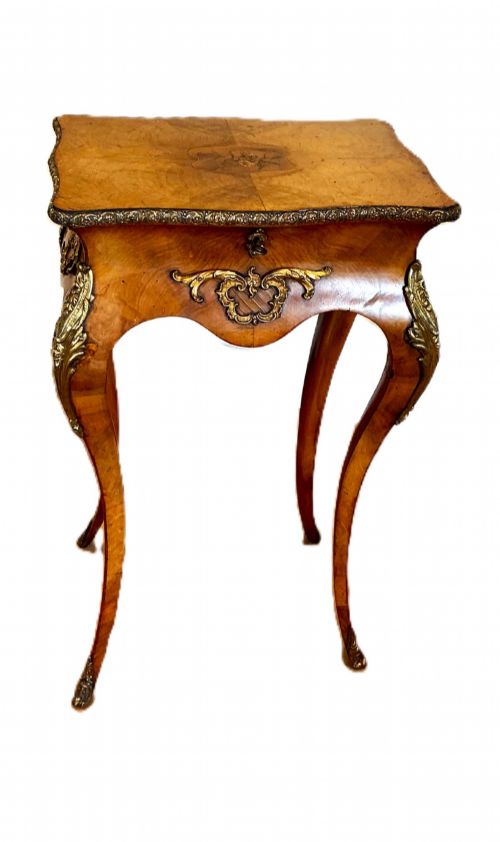
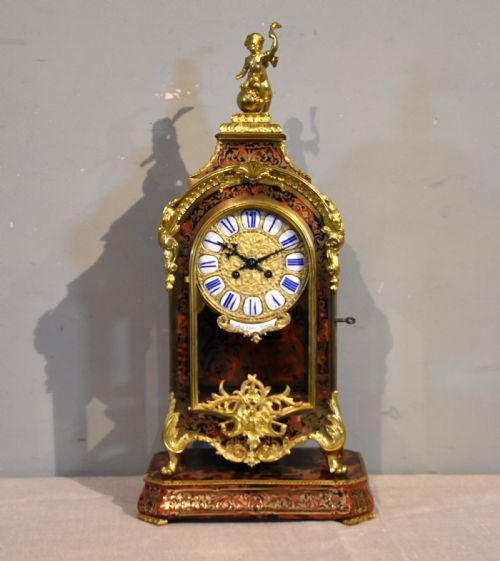
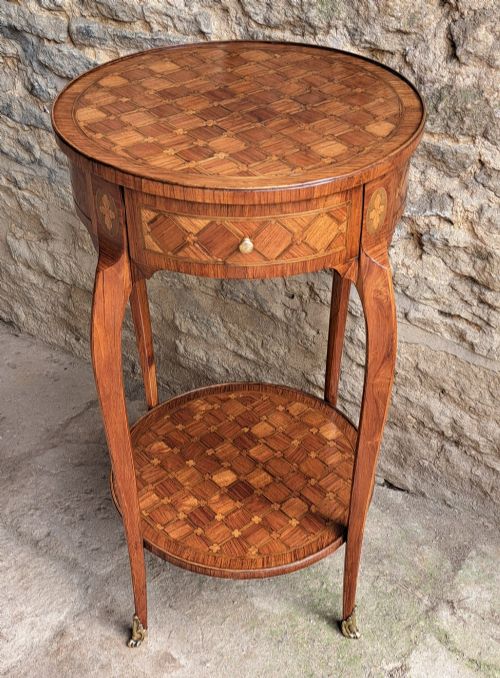
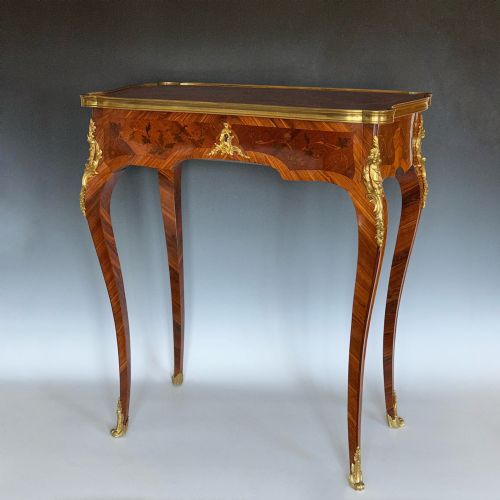
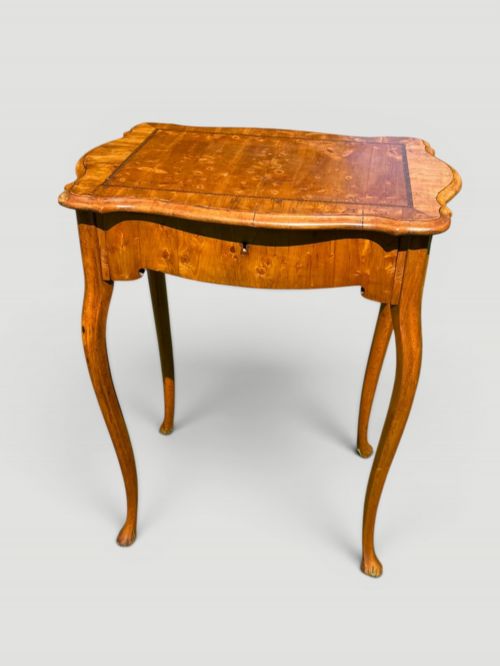


Louis XV Work Table
These louis xv work table designs combine serpentine walnut or kingwood forms with gilt bronze mounts, offering refined storage for sewing and writing.
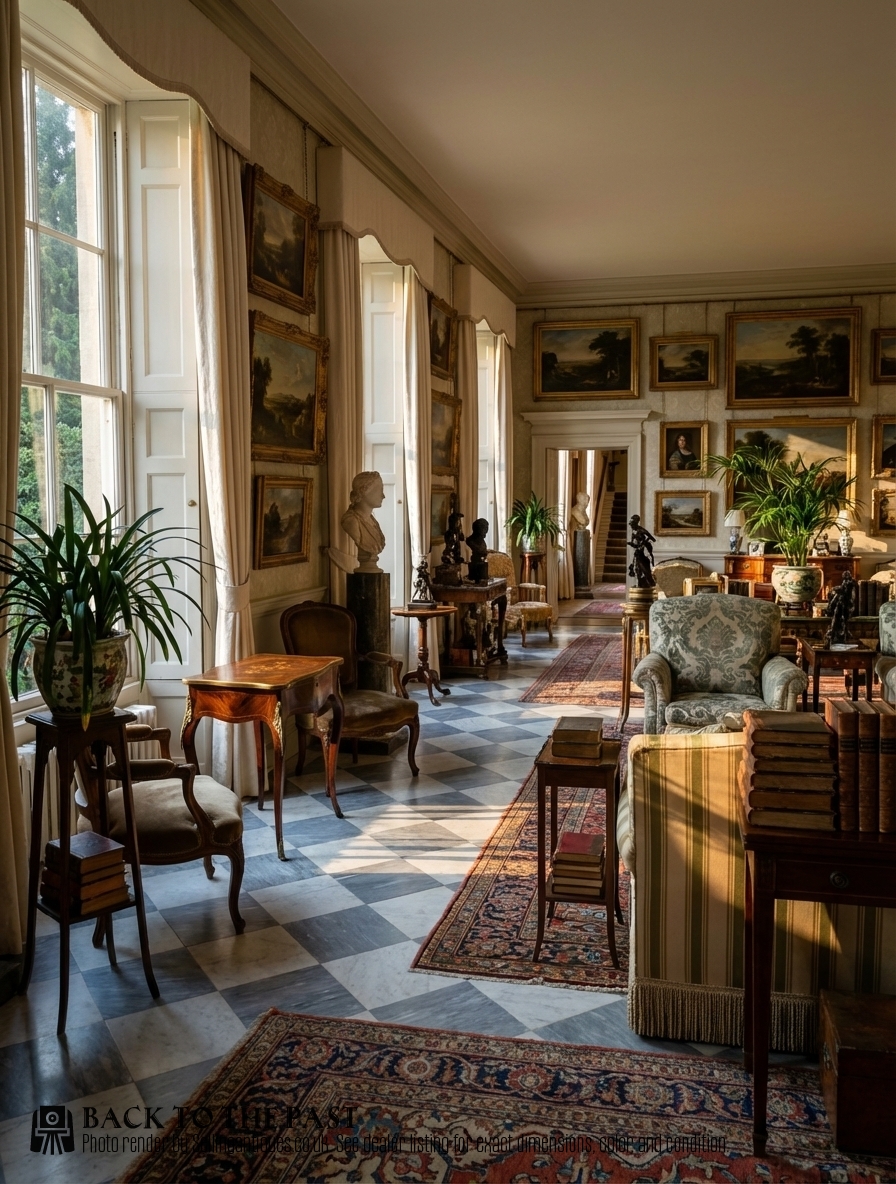
Louis XV Work Table
A louis xv work table is a domestic piece intended for sewing, writing or dressing, typically fitted with an internal compartment or drawer. The selections appearing here span the nineteenth century, including Victorian interpretations and revived French styles.
Most examples take the form of small occasional tables, side tables or specific sewing tables featuring hinged tops and fitted interiors. They emerge from the French Louis XV revival and related nineteenth century movements, maintaining slender cabriole lines.
How they were made
Cabinetmakers constructed these tables using walnut, kingwood and rosewood veneers laid in marquetry or parquetry patterns over heavier timber carcases. Brass and ormolu mounts are cast and chased, then applied to border drawers, corners and legs.
Many variants integrate tortoiseshell brass inlay known as Boulle work, porcelain plaques or internal mechanisms designed to reveal storage compartments upon opening.
The listings on this site record frequent use of kingwood, walnut and ormolu across nineteenth century French revival furniture.
What varies in quality
The sophistication of the internal mechanism and the crispness of the cast ormolu mounts dictate the upper tier of execution. Hand-cut marquetry detail and the selection of figured kingwood or burr walnut indicate superior workshop production.
Simpler constructed side tables with plain walnut veneers and stamped rather than chased mounts represent the broader commercial output of the period.
Maison Millet·Millet
The Louis XV Work Table Glossary
- Ormolu
- Gilded bronze used for decorative mounts and feet. It provides a bright metallic contrast against dark exotic woods.
- Marquetry
- Inlaid wood veneers forming pictorial or geometric designs. Craftsmen cut contrasting timbers together to fit tightly within the surface.
- Kingwood
- A dense Brazilian timber with rich dark violet and brown figuring. It frequently forms the principal veneer on nineteenth century revival furniture.
- Table en chiffonniere
- A small multi-purpose French table fitted with drawers for sewing materials or papers. These pieces often feature raised galleries and slender legs.
- Parquetry
- Geometric wood inlay arranged in patterns such as cubes or chequers. It differs from marquetry by using strictly regular angles and shapes.
Louis XV Work Table: Frequently Asked Questions
What is a louis xv work table used for?
These tables served primarily as domestic furniture for ladies to store sewing gear, embroidery threads or writing paraphernalia.
Their internal compartments and drawers kept small utility items organised while maintaining a decorative presence in a salon or boudoir.
How do I identify a nineteenth century French revival piece?
Look for characteristic serpentine contours, gilt bronze ormolu mounts, and complex kingwood marquetry patterns.
Many pieces from this era incorporate nineteenth century mechanical linkages inside the drawer compartments that distinguish them from earlier eighteenth century originals.
Are these tables sturdy enough for daily use?
Their slender cabriole legs and delicate veneered surfaces require careful placement away from direct heat and moisture.
While functional as occasional surfaces or bedside stands, they respond best to gentle handling rather than heavy loading.
What is the difference between a work table and a centre table?
A work table contains internal storage compartments, trays or textile bags designed specifically for needlework and grooming.
Centre tables lack these internal fittings and are finished on all four sides to stand independently in the middle of a room.