
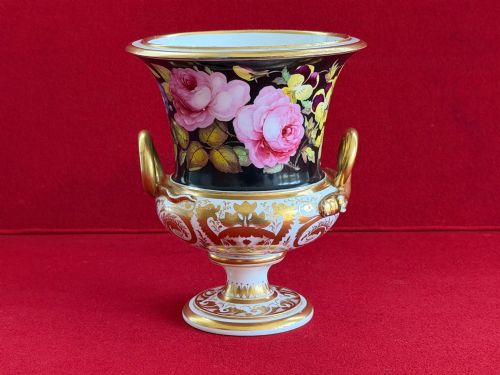
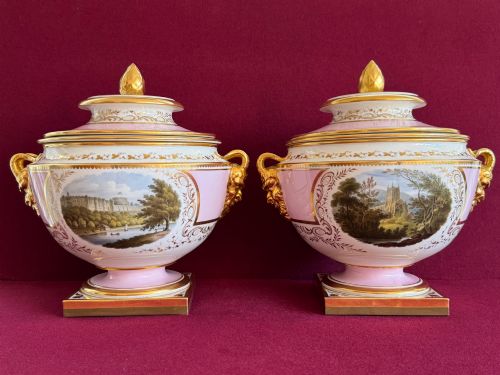


Porcelain Decorated Table
Porcelain decorated table pieces bring nineteenth-century refinement to a room through painted ceramic plaques, mounted surfaces and intricate surface decoration.
Porcelain Decorated Table
A porcelain decorated table search reveals nineteenth-century occasional furniture, side tables and work tables featuring ceramic plaques or inset porcelain surfaces. These pieces draw upon French Rococo Revival, Louis XV Revival and Italian designs, often incorporating brass or ormolu mounts alongside wood structures.
Beyond actual tables, the selections frequently encompass table-top accessories such as decorated vases, dressing mirrors, trinket boxes and jardinieres. The nineteenth century dominates the current selection, spanning periods from eighteen-fifty through to eighteen-eighty alongside Edwardian and mid-twentieth-century examples.
Makers and regional styles represented include French, Italian, Chinese and Japanese workshops, alongside English factories like Wedgwood and Royal Worcester. Buyers encounter both furniture with porcelain mounts and decorative vessels intended for display on tabletops.
Materials and construction methods
Construction relies upon traditional cabinet timbers such as kingwood and general wood framing, combined with cast brass and ormolu mounts to secure porcelain plaques and panels. Gold leaf and enamel finishes enhance the ceramic components, while silver deposit techniques appear on specific blue ground porcelain items.
Ceramic bodies range from hard-paste porcelain and earthenware to celadon and Satsuma wares, fired and hand-decorated with painted floral motifs, landscapes or figures. Artisans integrated these fragile ceramic plaques into wooden furniture carcasses and metal frames using precise joinery and mechanical fixings.
Listings feature nineteenth-century pieces alongside Edwardian and mid-twentieth-century examples, utilising porcelain, ormolu, brass, wood, kingwood, gold leaf and enamel.
Distinguishing quality in decoration and structure
Quality rests upon the execution of the hand-painting upon the porcelain surface, where fine brushwork and detailed enamel or gold leaf application elevate the piece. The integration between the ceramic plaque and its wooden or metal mount dictates structural success.
The refinement of the cast brass or ormolu mounts, alongside the selection of cabinet timbers like kingwood, separates standard production from superior examples. Evidence of named makers or distinct regional styles adds attribution value to the piece.
Kinkozan·Thomas Allen·Jean Gille·Royal Worcester
The Porcelain Decorated Table Glossary
- Ormolu
- Gilded bronze mounts applied to furniture and decorative objects. This technique was widely utilised during the nineteenth century to accent porcelain plaques and wood frames.
- Kingwood
- A dense, richly figured timber utilised in fine cabinet-making. It frequently provides the structural base for French occasional tables mounted with porcelain.
- Celadon
- A pale green jade-like glaze applied to ceramics. It appears on nineteenth-century Chinese decorative vases and lamp conversions.
- Satsuma
- Japanese earthenware featuring a crackle-glaze and polychrome enamel decoration. Pieces from the Meiji period often incorporate detailed samurai and floral motifs.
- Silver deposit
- A chemical and electrical process applying sterling silver patterns directly onto a porcelain glaze. This technique creates intricate metallic ornamentation against a blue ground.
Porcelain Decorated Table: Frequently Asked Questions
What is a porcelain decorated table?
A porcelain decorated table typically refers to nineteenth-century occasional or work tables featuring hand-painted ceramic plaques inset into wooden frames. These pieces often include ormolu mounts and draw upon French revival styles.
Buyers also encounter decorative items and vessels designed to sit upon tables, extending the category beyond furniture to include mounted mirrors and jardiniere stands.
How do I date a porcelain table?
Dating relies upon stylistic markers such as Louis XV Revival or Rococo Revival forms, combined with material evidence like kingwood framing and brass mounts. Nineteenth-century examples frequently feature hand-painted porcelain plaques characteristic of French or English factories.
Examining the construction methods of the wooden carcass and the fastening of the metal mounts provides further chronological indicators for the piece.
Were these tables used daily?
Nineteenth-century occasional tables and work tables served functional roles in the parlour for needlework, letter writing, or holding decorative lamps and trinkets. Their delicate porcelain mounts meant they were treated as principal drawing-room furnishings rather than heavy utility items.
Tabletop accessories like trinket boxes and dressing mirrors fulfilled similar domestic duties in bedrooms and boudoirs.
How do I care for porcelain mounts?
Care requires dusting wooden surfaces and ormolu mounts with a dry, soft cloth, avoiding harsh chemical polishes that might damage the gilt or wood finish. The porcelain plaques should be cleaned gently with a slightly damp cloth if necessary.
Protection from direct sunlight and excessive humidity preserves both the painted enamel decoration and the structural integrity of the timber.