
Cabriole Leg Vanity
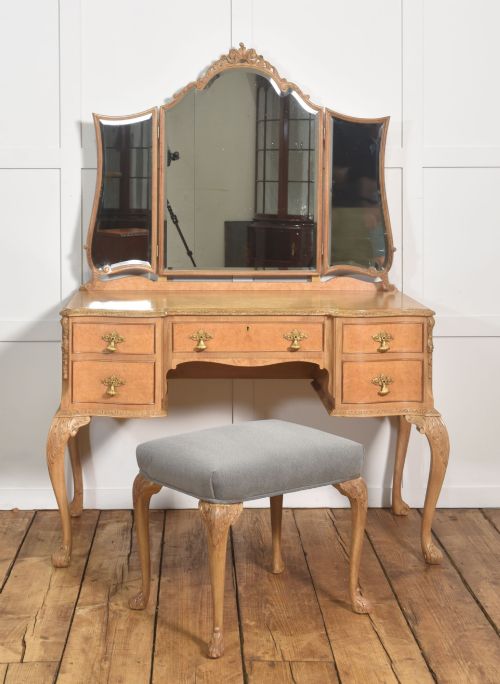
A cabriole leg vanity brings together curved wooden supports and seated dressing pieces from past centuries.
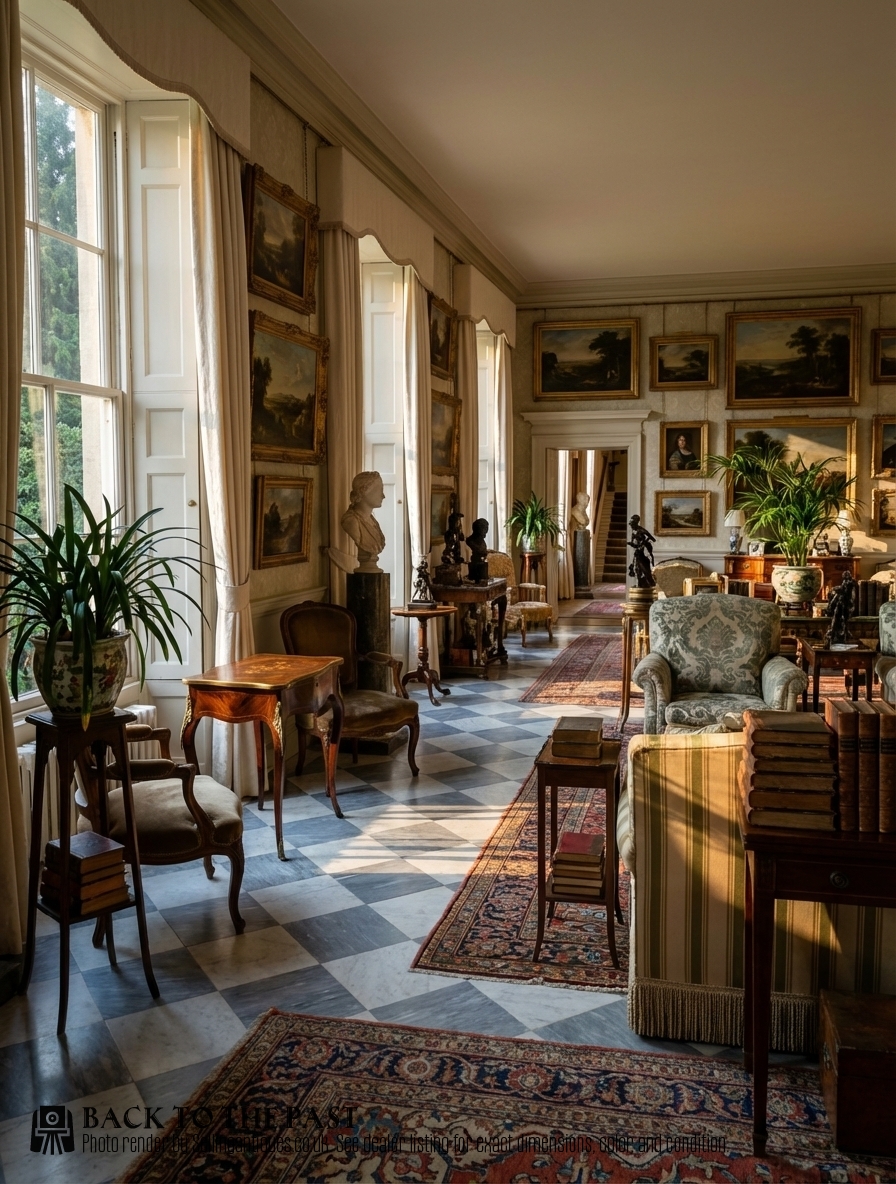
Cabriole Leg Vanity
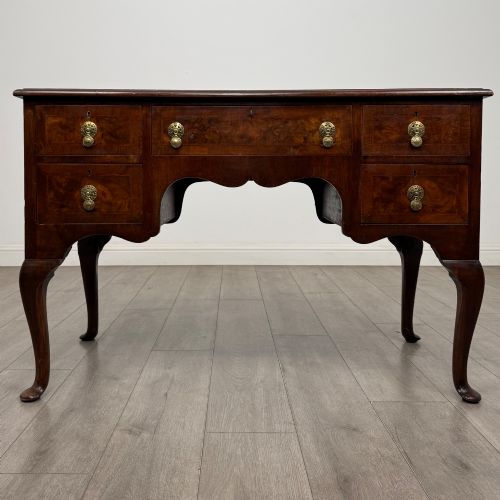
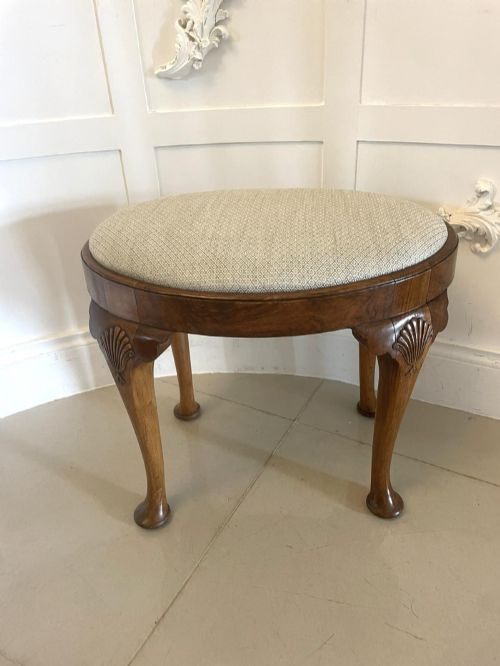
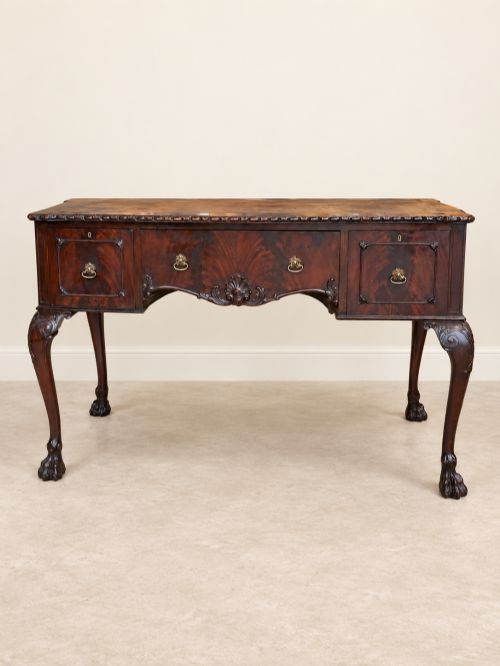
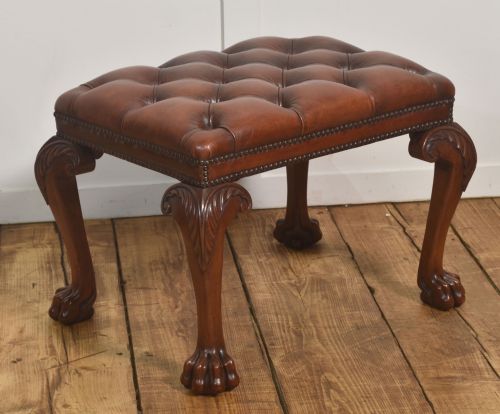
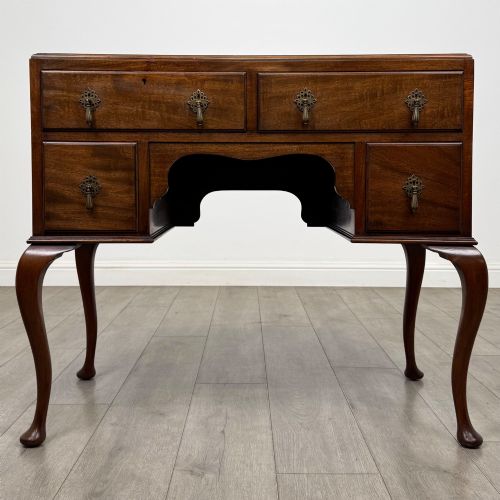
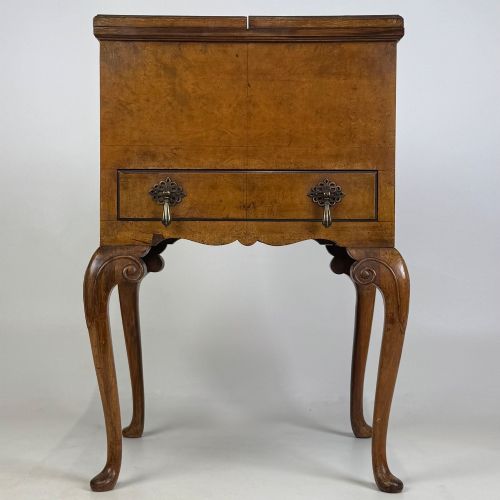
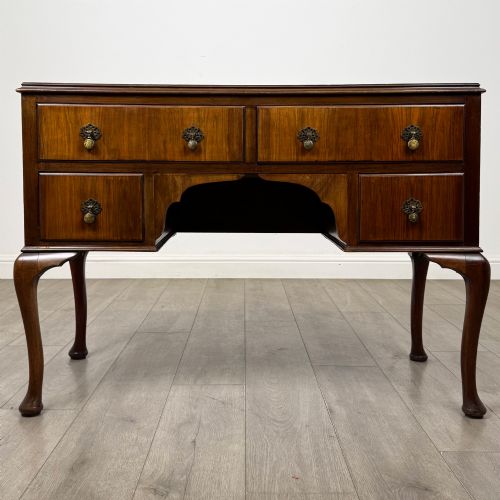
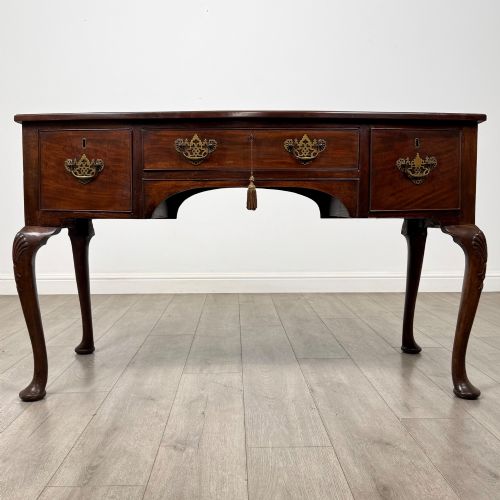
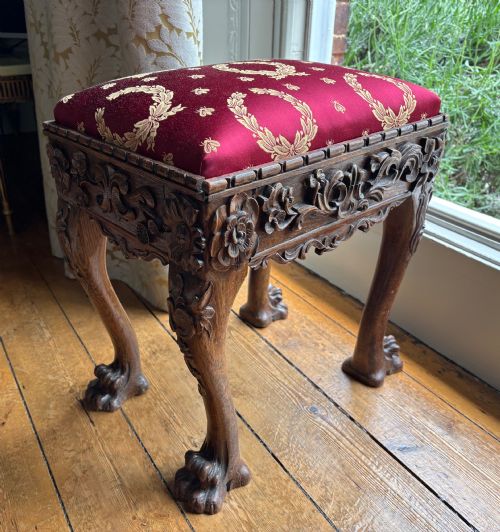
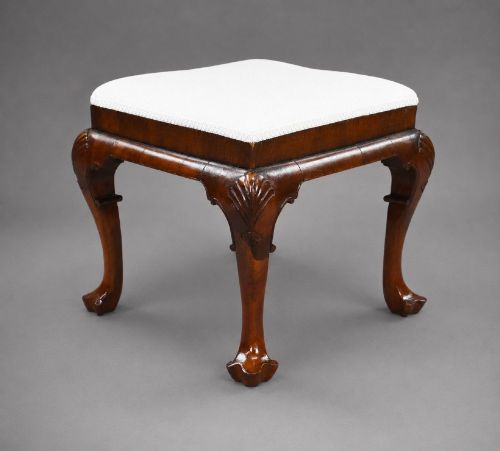
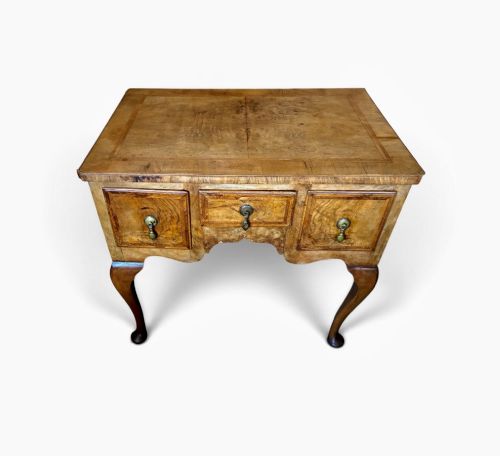
A cabriole leg vanity search leads you to dressing tables, writing desks, lowboys, and companion stools created across the eighteenth, nineteenth, and early twentieth centuries. These forms reflect historical revival periods including Queen Anne, Chippendale, and Georgian styles.
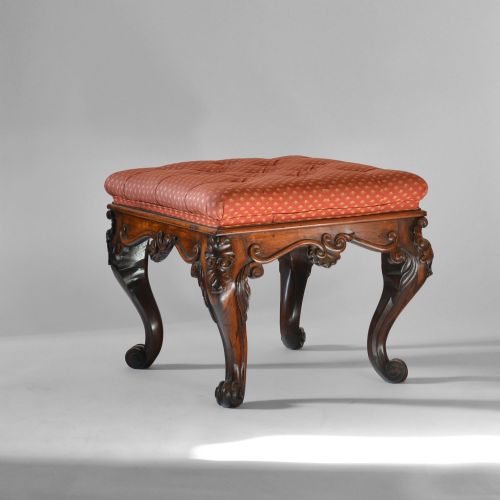
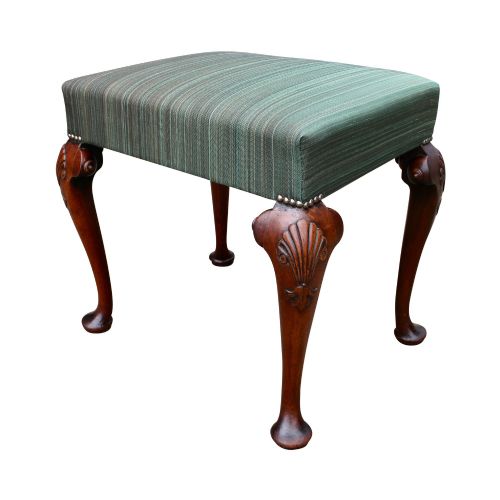
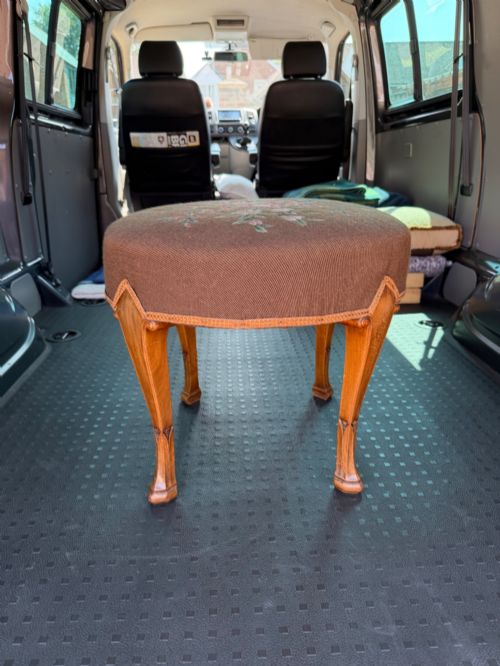
You will most frequently encounter walnut and mahogany stools alongside writing tables and dressing setups that utilise characteristic curving supports. The examples span Victorian, Edwardian, and later twentieth-century periods with various upholstered elements.
How they were made
Cabinet makers utilised solid and figured timbers such as walnut, mahogany, rosewood, and burr walnut, often pairing wooden frames with brass hardware and leather writing surfaces. Upholstered seating incorporates fabrics like velvet, leather, and traditional textiles.
Construction techniques combine shaped wooden framing with carved ornamentation, seen in Queen Anne style and Chippendale revival pieces. Surfaces receive finishes that highlight the natural grain of the wood, from plain mahogany to burr walnut and lacquered Chinoiserie.
Listings span the eighteenth, nineteenth, and early twentieth centuries, featuring walnut, mahogany, rosewood, and burr walnut.
What varies in quality
The standard of a piece rests on the depth of the timber figuring, the precision of the carving on the curving supports, and the integrity of the original structure. Subtle details like finely tooled leather inserts and well-matched burr walnut veneers separate ordinary production from finer examples.
Proportion and execution define the distinction between standard workshop output and exceptional design. Pieces that retain their original upholstery materials, harmonious timber tones, and crisp carved detailing command greater attention from collectors.
Wylie & Lochhead Glasgow
The Cabriole Leg Vanity Glossary
- Cabriole leg
- A furniture support that curves outward at the knee and tapers inward toward the ankle, ending in a pad, claw, or scroll foot.
- Lowboy
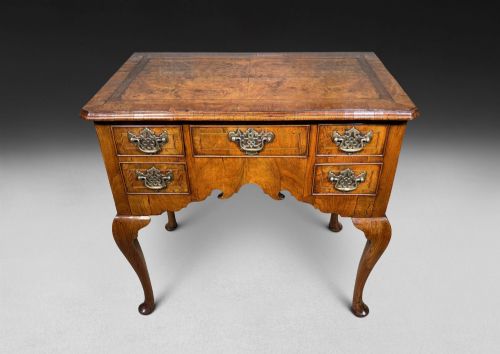
- A small dressing table or side table with drawers, typically supported on four tall legs.
- Burr walnut
- Timber taken from a tree growth or burl, prized for its swirling, highly figured grain patterns.
- Kneehole desk
- A writing table featuring a central recess for the legs with banks of drawers on either side.
- Chinoiserie
- European decorative art imitating Chinese artistic styles, often involving lacquered finishes and gilt motifs.
Cabriole Leg Vanity: Frequently Asked Questions
What is a cabriole leg vanity?
A cabriole leg vanity typically refers to dressing tables, lowboys, and matching stools supported by distinctive curving legs. These pieces draw on eighteenth-century design traditions and subsequent revival periods.
They serve as functional dressing or writing stations while introducing traditional cabinet work into modern interiors.
How do I date a piece?
Dating relies on identifying the primary timbers, construction methods, and stylistic revival cues present in the item. Victorian and Edwardian examples often display different finish characteristics compared to eighteenth-century originals.
Examining secondary woods and hardware provides further clues regarding the manufacturing era.
Where were these pieces used?
These dressing tables and stools originated in period bedrooms, dressing rooms, and private parlours. They provided a dedicated surface for grooming and writing correspondence.
Today, they adapt easily into contemporary bedrooms and studies as characterful functional furniture.
How do I care for walnut furniture?
Walnut surfaces require protection from direct sunlight and excessive moisture to prevent fading and veneer lifting. Regular dusting with a soft cloth preserves the polished finish.
Conditioning the timber occasionally helps maintain the natural lustre of figured walnut and burr surfaces.