




Floral Marquetry Side Table
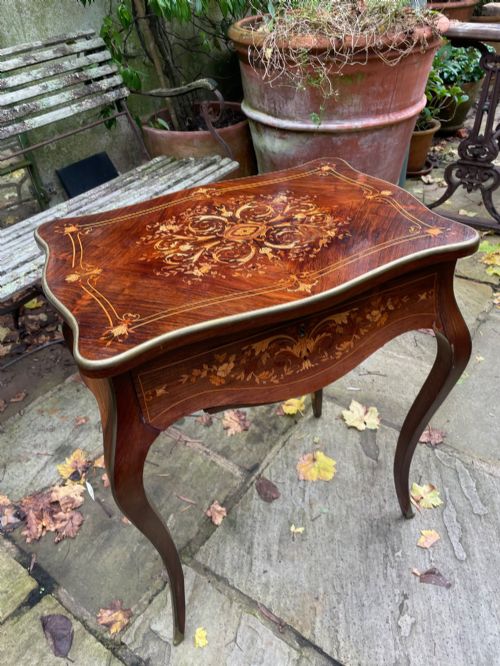
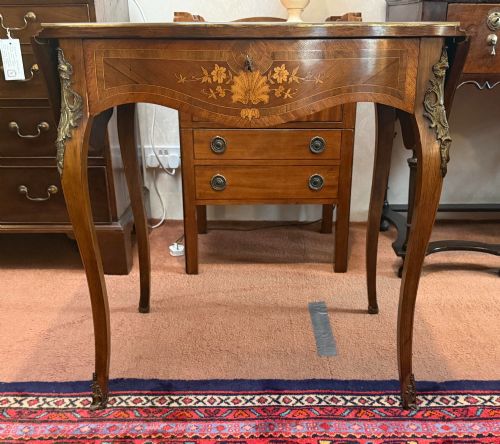
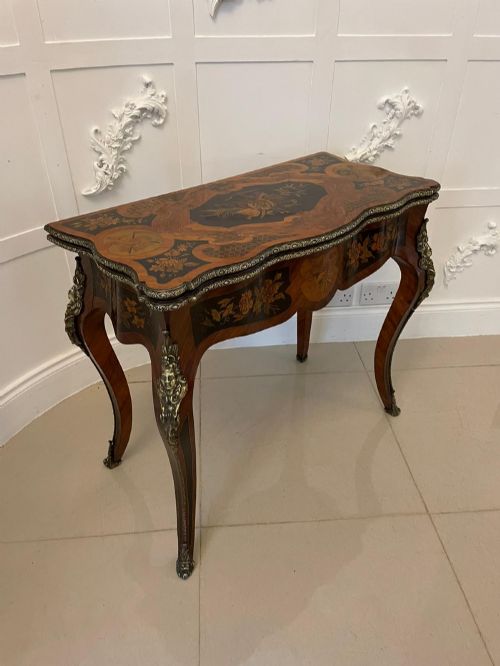
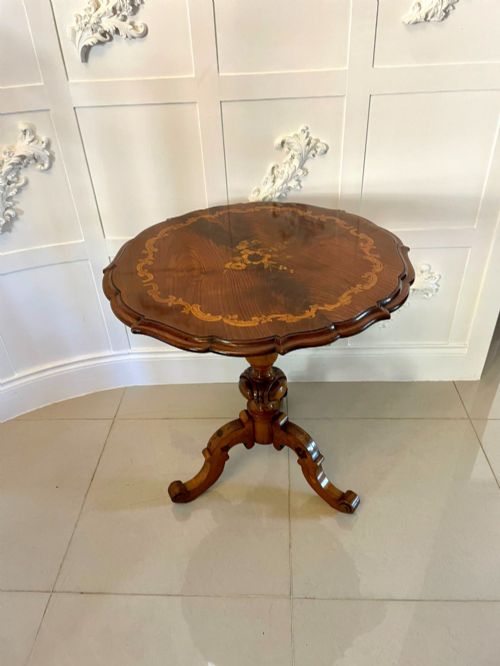
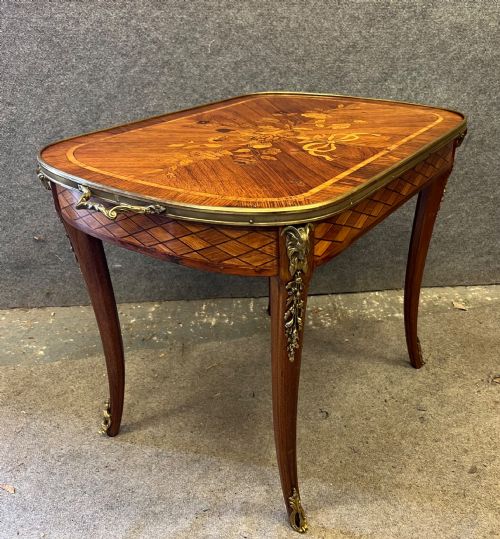
A floral marquetry side table brings intricate wood veneers and floral imagery into a room, serving as both a functional surface and a decorative focal point.
Floral Marquetry Side Table
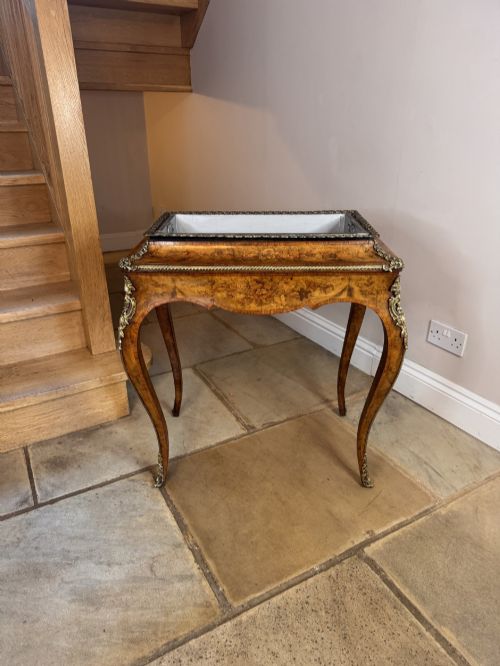
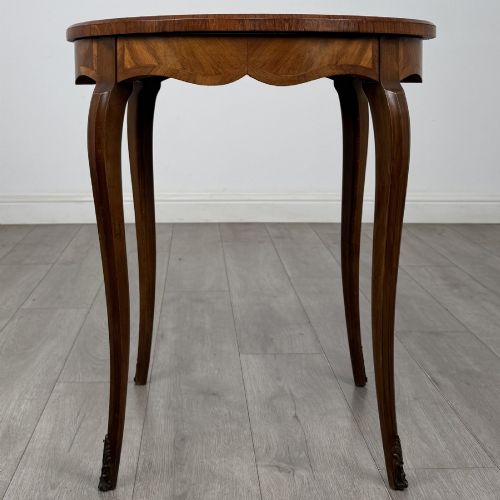
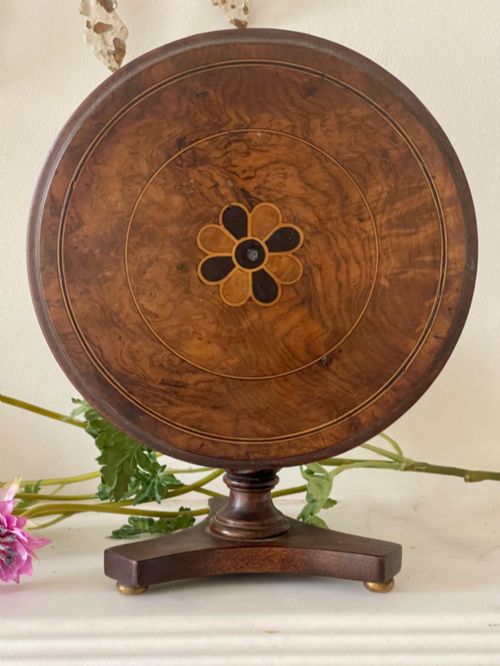
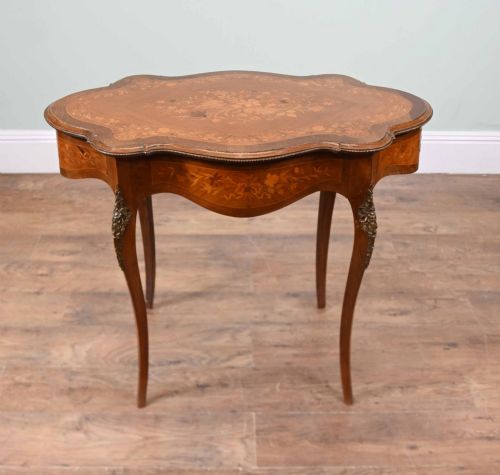
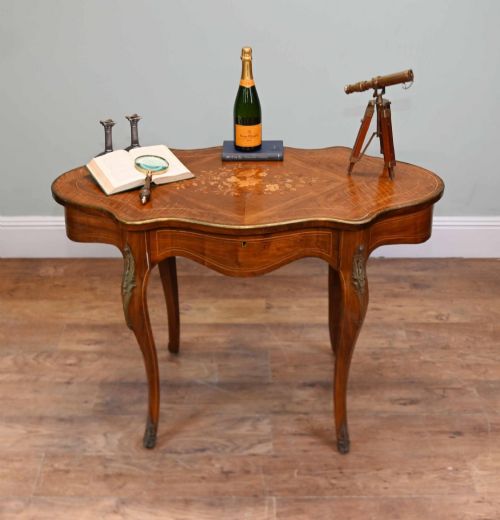
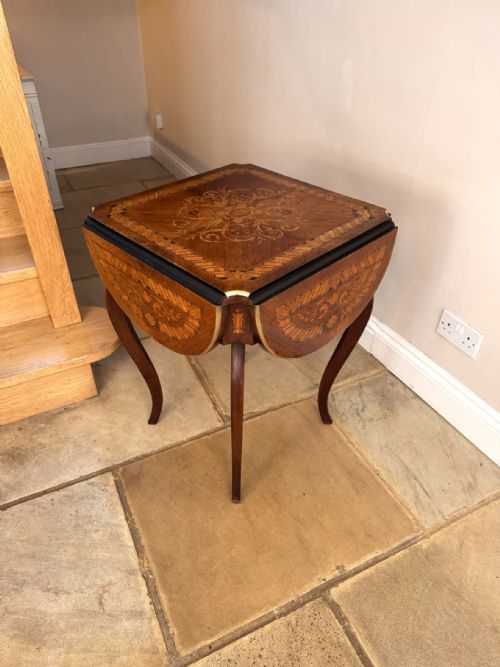
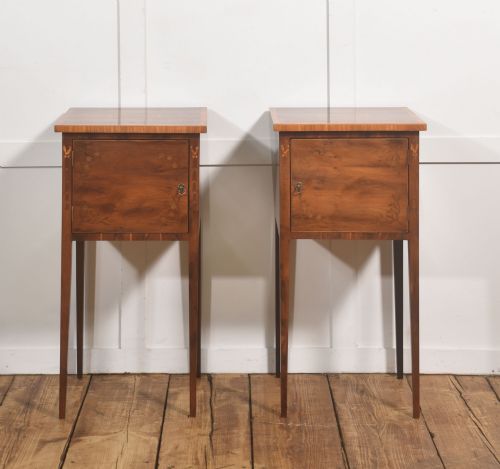
A floral marquetry side table comprises various occasional, centre, and bedside forms decorated with precise wood veneer pictorials. These pieces span multiple periods, with Victorian and 18th-century examples appearing frequently alongside later 20th-century interpretations.
Makers often drew upon French styles such as Louis XV Revival or Dutch Rococo traditions. The resulting furniture ranges from compact bedside cabinets and two-tier étagères to larger freestanding centre tables.
How They Were Made
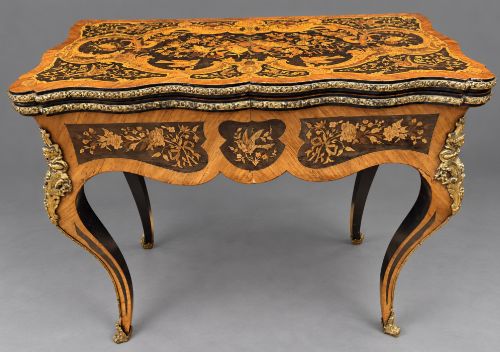
Craftsmen built these surfaces using a primary timber framework of walnut, mahogany, or rosewood, onto which thin veneers of kingwood, satinwood, and fruitwood were applied. Floral motifs were meticulously cut from contrasting wood types and sometimes bone, then fitted together like a jigsaw puzzle before being glued down.
Metal mounts in orrmolu often enriched the design, framing the wooden panels and protecting the edges of tables intended for regular use.
Floral Marquetry Side Table Retail Price Guide 2026
Typical asking prices for floral marquetry side table among the pieces listed under this phrase on Sellingantiques today, from the lower quarter to the upper quarter. They describe what is for sale here now, not the wider market.
Listings feature walnut, kingwood, and satinwood foundations supporting detailed floral and bird marquetry.
What Varies in Quality
The sophistication of the veneer cutting and the natural shading of the wood determine visual depth. Finer examples display meticulous botanical detail within the floral patterns rather than simple geometric repetitions.
Secondary framing choices, such as heavy brass mounts or solid walnut carcases rather than plain softwood linings, separate standard utility pieces from high-workshop production.
Edwards & Roberts
The Floral Marquetry Side Table Glossary
- Marquetry
- A technique where pieces of coloured wood veneer are assembled to form decorative pictures on a furniture surface. This method requires considerable precision to ensure tight joints between the various botanical motifs.
- Kingwood
- A dense, richly grained tropical timber favoured by cabinetmakers for its dark violet-brown colour and contrasting golden streaks. It forms a striking background for lighter floral inlays.
- Ormolu
- Gilded bronze used for decorative mounts, feet, and edge trim on fine furniture. It accentuates the contours of revival styles.
- Étagere
- An open tiered piece of furniture designed for display or small objects. These lightweight stands often feature marquetry tops on each level.
- Demi-lune
- A half-moon shape characteristic of side and serving tables designed to stand flat against a wall. This profile allows for curved veneered panels.
Floral Marquetry Side Table: Frequently Asked Questions
How do I clean floral marquetry?
Dust gently with a dry, soft cloth and avoid chemical sprays that can damage the old polish. Natural wax applied sparingly preserves the sheen of the delicate veneers.
Keep these surfaces away from direct sunlight and radiators to prevent the tiny wooden pieces from drying out and lifting.
Where should I place this table?
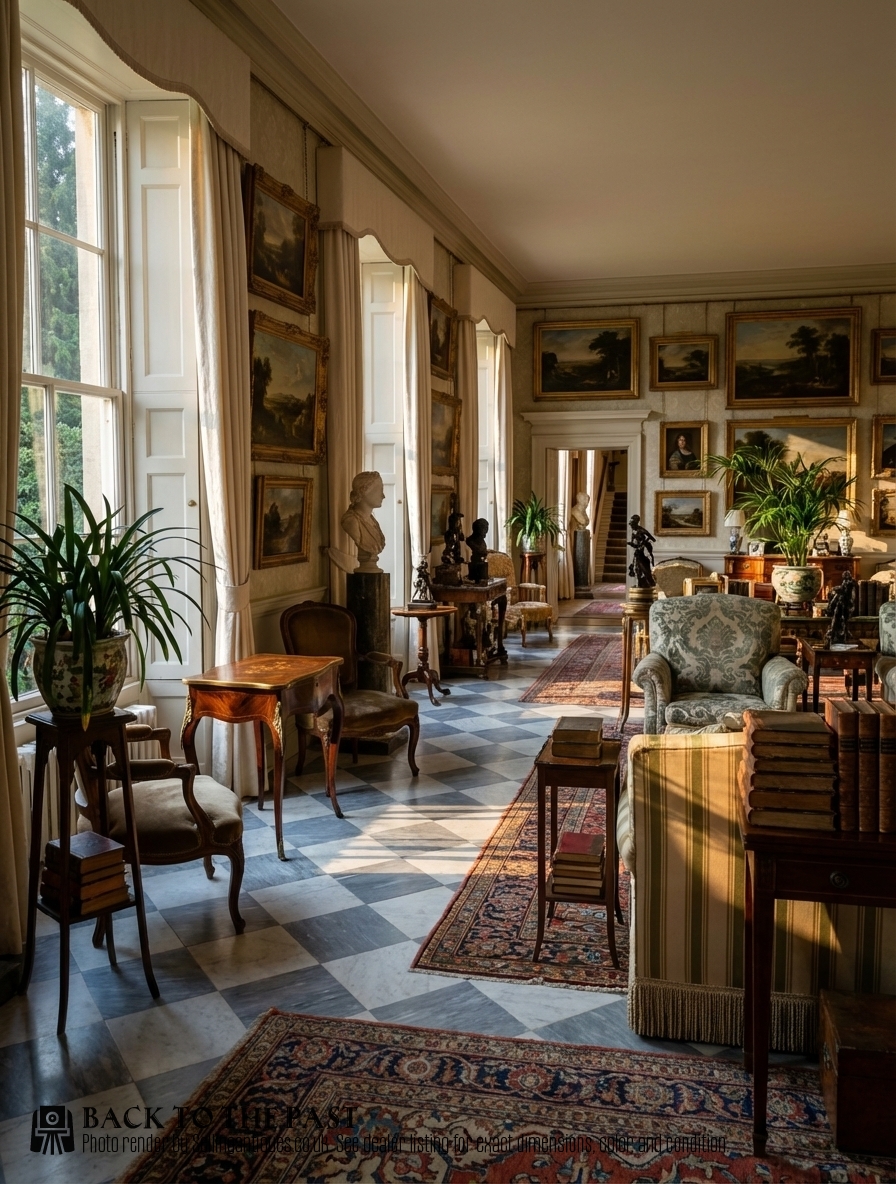
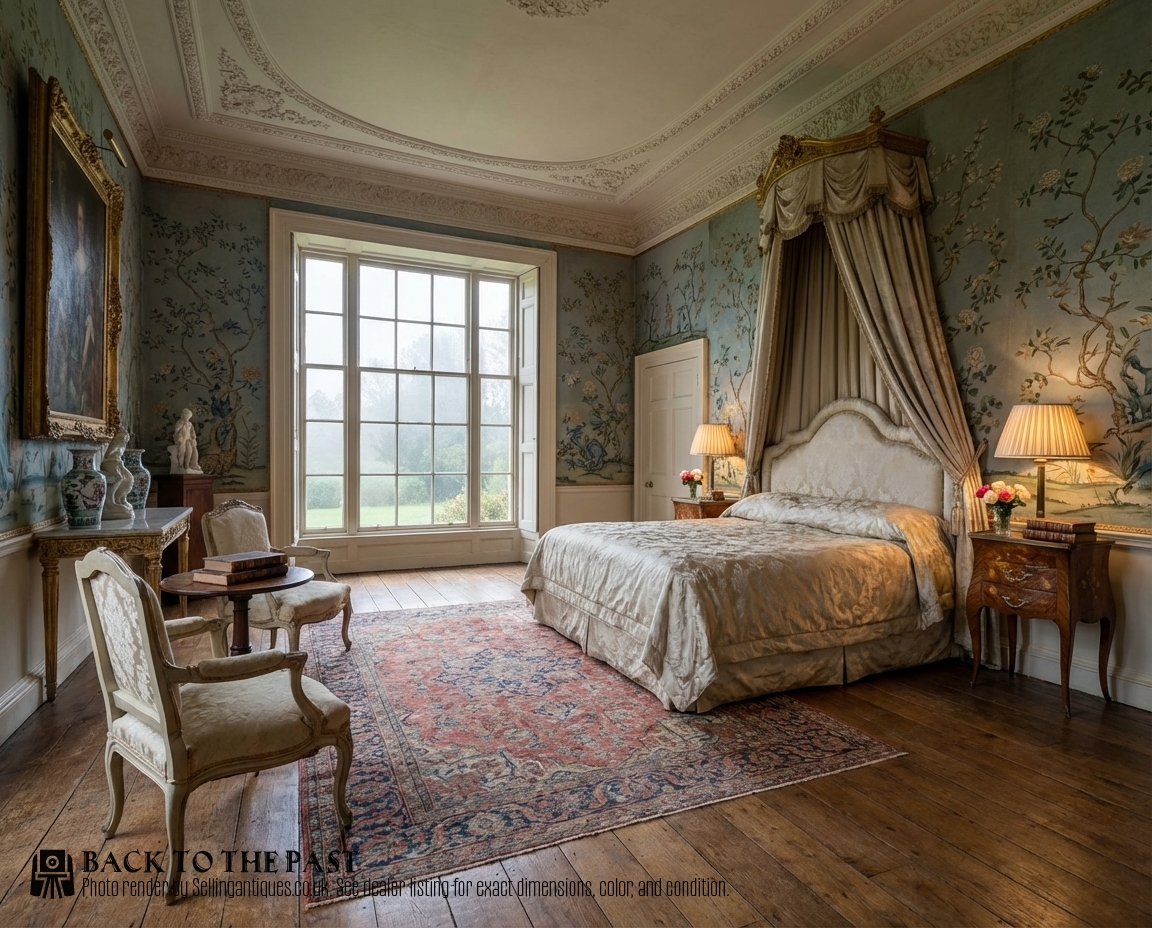
These pieces suit living rooms as lamp tables or hallways where their decorated tops remain fully visible. Smaller versions function well as bedside cabinets or occasional stands.
Ensure the location maintains a stable temperature and humidity level to protect the intricate wood inlays.
How can I tell French from Dutch styles?
French interpretations typically utilise flowing curves, kingwood grounds, and restrained ormolu mounts inspired by Louis XV designs. The floral patterns often feel lighter and more naturalistic.
Dutch versions frequently employ denser, more exuberant floral and bird marquetry across darker walnut or mahogany carcases, showing strong Baroque or Rococo influence.
Are these tables sturdy enough for daily use?
Most examples function adequately for holding lamps, books, or small decorative items. Their primary value, however, lies in decorative craftsmanship rather than heavy service.
Careful handling ensures the antique joints and delicate surface veneers remain intact through generations of domestic life.