



Three Drawer Bedside Tables
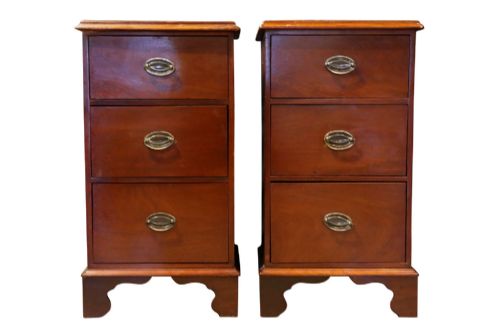
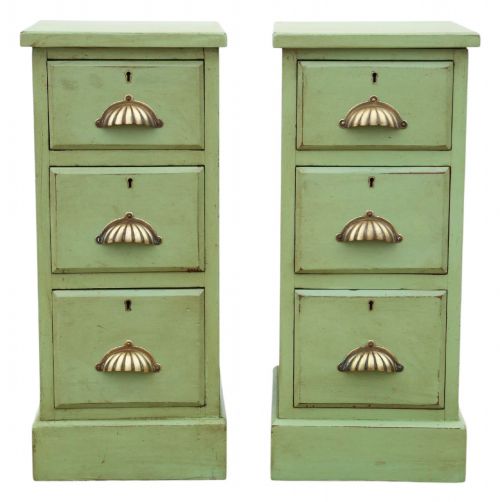
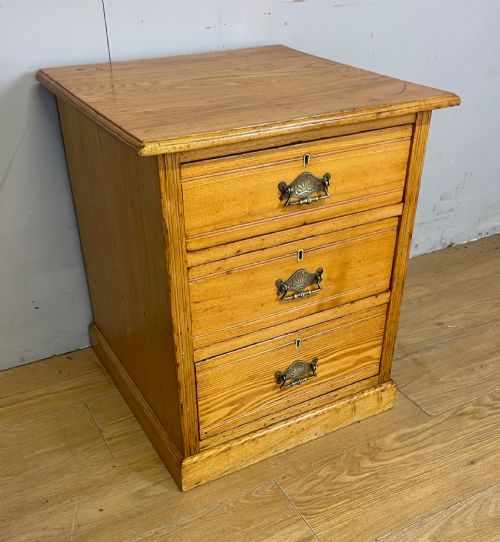
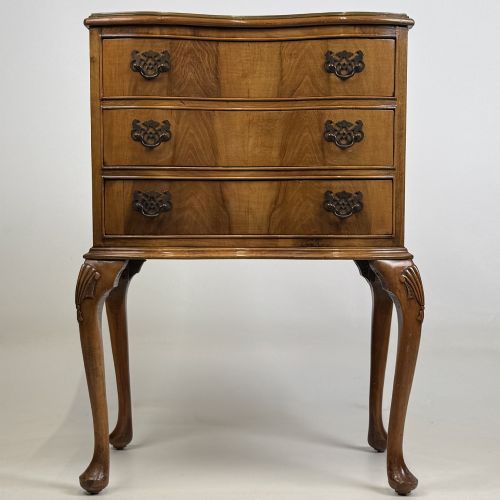
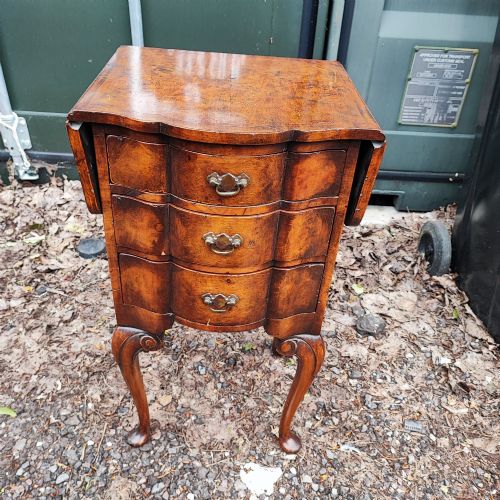
These three drawer bedside tables offer practical bedside storage through compact nineteenth and twentieth century forms.
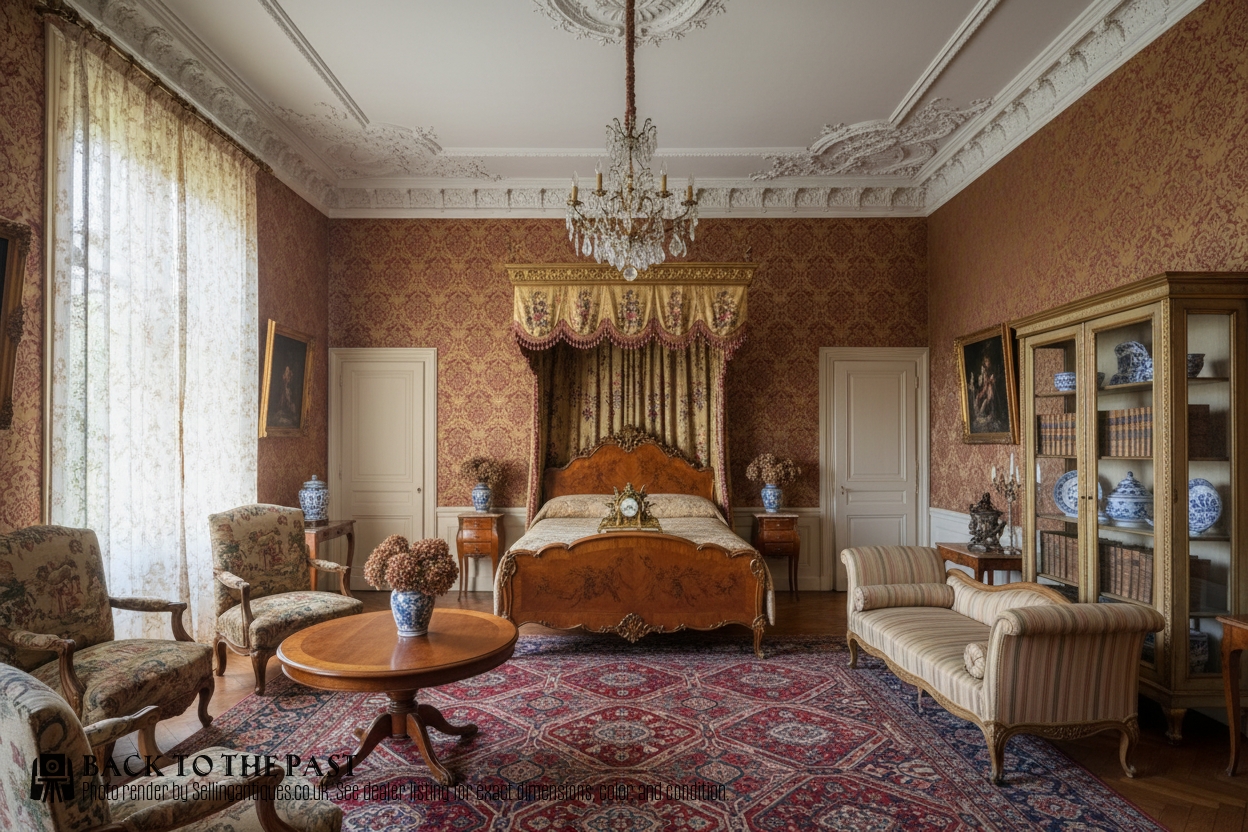
What these pieces are
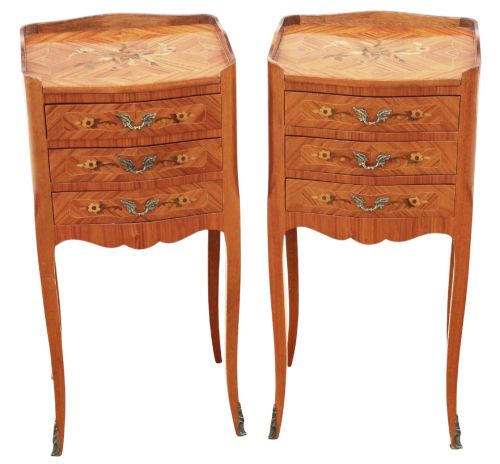
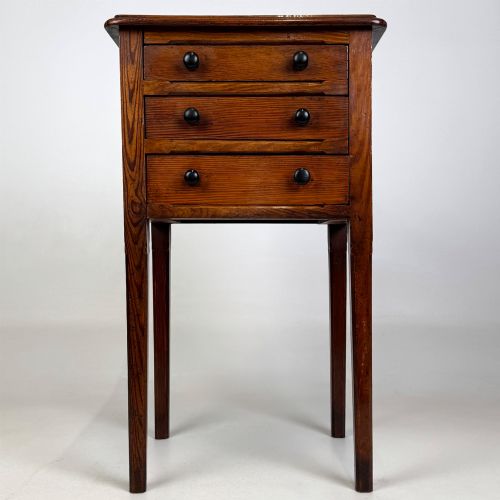
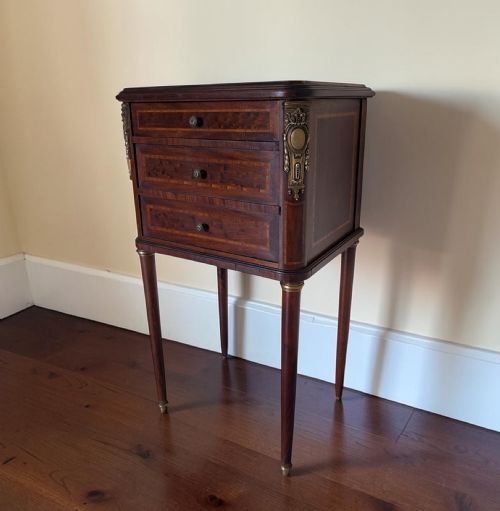
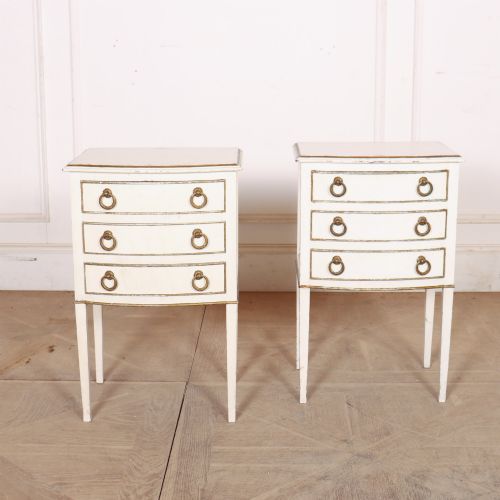
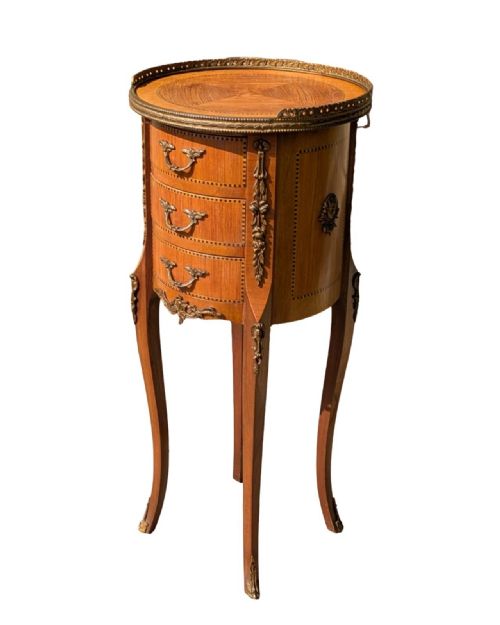
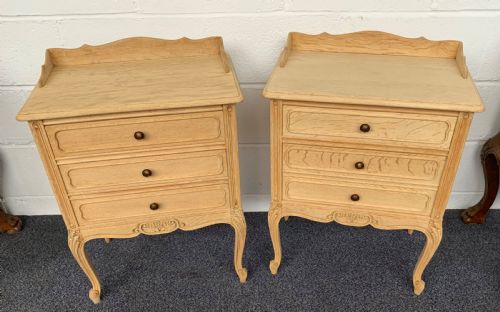
When you search for three drawer bedside tables, you encounter compact bedside chests, bedside cabinets, and nightstands designed for compact bedroom storage. The selection spans late Victorian periods up to the nineteen thirties, encompassing both British and French influences.
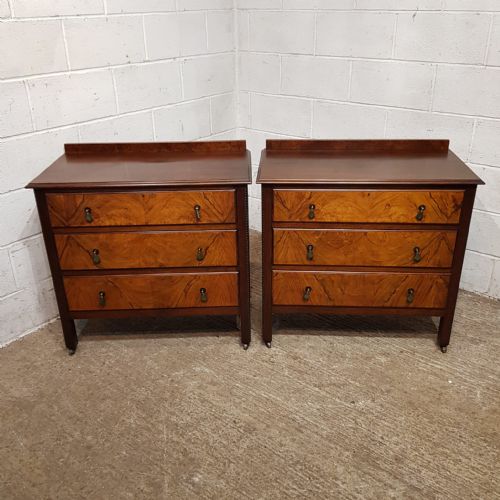
You frequently meet pairs featuring three stacked drawers, constructed in woods like mahogany, walnut, and satinwood. Styles range from Victorian campaign pieces to Louis XV revival and French provincial designs.
The evidence shows these items appearing predominantly as pairs, offering symmetrical bedside storage. Formats include marble tops, marquetry decoration, and adapted Victorian mahogany chests.
How they were made
Cabinet makers utilised solid timbers such as mahogany and walnut, frequently enhancing surfaces with satinwood veneers and intricate marquetry. Brass hardware, leather inserts, and ormolu mounts provide structural and decorative detailing.
Construction methods reflect the period of origin, from nineteenth century campaign joinery to early twentieth century French cabinet work. Marble tops occasionally provide durable work surfaces on top of wooden carcases.
Retail Price Guide 2026
Typical UK retail prices for three drawer bedside tables, calculated from the Sellingantiques database of over a million retail prices indexed since 2003. This retail price guide relies exclusively on Sellingantiques data; no external sources or auction records are used, so the figures do not describe the wider market.
Periods represented span from eighteen eighty through the nineteen thirties.
What varies in quality
Quality rests in the selection of timber veneers and the precision of marquetry work across the drawer fronts. Finer examples display harmonious grain matching and sophisticated brass or ormolu mounts.
The integrity of the construction, particularly in adapted pieces from the Victorian era, dictates the standard of the item. Original hardware and uncompromised structural timber separate standard examples from finer specimens.
The Three Drawer Bedside Tables Glossary
- Marquetry
- Decorative veneer work arranged in geometric or floral patterns across furniture surfaces. This technique requires considerable skill from the cabinet maker.
- Ormolu
- Gilt bronze mounts applied to furniture for decorative effect. It appears frequently on French revival pieces.
- Campaign
- Portable furniture designed for military officers during the nineteenth century. These pieces often incorporate brass corners and recessed handles.
- Satinwood
- A durable, lustrous timber with a yellowish sheen used for fine veneer work. It brings a bright contrast to darker woods like mahogany.
Frequently Asked Questions
Are these tables usually sold as pairs?
Yes, many of the listed items and archived pieces appear as matched pairs intended for placement on either side of a bed.
This symmetry reflects how bedrooms have traditionally been furnished throughout the late nineteenth and early twentieth centuries.
What materials were used?
Cabinet makers utilised a range of timbers including mahogany, walnut, and satinwood, occasionally accented with marble tops.
Additional materials like brass, leather, and ormolu provide functional hardware and decorative surface contrast.
How do I identify the period?
Dating relies on stylistic clues such as Victorian campaign brass detailing or Louis XV revival marquetry and curves.
Construction methods and timber choices also point towards specific decades between eighteen eighty and nineteen thirty.