
Victorian Two Door Cupboard
A victorian two door cupboard brings dependable utility and characterful timber to a room, offering generous enclosed storage built to last.
Forms and periods
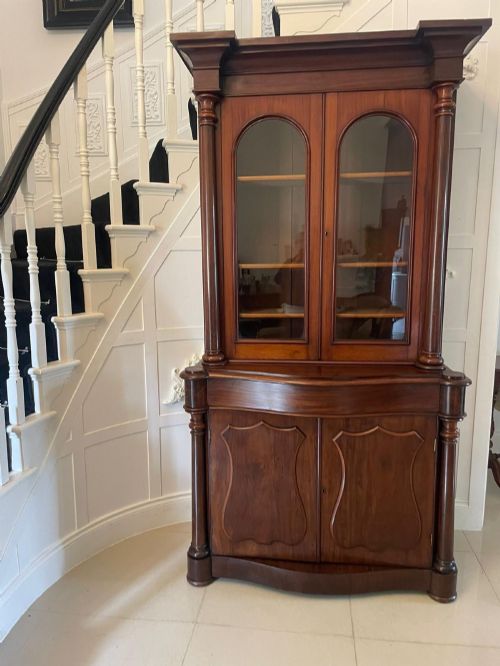
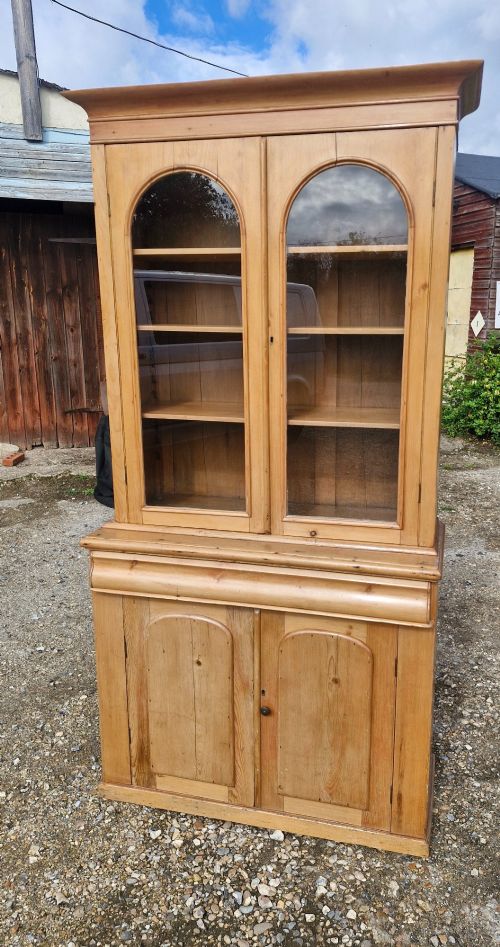
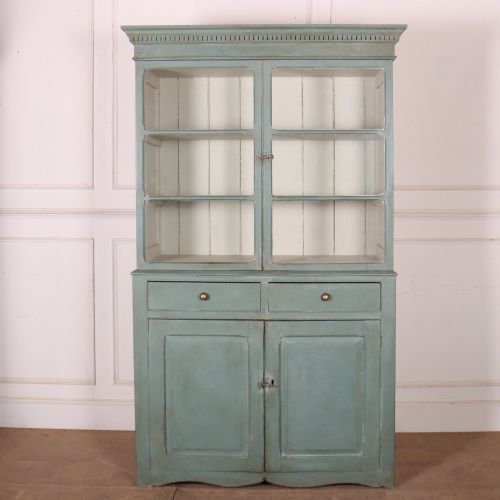
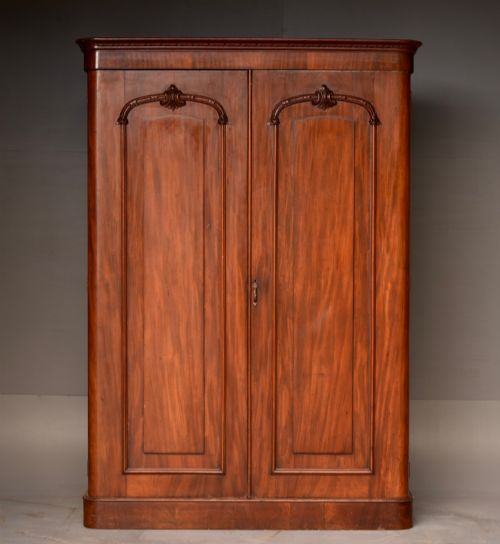
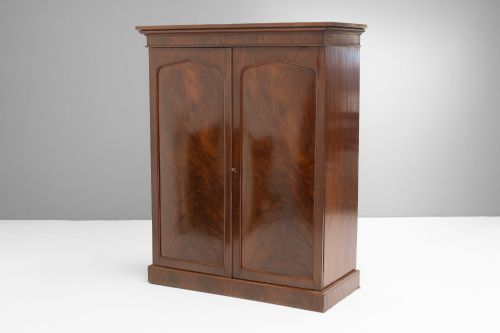
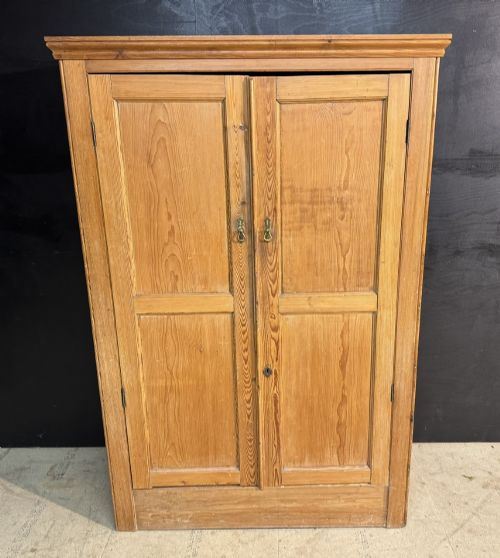
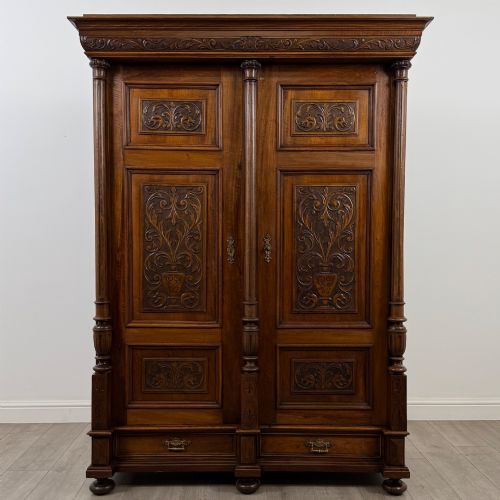
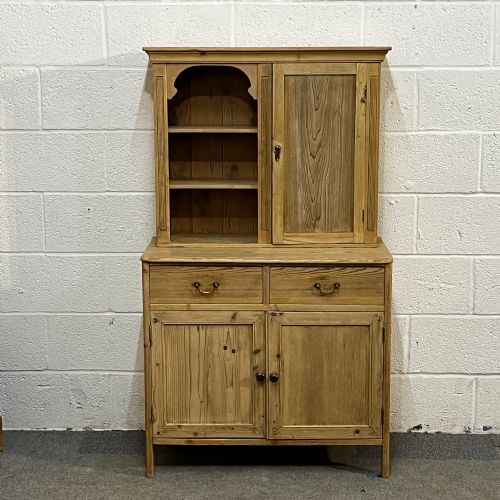
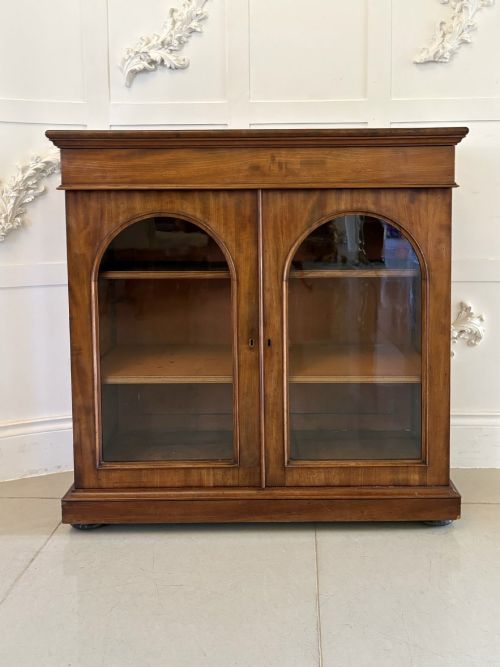
A victorian two door cupboard spans several practical forms found across nineteenth century domestic interiors. The selection ranges from compact side cupboards and shallow storage pieces to grand housekeepers cupboards and wardrobes.
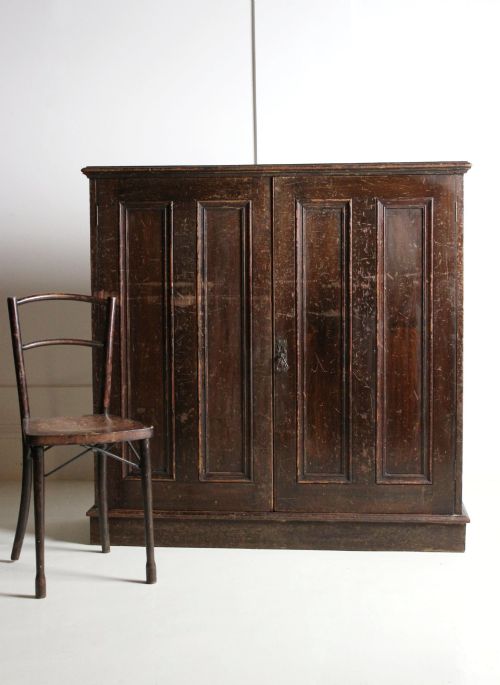
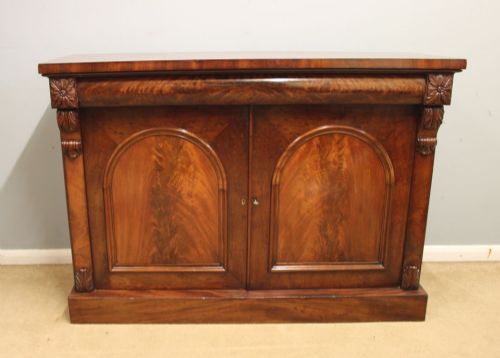
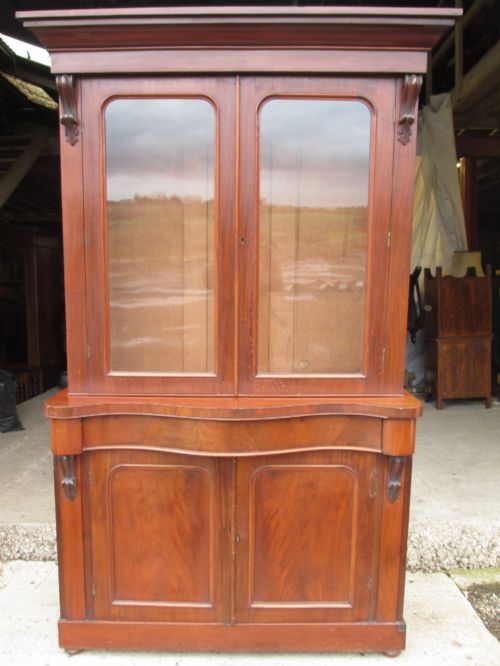
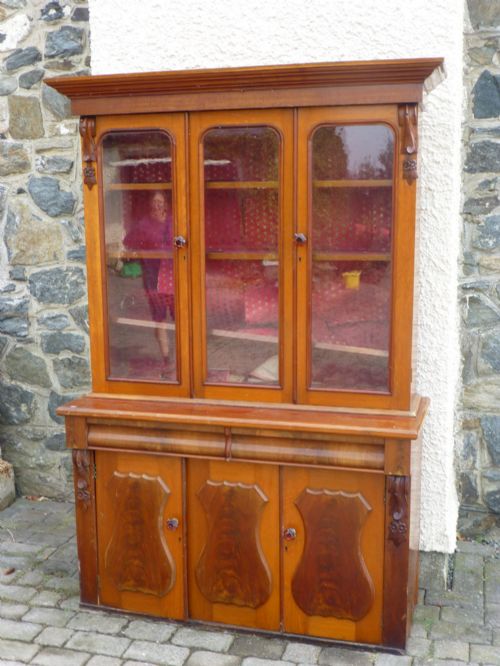
Pine and mahogany dominate the record, alongside occasional examples in cedar, oak, walnut and satinwood. Pieces vary from simple country pine storage units to polished mahogany sideboards and bookcase combinations.
Origins include English workshops and Irish examples in cedar, reflecting the widespread production of dual door cabinetry during the period.
Materials and construction
Carpenters utilised solid timber timbers such as pine, mahogany, oak and cedar to construct sturdy frames and doors. Selected examples feature decorative veneers including burr walnut and satinwood on primary surfaces.
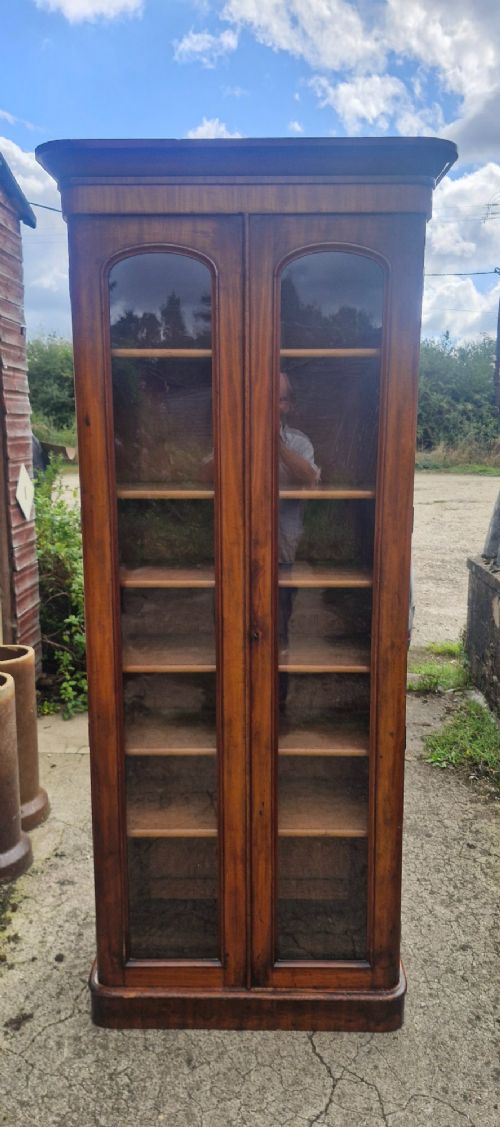
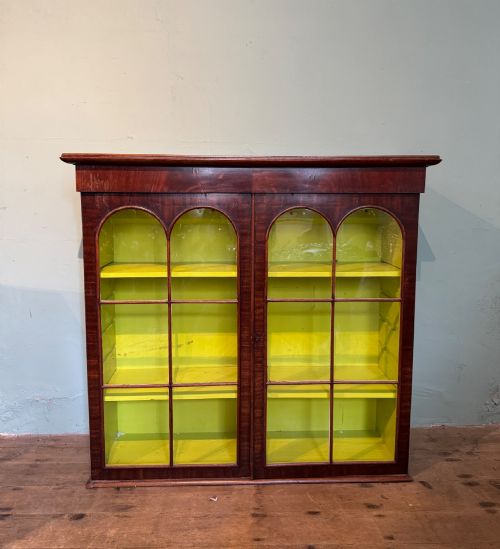
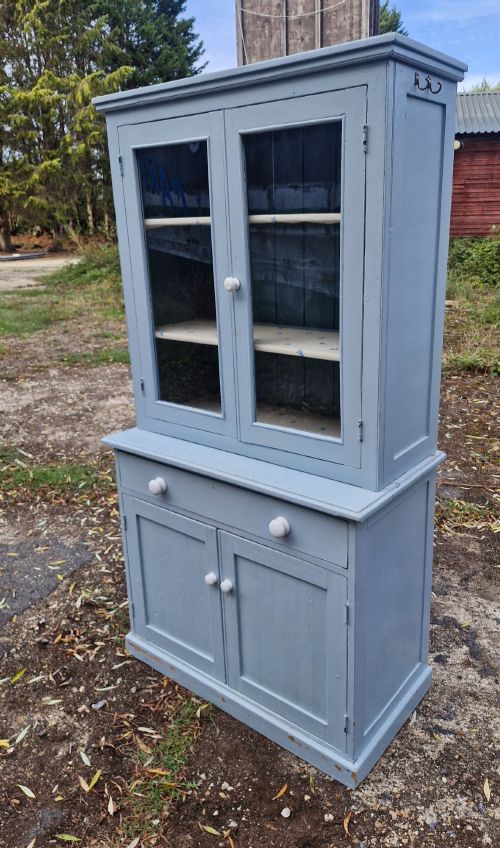
Hardware incorporates brass fittings and iron elements alongside glazed sections for upper bookcase variations. Finishes span original wax and paint surfaces to polished mahogany and finely inlaid door panels.
Retail Price Guide 2026
Typical UK retail prices for victorian two door cupboard, calculated from the Sellingantiques database of over a million retail prices indexed since 2003. This retail price guide relies exclusively on Sellingantiques data; no external sources or auction records are used, so the figures do not describe the wider market.
Listings demonstrate a strong presence of both utilitarian nineteenth century pine storage pieces and formal polished mahogany bookcases.
Distinctions in craftsmanship
Quality rests on the choice of timber and the precision of the joinery rather than mere scale. Superior examples display carefully selected mahogany or burr walnut veneers, precise inlay work, and robust internal shelving.
Simpler pine storage pieces rely on honest vernacular construction, where thick boards and solid backings define the build. Finer exhibition pieces incorporate architectural mouldings, glazed upper sections and well proportioned drawer arrangements.
The Victorian Two Door Cupboard Glossary
- Housekeepers cupboard
- A large storage cabinet traditionally used for linens and provisions in large households. These pieces often combine substantial pine construction with deep internal capacity.
- Linen press
- A tall cupboard featuring internal sliding trays or shelves for storing folded textiles. They frequently pair a two door upper section with a chest base.
- Glazed bookcase
- A cabinet with glass panelled doors allowing books or display items to be viewed while protected from dust. They often sit atop a solid two door cupboard base.
Frequently Asked Questions
Where should I place a two door cupboard?
These cupboards suit living rooms, hallways and bedrooms where concealed storage is required. Their flat tops also provide a useful surface for lamps or display items.
Larger variations like housekeepers cupboards require adequate wall space and clearance for the double doors to open fully.
How do I care for nineteenth century timber?
Keep wooden surfaces away from direct heat sources and strong sunlight to prevent the timber from drying out or splitting. Regular dusting with a dry cloth maintains the finish.
Wax polished pieces benefit from occasional application of quality beeswax to nourish the grain and preserve the lustre.
Are these cupboards suitable for daily use?
Nineteenth century cabinetry was built for heavy domestic service and remains exceptionally sturdy today. Solid pine and mahogany constructions handle modern storage demands with ease.
Internal shelving can accommodate books, crockery or linens depending on the depth and height of the specific cabinet.
What is the difference between pine and mahogany models?
Pine cupboards typically originate from country settings and display a rustic charm with painted or waxed finishes. They served practical utility roles in domestic quarters.
Mahogany versions tend to be more formal parlour or dining room furniture, often featuring polished surfaces, rich grain patterns and finer decorative details.