
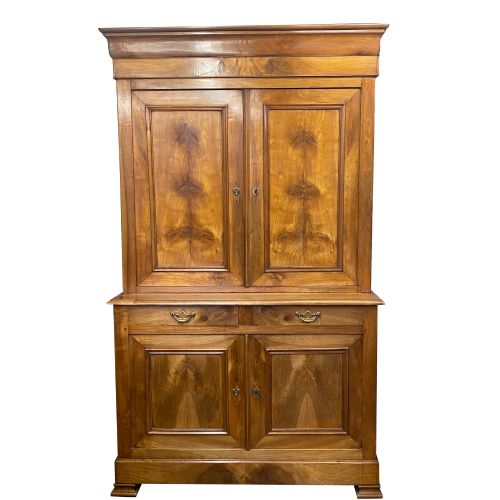
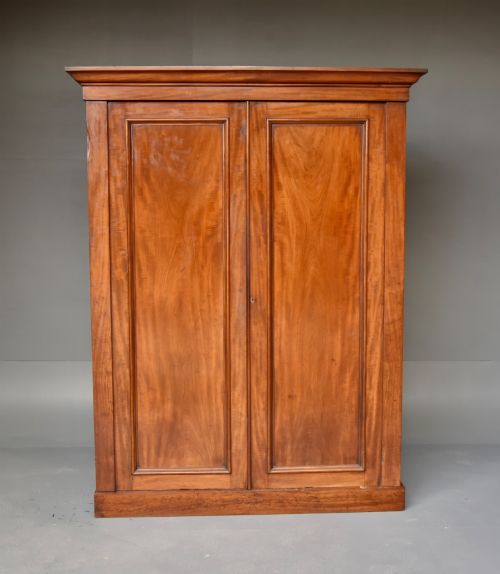
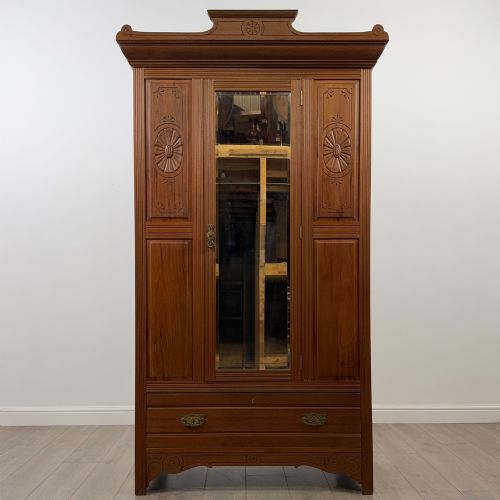
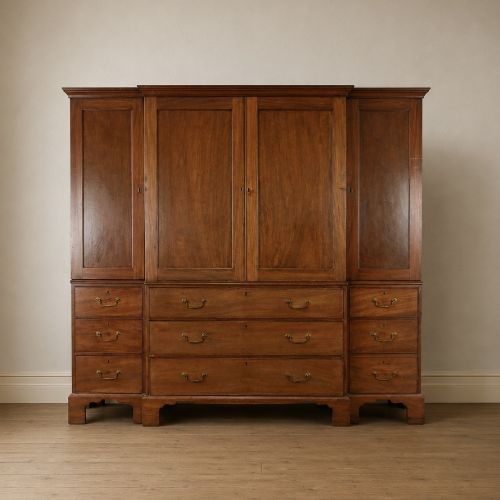





Brown Timber Armoire
These brown timber armoire pieces are substantial storage furniture prized for rich mahogany surfaces and period presence.

What these brown timber armoire pieces are
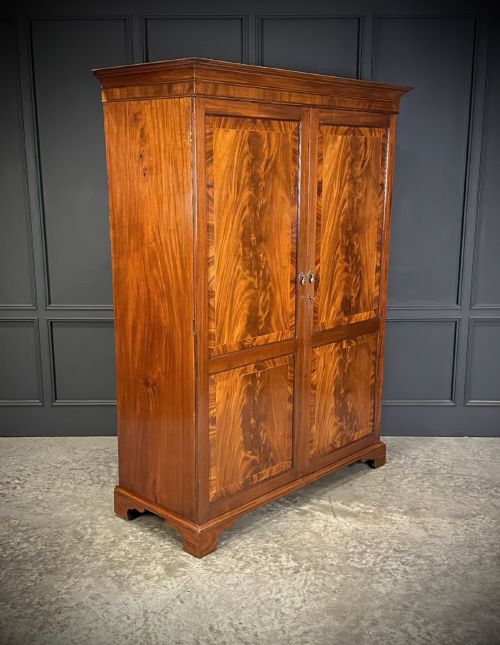
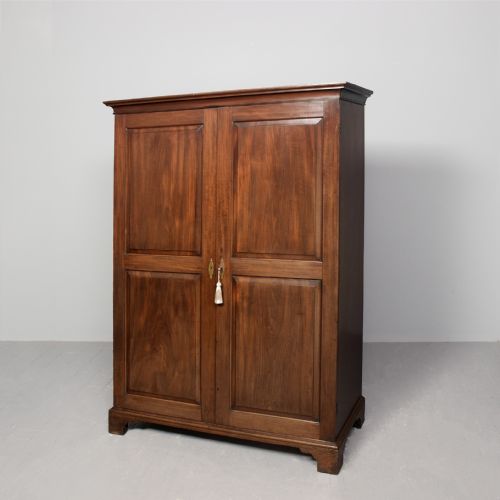
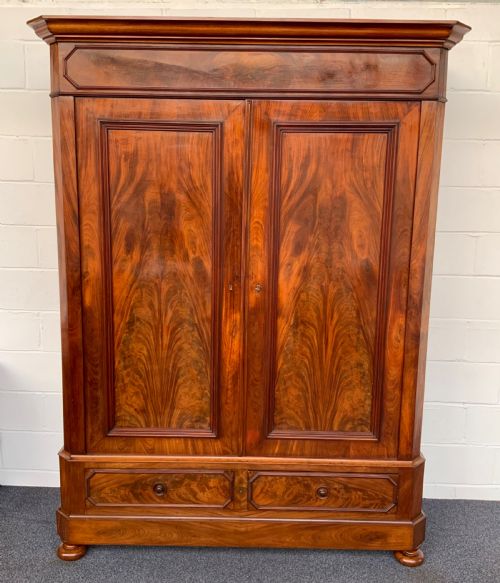
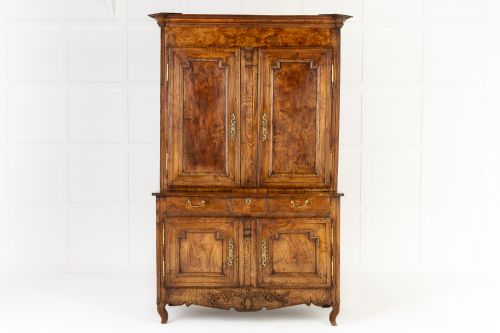
A brown timber armoire brings traditional scale and rich mahogany surfaces to a room, functioning as a primary bedroom wardrobe. Buyers searching for a brown timber armoire encounter solid timber and veneered storage furniture spanning several nineteenth-century periods.
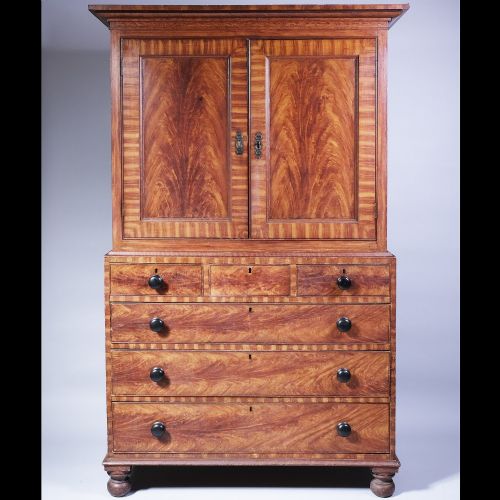
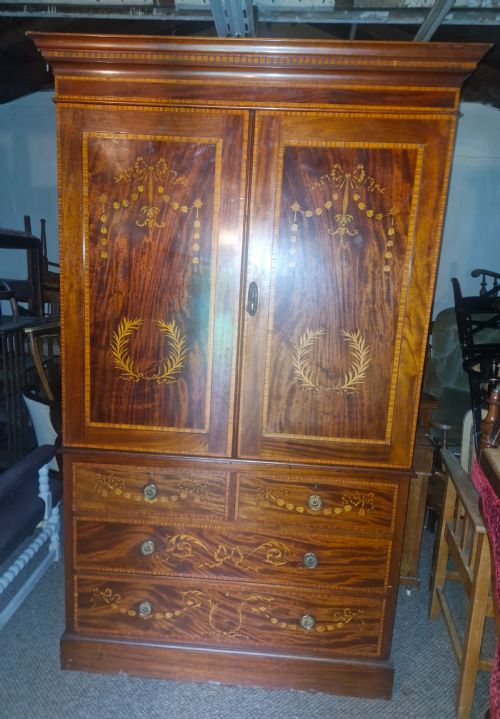
The selections available on this page include distinct formats such as single door wardrobes, double wardrobes, and three quarter height double wardrobes. Origins range across Victorian, Regency, and French design traditions from around eighteen hundred to eighteen ninety.
Makers and workshops constructed these large storage pieces to anchor grand bedrooms. Each wardrobe or armoire offers deep hanging space and internal shelving enclosed by heavy panelled or glazed doors.
How they were made
Carpenters constructed these wardrobes primarily from solid timber and mahogany veneer, often highlighting flame mahogany grain across prominent door panels. Structural frames rely on dense tropical hardwoods that provide stability for tall cabinet doors.
Metalwork details such as brass fittings add functional and decorative accents to the cabinetry. French polish or traditional oil finishes protect the timber while accentuating the deep natural colour of the wood.
Retail Price Guide 2026
Typical UK retail prices for brown timber armoire, calculated from the Sellingantiques database of over a million retail prices indexed since 2003. This retail price guide relies exclusively on Sellingantiques data; no external sources or auction records are used, so the figures do not describe the wider market.
Listings for this phrase include Victorian, Regency, and eighteen ninety pieces constructed from mahogany, brass, glass, and timber veneer.
What varies in quality
Quality in a brown timber armoire rests on the choice of timber figure, particularly how carefully craftsmen matched flame mahogany veneers across the front panels. Superior examples display balanced grain patterns that run continuously across doors and drawers.
The architectural proportion and crispness of the mouldings separate standard production from finer cabinet work. Heavier brass hardware and precise door alignment indicate skilled workshop assembly during the Victorian or Regency periods.
The Brown Timber Armoire Glossary
- Armoire
- A tall cupboard or wardrobe used originally for storing arms and later for clothes. These large pieces feature hinged doors enclosing hanging space.
- Flame mahogany
- A decorative veneer cut from where a branch joins the main trunk to create a fiery, swirling grain pattern. Cabinet makers used this timber on prominent surfaces for visual impact.
- Regency
- An English design period spanning the early nineteenth century defined by classical restraint and architectural lines. Furniture from this era often incorporates clean proportions and dark mahogany.
- Victorian
- The design era spanning the nineteenth century characterised by varied revivals and heavy, substantial proportions. Pieces from this time emphasise durability and rich timber surfaces.
- Veneer
- A thin layer of choice timber applied over a secondary wood base to provide a decorative exterior. This technique allows furniture makers to display expensive grain patterns economically.
Frequently Asked Questions
What is a brown timber armoire used for?
These large cabinets provide principal clothes storage for bedrooms through hanging rails and internal compartments.
Their substantial timber doors conceal garments while adding architectural weight to domestic interiors.
How do I date a brown timber armoire?
Dating relies on examining the timber species, construction joints, and overall stylistic proportions.
Earlier Regency pieces display classical restraint, while later Victorian examples often incorporate heavier mouldings and flame mahogany veneers.
Are these wardrobes easy to dismantle?
Many nineteenth-century wardrobes were built as knockdown furniture to allow transportation through doorways.
Pegged joints and modular cornices often separate into distinct sections for easier movement.
How should I care for mahogany timber?
Maintenance involves keeping timber away from direct heat sources and sudden humidity changes to prevent warping.
Regular dusting with a dry cloth and occasional application of traditional wax preserves the finish.