
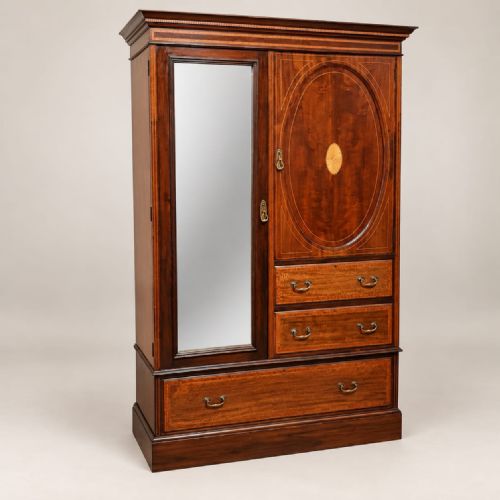
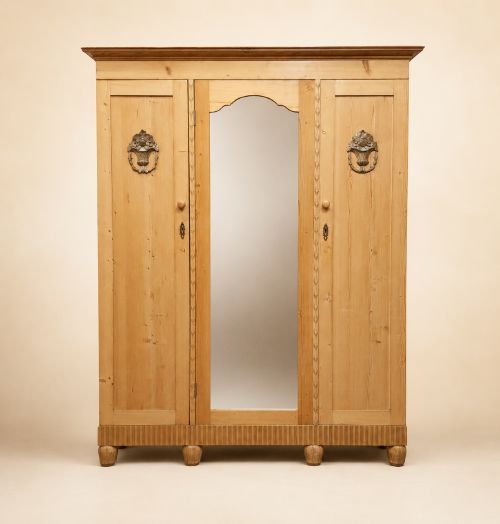
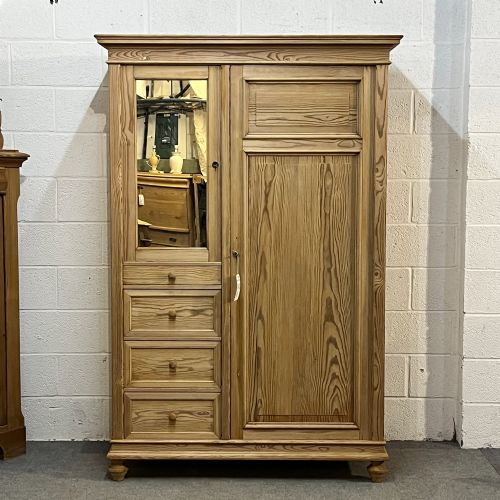
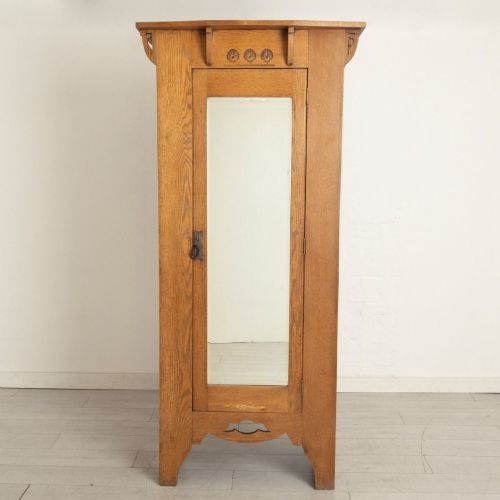
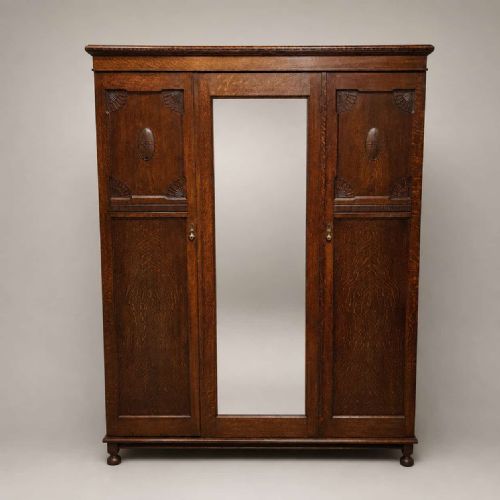
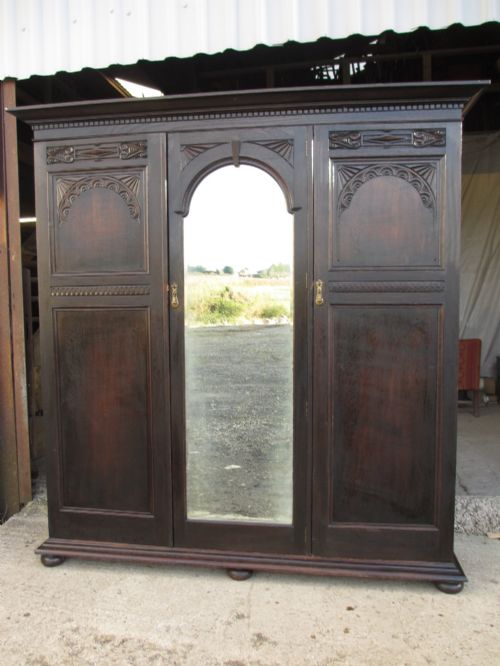
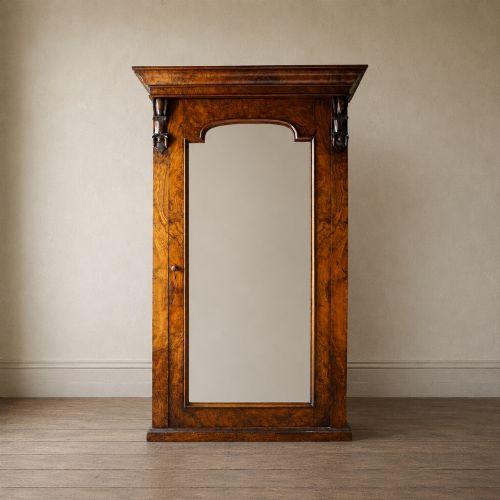
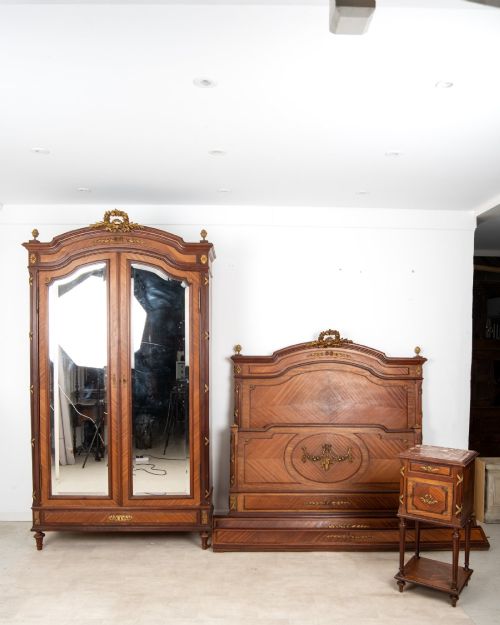
Mirrored Door Armoire
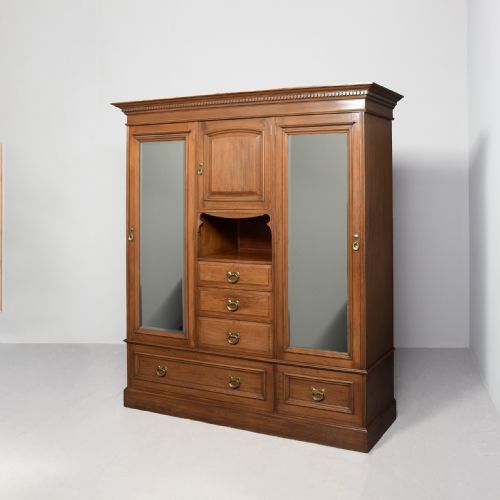
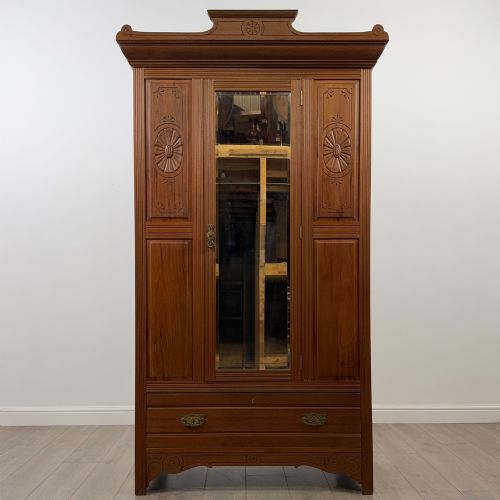
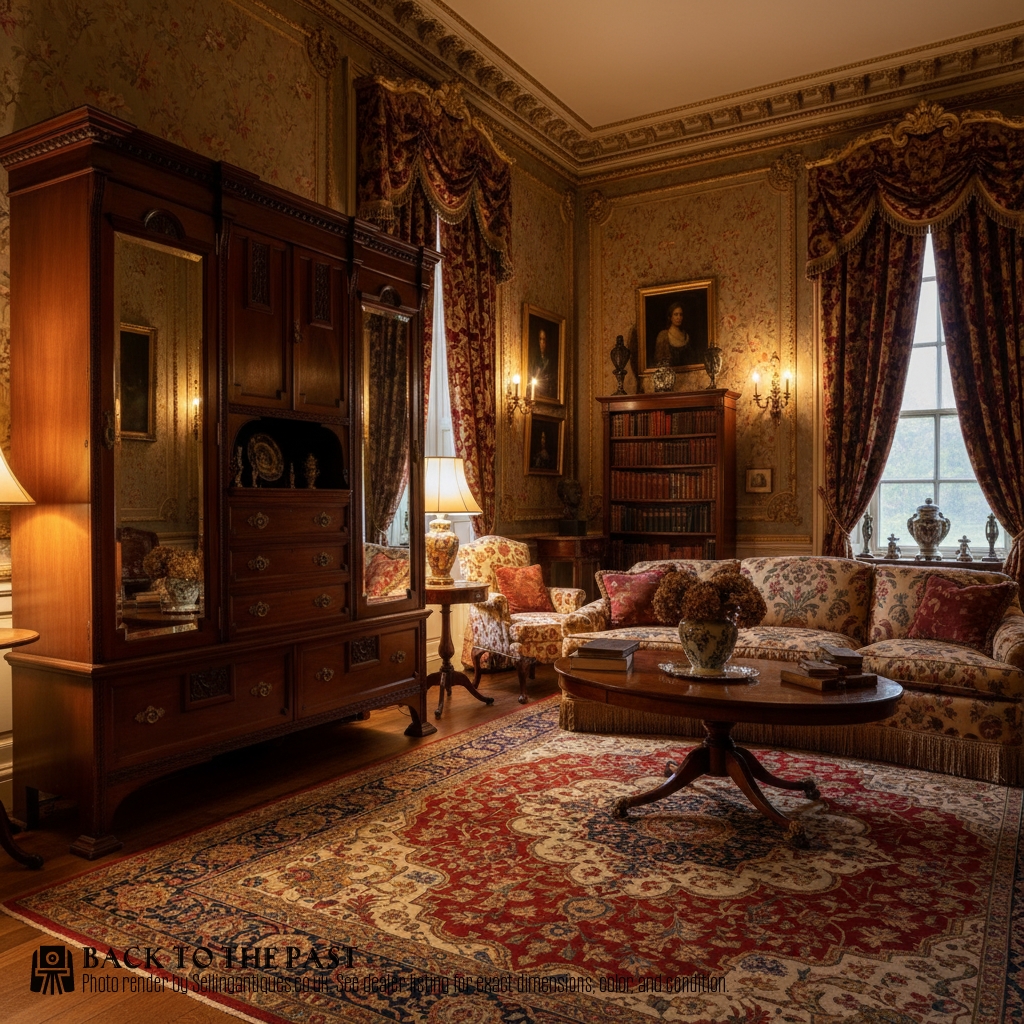
These mirrored door armoire pieces combine generous bedroom storage with full-length glass panels, bringing practical light and deep timber character into domestic spaces.
Mirrored Door Armoire
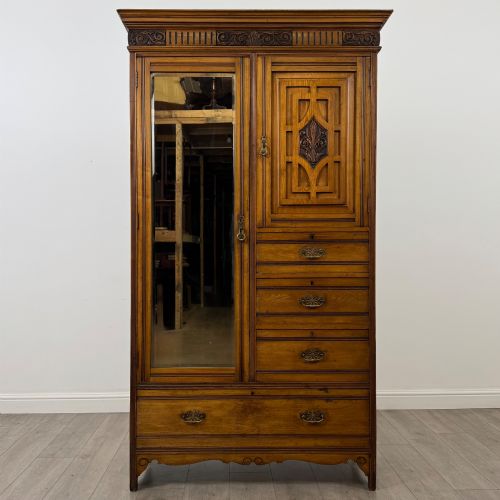
When you search for a mirrored door armoire, you encounter large bedroom furniture pieces designed to store garments while reflecting room light. The inventory spans the Victorian and Edwardian eras, alongside the 19th century and early decades of the twentieth century, appearing frequently as wardrobes, compactums, and bedroom suites.
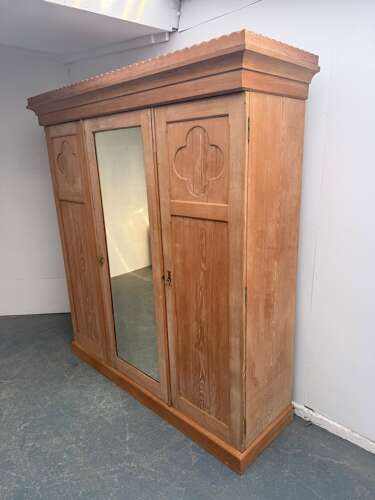
Makers utilised mahogany, oak, walnut, burr walnut, ash, pine, and rosewood to construct these large storage items. Single, double, and triple door configurations dominate the selection, often incorporating interior drawers and hanging space.
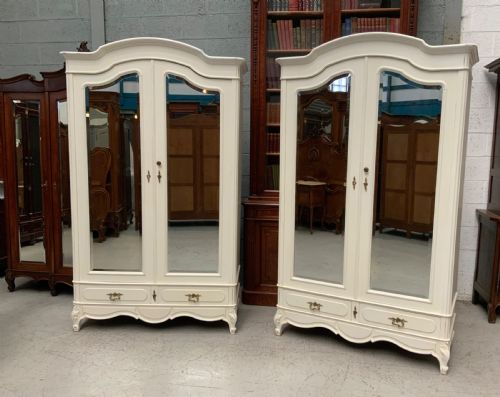
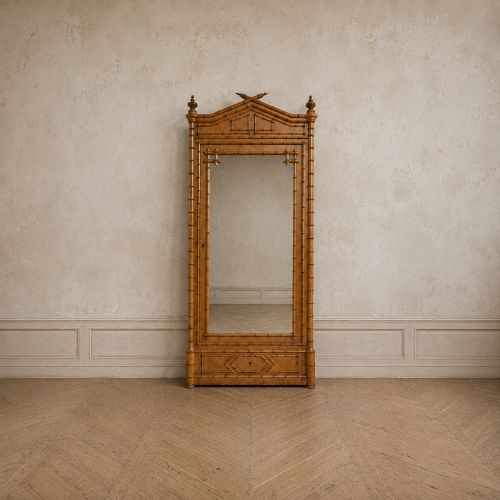
French and English origins shape the aesthetic, ranging from plain pine country models to heavily carved Victorian walnut pieces and French revival designs. Pieces from around nineteen hundred predominate, alongside late Victorian and nineteen-twenties examples.

Materials and Construction
Cabinet makers built these wardrobes using solid and veneered timbers including mahogany, oak, walnut, and ash over supportive pine carcasses. Selected surfaces display figured walnut, burr walnut, and straight-grained walnut veneers chosen for their striking grain patterns.
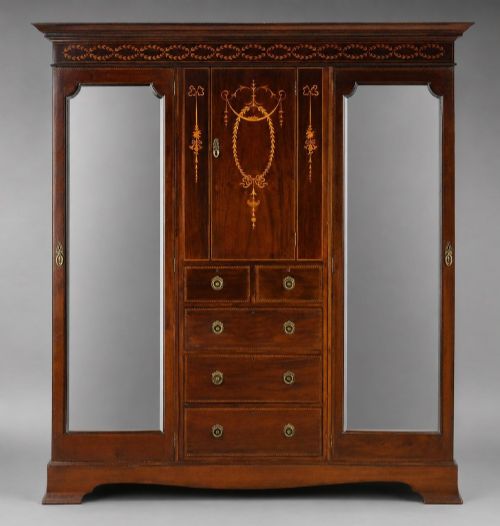
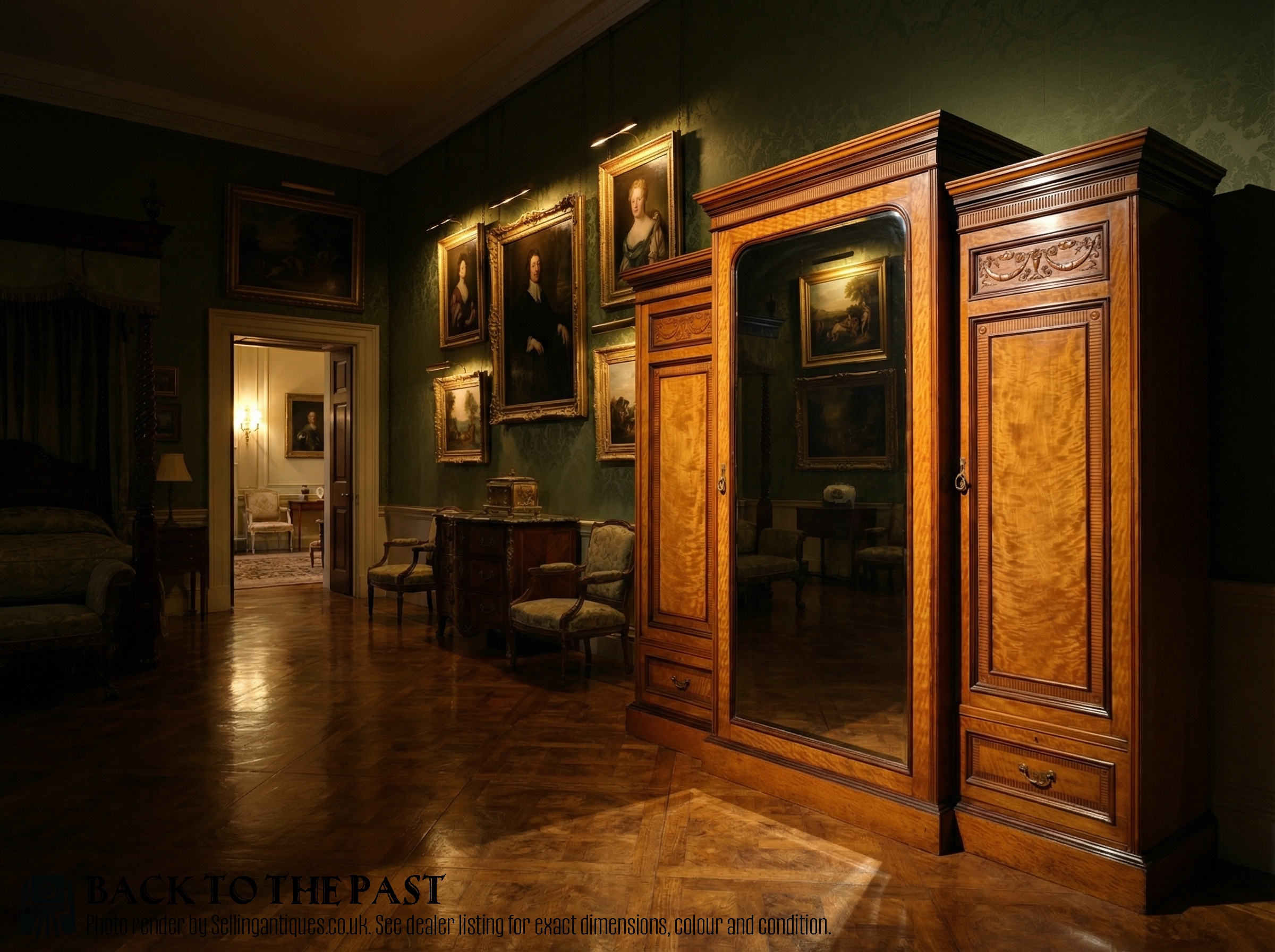
Heavy mirror glass panels form the centrepieces of the doors, secured with wooden moulding and occasionally complemented by brass hardware and gilt bronze ormolu mounts. Carved details, inlay work, and faux bamboo turning appear on specific regional and stylistic variants.
Mirrored Door Armoire Retail Price Guide 2026
Typical asking prices for mirrored door armoire among the pieces listed under this phrase on Sellingantiques today, from the lower quarter to the upper quarter. They describe what is for sale here now, not the wider market.
Listings feature woods such as mahogany, oak, walnut, burr walnut, ash, pine, rosewood, and satinwood across Victorian and Edwardian periods.
Quality and Craftsmanship
The standard of timber selection and veneer matching defines the upper tier of these wardrobes. Grain continuity across multiple doors and the depth of figure in burr walnut distinguish ambitious commissions from utilitarian pieces.
Construction methods also separate standard items from exceptional examples, seen in secondary timbers, hand-cut dovetails within interior drawers, and substantial brass fittings. Carved ornamentation executed with sharp relief demonstrates superior workshop skill compared to repetitive factory moulding.
Holland and Sons·Maple and Co
The Mirrored Door Armoire Glossary
- Armoire
- A large wardrobe or cupboard used for hanging garments and storing clothing. This term frequently applies to continental European examples.
- Compactum
- A fitted wardrobe containing a combination of hanging space, shelves, and internal drawers. These multi-purpose units maximise bedroom storage efficiency.
- Burr walnut
- Timber taken from a tree growth that produces intricate, swirling grain patterns. Cabinet makers prized this wood for high-status veneering.
- Ormolu
- Gilt bronze mounts applied to furniture for decorative effect. French pieces often utilise these metal embellishments on doors and frames.
- Combination wardrobe
- A storage piece uniting hanging compartments with banks of drawers and sometimes a central mirror door. They represent versatile Victorian and Edwardian bedroom design.
Mirrored Door Armoire: Frequently Asked Questions
How do I care for the mirror glass?
Clean the glass panels gently with standard glass cleaner applied to a cloth rather than sprayed directly, preventing liquid seepage behind the silvering.
Inspect the wooden frame periodically to ensure seasonal humidity changes do not warp the door and stress the glass plate.
What is the difference between an armoire and a wardrobe?
Armoire traditionally denotes a continental cupboard with deep roots in French provincial and chateau furnishings, while wardrobe is the standard English term.
In modern antique trading, the words overlap freely when describing large timber clothes cupboards fitted with mirrored doors.
How do I date a mirrored door wardrobe?
Examine the primary timber, hardware, and construction methods, noting that heavier carved walnut and mahogany point to the Victorian era.
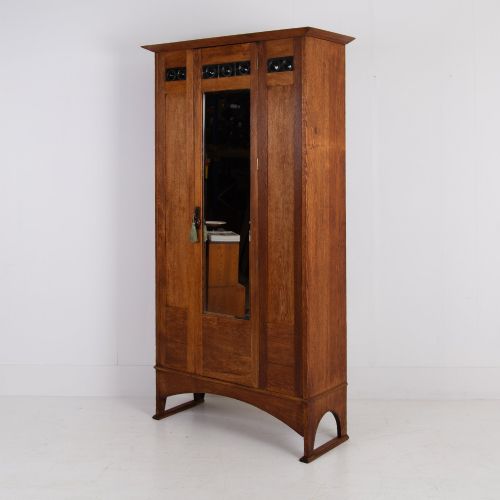
Lighter satinwood inlay, ash, or simpler oak forms typically indicate Edwardian production or early twentieth-century Arts and Crafts influence.