
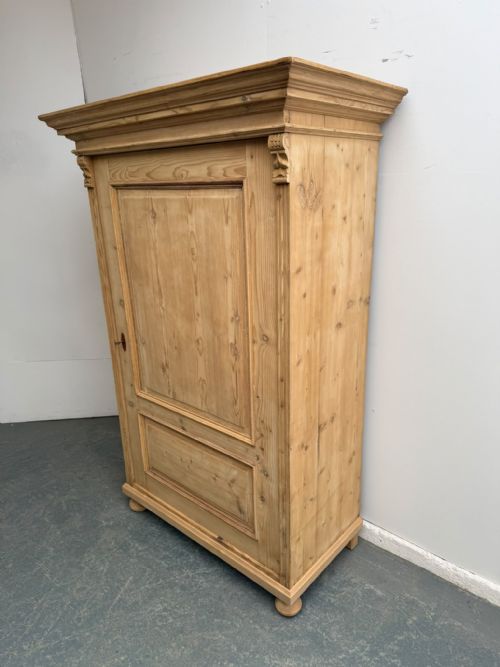
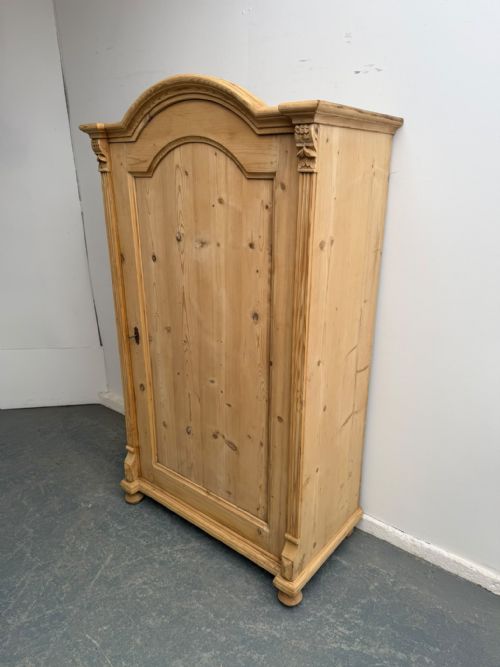
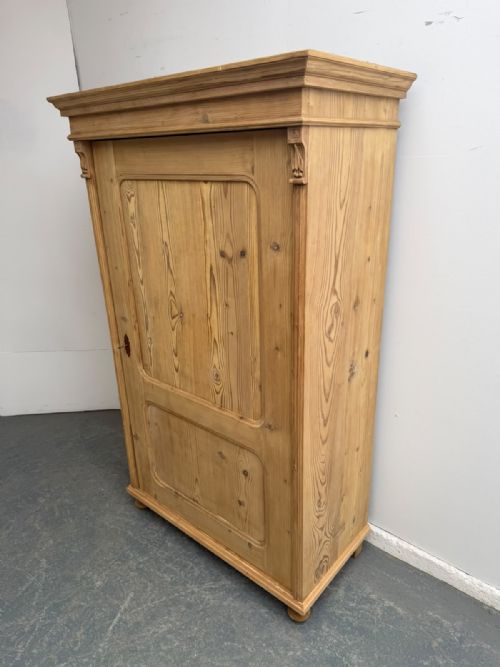
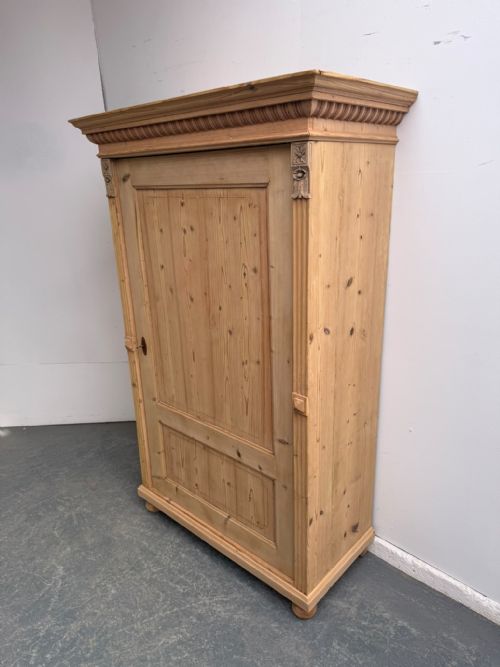
Victorian Single Wardrobe
When you search for a victorian single wardrobe, you are looking for compact nineteenth-century clothing storage designed for smaller rooms.
Victorian Single Wardrobe
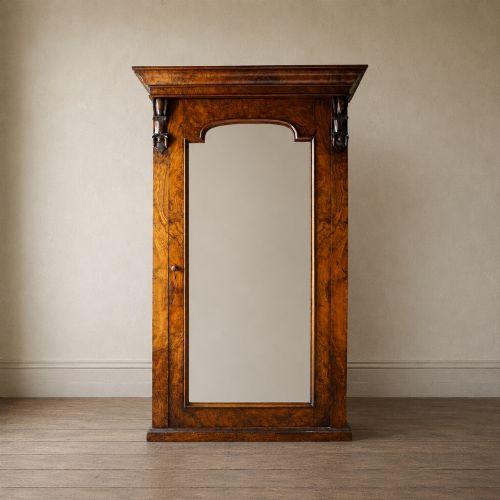
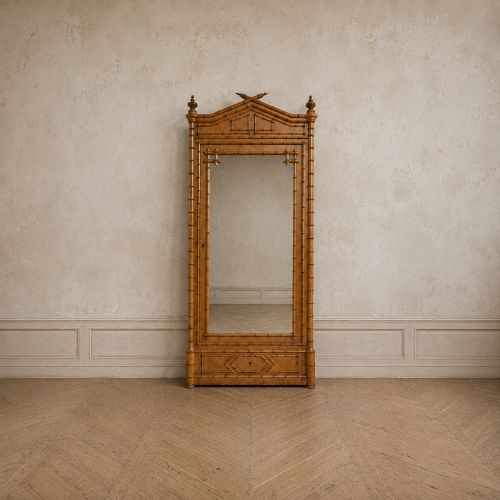
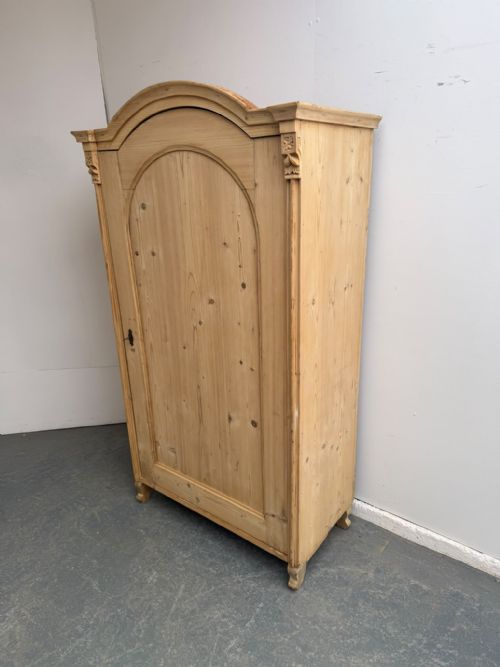
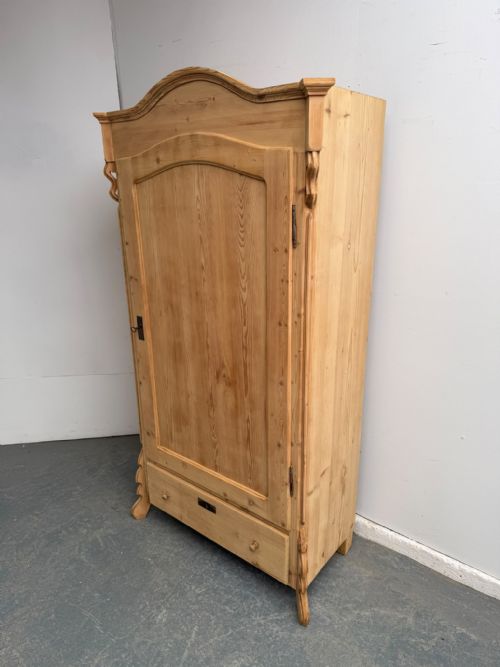
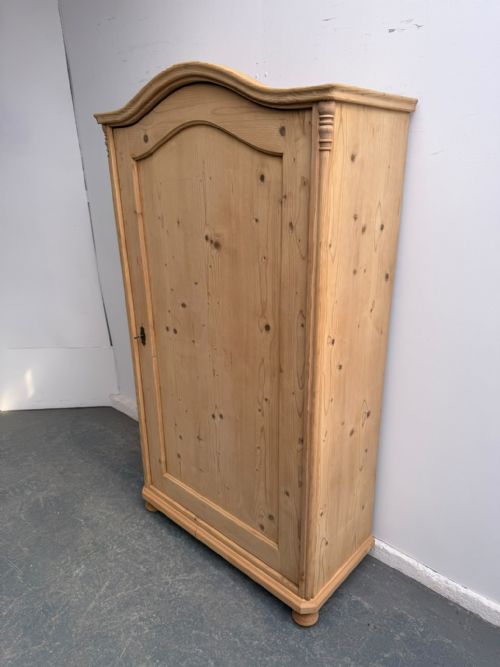
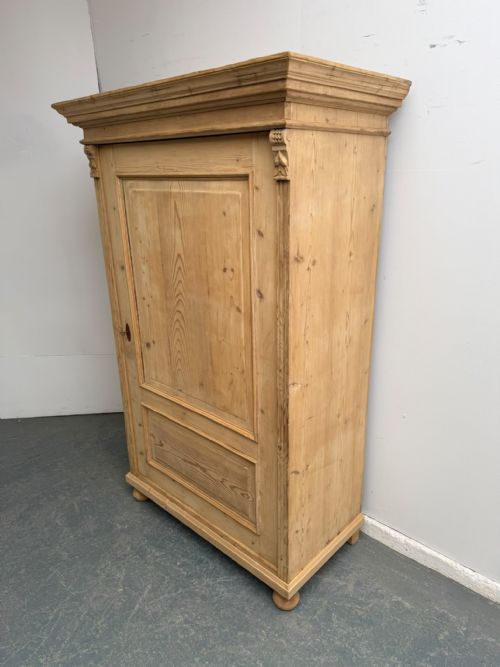
A victorian single wardrobe provides vertical storage for garments within a single-door footprint, suiting compact bedrooms and hallways. Pieces appearing here span the Victorian era alongside related Edwardian and turn-of-the-century examples.
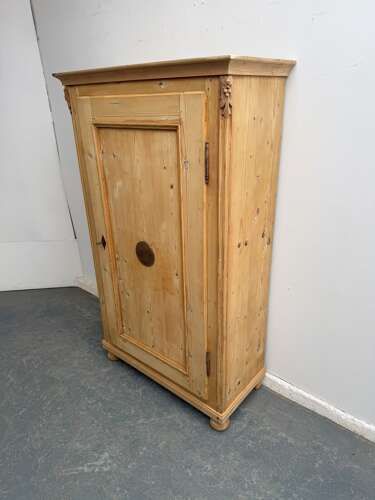
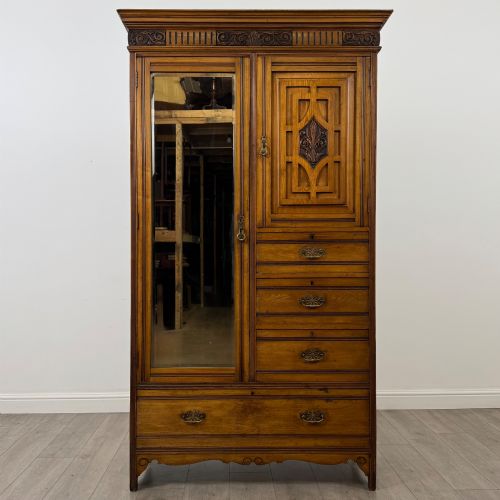
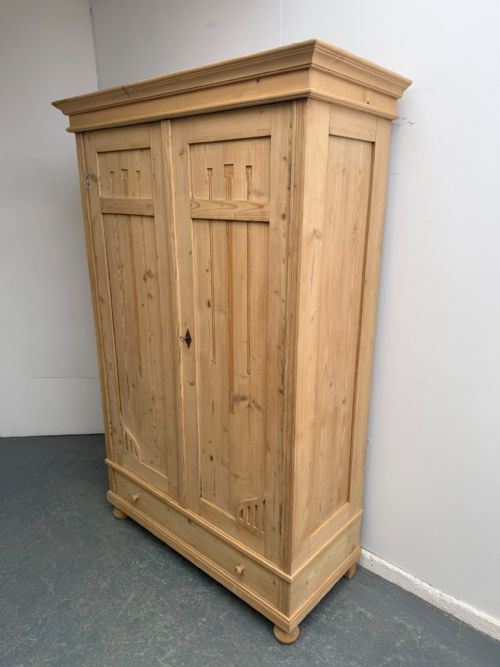
The form appears most frequently in dense hardwoods like mahogany alongside practical pine variants often configured with internal hanging space or drawers. Builders also utilised ash, walnut, satin birch, and oak to construct these narrow wardrobes.
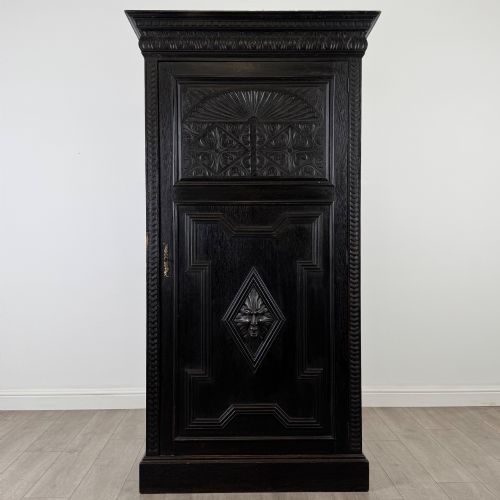
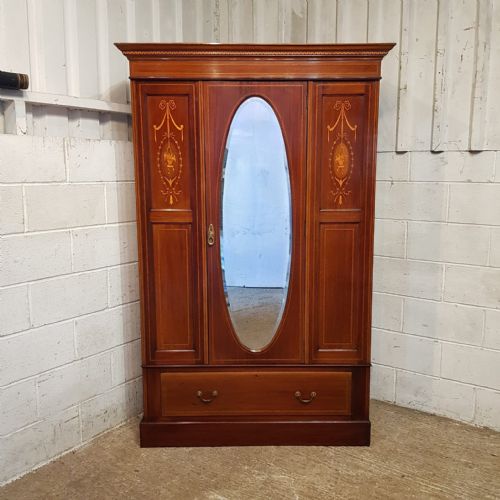
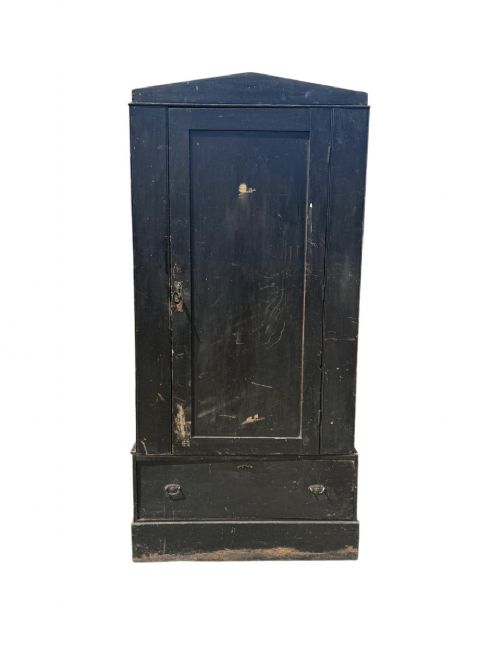
Regional variations span formal mahogany sentry box models to rustic pine kitchen cupboards and architectural Gothic Revival designs. Buyers encounter everything from mirrored doors to carved panels and simple painted finishes.
How they were made
Cabinetmakers constructed these wardrobes using solid timbers including mahogany, pine, oak, and ash, frequently applying veneers of burr walnut, bird's eye maple, or figured mahogany to principal surfaces. Iron and brass hardware secure the doors, drawers, and internal fittings.
Construction techniques include panelled doors, pegged joints, and dovetailed drawer boxes designed to withstand heavy daily use. Many pine variants were originally manufactured to be waxed or painted, while hardwood models received polished finishes to highlight the grain.
Listings feature pieces from the Victorian and Edwardian periods, constructed in pine, mahogany, oak, walnut, ash, and iron.
What varies in quality
The grade of timber and complexity of the cabinetwork set examples apart, ranging from plain utility pine storage cupboards to highly figured burr walnut and mahogany showpieces with marquetry inlay. Cabinetmaking execution determines how cleanly doors hang and how smoothly internal drawers operate.
The preservation of original elements, such as glass mirrors, brass fittings, carved details, and initial surface finishes, influences the character of each piece. Surviving maker signatures or stamps further distinguish individual workshops.
Gillows of Lancaster·Marsh Jones and Cribb
The Victorian Single Wardrobe Glossary
- Compactum
- A multi-functional wardrobe combining hanging space with drawers, shelves, and sometimes small compartments within a single unit. These offer varied internal storage configurations for limited floor spaces.
- Sentry box
- A narrow single-door wardrobe profile named for its tall, boxy proportions designed to fit tight bedroom corners. This specific shape maximises hanging height while minimising room footprint.
- Fielded panel
- A wooden door panel with bevelled or recessed edges set into a surrounding frame. This traditional construction method accommodates seasonal wood movement without splitting.
- Linen press
- A tall storage cupboard featuring upper shelving for folded textiles above lower drawer storage. These pre-date modern wardrobes and served domestic linen management.
- Marquetry
- The decorative craft of applying small pieces of wood veneer to form geometric or pictorial patterns on furniture surfaces. It appears on high-status nineteenth-century case pieces.
Victorian Single Wardrobe: Frequently Asked Questions
What is a single wardrobe?
A single wardrobe is a tall, narrow piece of furniture designed to hang and store clothing behind one access door. Its compact footprint makes it suitable for smaller bedrooms, guest rooms, or hallways.
Historically, these pieces provided essential hanging and shelf storage before built-in bedroom closets became standard in residential architecture.
How do I fit hangers inside?
Many nineteenth-century single wardrobes feature front-to-back pull-out sliding rails rather than modern side-to-side hanging poles because of their shallow interior depth. This orientation allows standard coat hangers to fit inside narrow cabinet spaces.
Buyers should check internal depth measurements before purchasing to ensure modern garment hangers will clear the closed door.
Are these wardrobes easy to move?
Most single wardrobes constructed during the nineteenth century are built as single solid carcasses rather than knock-down flat-pack units. Their heavy solid hardwood or dense pine construction requires adequate clearance through doorways and stairwells.
Some larger variations separate into distinct upper cornice, main body, and base drawer sections to simplify transport during house moves.
How do I tell pine from hardwood?
Pine displays a softer, lighter grain structure with characteristic knot patterns and was typically intended to be waxed, painted, or stripped. Hardwoods such as mahogany, walnut, and ash present denser, heavier grain patterns with deeper natural colouration.
Hardwood versions generally occupied principal bedrooms, whereas pine variants frequently served in secondary rooms, nurseries, or country houses.