



Victorian Pitch Pine Dresser
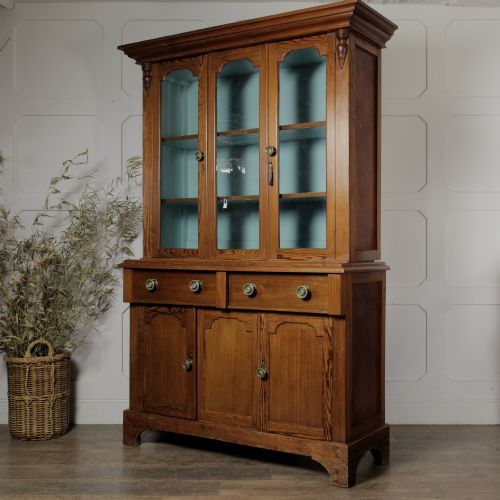
A victorian pitch pine dresser gives a room solid nineteenth-century character with its warm grain and robust storage.
Victorian Pitch Pine Dresser
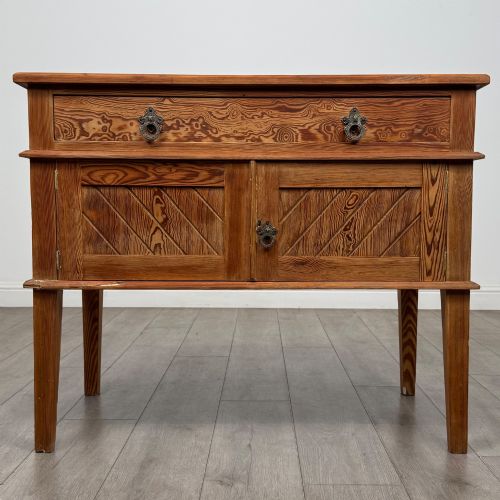
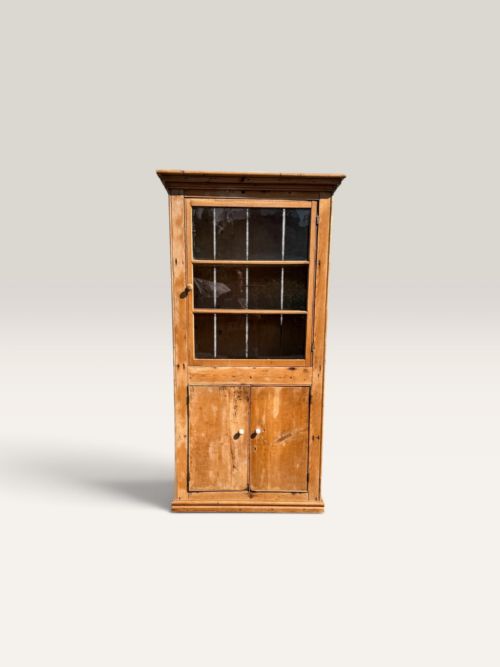
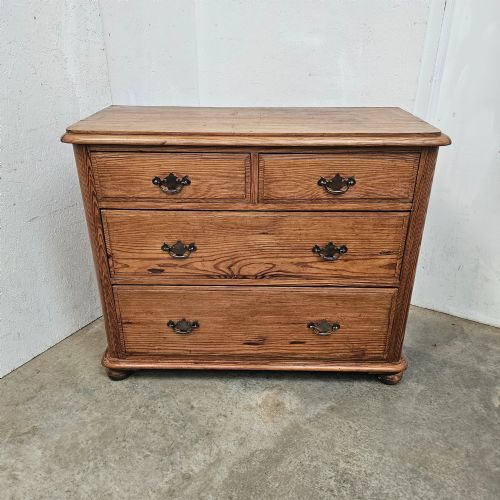
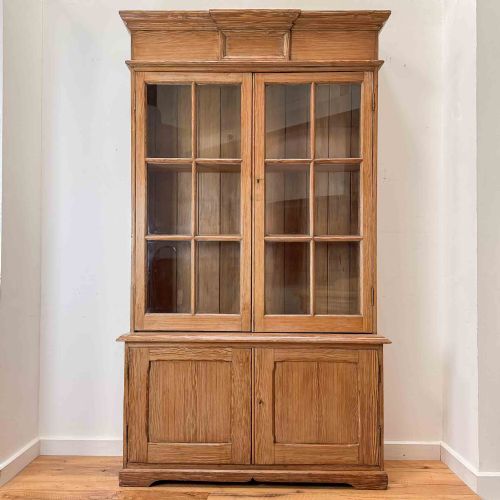
A victorian pitch pine dresser brings together nineteenth-century utility and distinctive timber grain in domestic furniture. Buyers hunting for a victorian pitch pine dresser typically encounter robust cupboards, glazed bookcases, and kitchen base units originating from the Victorian period.
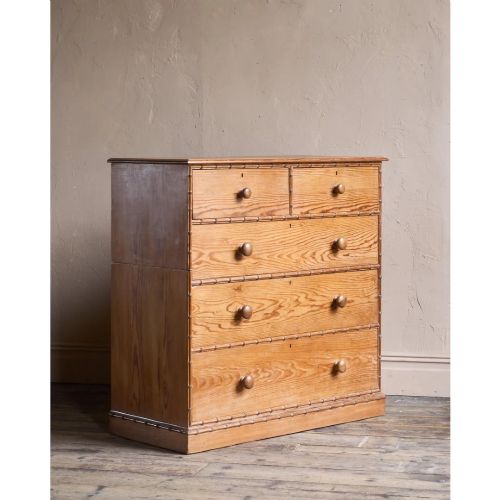
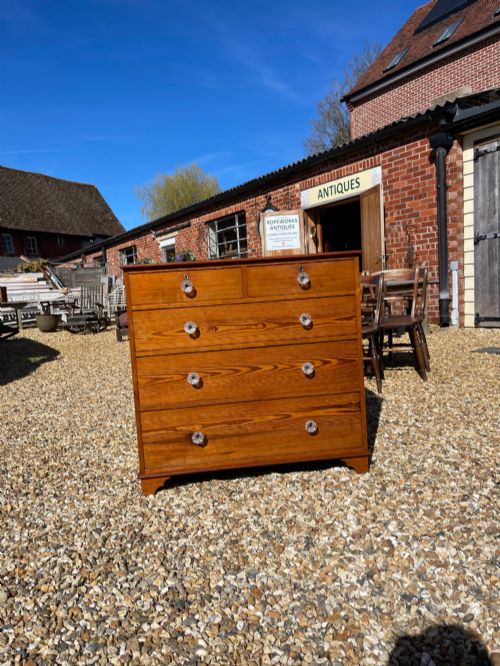
The pieces listed span utilitarian workshop cupboards, aesthetic period chests, and larger kitchen display cabinets. Surviving examples reflect the practical needs of nineteenth-century households through varied configurations of drawers, shelves, and doors.
How they were made
Constructed primarily from pitch pine, these items frequently incorporate secondary timbers like pine alongside functional brass, iron, and glass details. Some variations introduce ebonised wood or porcelain elements to accent the sturdy timber frames.
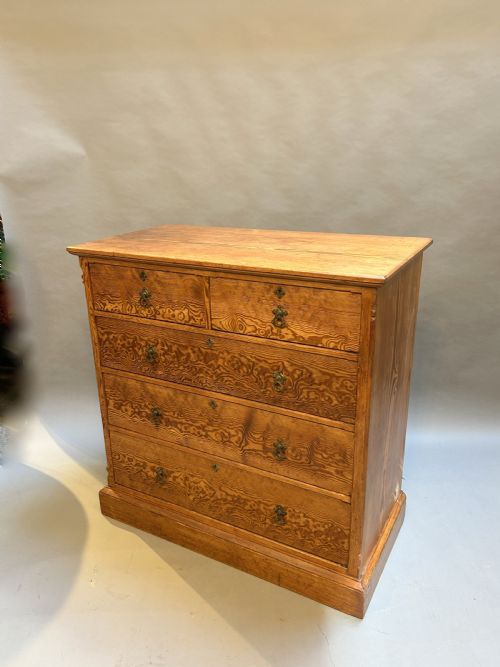
Cabinet makers utilised the natural resinous grain of the timber, sometimes leaving the wood stripped or polished to highlight the distinctive figuring. Joinery follows traditional nineteenth-century workshop methods suited to heavy domestic service.
One recorded cupboard served shoe storage duty before entering the antiques market.
What varies in quality
The standard of a piece rests on the selection of timber and the complexity of its construction, ranging from plain functional storage to refined aesthetic movement styling. Pieces exhibiting intricate glazing bars, original hardware, and balanced proportions stand apart from simpler utilitarian builds.
Subtleties in surface treatment distinguish better examples, particularly where original or sympathetic stripped finishes reveal the depth of the pitch pine grain without obscuring the structural integrity.
Howard and Sons
The Victorian Pitch Pine Dresser Glossary
- Pitch Pine
- A dense, resinous softwood widely utilised in nineteenth-century cabinetry for its prominent grain and durability. It takes a clean finish when stripped.
- Aesthetic Period
- A late nineteenth-century design movement focused on beauty and artistic expression rather than strict historical revival. Pieces from this era often feature simpler lines and contrasting details.
- Glazed Cupboard
- A cabinet fitted with glass panelling in the doors to display contents while protecting them from dust. These form a major category within nineteenth-century storage furniture.
- Dresser Base
- The lower section of a kitchen or dining dresser, typically featuring a combination of drawers and cupboards beneath a solid top surface.
Victorian Pitch Pine Dresser: Frequently Asked Questions
What is a pitch pine dresser?
A victorian pitch pine dresser is a nineteenth-century storage unit built from resinous pine timber, featuring cupboards, drawers, or display shelving.
These pieces served functional roles in kitchens, pantries, and living spaces during the Victorian era.
How do I date a pitch pine cupboard?
Dating relies on stylistic clues, construction methods, and period characteristics recorded across nineteenth-century examples.
Details such as brass hardware, glass types, and aesthetic movement influences help narrow the decade of manufacture.
Are these dressers suitable for modern kitchens?
Their robust construction and deep storage capacity make them practical additions to contemporary dining spaces and kitchens.
They provide substantial surface area and shelving while introducing nineteenth-century character to a room.
How do I care for stripped pitch pine?
Maintenance involves dusting with a dry cloth and occasionally applying appropriate wax to nourish the exposed timber grain.
Avoiding direct heat and excessive moisture preserves the condition of the nineteenth-century wood.