
Pine Sideboard
A pine sideboard brings honest utility to a room, offering sturdy storage fashioned from soft timber with decades of character.
Pine Sideboard
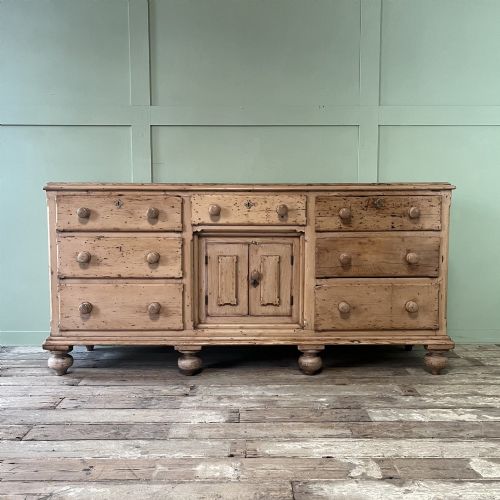
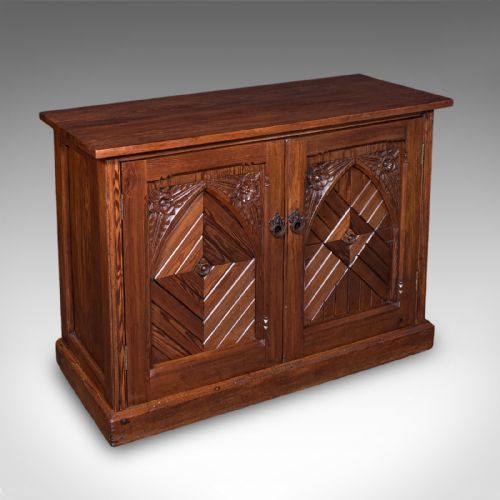
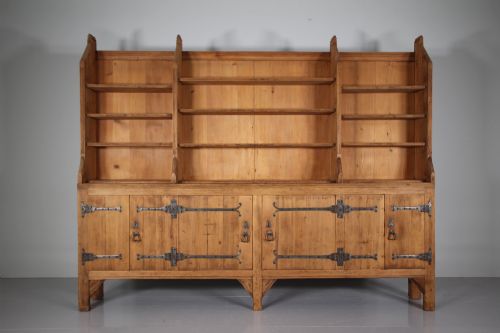
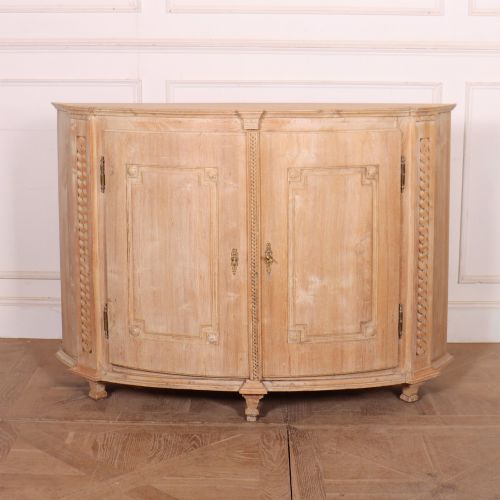
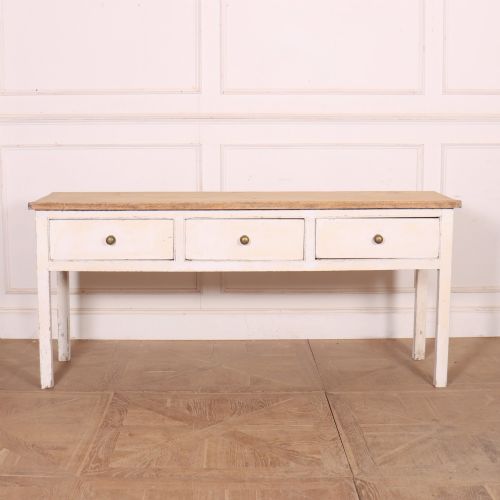
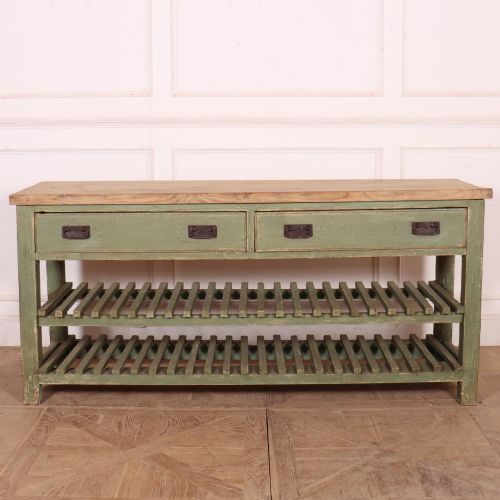
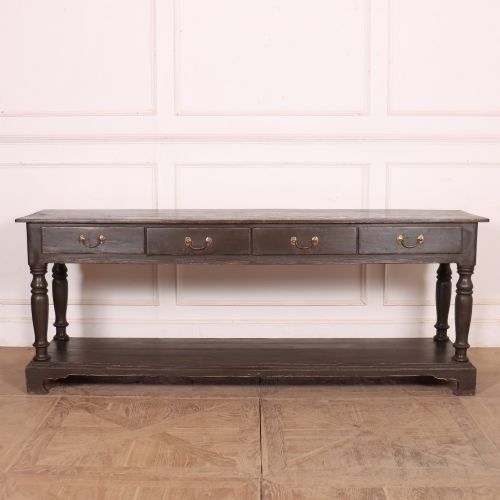
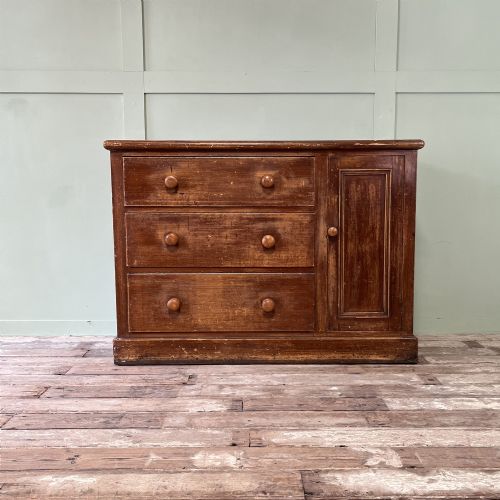
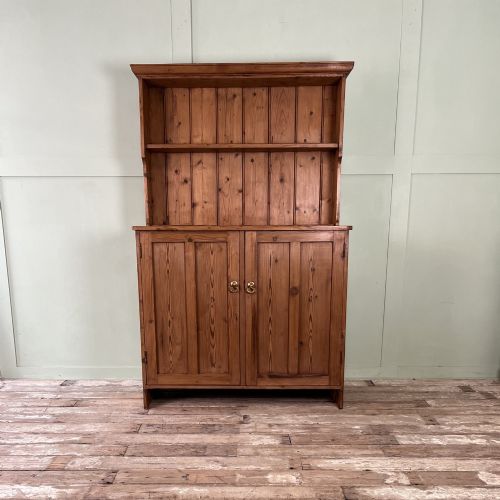
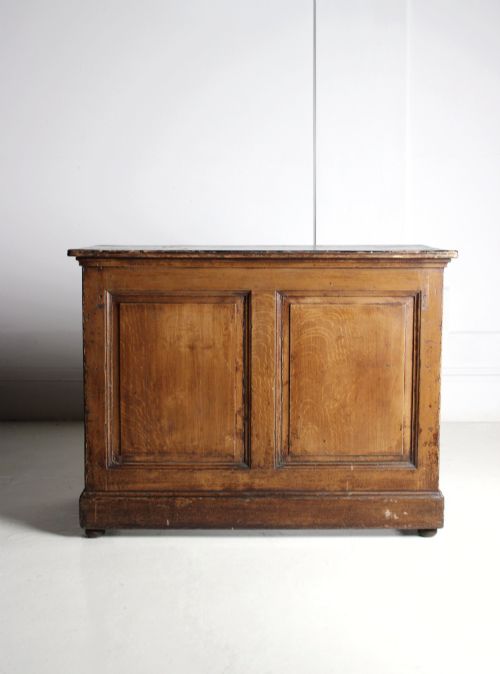
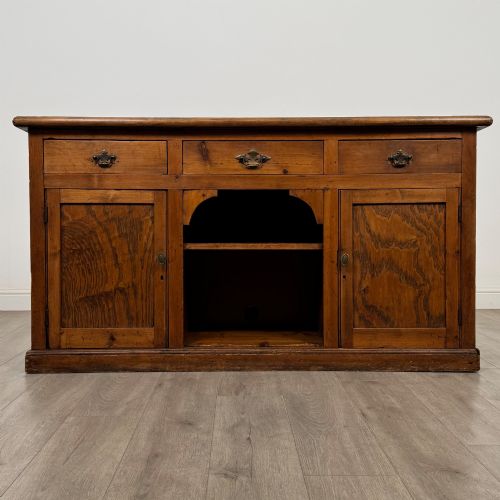
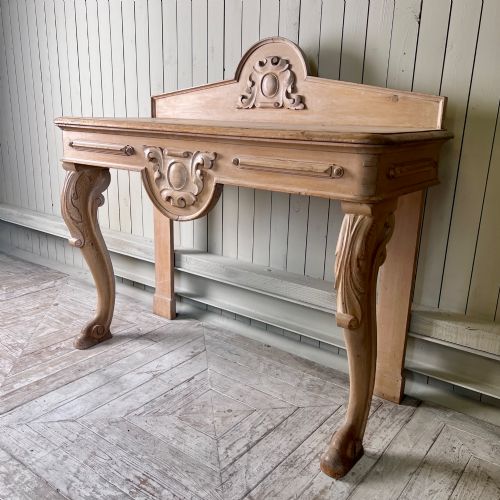
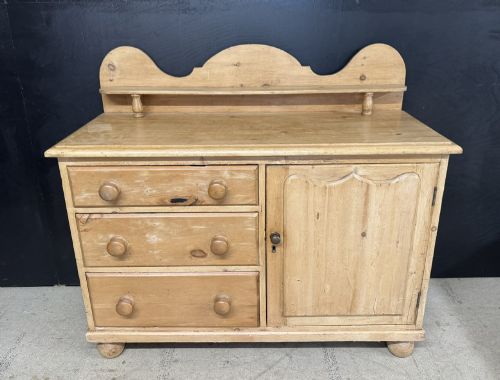
A pine sideboard represents the robust side of domestic storage, drawing from centuries of practical carpentry in farmhouses, shops and country kitchens. When you search for a pine sideboard, you encounter pieces that range from stripped farmhouse dresser bases and painted kitchen cabinets to deep-bowed Swedish buffets.
The material leans towards the utilitarian, built to hold tableware, linen and dry goods before finding a second life in modern dining rooms and halls. Most examples bridge the gap between rough utility and domestic warmth, often showing the marks of daily use in kitchens across England, Scotland, Wales and Sweden.
How they were made
Constructed primarily from soft yellow or Scots pine, these pieces frequently incorporate secondary woods like sycamore or oak for drawer linings and internals. Iron and brass hardware - ranging from simple drop handles to campaign-style plates - fastens doors and secures drawers built with traditional dovetail joints.
Surfaces were traditionally treated with layers of paint, wax or polychrome finishes, many of which survive in varying states of original patination. Some pieces rely on clever faux-grain painting or simulated rosewood finishes to mimic more expensive hardwoods, while others remain stripped to the bare timber.
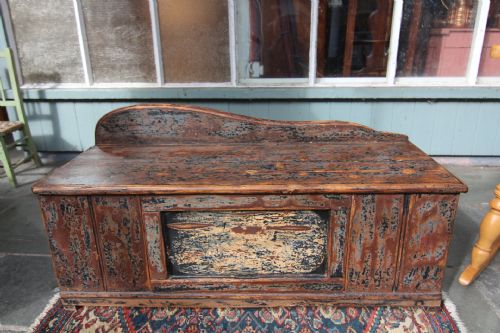
A cheerful barge box seat waits patiently to stow away clutter while doubling as a vibrant splash of polychrome folk art.
What varies in quality
The distinction between a standard utility piece and a finer survivor lies in the integrity of the original construction and the preservation of surface patina. Pieces retaining their early or original paint finish, untouched brass or iron handles, and minimal structural alteration command greater interest among collectors.
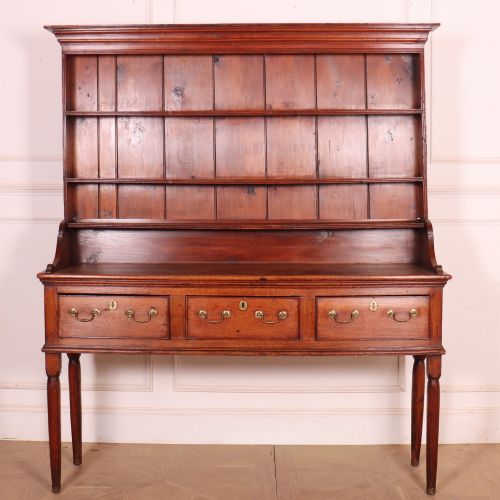
Proportion and regional carpentry traits also dictate distinction, as seen in the deliberate curve of a bowfront buffet or the balanced rhythm of drawers and panelled doors on a Welsh dresser base. Crude modern alterations or heavy over-stripping tend to diminish the historical honesty of the timber.
The Pine Sideboard Glossary
- Dresser base
- The lower section of a kitchen dresser, featuring drawers and cupboards beneath a flat surface, frequently used independently as a sideboard.
- Potboard
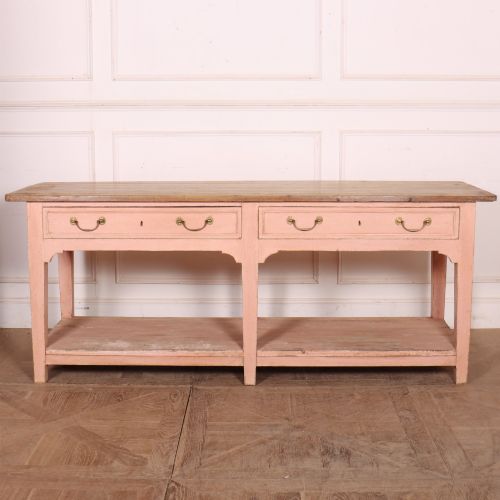
- An open slatted lower shelf beneath a dresser base or sideboard, traditionally designed to hold heavy earthenware pots and pans.
- Patina
- The surface sheen and colour acquired through decades of waxing, cleaning, handling and natural oxidation of the pine.
- Polychrome
- Decoration employing multiple colours, often found on painted folk furniture, barge boxes and country cabinets.
- Confiturier
- A small French cupboard, also known as a jam cupboard, originally built to store preserved fruits and confectionary.
Pine Sideboard: Frequently Asked Questions
Are pine sideboards sturdy enough for daily use?
Pine is a softer wood than oak or mahogany, but these pieces were built for demanding kitchen and farmhouse environments. Their solid construction easily handles modern demands like serving as a media console or dining room storage.
Most joints are pegged or dovetailed, meaning a well-maintained piece offers stable, enduring support for everyday household items.
How do I tell an original painted finish from a modern coat?
Original paint surfaces show natural wear, craquelure, and subtle variations in tone where the wood oil has bled through over generations. Modern paint tends to sit uniformly flat without the accumulated dust and softening of edges found in period examples.
Inspect corners, drawer edges, and areas behind hardware where cleaning was less frequent to spot underlying layers of historical colour.
Where were most of these sideboards and dressers made?
The pieces originate from various regional workshops across the British Isles and Scandinavia, including Wales, Scotland, and Sweden. Each region developed distinct proportions and hardware choices suited to local domestic traditions.
Swedish pieces often feature smoother painted surfaces and curved fronts, while Welsh and English examples lean towards heavy potboards and practical drawer configurations.
How should I care for a waxed pine surface?
Waxed pine benefits from occasional feeding with a traditional beeswax polish to keep the soft timber from drying out. Avoid placing these pieces near direct heat sources or in damp areas, which can cause the timber to warp or split.
Gentle dusting with a dry cloth preserves the build-up of historic patina better than harsh commercial cleaners.