

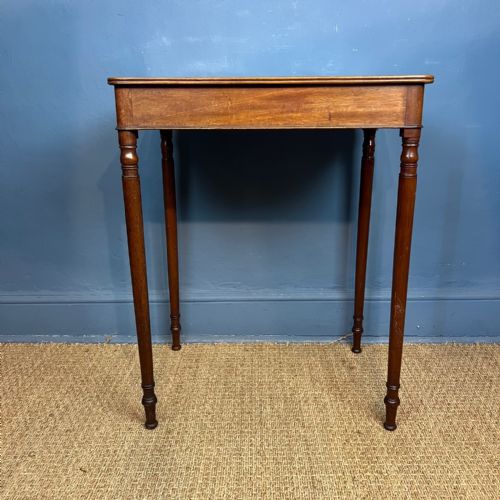
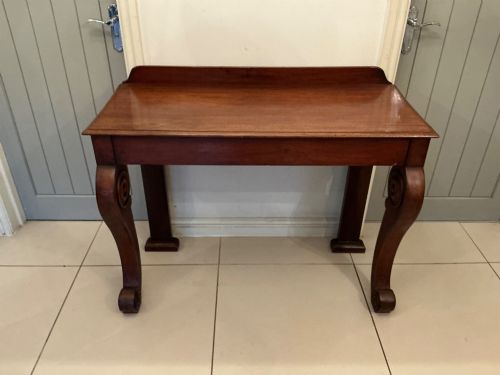
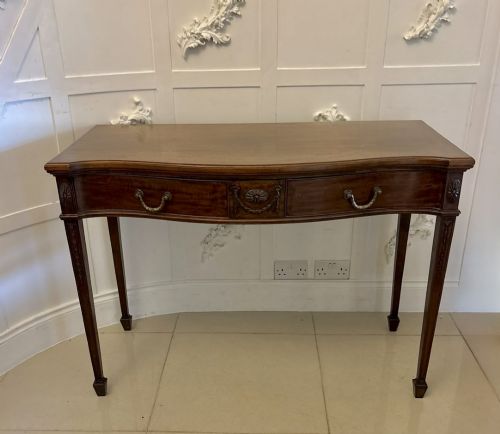
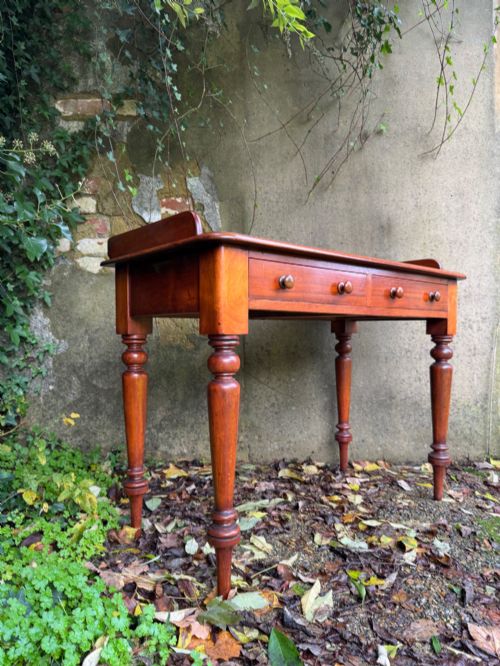

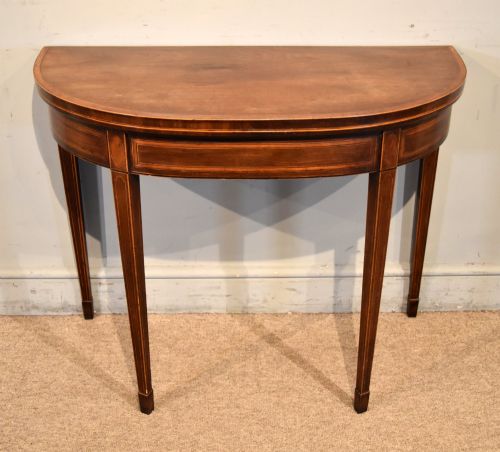
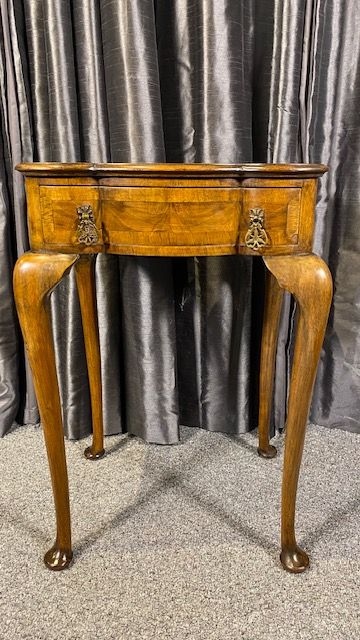
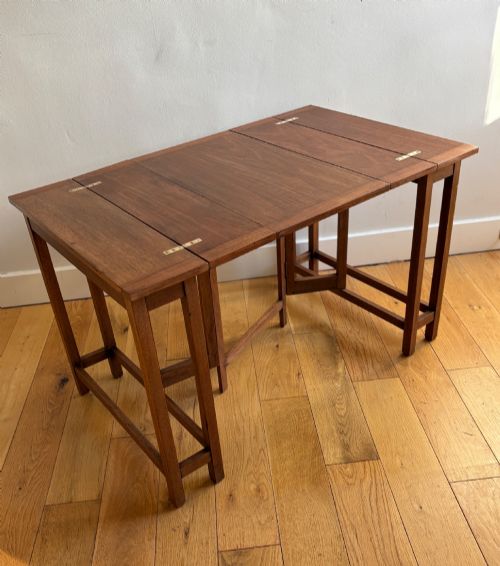
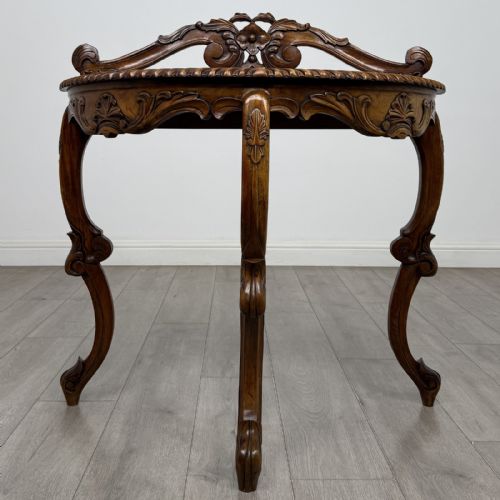
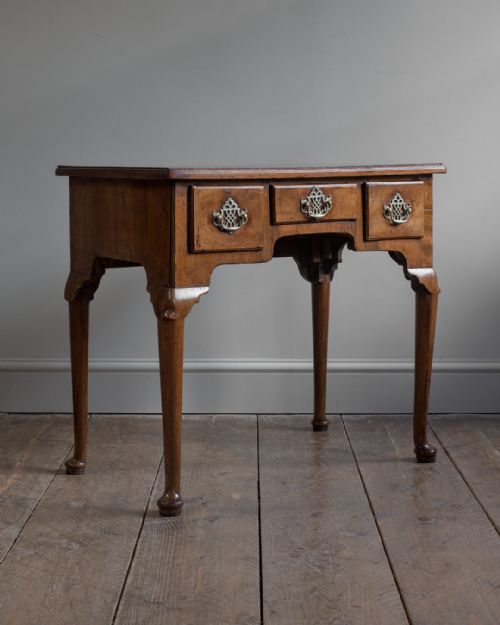
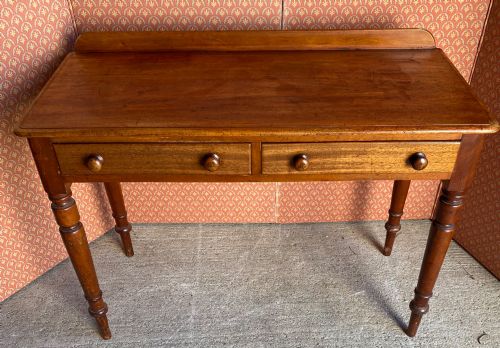
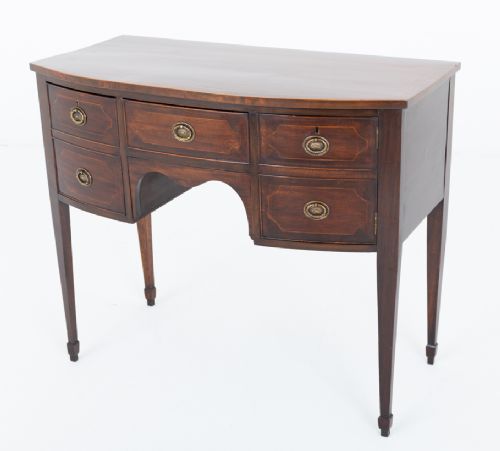
Brown Wooden Hall Table
Brown wooden hall tables provide a practical surface for an entryway, bringing traditional timber construction and period character to a domestic corridor.
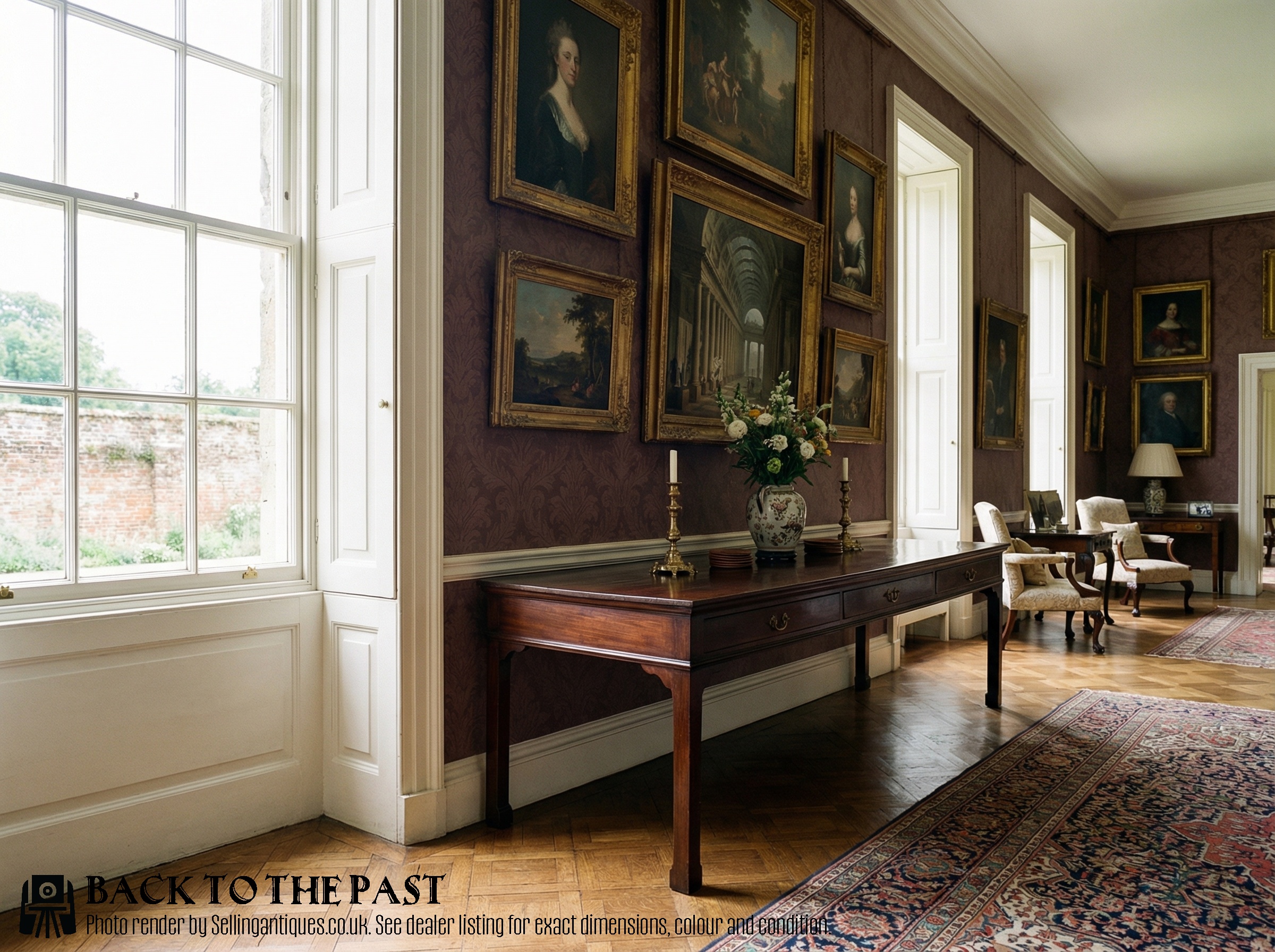
Brown Wooden Hall Table
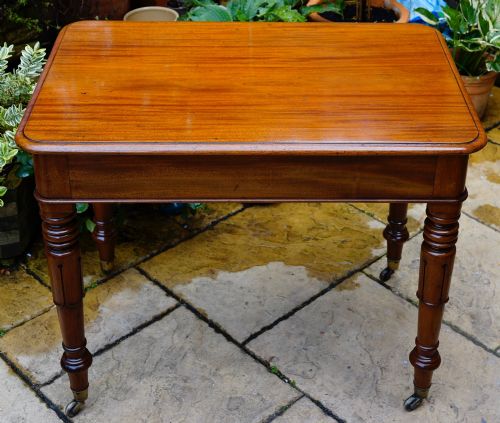
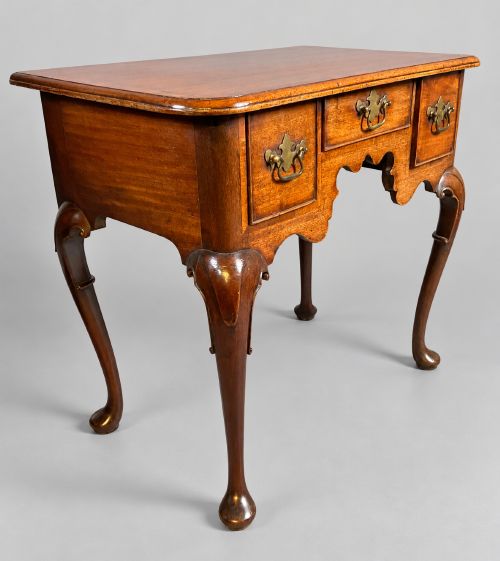
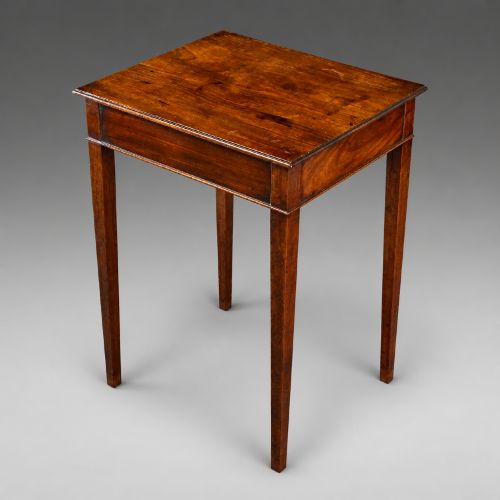
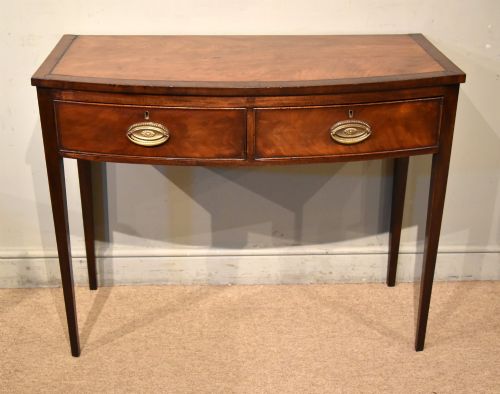
A brown wooden hall table serves as a narrow surface for hallways, appearing across console and side table forms. The evidence shows these pieces functioning as console tables, side tables, and serving tables within domestic and church settings.
The selection spans several centuries and stylistic traditions, encompassing 18th century, 19th century, Georgian, Victorian, and Qing Dynasty periods. Regional variations include Chinese provincial designs alongside British country house furniture.
Makers utilised various timber species to construct these narrow furnishings, shaping forms that range from simple three-drawer configurations to carved console tables. Buyers encounter straightforward church side tables as well as ornate Chippendale and Regency influenced pieces.
How they were made
Constructed from solid timbers such as mahogany, yew, elm, and pine, these tables rely on traditional joinery suited to each regional workshop. Carved elements appear on specific Chinese elm pieces, demonstrating hand-chiseled surface detailing.
Metal fittings such as brass appear alongside other metals on drawers and structural mounts, providing functional hardware for multi-drawer console layouts. Timber selection dictates the grain pattern and natural colour range of each individual surface.
Brown Wooden Hall Table Retail Price Guide 2026
Typical asking prices for brown wooden hall table among the pieces listed under this phrase on Sellingantiques today, from the lower quarter to the upper quarter. They describe what is for sale here now, not the wider market.
Materials recorded across the inventory include mahogany, yew, elm, pine, brass, and assorted metals.
What varies in quality
Quality differences emerge through the selection of timber and the ambition of the regional style, moving from plain pine utilities to figured mahogany and yew. The presence of multiple drawers and hand-carved elements alters the complexity of the construction.
Origin and period influence the character of the piece, distinguishing provincial Chinese elm work from formal Georgian country house tables. Refinement in turning, jointing, and drawer construction separates standard utilitarian examples from decorative console forms.
The Brown Wooden Hall Table Glossary
- Console table
- A table designed to stand against a wall, frequently fixed with brackets or supported by distinct legs. These narrow surfaces fit easily into restricted circulation spaces like corridors.
- Side table
- A small freestanding table intended to stand against a wall or beside furniture. They offer accessible surface area without dominating room layouts.
- Chippendale
- A style of mid-Georgian furniture associated with the designs of Thomas Chippendale. Pieces in this tradition often exhibit intricate carving and derived classical motifs.
- Regency
- A style spanning the late 18th and early 19th centuries characterised by classical restraint and archaeological influence. Proportions tend towards clean lines and architectural simplicity.
- Elm
- A durable hardwood with an interlocked grain that resists splitting. Furniture makers often selected it for country pieces due to its tough physical properties.
Brown Wooden Hall Table: Frequently Asked Questions
What is a brown wooden hall table?
A brown wooden hall table is a narrow surface designed for entryways and corridors, taking the form of a console or side table.
These pieces utilise timber species such as mahogany, yew, elm, and pine to provide functional placement areas in domestic spaces.
How do I use a console table?
Console tables stand flush against a wall in hallways or reception spaces, providing a place to set small items.
Many incorporate drawers for storage, allowing owners to keep everyday essentials close to the entrance of the house.
What periods do these tables come from?
The available selection spans the 18th century, 19th century, Georgian, Victorian, and Qing Dynasty periods.
Each era contributes distinct regional building methods and stylistic traits to the construction of the furniture.
Which woods are used?
Makers constructed these tables from hardwoods and softwoods including mahogany, yew, elm, and pine.
Brass and other metals frequently provide hardware components like drawer pulls and structural bracing.