





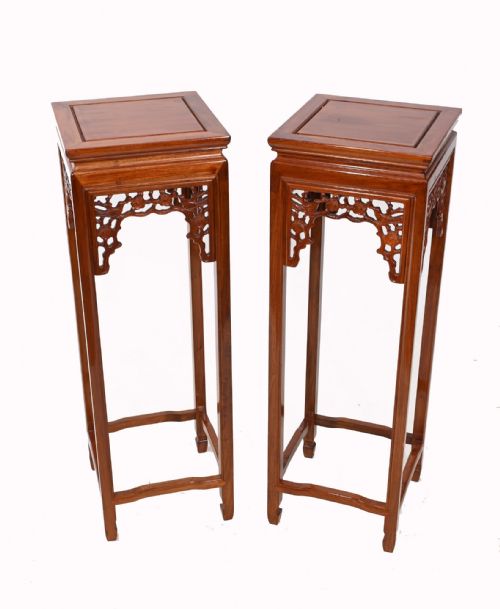
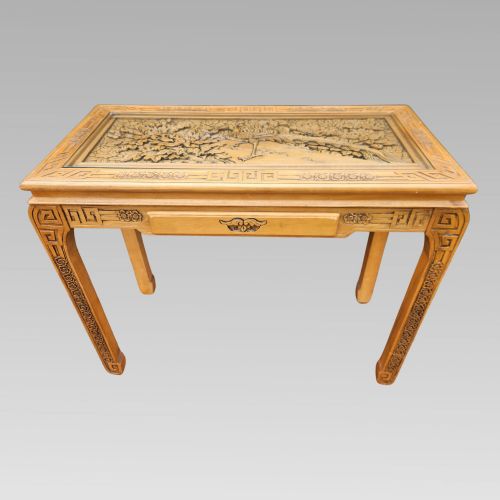


Traditional Chinese Side Table
These traditional Chinese side table pieces bring practical surfaces and rich timber character to any interior, spanning elm and hardwood constructions.
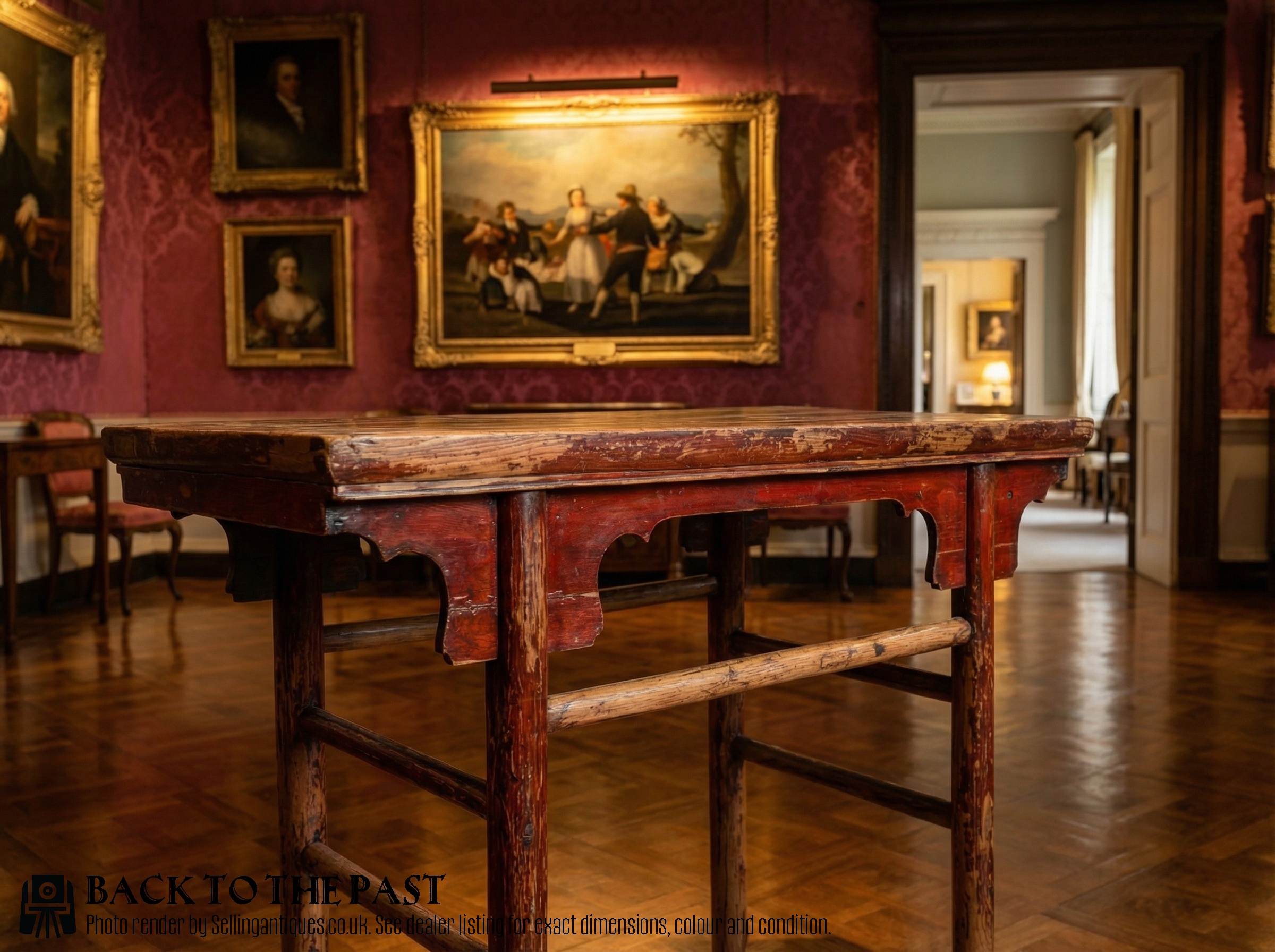
Traditional Chinese Side Table
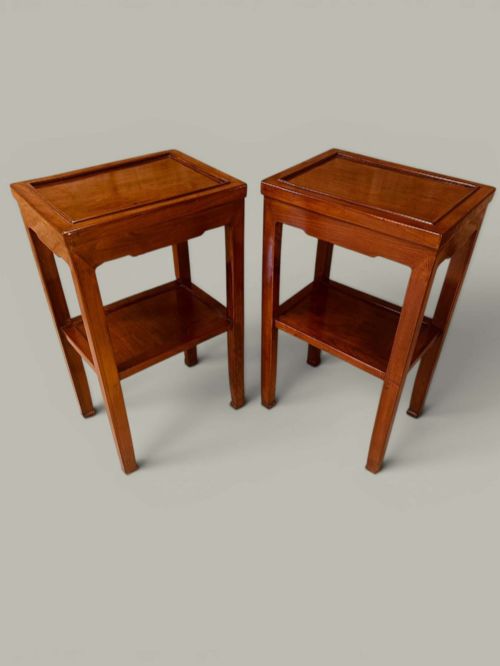
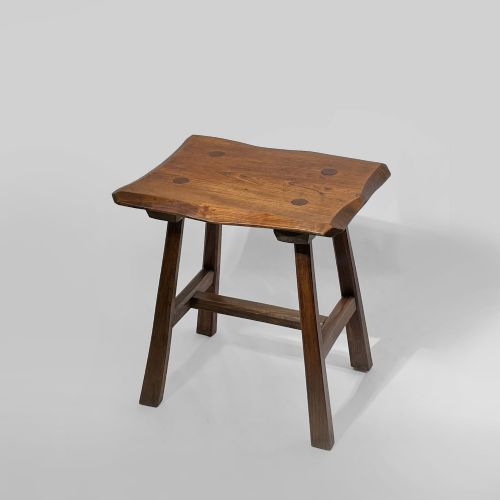
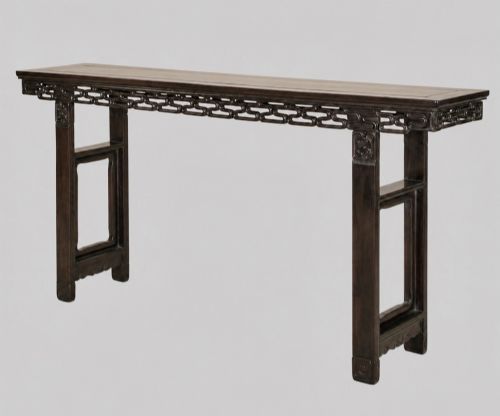
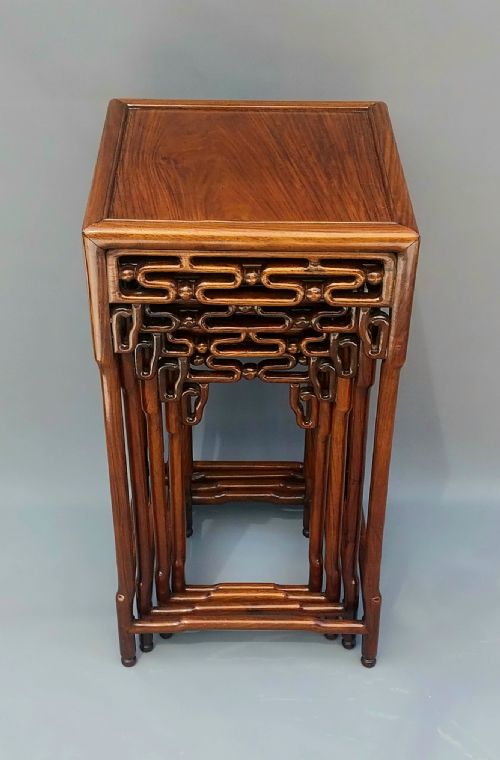
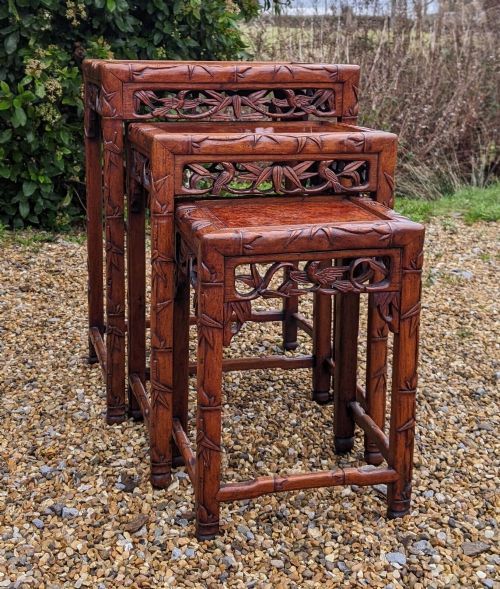
A traditional Chinese side table serves as a functional surface, appearing in forms such as console tables, side tables, occasional tables, lamp tables, half tables, and bedside tables. These items emerge from periods including the nineteenth century, nineteen-ten, and nineteen-thirty, reflecting Chinese provincial, Qing dynasty, Chinese export, and Chinese Qing styles.
The specimens seen here range from elm console tables to hardwood pieces inset with marble. Buyers encounter compact occasional tables alongside larger hall and console formats suited for entryways or living spaces.
How they were made
Cabinetmakers utilised timber species such as elm, hardwood, and camphorwood to construct these frames. Artisans incorporated decorative elements using brass, iron, glass, and marble inserts.
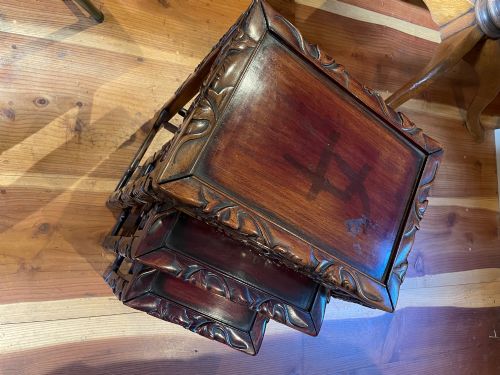
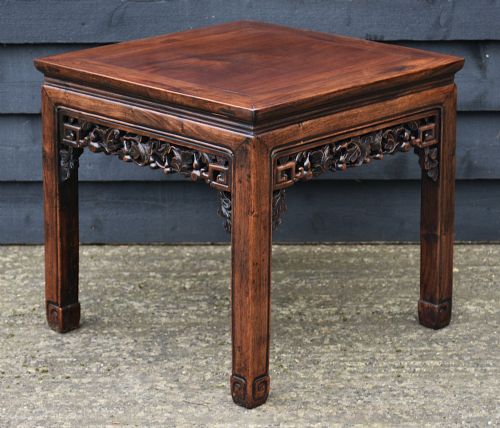
Surface treatments include red lacquer applied over elm timber, alongside carved detailing executed across structural elements like hall consoles and lamp tables.
Traditional Chinese Side Table Retail Price Guide 2026
Typical asking prices for traditional chinese side table among the pieces listed under this phrase on Sellingantiques today, from the lower quarter to the upper quarter. They describe what is for sale here now, not the wider market.
Current listings feature items from the nineteenth century, nineteen-ten, and nineteen-thirty, constructed in elm, hardwood, and camphorwood.
What varies in quality
Distinctions in quality rest upon the selection of timber and the precision of the joinery and carving. Dense hardwoods and well-figured elm display superior material integrity compared to simpler utility pieces.
The inclusion of integrated materials, such as fitted marble tops or detailed brass hardware, elevates the refinement of individual items. Carved ornamentation ranges from crisp, deep relief work to plainer surfaces.
The Traditional Chinese Side Table Glossary
- Elm
- A resilient indigenous timber frequently utilised in provincial furniture for its distinct grain pattern and structural strength.
- Hardwood
- A dense category of slow-growth timber valued in traditional cabinetmaking for durability and fine finishing.
- Lacquer
- A natural resin finish applied in multiple layers to seal timber surfaces and provide a glossy red or dark coating.
- Console
- A table designed to stand against a wall, often narrower than standard tables and used in hallways or reception rooms.
- Marble
- A metamorphic rock inserted into table tops to create a cool, durable, and decorative working surface.
Traditional Chinese Side Table: Frequently Asked Questions
Where do people place these tables?
These tables find placement in hallways, living rooms, and bedrooms as functional surfaces for lamps, decorative objects, or bedside use.
Their varied footprints allow them to fit into narrow corridors or serve as occasional tables beside seating.
What materials are common?
Elm and dense hardwoods form the primary structural materials for these pieces. Secondary materials include camphorwood, marble, brass, iron, and glass.
Surface finishes range from natural timber grain to red lacquer.
How do styles differ?
Styles encompass Chinese provincial, Qing dynasty, Chinese export, and Chinese Qing designs. Provincial pieces emphasise utilitarian strength and simple lines.
Export and Qing styles often incorporate more elaborate carving, lacquering, or imported marble inserts.
How do I identify the period?
Dating relies on construction methods, timber patination, and stylistic markers associated with the nineteenth century up to the nineteen-thirties.
Wear patterns and traditional joinery techniques help distinguish older pieces from twentieth-century revivals.