

Period Occasional Table
A period occasional table offers a compact surface for lamps, drinks or books, bringing centuries of cabinet-making skill into a room.
Period Occasional Table
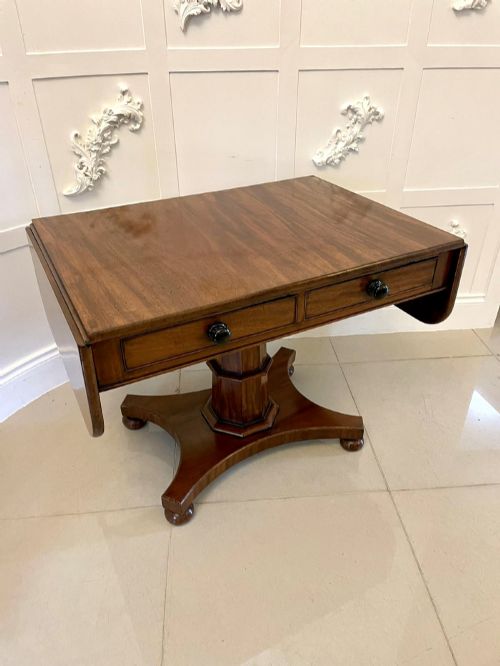
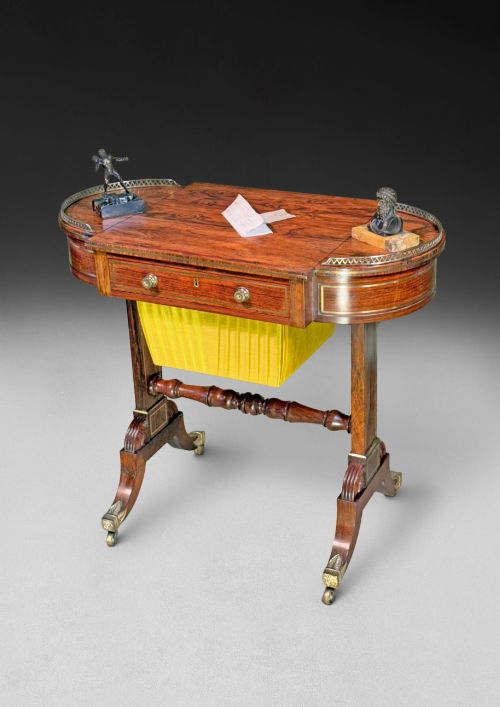
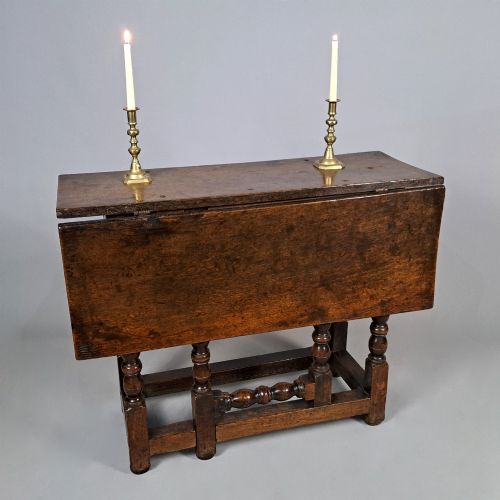
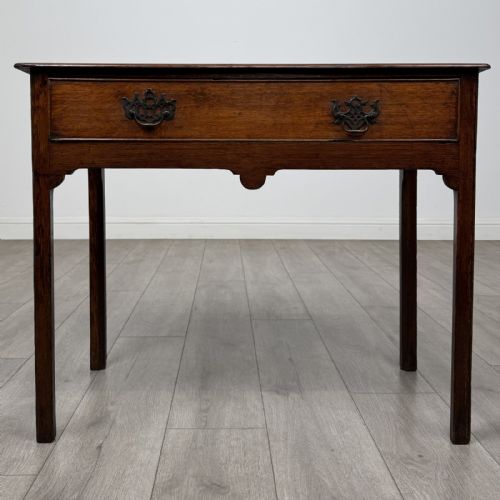
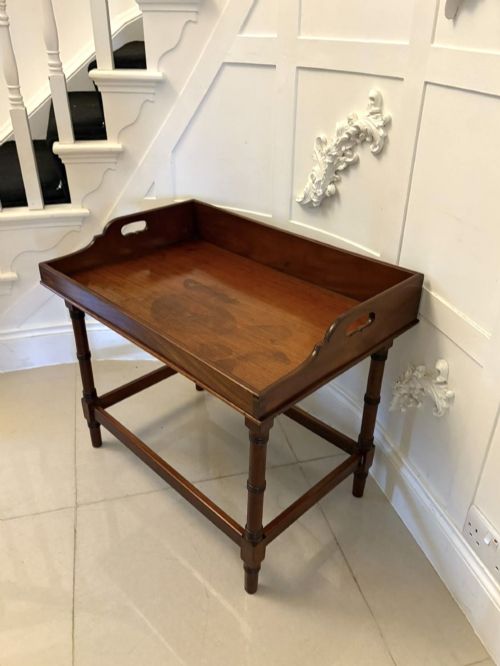
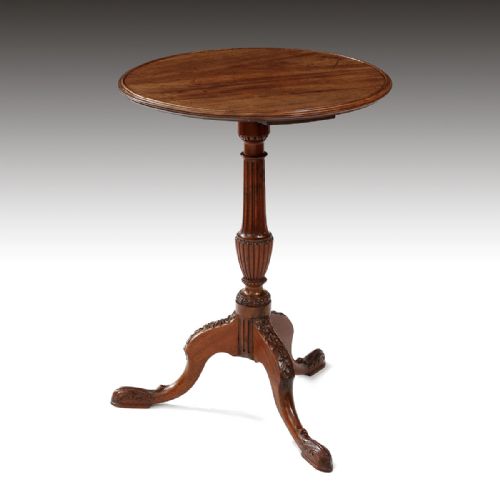
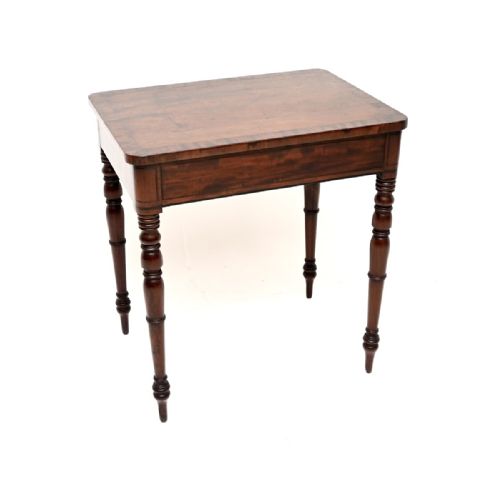
When searching for a period occasional table, you encounter smaller movable furnishings designed to serve specific domestic uses around a room. The selection spans from the seventeenth century through to nineteen hundred, encompassing forms such as tripod tables, side tables, nests of tables, wine tables, and Pembroke tables.
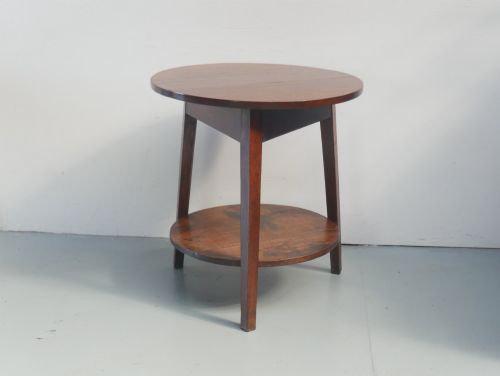
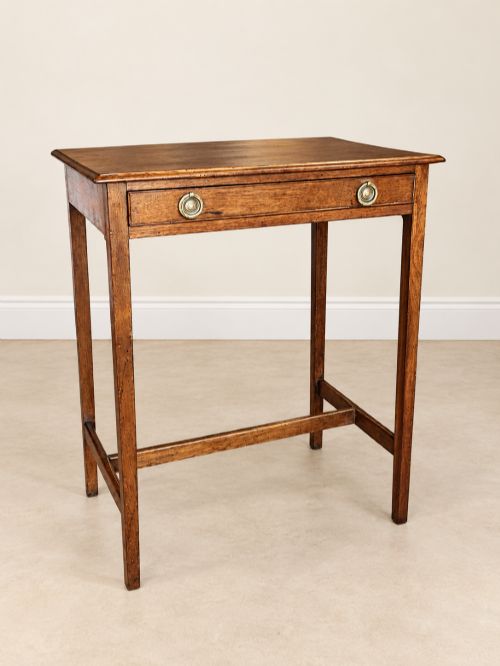
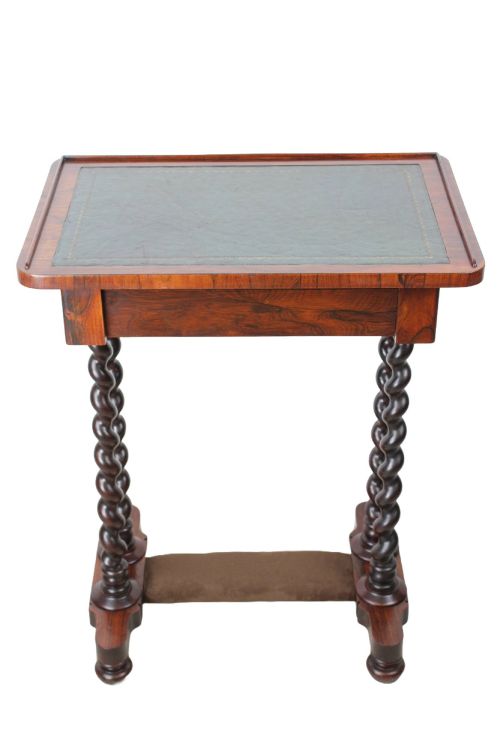
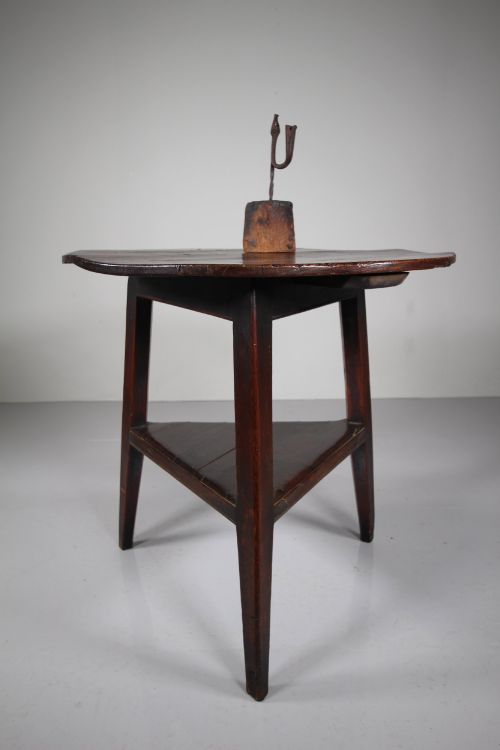
The most frequent examples on this page date from the Georgian and Regency eras, alongside earlier oak pieces from the seventeenth and eighteenth centuries. These utilitarian items include vernacular cricket tables, lamp tables, and sewing tables, reflecting the changing social habits and interior requirements of past centuries.
How they were made
Cabinet-makers relied heavily on timbers such as oak, mahogany, rosewood, and satinwood, often accentuating surfaces with boxwood inlay, brass stringing, penwork, or marble inserts. Construction methods varied from sturdy joined oak frames with bobbin-turned legs to finely veneered mahogany and exotic hardwoods supported by slender tilt-top tripod pillars.
Drop leaves, gateleg actions, and nesting sets demonstrate practical engineering developed to maximise flexibility in smaller living spaces. Surfaces were finished to highlight the natural grain of the wood, utilising polish or wax that has matured with age.
Early cricket tables relied on three legs simply because four would rock violently on a lumpy fifteenth-century farmhouse floor.
What varies in quality
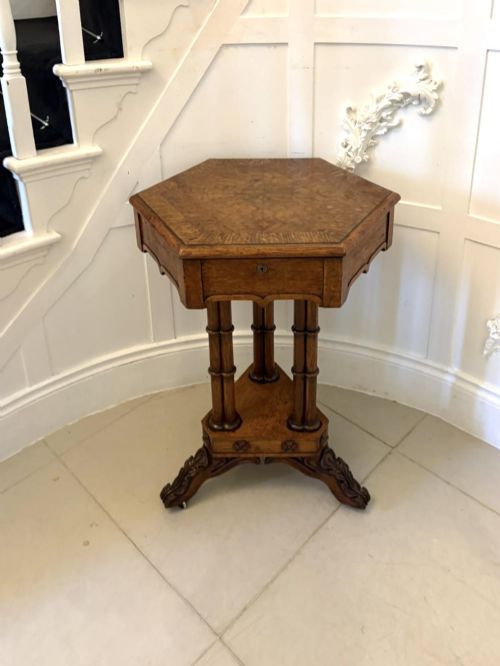
The distinction between ordinary and superior pieces rests on the choice of timber and the precision of the cabinet-maker's joinery. Finely-drawn proportions, well-figured veneers like pollard oak, birdseye maple, or amboyna, and crisp carving elevate a table from standard utility to notable craftsmanship.
Secondary elements such as original brass-bound decoration, subtle inlay work, and stable turning indicate higher workshops standards. The integrity of the timber and the harmony of the design govern the overall merit of each individual example.
Gillow
The Period Occasional Table Glossary
- Tripod table
- A small freestanding table supported by a central pillar on three legs. Many examples feature a snap or tilt-top mechanism for convenient storage against a wall.
- Pembroke table
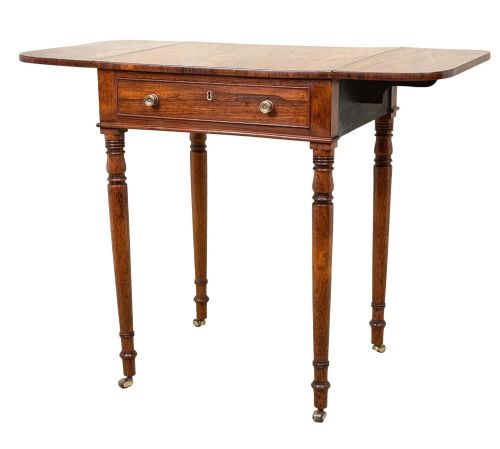
- A drop-leaf table with hinged flaps on either side, often fitted with a small drawer. This form gained popularity during the eighteenth century for breakfast or writing use.
- Cricket table
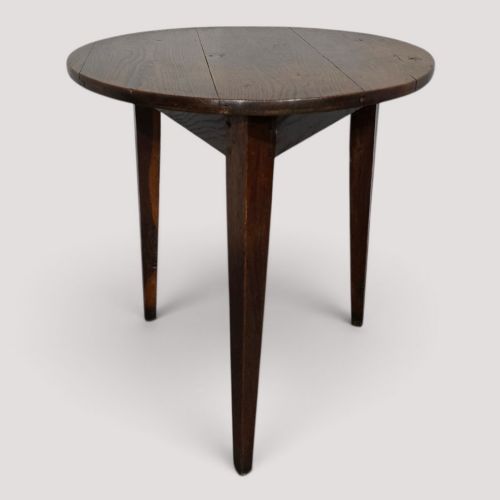
- A small, three-legged circular table typically constructed from oak during the seventeenth or eighteenth centuries. The three-legged format provided stable placement on uneven early flooring.
- Quartetto nest
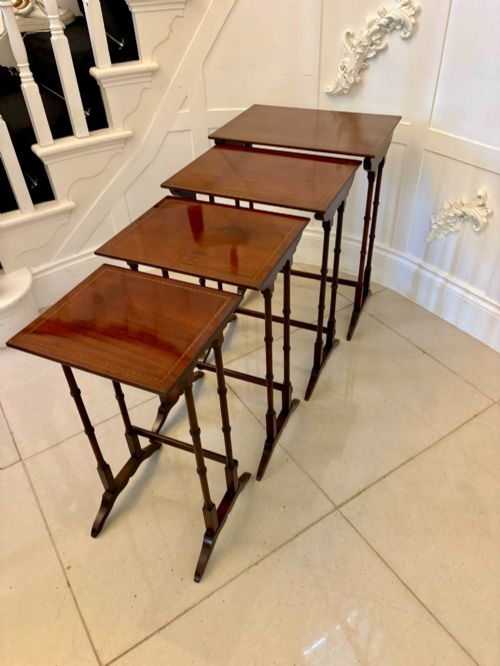
- A set of four graduating tables designed to fit neatly beneath one another. These sets became fashionable during the Regency and Edwardian periods for serving tea.
- Penwork
- A decorative surface technique using ink to draw delicate classical motifs or chinoiserie scenes onto wood before polishing. It requires steady hand control and precision.
Period Occasional Table: Frequently Asked Questions
What is a pembroke table used for?
A pembroke table served as a versatile, movable surface for writing, sewing, or light dining in smaller reception rooms. The drop leaves allowed the table to expand when needed and fold down to save floor space.
These pieces typically sat beside chairs or windows, offering a convenient drawer and a compact footprint that suited domestic life across the Georgian and Regency periods.
How do I identify a tripod table?
A tripod table stands on a single central pillar supported by three distinct legs, making it easy to reposition around a sitting room. Many specimens feature a tilting mechanism that allows the top to lock vertically when not in use.
This design prevents wobbling on uneven historic floors and provides a stable platform for lamps, decorative trays, or tea wares.
How do nesting tables work?
Nesting tables comprise a set of graduated surfaces designed to slide sequentially beneath the largest main table. This clever arrangement provides multiple small side surfaces without consuming permanent floor space.
They appeared in refined rosewood and mahogany formats during the Regency era, and later in Edwardian iterations featuring delicate satinwood inlay.