
Wooden Pedestal Table
A wooden pedestal table stands on a central column, offering steady support and practical surface space across dining and side table forms.
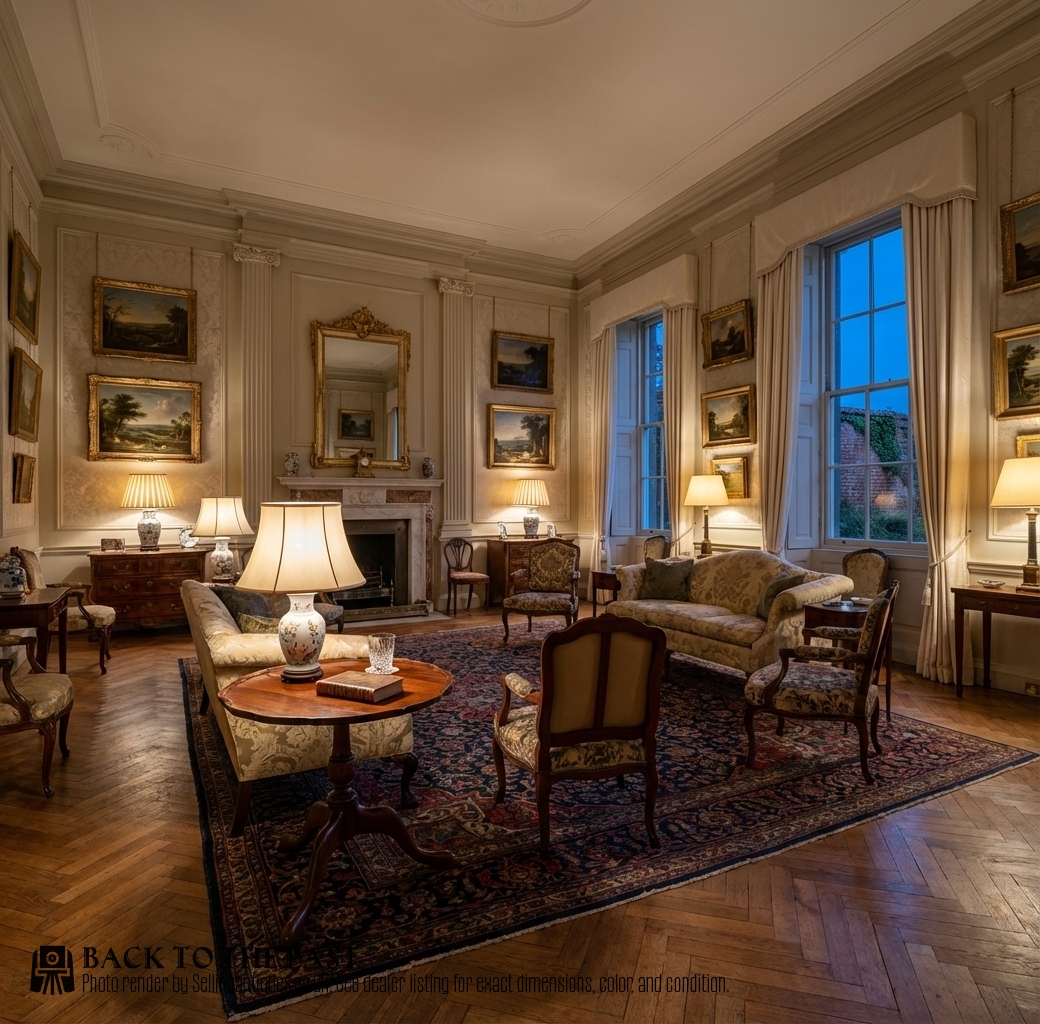
Wooden Pedestal Table
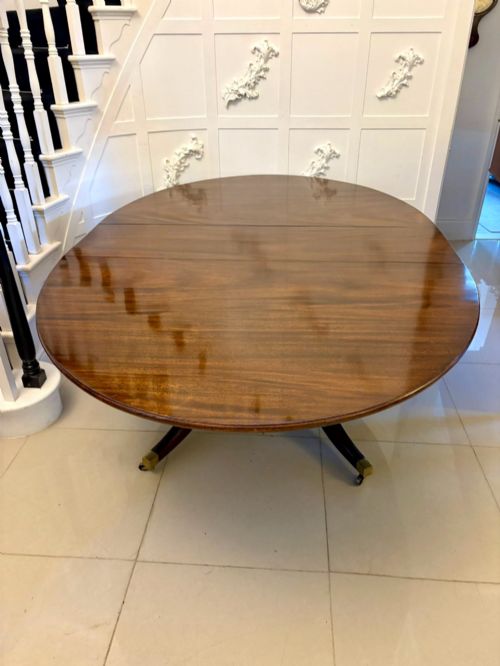
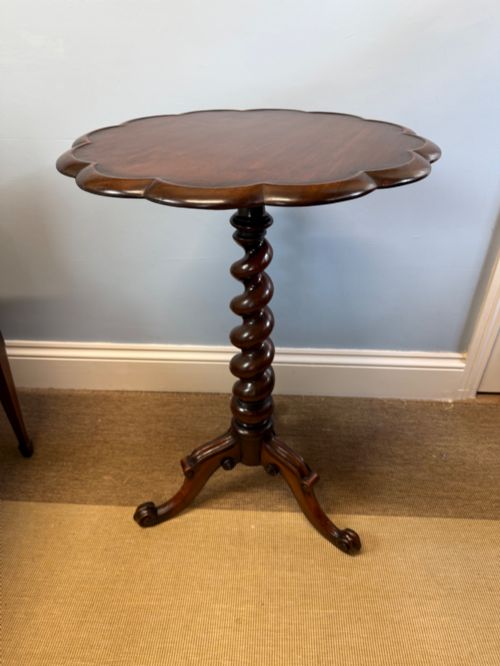
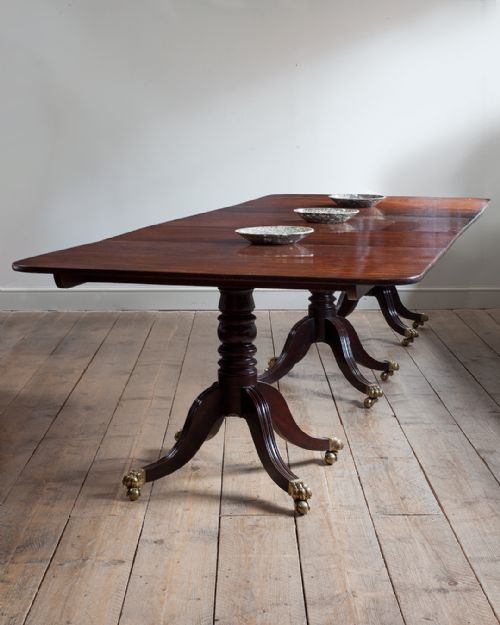
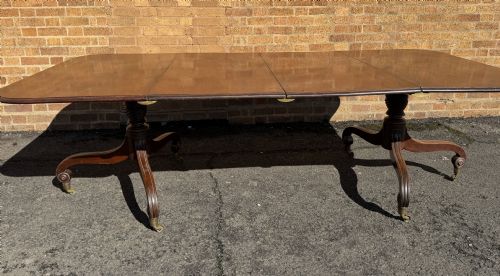
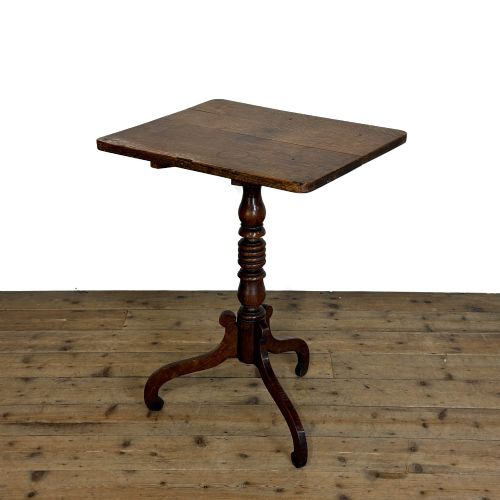
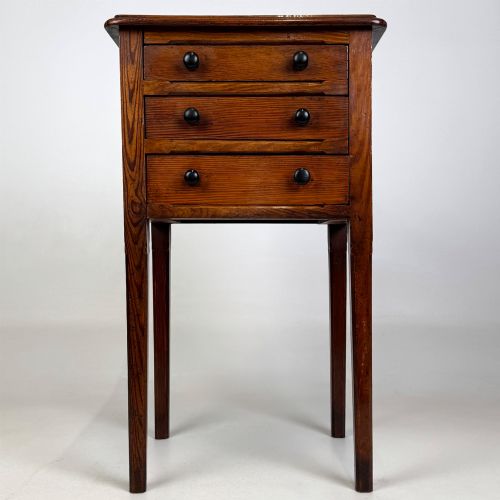
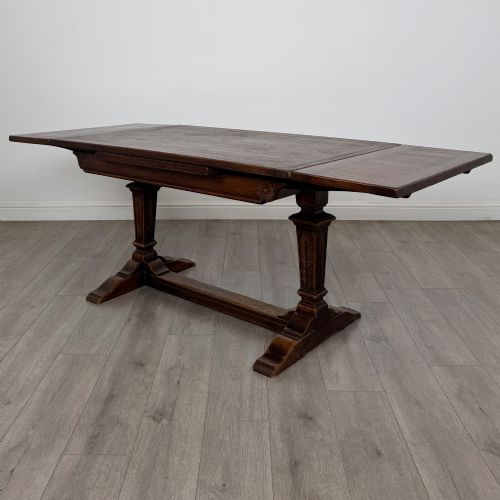
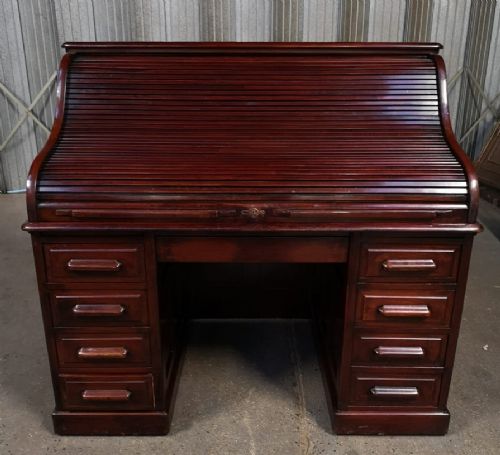
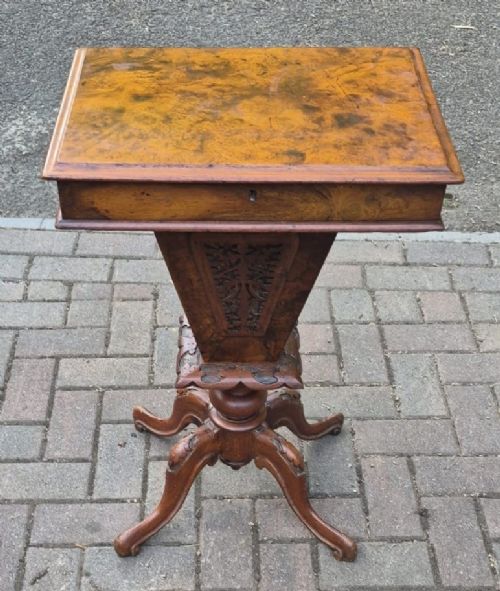
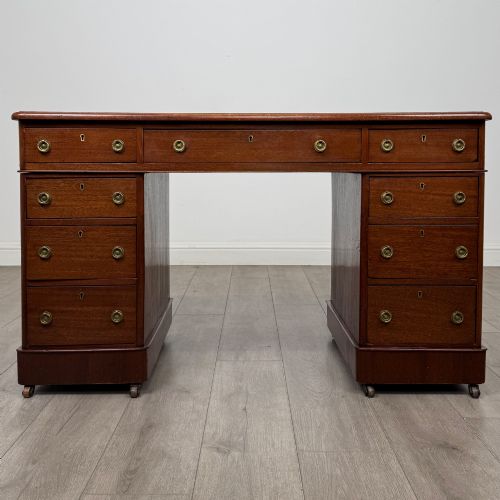
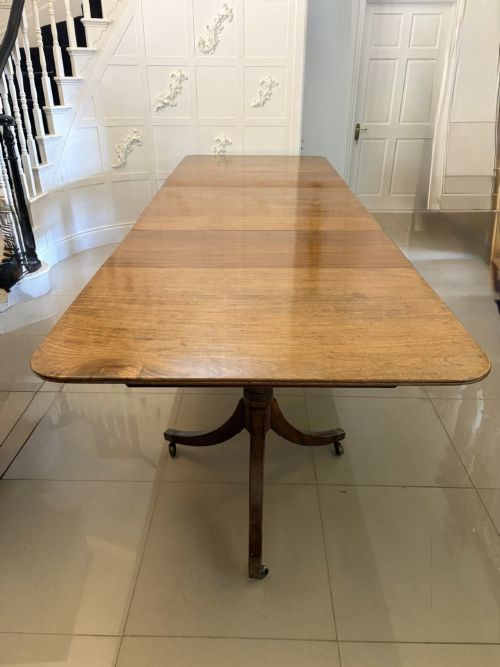
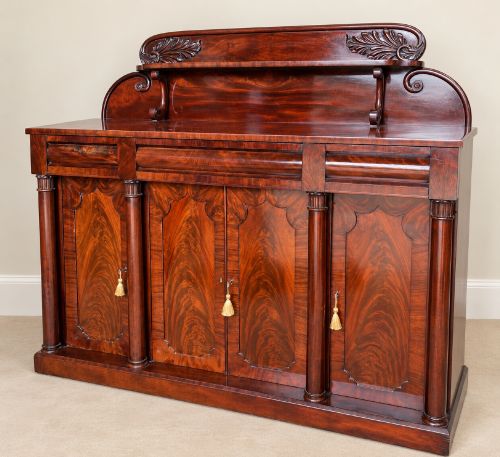
A wooden pedestal table brings together a central column support and a timber top, taking the form of dining tables, side tables, and plant stands. The listings show examples spanning the Georgian, Victorian, and Edwardian periods, alongside 1930 creations.
The most common formats on this page are dining tables and side tables, built from woods such as mahogany, oak, and walnut. These pieces suit various rooms, operating as extending dining surfaces or compact occasional furniture.
Materials and construction methods
Cabinet makers utilised dense hardwoods like mahogany, oak, and walnut, frequently selecting burr walnut and satinwood for decorative grain patterns. Brass details appear on select mounts and fittings.
Construction relies on stable pillar supports, tripod bases, and tilt-top mechanisms, allowing tops to pivot for storage or movement. Joinery methods secure the central column to the feet and tabletop framework.
Materials recorded in current listings include mahogany, oak, walnut, satinwood, burr walnut, and rosewood.
Distinctions in craftsmanship
Quality rests on the selection of timber figures, such as figured mahogany or burr walnut, and the precision of the carving on the pedestal base. Superior examples display balanced proportions and tight, enduring joinery in the column assembly.
Finer pieces maintain original surfaces, hardware, and structural integrity, while standard items show simpler secondary woods and less articulate turning on the pillar.
The Wooden Pedestal Table Glossary
- Tilt top
- A tabletop mounted on a hinge mechanism that allows the surface to rotate into a vertical position when not in use. This design saved space in period interiors.
- Tripod base
- A support structure featuring three legs radiating from a central column. It ensures stability on uneven floors.
- Pedestal
- A single central pillar supporting a table top or decorative object. It replaces traditional four-leg configurations.
- Draw leaf
- An extending table mechanism where end leaves slide out from beneath the main top. This design increases surface area without removing the central pedestal.
Wooden Pedestal Table: Frequently Asked Questions
What rooms suit a wooden pedestal table?
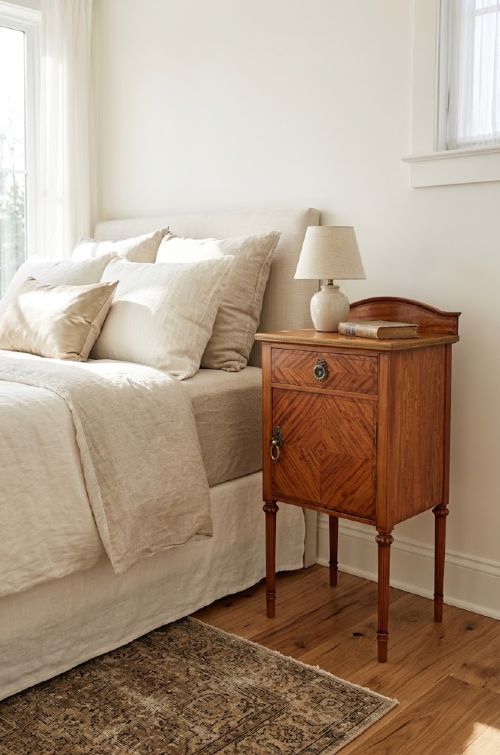
Smaller versions function as bedside tables, wine tables, or plant stands in living spaces and halls.
Larger extending dining tables fit principal dining rooms where central pillar supports allow unobstructed seating.
How do tilt top tables operate?
A catch or release mechanism under the top lets the surface pivot flat or upright.
This historical feature allowed owners to store tables against walls when rooms required extra floor space.
Which woods appear most frequently?
Mahogany, oak, and walnut dominate the listings across multiple centuries and stylistic revivals.
Satinwood and burr walnut appear on decorative occasional pieces and smaller stands.
How do I identify a Georgian piece?
Georgian and Regency examples often display hand-turned mahogany columns, tripod bases, and disciplined proportions.
Construction details and timber ageing help separate these earlier items from later Edwardian revivals.