

French Rustic Dining Table
A french rustic dining table brings practical warmth and hard-wearing character to a room through centuries of provincial craftsmanship.

French Rustic Dining Table
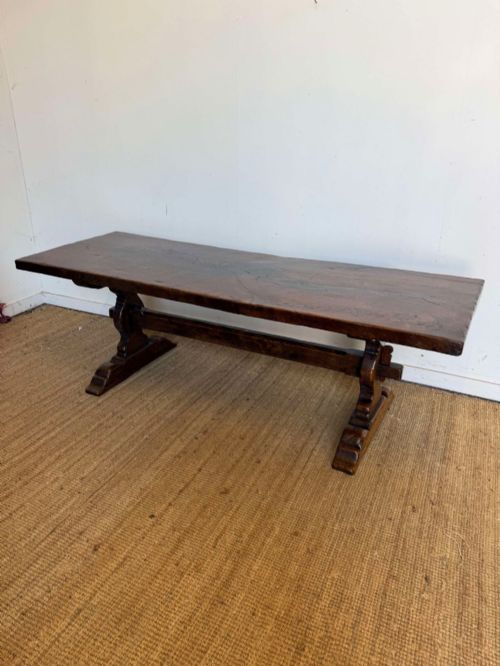
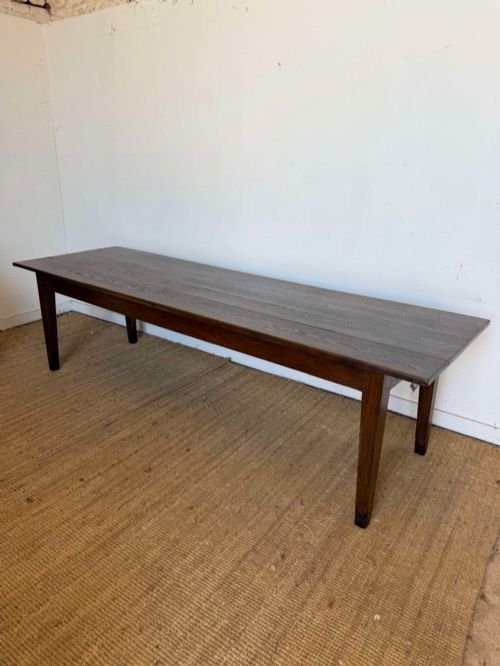
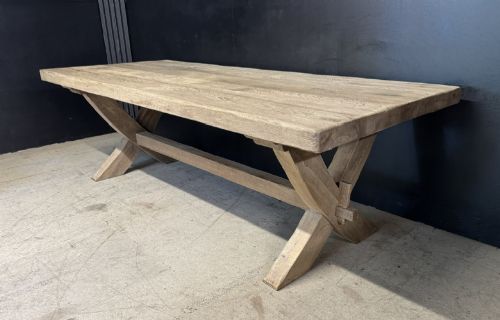
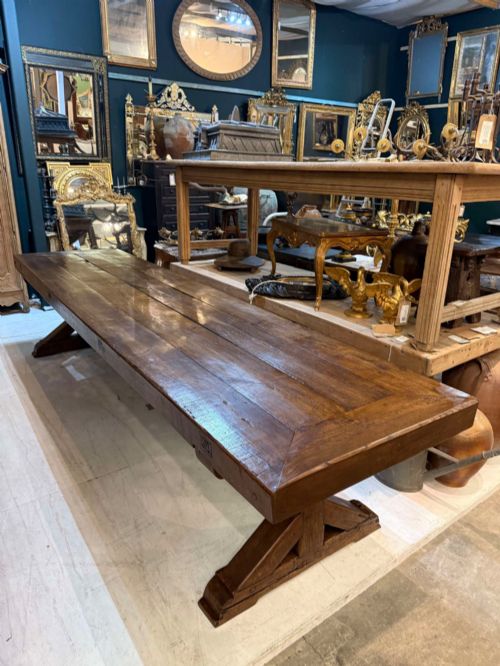
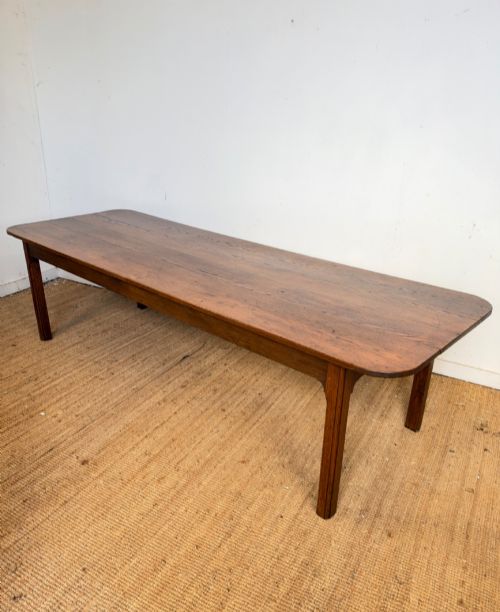
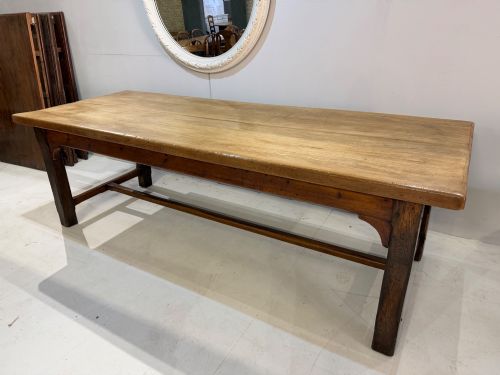
When searching for a french rustic dining table, a buyer encounters pieces originating from the nineteenth and seventeenth centuries, styled in the manner of French Provincial, Rustic Farmhouse, French Country, and Basque Regional traditions. These heavy utility surfaces were built for daily provincial life, carrying the marks of honest domestic service.
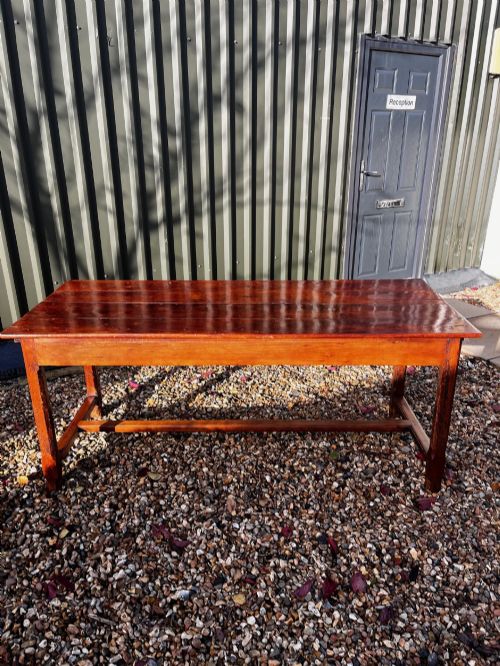
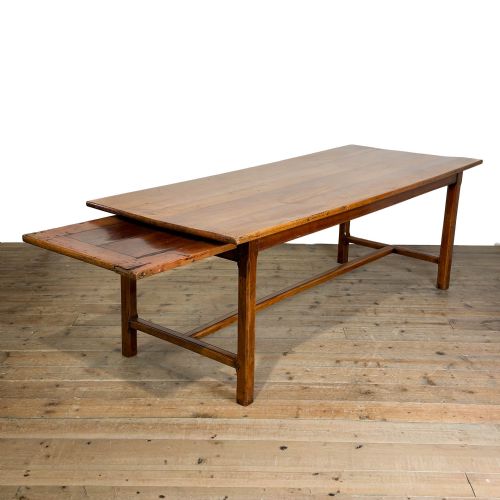
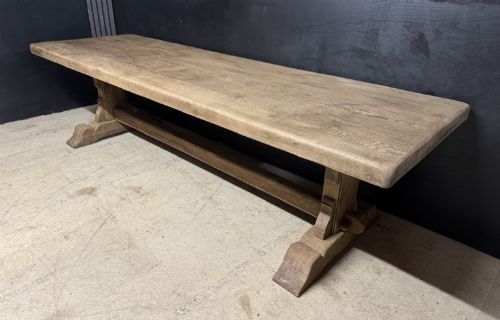
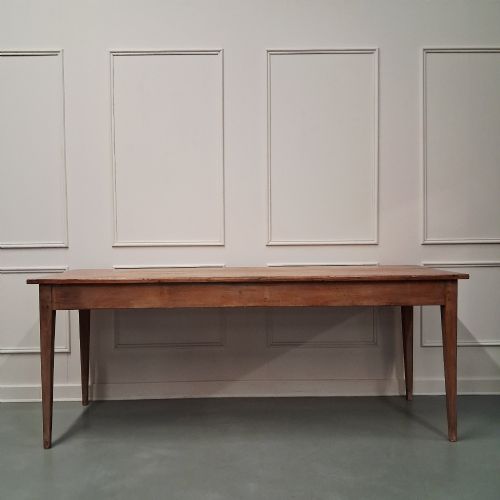
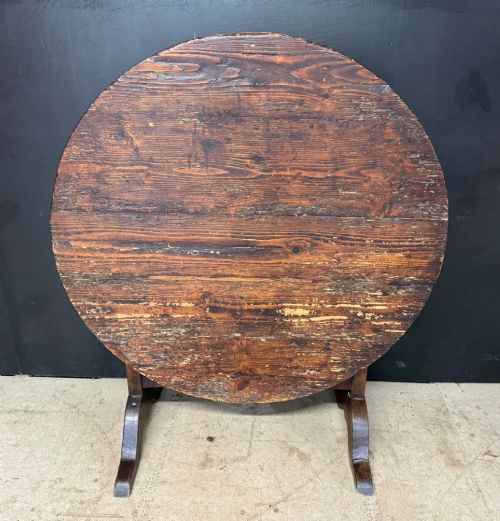
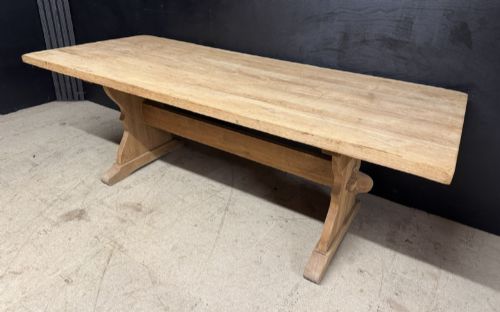
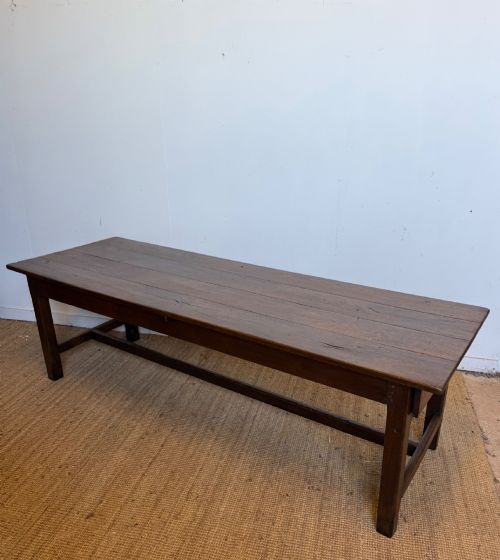
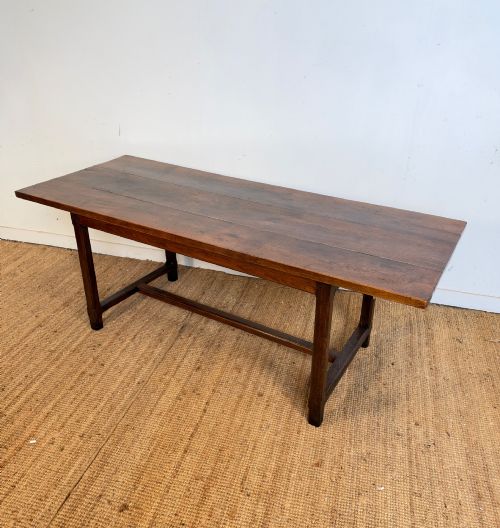
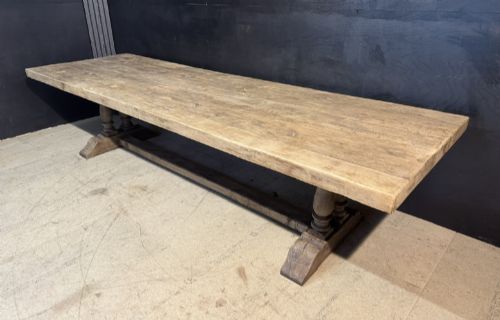
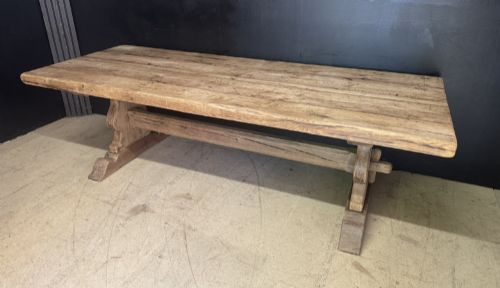
The most common examples on this page are nineteenth-century farmhouse and refectory dining tables, alongside specialised forms like the Vendange table, dropleaf centre tables, and trestle tables. They are typically encountered in generous proportions, suited to large kitchens and dining spaces.
Forms range from simple four-legged designs to long trestle tables and tables featuring drawers or extending mechanisms. Their origins in provincial France ensure a robust and unpretentious character designed for gathering rather than formal display.
How they were made
Makers utilised the accessible hardwoods and fruitwoods of their regions, including oak, chestnut, elm, pine, sycamore, pear wood, apple wood, birch, fruitwood, walnut, and timber. These timbers were selected for structural integrity and local availability rather than exotic show.
Construction techniques prioritized strength and endurance, joining thick planks of timber with pegged joints and sturdy stretchers. Iron or brass hardware appeared where mechanical utility required reinforcement, while surfaces were finished simply or left scrubbed.
French Rustic Dining Table Retail Price Guide 2026
Typical asking prices for french rustic dining table among the pieces listed under this phrase on Sellingantiques today, from the lower quarter to the upper quarter. They describe what is for sale here now, not the wider market.
Some tables retain the subtle ink stains and deep dents left by generations of family arguments, ledger-keeping, and hearty rural suppers.
What varies in quality
Quality rests upon the integrity of the primary timbers and the honesty of the construction, where a heavy, uncompromised top sits securely on a well-balanced base. Tables fashioned from dense oak, chestnut, or old-growth fruitwood hold a deeper patina and greater structural stability than those made from softer secondary woods.
The French Rustic Dining Table Glossary
- Refectory table
- A long, narrow dining table originally built for communal dining halls and monastic refectories. These pieces provide generous seating lengths supported by strong underframes and heavy stretchers.
- Vendange table
- A traditional French wine-harvest table often designed for utility during grape-picking seasons. They typically feature specialised tops or proportions suited to communal processing spaces.
- Trestle table
- A table construction where the top rests upon two or more vertical supports connected by a horizontal beam. This design allows maximum legroom along the length of the table.
- Scrubbed top
- A wooden tabletop that has been repeatedly washed down to reveal the bare, clean grain of the timber. This treatment highlights the natural texture of sycamore, elm, or pine.
- Patina
- The deep, lustrous surface sheen developed over decades of handling, polishing, and exposure to light. It serves as a visual record of an object's age and continuous use.
French Rustic Dining Table: Frequently Asked Questions
How do I clean a wooden farmhouse table?
Wipe surfaces down using a damp cloth with mild soap, avoiding harsh chemical sprays that strip the natural finish. Dry the wood immediately to prevent moisture rings or warping.
Nourish dry timbers periodically with natural beeswax or oils appropriate for historic wood. This preserves the patina without introducing artificial gloss.
Can I seat people comfortably around a trestle base?
Trestle bases actually offer an advantage for seating because the vertical supports sit inward from the corners. This allows chairs to slide fully underneath without legs obstructing diners.
Ensure you measure the distance between the trestle feet and the floor clearance to match your dining chairs. Long configurations easily accommodate benches alongside standard chairs.
Are these tables suitable for everyday kitchen use?
These utility surfaces were originally built for hard domestic labour in provincial homes, making them naturally resilient for daily dining. Their construction is meant to withstand heavy use and gathering.
Use trivets and placemats to protect historic timbers from excessive heat and moisture. Embracing minor marks as part of the ongoing history keeps living with these pieces stress-free.
How do I tell an earlier table from a later one?
Examine the construction methods underneath, looking for hand-cut joinery, pegged tenons, and signs of hand-sawing on the underside of planks. Earlier pieces from the seventeenth and early nineteenth centuries display tool marks consistent with pre-industrial workshop production.
Assess the timber species and the depth of the surface patina, which deepens naturally over long periods. Regional styles like Basque or provincial refectory forms also point toward specific historical eras.