





Reclaimed Wood Table
A reclaimed wood table brings honest timber and industrial character into a room, shaped by past utility and sturdy construction.
Reclaimed Wood Table
A reclaimed wood table encompasses diverse practical forms from the eighteenth, nineteenth, and twentieth centuries, including workbenches, coffee tables, console tables, and butchers blocks. Buyers seeking a reclaimed wood table will encounter pieces drawing on industrial, rustic country, and colonial traditions.
How they were made
Makers constructed these pieces using heavy timbers such as oak, pine, teak, elm, and hardwood, often salvaged from older structures or furniture. These sturdy woods provide the dense, durable surfaces characteristic of genuine antique tables.
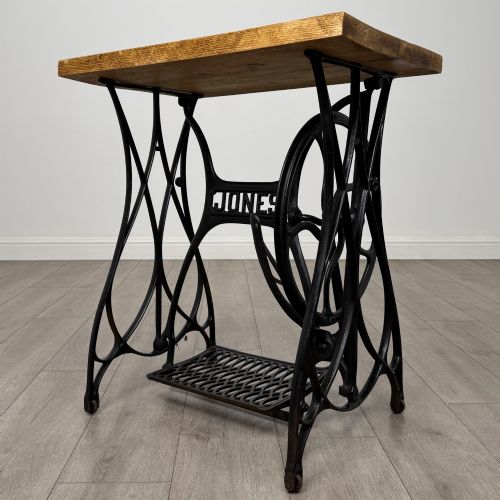
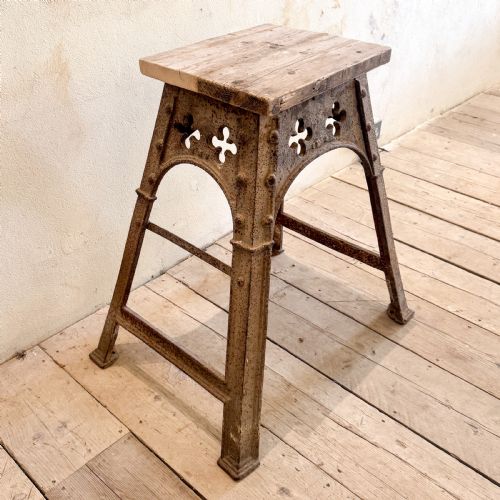
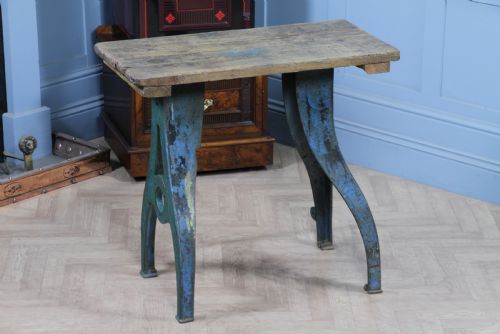
Metal components play a major role, utilising cast iron and iron for bases, frames, vices, and mechanical parts. This combination of robust timber and industrial metal created furniture built to withstand heavy daily use.
Reclaimed Wood Table Retail Price Guide 2026
Typical asking prices for reclaimed wood table among the pieces listed under this phrase on Sellingantiques today, from the lower quarter to the upper quarter. They describe what is for sale here now, not the wider market.
Listings feature items built from pine, oak, teak, elm, and hardwood, paired with iron and cast iron bases.
What varies in quality
Quality rests in the integrity of the timber and the authenticity of the adaptation, distinguishing genuine repurposed work tables from modern imitations. The best examples retain the genuine wear and structural honesty earned through decades of actual workshop or domestic service.
The proportion and balance of the iron or cast iron framework relative to the wooden top determine the visual success of the piece. Superior tables demonstrate thoughtful pairing where industrial metal bases support heavy timber tops without awkward joins.
The Reclaimed Wood Table Glossary
- Trestle table
- A table consisting of two or more supports connected by a longitudinal beam, offering stability without traditional four-corner legs. This form frequently appears in nineteenth-century French and eighteenth-century examples.
- Butchers block
- A thick, heavy wooden block utilised for food preparation, often mounted on an independent stand. These utilitarian objects now serve as kitchen islands and low tables.
- Takhat
- A low Indian seating platform or table, traditionally used for sitting or sleeping. Nineteenth-century examples often feature substantial turned legs and deep wooden frames.
- Up-cycled
- The conversion of discarded objects or materials into items of better quality or a new practical purpose. Industrial machine bases combined with pine tops exemplify this practice in nineteenth-century pieces.
Reclaimed Wood Table: Frequently Asked Questions
How do I clean a reclaimed wood table?
Wipe surfaces gently with a slightly damp cloth to remove everyday dust without stripping the natural patina accumulated over decades of use.
Avoid harsh chemical cleaners or excessive water, which can damage aged pine, oak, and elm timbers.
Can I use an industrial workbench as a dining table?
Many nineteenth-century workbenches and cheese press tables offer sufficient length and sturdy construction for daily dining purposes.
Check the height clearances underneath, as heavy vices or thick wooden framing may restrict legroom.
What is the difference between pine and hardwood tables?
Pine tables provide a softer, lighter appearance with visible knot patterns that suit rustic country interiors.
Hardwood and elm versions offer greater density and resilience against heavy impacts, reflecting their origins in demanding workshop environments.
Are cast iron bases original to the timber tops?
Many industrial pieces combine vintage cast iron machine bases with reclaimed pine tops created through period up-cycling.
Examine the connection points underneath to understand how the metal frame supports the weight of the wooden surface.