



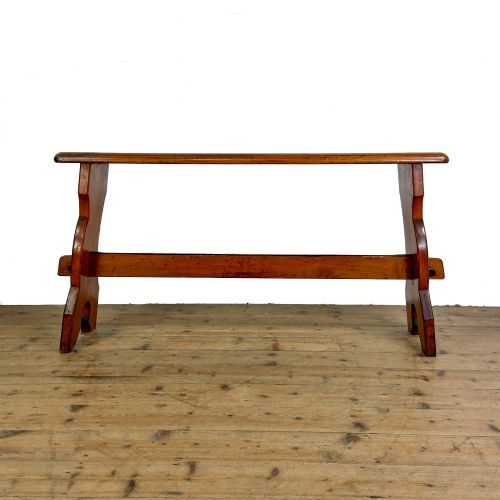
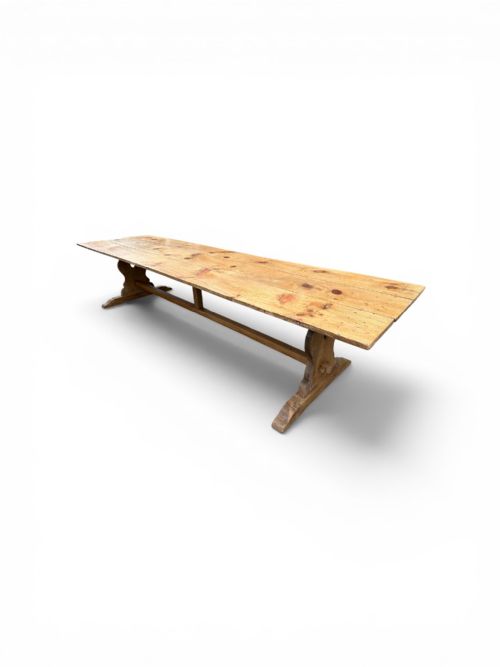
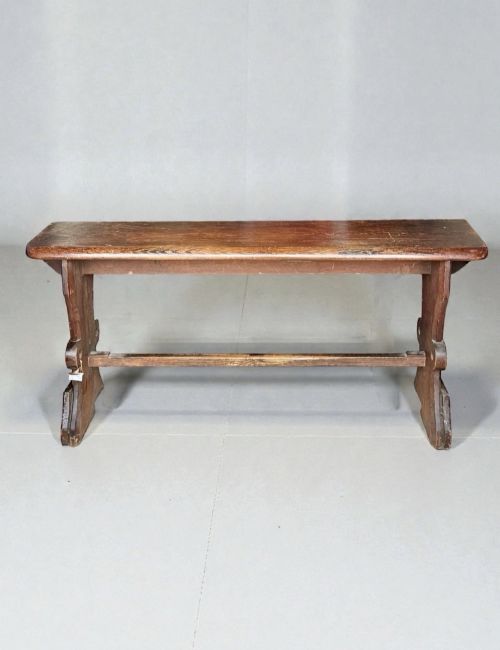

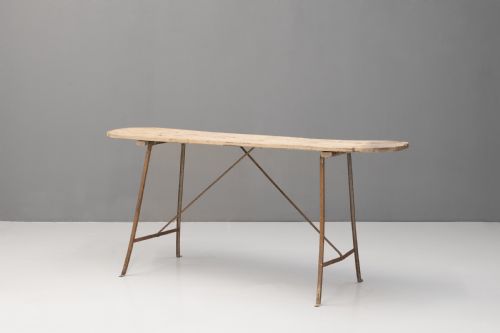

Rustic Pine Trestle
These rustic pine trestle tables and benches combine simple construction with functional utility, bringing practical utility and unpretentious character to daily dining spaces.
Rustic Pine Trestle
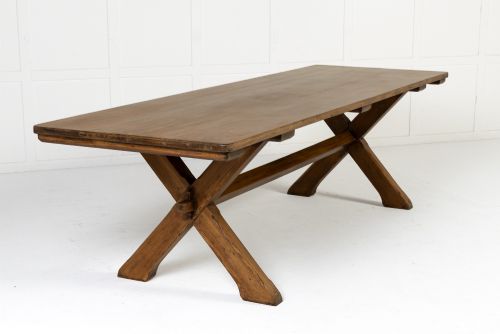
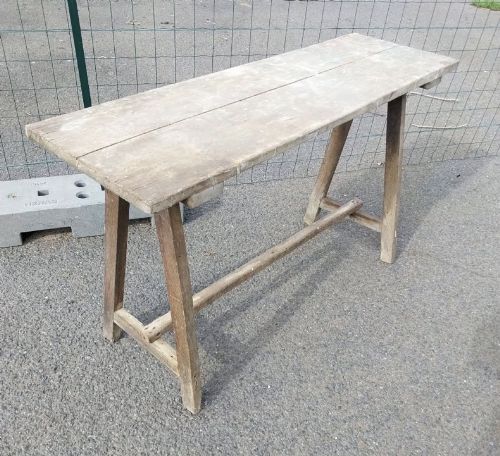
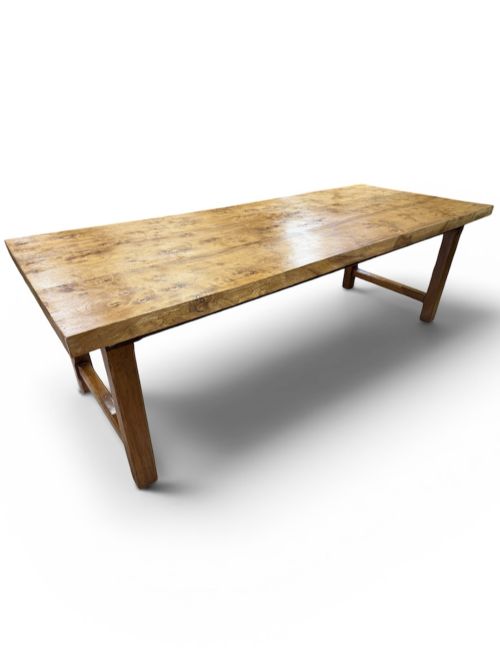
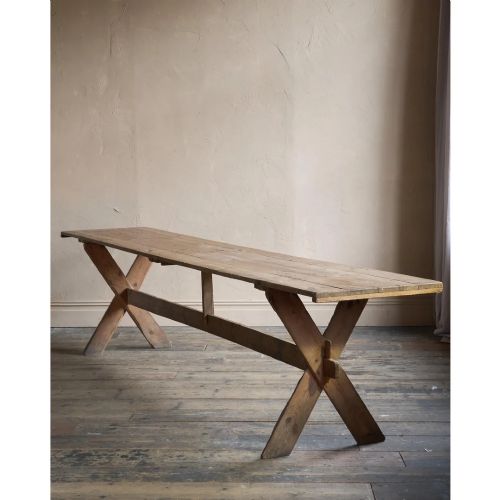
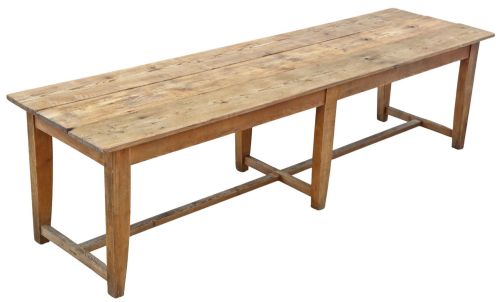
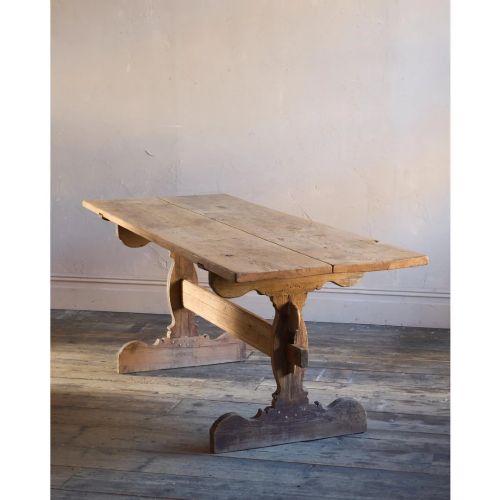
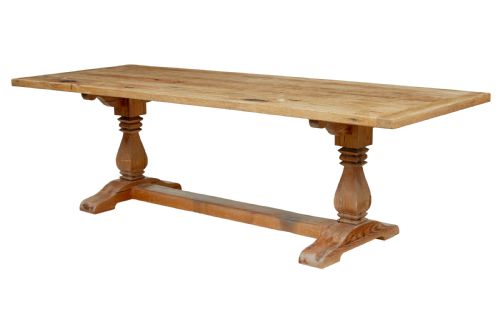
A rustic pine trestle typically comprises a sturdy timber top supported by a central stretcher or X-frame base, designed to seat multiple people comfortably for dining or work. The pieces appearing here span from the nineteenth century through the Edwardian era, encompassing both British examples and Scandinavian country forms.
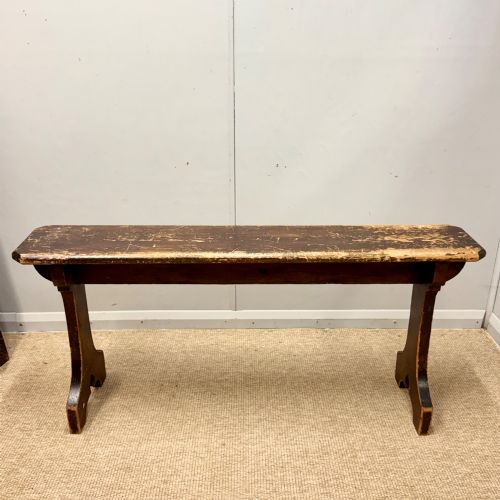
Buyers most frequently encounter robust kitchen tables, refectory styles, and long benches intended for communal gatherings. These furnishings originate from rural contexts, including farmhouses, taverns, and schools, where durability outweighed ornamentation.
The form prioritises legroom and stability, utilising trestle ends that allow diners to sit along the entire length without obstruction. Such practical origins mean these tables and benches integrate readily into contemporary kitchens and dining rooms.
Materials and construction
Makers constructed these pieces primarily from solid pine and pitch pine, occasionally pairing timber tops with oak or chestnut components and iron or brass hardware. The choice of softwood provided an accessible, workable material that endured heavy daily use in domestic and commercial settings.
Construction techniques focused on straightforward joinery, employing cleated ends on plank tops to prevent warping and X-frame or trestle bases secured with pegged tenons or iron braces. Many surfaces received protective coats of traditional paint, such as Swedish Falu red or grey, while others were left scrubbed bare.
Rustic Pine Trestle Retail Price Guide 2026
Typical asking prices for rustic pine trestle among the pieces listed under this phrase on Sellingantiques today, from the lower quarter to the upper quarter. They describe what is for sale here now, not the wider market.
Included among the listings is an original pine pig scratch from eighteen ninety.
Distinctions in quality
Quality rests upon the integrity of the timber selection and the retention of original surfaces, such as weathered patinas or historic painted finishes. Tables with thick, multi-plank tops and sturdy, well-pegged trestle bases demonstrate superior structural longevity.
Proportion and scale also define the better examples, where longer community harvest lengths or balanced X-frame proportions command greater visual presence. Pieces retaining authentic signs of workshop or tavern use possess a coherence that altered or overly restored equivalents lack.
The Rustic Pine Trestle Glossary
- Trestle table
- A table comprising a horizontal beam supported by two vertical legs or frames at each end. This design maximises legroom along the length of the top.
- X-frame
- A structural base formed by two intersecting diagonal members shaped like the letter X. It provides lateral stability to long tables and benches.
- Cleated ends
- Wooden battens fixed across the grain at both ends of a plank top. They help keep the boards flat and stable over decades of use.
- Pitch pine
- A dense, resinous variety of pine known for its durability and prominent grain patterns. It frequently appears in heavy-duty Victorian and Edwardian furnishings.
- Refectory table
- A long, narrow dining table traditionally used for communal meals. The surviving examples typically feature sturdy trestle or four-leg frames.
Rustic Pine Trestle: Frequently Asked Questions
How do I care for a pine surface?
Clean unpainted pine boards with a damp cloth and mild soap, avoiding excessive water that might raise the grain. Regular waxing maintains the moisture balance and protects the wood from daily spills.
For painted surfaces, use a dry duster and avoid harsh chemical cleaners that strip historic pigments. Gentle maintenance preserves the existing patina accumulated over generations.
Were these tables used in kitchens?
Many of these pieces served as robust kitchen or tavern tables where food preparation and communal dining took place daily. Their thick pine tops withstood heavy chopping, kneading, and scrubbing.
Surviving examples often show the physical marks of this intense domestic utility. This working history forms an integral part of their character.
How do I date a pine table?
Examine the construction methods, tool marks on the underside, and the type of fixings used in the frame. Hand-sawn boards and pegged joinery generally point towards nineteenth-century origins.
Compare the timber density and surface wear with dated examples from the Victorian or Edwardian periods. Original paint finishes also offer reliable chronological clues.
Can I seat many people at them?
The trestle design inherently accommodates large numbers of diners because the end supports leave the entire length unobstructed for benches or chairs. Long community harvest and refectory formats were specifically built for this purpose.
Matching a table with contemporary or period pine benches maximises seating capacity. This arrangement replicates the original communal dining function.