



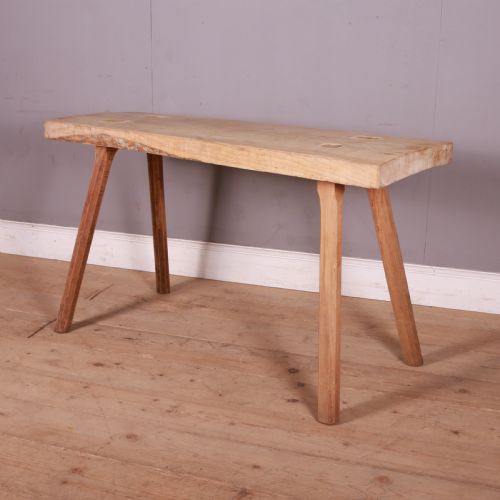


Natural Wood Trestle
Natural wood trestle tables offer robust surfaces and simple supports, bringing centuries of practical utility and honest country dining into modern homes.
Natural Wood Trestle
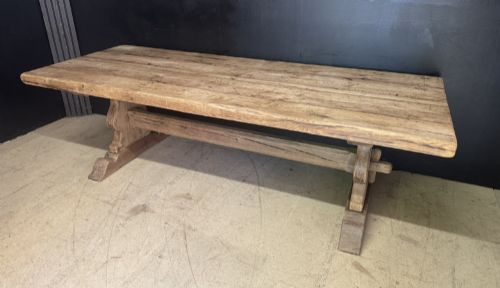
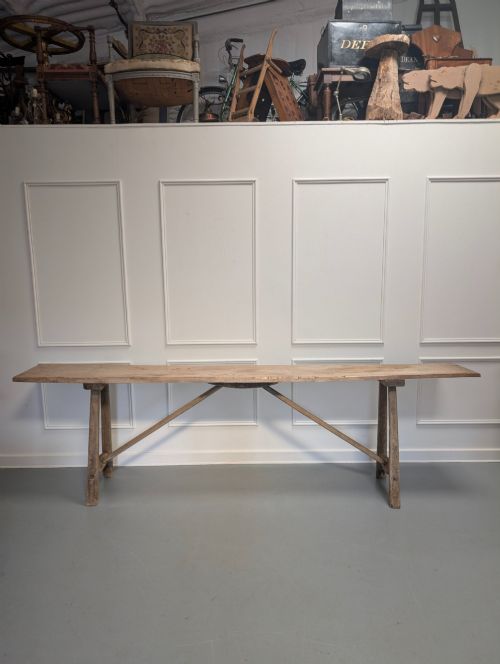
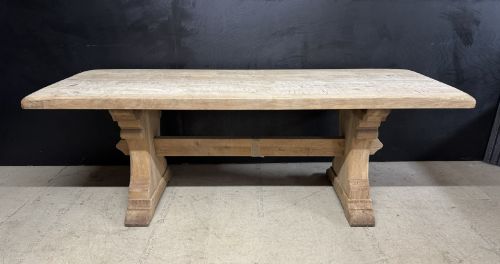
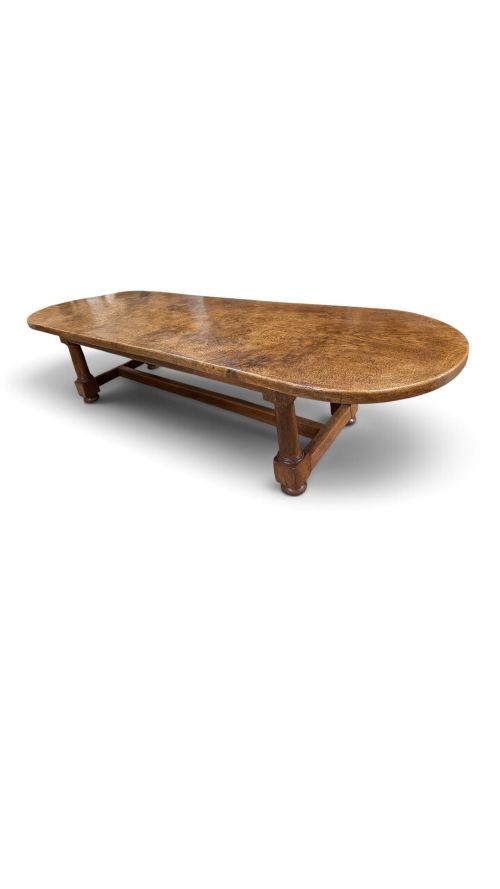
A natural wood trestle search brings up sturdy dining tables, tavern tables, and console tables designed with independent ends connected by a central beam or frame. Buyers seeking a natural wood trestle commonly encounter examples originating from French provincial workshops or Scandinavian country kitchens.
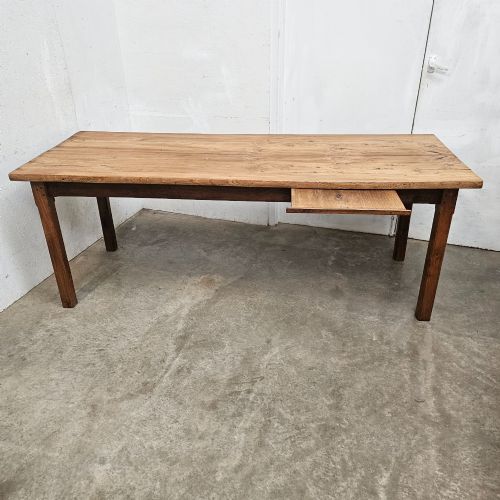
The periods represented span from the 18th century through the 1920s and 1940s, capturing centuries of domestic use. Formats vary from single plank oak tops to two board elm surfaces and scrubbed sycamore designs.
Regional styles dictate the architectural character of each piece, ranging from French farmhouse and rustic country to Swedish country aesthetics. These tables serve primarily as dining tables or kitchen work surfaces built for daily service.
Construction and materials
Maker construction relies on heavy timbers such as pine, oak, elm, sycamore, and softwood selected for density and strength. Surfaces often feature scrubbed finishes, bleached oak treatments, or weathered patinas developed through decades of hard use and cleaning.
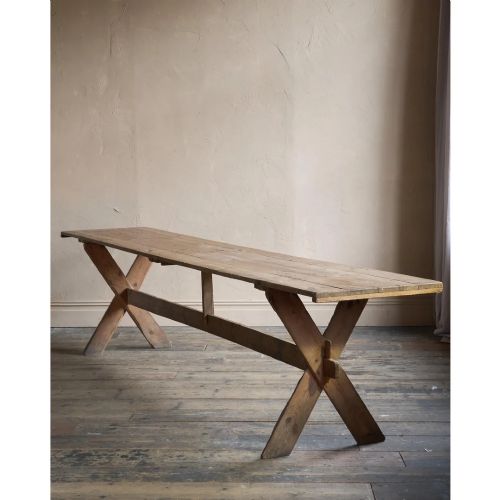
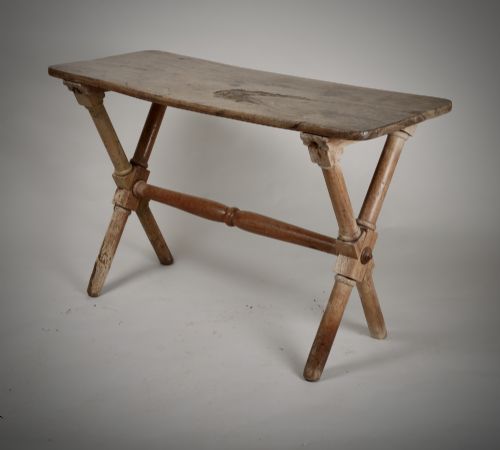
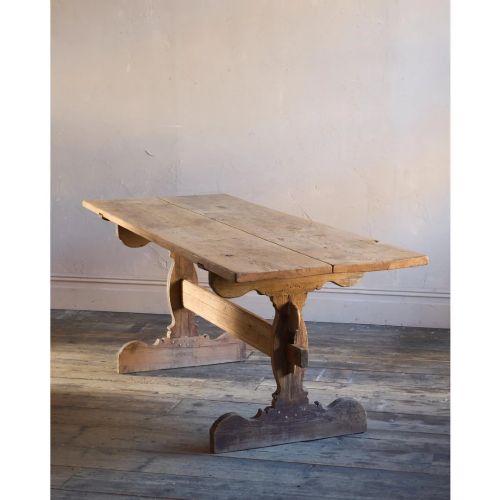
Trestle bases utilise sturdy x frame supports or pegged stretcher joints rather than standard corner legs, distributing weight evenly across the floor. Tops are fashioned from single planks or dual board configurations joined tightly to accommodate natural wood movement.
Natural Wood Trestle Retail Price Guide 2026
Typical asking prices for natural wood trestle among the pieces listed under this phrase on Sellingantiques today, from the lower quarter to the upper quarter. They describe what is for sale here now, not the wider market.
Listings feature timbers including pine, oak, elm, sycamore, and softwood across periods spanning the 18th, 19th, and early 20th centuries.
Assessing quality and character
Quality rests in the integrity of the timber selection, such as thick single plank oak or mature elm boards with substantial depth. Superior examples maintain original surface textures, whether scrubbed clean or bearing honest historical weathering.
Joinery execution distinguishes finer pieces, showing tight pegged construction and stable trestle bracing that prevents lateral wobble. The proportion of the base to the top creates visual balance, separating workshop utilitarian builds from more refined regional interpretations.
The Natural Wood Trestle Glossary
- Trestle table
- A table consisting of two or more supports connected by a longitudinal beam that holds a loose or fixed top. This design allows maximum legroom along the length of the surface.
- Scrubbed pine
- Timber that has been repeatedly scrubbed with water and coarse brushes, removing surface grime and leaving a pale, clean grain. It is a common finish on kitchen and dairy tables.
- X frame
- A structural support base formed by two intersecting timbers shaped like the letter X. This configuration provides lateral stability without requiring conventional corner legs.
- Single plank
- A table top surface constructed from one wide piece of timber running the full length of the table. This feature indicates the use of mature trees from old growth forests.
Natural Wood Trestle: Frequently Asked Questions
How do I care for a natural wood trestle table?
Clean surfaces using a damp cloth and mild soap, avoiding harsh chemical sprays that strip historical patinas. Apply natural beeswax periodically to nourish dry pine, oak, or elm timbers.
Protect the wood from extreme heat and moisture by using coasters and mats. Allowing the timber to breathe preserves the authentic character of older surfaces.
Are these tables suitable for daily family dining?
These tables were originally built for heavy domestic work, making them remarkably sturdy for everyday meals. The robust trestle design provides ample legroom and steady support.
Existing marks and weathering mean new knocks blend into the surface history. Daily use simply adds to the enduring patina of the wood.
What is the difference between French and Swedish styles?
French provincial and farmhouse tables often utilise warmer elm, oak, and sycamore timbers with heavier proportions. They reflect agricultural traditions centered around large kitchens and harvest dining.
Swedish country examples frequently feature paler pine and scrubbed softwood with restrained lines. These pieces tend to emphasise lighter tones suited to northern interiors.
How can I date an older wooden table?
Dating relies on examining tool marks, timber dimensions, and construction methods visible beneath the top. Hand-cut pegs, pit-sawn board edges, and wide single planks typically point towards 18th or 19th-century origins.
Later 20th-century pieces display more uniform machining and standardised fixings. Comparing the timber species and regional style helps narrow down the period of manufacture.