

Rustic Coffee Table
A rustic coffee table brings tangible age and honest construction into a room, offering a low surface with deep grain and practical utility.
Rustic Coffee Table
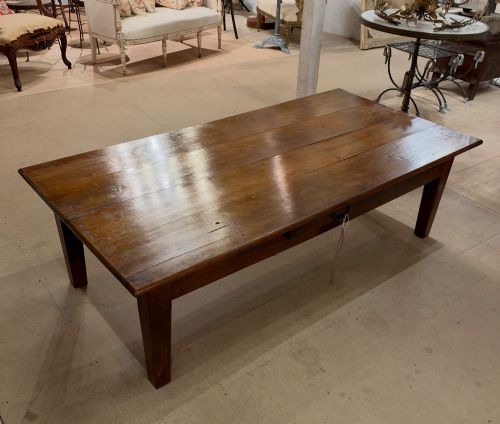
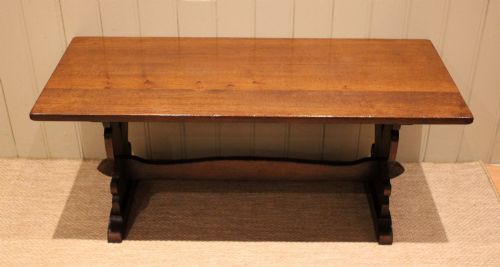
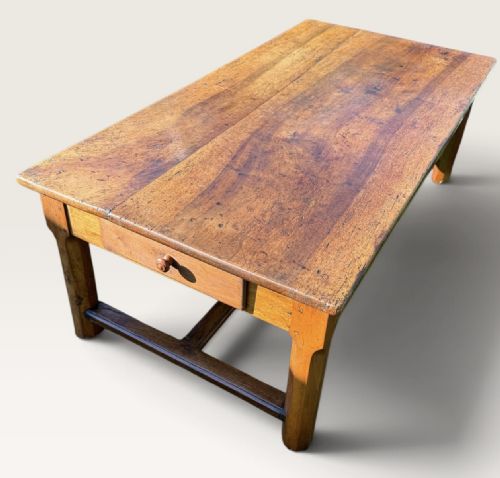
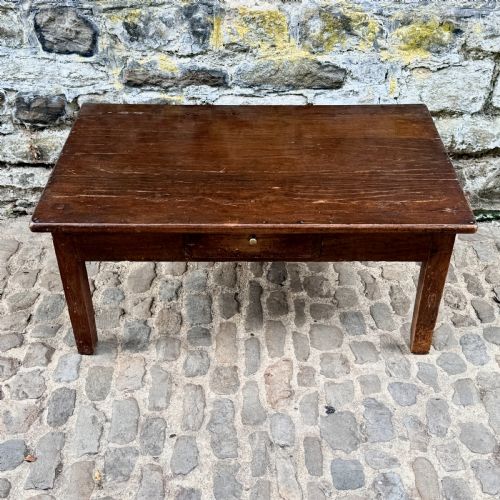
When you search for a rustic coffee table, you are looking at low timber surfaces that often begin life as heavier furniture, benches, or storage chests. These pieces span the eighteenth, nineteenth, and early twentieth centuries, drawing on English, French, and wider European traditions.
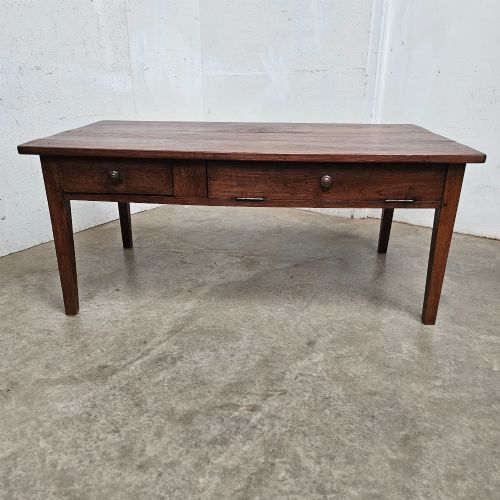
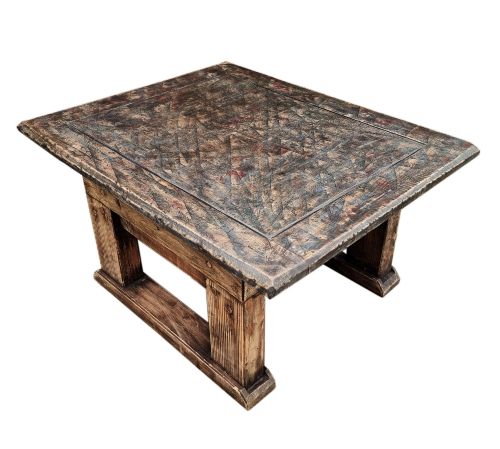
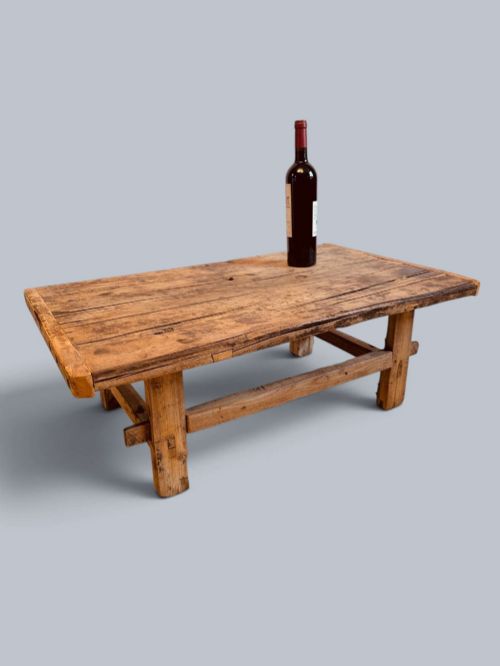
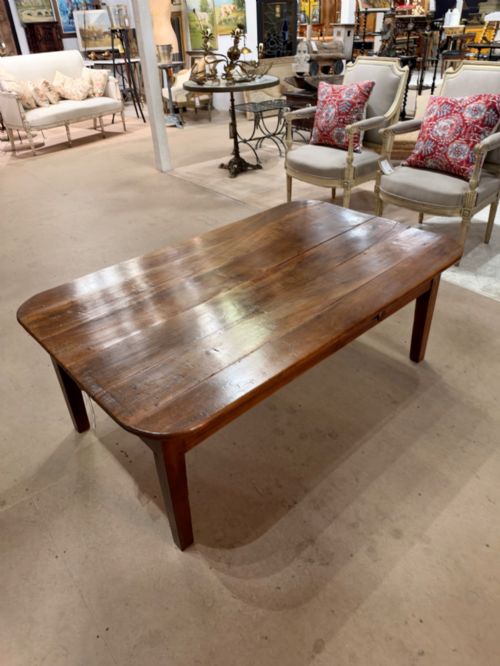
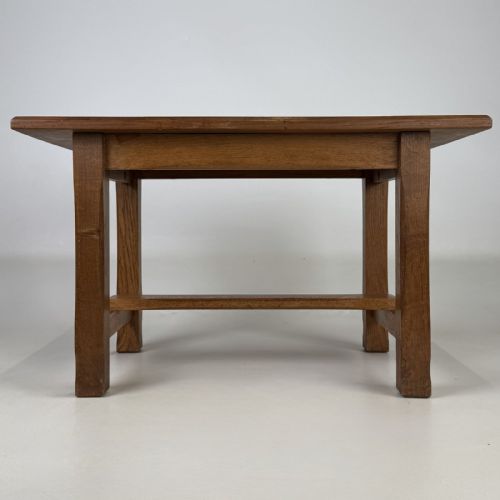
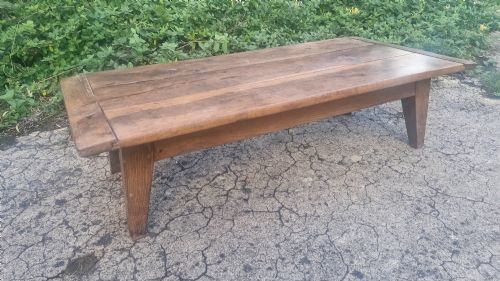
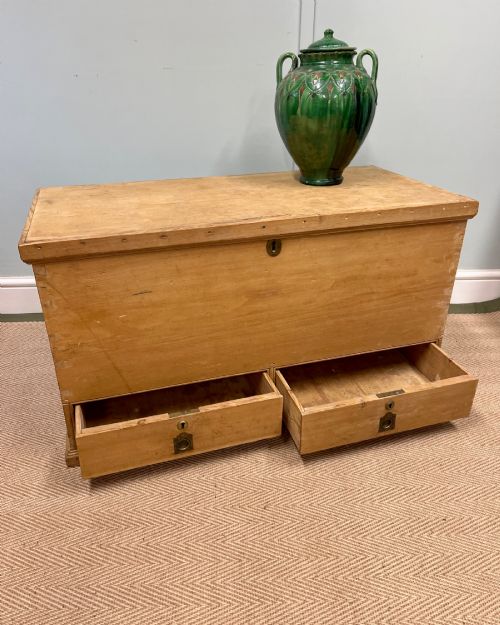
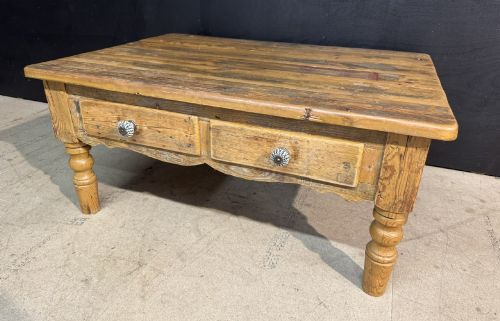
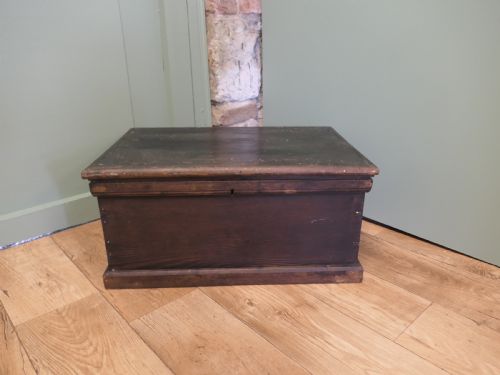
The version you are most likely to meet on this page is a low table built from pine or oak, frequently carrying the scars of earlier domestic use. Many examples originate as repurposed pig benches, blanket boxes, or low farmhouse tables rather than furniture made specifically as coffee tables from the outset.
Originating across distinct regional workshops, these tables range from scrubbed-top pine boards to heavy planked chestnut and elm. Their forms prioritise utility and sturdy joinery, resulting in low profiles that suit modern sitting rooms while retaining their historical character.
How they were made
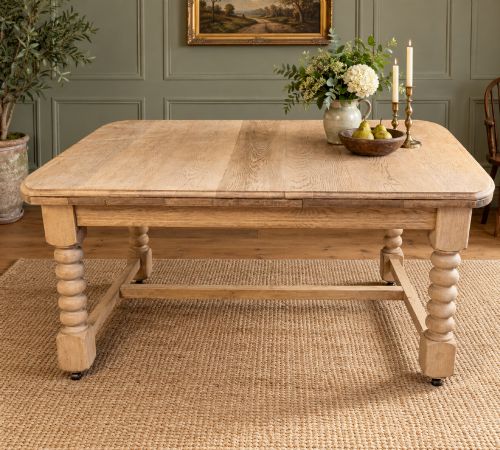
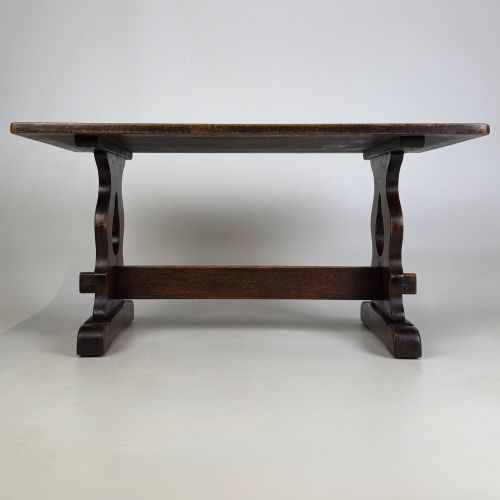
Makers relied primarily on solid timbers such as oak, pine, elm, and chestnut, selected for their availability and structural strength rather than decorative veneer. Planks were often hand-sawn and joined with pegged mortise and tenon joints, creating robust frames designed to withstand heavy daily labour.
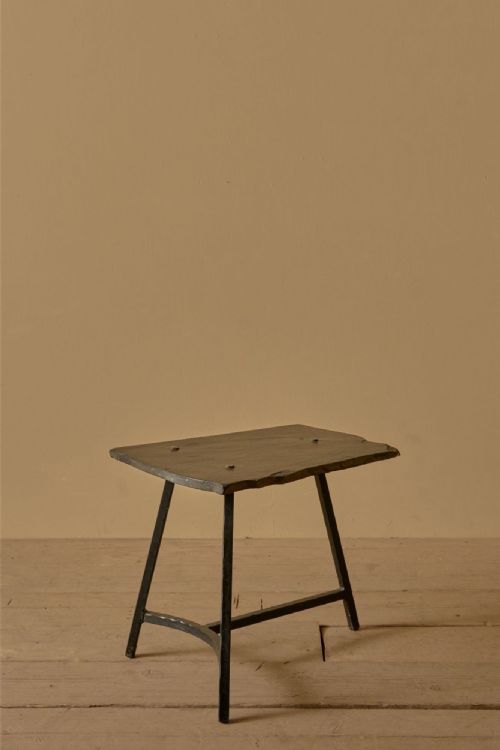
Surface preparation involved simple hand planing and waxing, leaving tool marks and natural grain visible across the timber. Where iron, brass, or wrought elements appear, they serve structural purposes like strap hinges, corner brackets, and braced legs rather than mere ornament.
Rustic Coffee Table Retail Price Guide 2026
Typical asking prices for rustic coffee table among the pieces listed under this phrase on Sellingantiques today, from the lower quarter to the upper quarter. They describe what is for sale here now, not the wider market.
Listings feature eighteenth and nineteenth-century examples alongside early twentieth-century pieces, spanning oak, pine, elm, chestnut, and walnut timbers.
What varies in quality
The distinction between ordinary and exceptional examples rests in the integrity of the timber and the honesty of its wear. Superior pieces retain deep, untouched patina and original structural joints without excessive modern intervention or unsympathetic board replacement.
Proportion and balance also set pieces apart, as tables adapted from narrower benches or specific regional forms often display a more pleasing low profile. The clarity of hand-worked surfaces and the absence of over-finishing separate thoughtful domestic pieces from heavier, purely utilitarian items.
The Rustic Coffee Table Glossary
- Pig bench
- A low wooden bench traditionally used in agricultural settings, often repurposed in later periods as a narrow coffee table due to its ideal height and planked top.
- Plank top
- A surface constructed from solid boards joined edge to edge, showing the natural grain and growth rings of the timber.
- Patina
- The surface sheen and darkening developed through decades of handling, cleaning, and exposure to light and air.
- Scrubbed top
- A pine or hardwood surface repeatedly washed with water and sand to clean the grain, resulting in a pale, textured finish.
- Primitive
- Descriptive of furniture made without sophisticated workshop machinery, often displaying direct construction methods and regional character.
Rustic Coffee Table: Frequently Asked Questions
What is a rustic coffee table?
A rustic coffee table is a low wooden surface built with traditional joinery, often utilising reclaimed timber or repurposed items like benches and chests.
These pieces showcase natural wood grain, tool marks, and historical wear rather than highly polished or veneered factory finishes.
How were these tables originally used?
Many of these low surfaces started as functional household or agricultural items, including bench seating, blanket storage, and work tables.
They were adapted later to sit before a sofa, moving from practical utility in farmhouse kitchens and workshops into domestic living spaces.
How do I care for a waxed wood top?
Maintaining a waxed surface requires occasional applications of traditional beeswax to nourish the timber and protect against everyday moisture.
Avoid placing hot cups or wet items directly on the bare wood, and use soft cloths for dusting rather than harsh chemical sprays.
How can I tell pine from oak pieces?
Pine is a softer softwood that typically displays a lighter colour and more prominent knot patterns, often taking on a pale or scrubbed appearance.
Oak is a denser hardwood featuring distinct medullary rays and a heavier, darker grain structure that deepens significantly with age.