


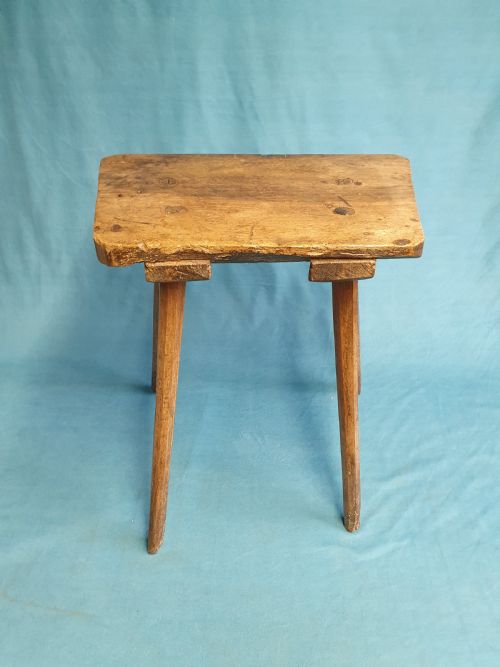


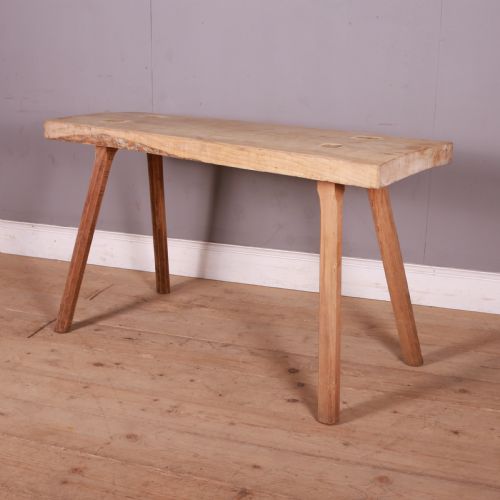


Splayed Leg Bench
A splayed leg bench is a sturdy vernacular seat designed for practical tasks, offering honest charm and rich timber patination to any room.
Splayed Leg Bench
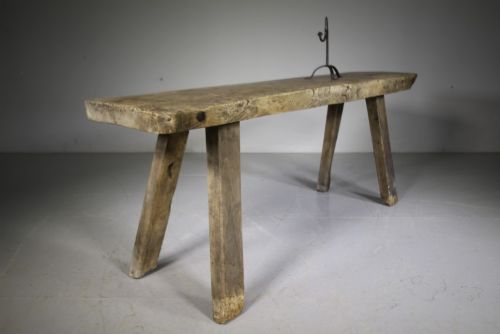
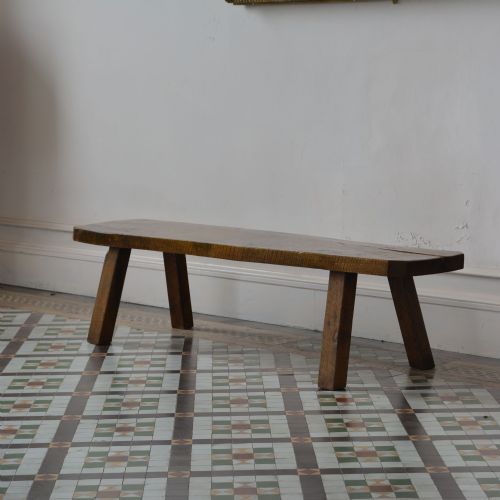
When you search for a splayed leg bench, you encounter utilitarian seating and low tables shaped by rural tradition rather than formal design. The pieces available range from early oak forms to smaller pine and fruitwood examples created for agricultural and domestic work.
The selection here draws heavily on 18th century and 19th century vernacular furniture, encompassing rustic country benches, milking stools, and low tables. These items reflect the straightforward needs of past workshops, dairies, and farmhouses across different regions.
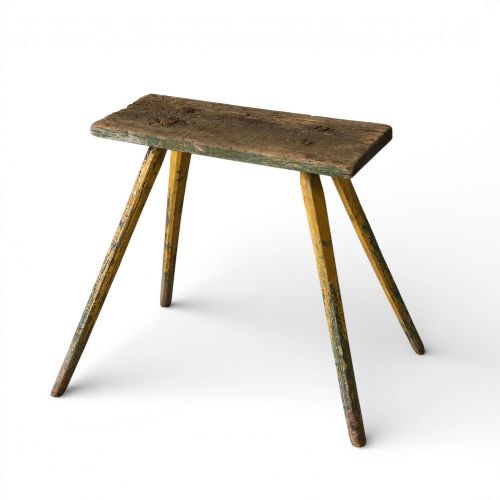
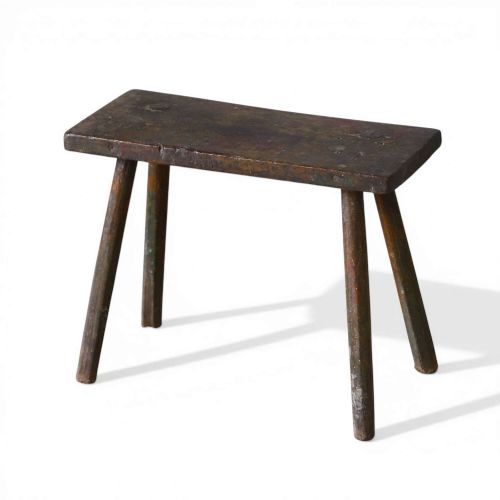
Forms vary from long oak benches and settle seats to diminutive three-legged stools and scrubbed trestle tables. You are most likely to meet rustic pine and oak examples showing the honest wear of daily use.
Materials and construction
Carpenters built these pieces using solid timbers like oak, pine, sycamore, elm, and walnut, selecting local woods for strength and availability. Legs were often turned or shaved by hand and wedged straight into bored seats to create the characteristic splayed angle.
Surfaces frequently show traces of original paint, such as green or other historic pigments, alongside scrubbed bare wood resulting from generations of vigorous cleaning. Construction relies on pegged joints and pegged stretchers rather than metal fixings.
Listings feature oak, pine, sycamore, elm, and walnut across the eighteenth and nineteenth centuries.
Assessing quality and character
Quality in these vernacular pieces rests upon the integrity of the timber and the honesty of the surface patination. A finer piece retains its original structural balance and uncompromised leg fixings, showing depth in the grain rather than artificial smoothing.
The presence of original paint layers significantly elevates the character of a surface, distinguishing untouched examples from those stripped or heavily restored in later decades. Proportion and scale also matter, as diminutive or unusual forms command greater interest through their distinct silhouette.
The Splayed Leg Bench Glossary
- Splayed leg
- A leg angled outwards from the centre of the seat or top to provide greater stability on uneven floors. This simple geometric arrangement defines the profile of many rustic benches and stools.
- Vernacular furniture
- Domestic and working furniture made by local craftsmen for everyday use rather than following high-style metropolitan fashions. These objects prioritise utility and local material availability.
- Pig bench
- A low wooden bench traditionally used in rural settings for agricultural tasks or butchery preparation. Today these low forms function well as narrow coffee tables.
- Patination
- The surface sheen and colour acquired by wood and paint over centuries of handling, light, and waxing. Good patination cannot be artificially replicated.
- Settle
- A wooden bench with a high back designed to keep out draughts, often featuring a solid panelled construction and enclosed storage beneath the seat.
Splayed Leg Bench: Frequently Asked Questions
What is a splayed leg bench used for?
These benches served practical functions in farmhouses, dairies, and workshops, ranging from seating to low work surfaces.
In modern interiors, they work effectively as narrow coffee tables, hallway seats, or decorative display surfaces for plants and ceramics.
How do I date an old bench?
Dating relies on tool marks, timber species, construction methods, and the natural wear accumulated on the wood over generations. Oak and early pine framing usually point to the eighteenth century, while later nineteenth-century pieces often display softer woods and simpler turned components.
Examining the underside reveals how the legs were joined to the seat, offering clear clues about the period of manufacture.
Are these benches sturdy enough for daily seating?
Most surviving examples remain structurally robust because they were originally built for heavy manual environments. Their splayed leg design inherently provides a wide, stable base.
It remains wise to check the joints where the legs meet the underside of the seat to ensure the pegs or wedges are secure.
How should I clean a painted wooden bench?
Historic painted surfaces require gentle dusting with a dry microfibre cloth rather than liquid cleaners or harsh detergents. Moisture can lift old paint layers and dull the underlying historic pigments.
Applying a microcrystalline wax sparingly can help protect bare timber surfaces without altering their dry finish.