




Antique Butcher Block Table
An antique butcher block table brings industrial utility and enduring timber character straight into a modern domestic kitchen.
Antique Butcher Block Table
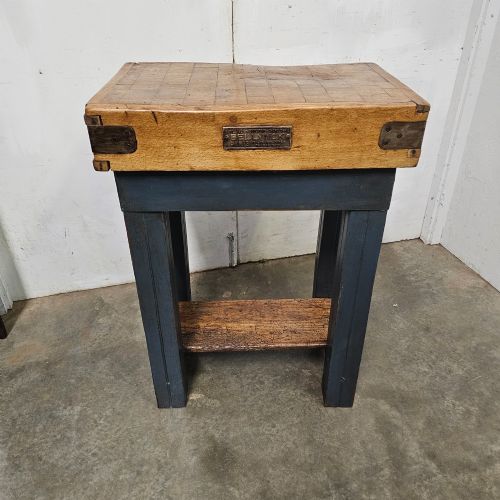
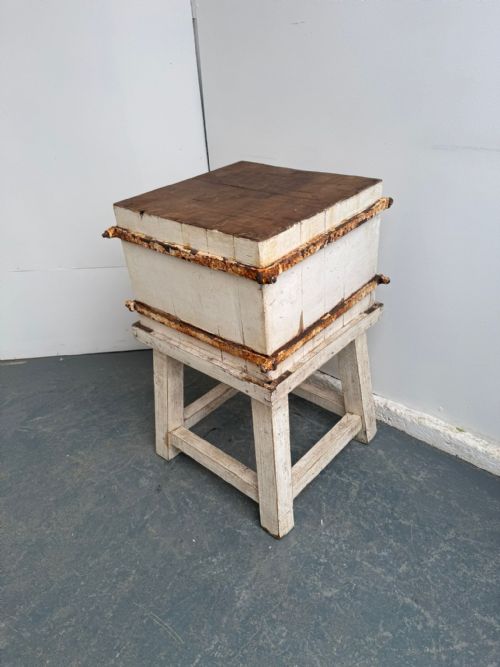
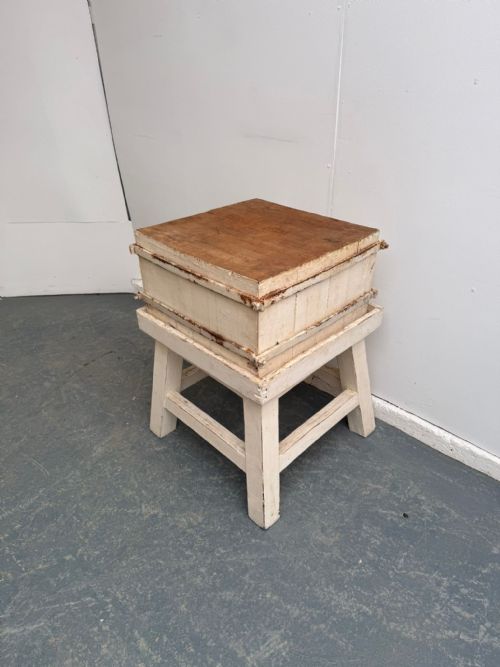
An antique butcher block table is a robust preparation surface designed originally for heavy cutting and food processing in commercial or domestic spaces. These pieces appear most frequently in nineteenth century vernacular styles, often taking the form of thick timber tops set upon sturdy wooden stands or metal frames.
The selection ranges from French beech and elm game blocks to English oak and pine prep tables. Buyers frequently encounter variants featuring scrubbed sycamore, ash, or painted white Victorian finishes from Hungary.
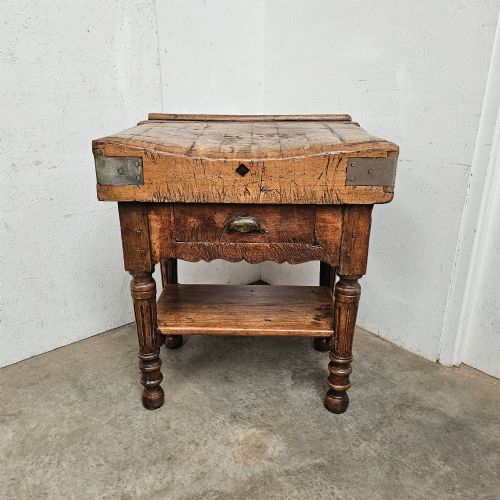
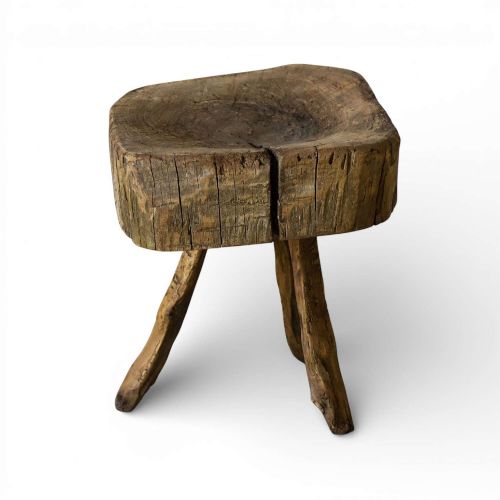
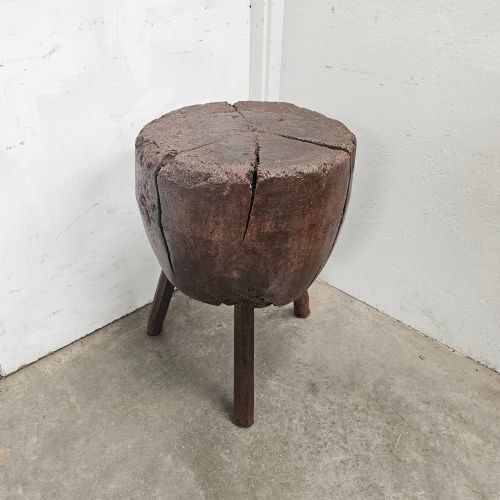
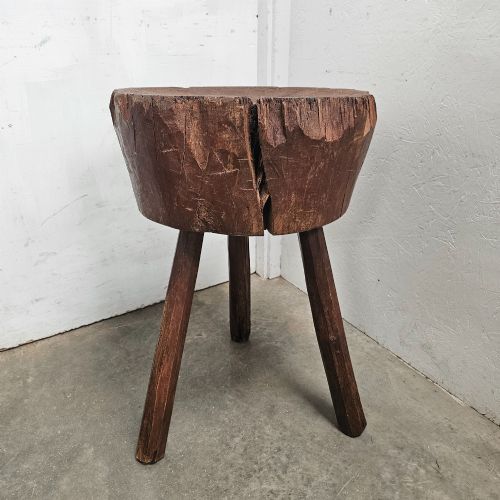
Origins span English country houses and Welsh dairies to French provincial workshops. Forms include freestanding chopping blocks, tripod hardwood tables, and long kitchen preparation surfaces with integrated drawers.
How they were made
Maker construction relies on dense hardwoods such as oak, beech, elm, ash, and sycamore selected for impact resistance and durability. Heavy timber tops are joined tightly to endure decades of persistent cleaver and knife work.
Stands incorporate iron or metal mounts, alongside trestle bases, gnarled wooden legs, and decorative or later painted surfaces. Structural integrity is maintained through heavy pegging, robust aprons, and substantial side tables or stands.
Antique Butcher Block Table Retail Price Guide 2026
Typical asking prices for butcher block table among the pieces listed under this phrase on Sellingantiques today, from the lower quarter to the upper quarter. They describe what is for sale here now, not the wider market.
Several game blocks originate from tree trunks, retaining the raw, gnarled stance of the forest right beneath the chopper.
What varies in quality
Quality rests in the density of the primary timber top and the originality of its mounting structure. Pieces featuring untouched patination, original gnarled legs, or documented maker stamps hold greater integrity than those with altered bases.
The depth and grain orientation of the working surface dictate the grade of the block. Superior examples display dense, end-grain or flat-grain wear patterns earned through decades of genuine service rather than artificial distress.
Trussant And Cie·Hennes France·Standen Hall
The Antique Butcher Block Table Glossary
- Game block
- A specialised heavy chopping block traditionally used for preparing wild game and fowl. These pieces typically feature exceptionally thick trunk or stave construction.
- Sycamore
- A dense European hardwood favoured for kitchen prep surfaces due to its pale colour and resistance to splitting. It forms the primary top material on several English country house tables.
- Trestle table
- A table structure where the top is supported by two or more upright frames connected by a horizontal beam. This design provides sturdy legroom beneath heavy working surfaces.
- Pig bench
- A low, robust wooden bench utilised in rural butchery for handling large carcasses. These long forms offer substantial timber depth and primitive joinery.
- Vernacular rural
- A style reflecting local building traditions and practical everyday utility rather than formal academic design. These pieces prioritize unadorned function and local timber species.
Antique Butcher Block Table: Frequently Asked Questions
Can I use an antique butcher block table for food preparation?
These historical surfaces were originally constructed for heavy commercial butchery and food processing. Many owners continue to utilise them for kitchen prep after thorough cleaning and oiling.
Original historic finishes and later paint require careful maintenance if food comes into direct contact with the timber. Scrubbed sycamore and beech tops take well to traditional wood treatments.
How do I clean an antique butcher block?
Maintenance involves scraping away debris and wiping the timber with mild soap and warm water rather than soaking. Harsh chemical cleaners damage historic patina and dry out the grain.
Regular application of food-safe mineral oil or beeswax preserves the moisture balance within dense hardwoods like oak and elm. Proper drying prevents warping across thick chopping surfaces.
How do I distinguish French blocks from English ones?
French blocks frequently employ beech, elm, or fruitwoods combined with provincial or decorative stands. They often appear as tall game blocks or round tripod forms.
English variants commonly feature oak, sycamore, or pine within country house prep tables and dairy configurations. Drawer additions and enamel inserts also point toward English vernacular workshop practices.
What is the best way to place one in a kitchen?
Positioning depends on the footprint of the base, whether a trestle, four legs, or a heavy industrial iron frame. Freestanding placement allows 360-degree access for food preparation and serving.
Balancing the weight of the timber top against surrounding cabinetry creates a stable focal point. Keeping the piece away from direct heat sources protects the aged wood from splitting.