





Rustic Timber End Table
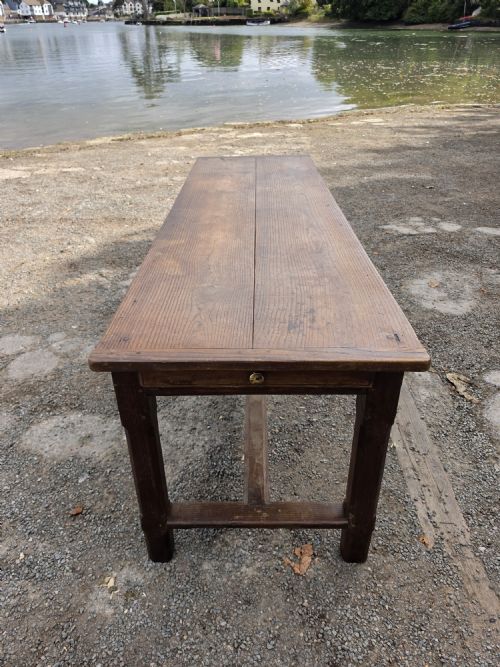
These rustic timber end table pieces offer sturdy surfaces and honest grain, bringing practical utility and tactile warmth directly into sitting rooms.
Rustic Timber End Table
A rustic timber end table serves as a functional surface, drawing from centuries of utilitarian workshop and farmhouse design. When exploring a rustic timber end table, buyers encounter forms ranging from occasional tables to side tables and lamp tables.
The selections span periods from the eighteenth century through to the Edwardian era and the 1930s. Pieces frequently display regional origins including English, French, and Continental workshops.
Surviving examples reflect everyday utility, carrying the marks of chopping, writing, and domestic service. The most common forms on this page include compact side and occasional tables suited for modern rooms.
Materials and construction methods
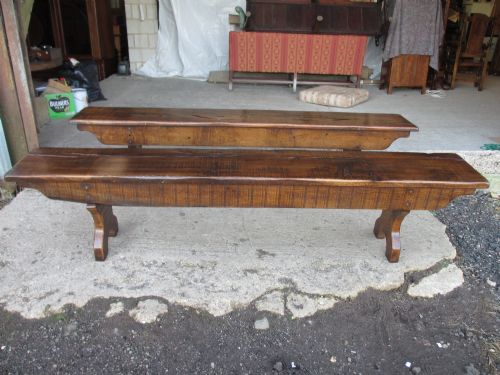
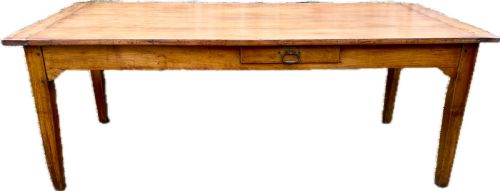
Construction relies heavily on sturdy native hardwoods such as oak, elm, walnut, fruitwood, and cherry, paired with softer timbers like pine. Joinery prioritises durability over ornamentation, utilising solid boards and pegged joints designed to withstand heavy daily use.
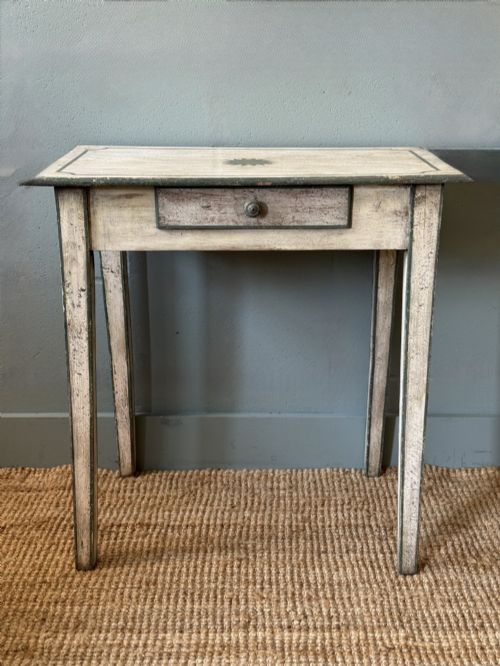
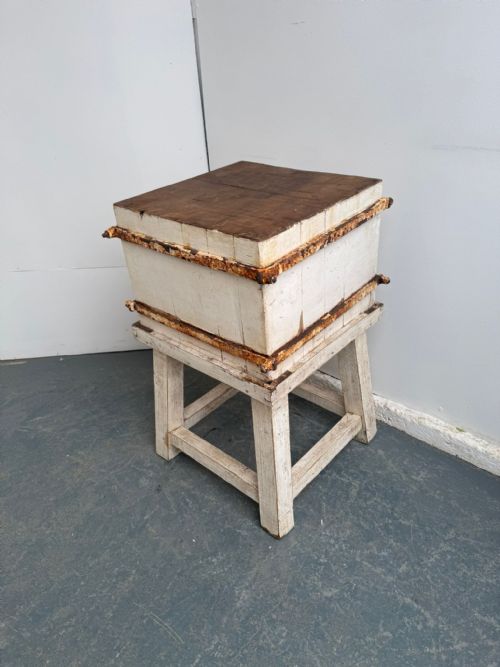
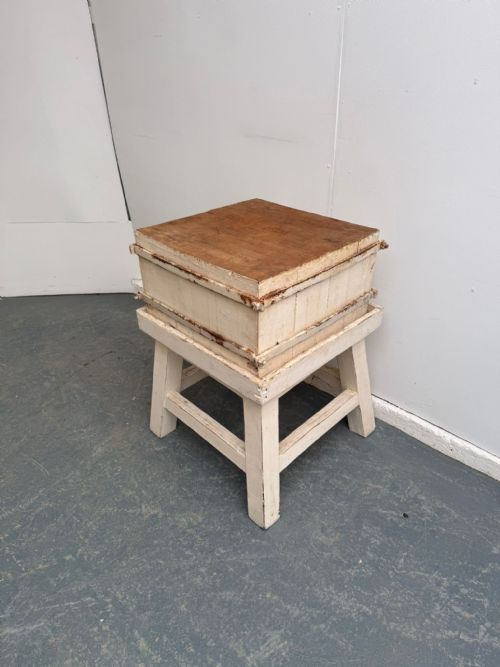
Many surviving tables and blocks feature layers of historic paintwork, adding protective coatings and distinct surface character. Iron components appear selectively to brace joints and reinforce heavy structural frames.
Rustic Timber End Table Retail Price Guide 2026
Typical asking prices for rustic timber end table among the pieces listed under this phrase on Sellingantiques today, from the lower quarter to the upper quarter. They describe what is for sale here now, not the wider market.
Several heavy chopping blocks on offer still bear the satisfying chop marks of nineteenth-century French kitchens.
Assessing quality in rustic timber
Quality rests in the integrity of the timber and the honesty of the surface wear. Tables retaining their original structural proportions and untouched surface patination command greater interest than heavily restored examples.
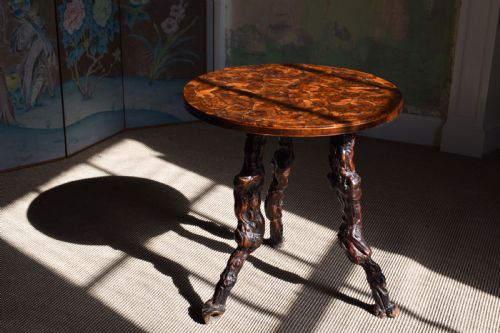
The handling of edges, leg turnings, and top boards reveals the skill of the original maker. Subtleties in timber selection, such as richly figured fruitwood or dense old-growth oak, elevate the stature of a simple side table.
The Rustic Timber End Table Glossary
- Occasional table
- A small, movable table designed for a specific, intermittent function in a room. These pieces provide convenient surface space next to seating.
- Cricket table
- A small, light table traditionally featuring three legs and a circular top. The design stems from early vernacular English domestic furniture.
- Fruitwood
- Timber harvested from fruit-bearing trees such as cherry, pear, or apple. Furniture makers valued these dense woods for their fine grain and warm tone.
- Patina
- The surface sheen and colour developed through years of handling, polishing, and natural ageing. This characteristic separates authentic period pieces from modern reproductions.
Rustic Timber End Table: Frequently Asked Questions
How do I date an old wooden table?
Dating relies on observing construction marks, timber species, and fastener types. Hand-cut joints and original paint layers offer strong clues to a period.
Comparing the proportions and wear patterns with documented examples helps narrow down the decade of manufacture.
Are painted finishes original on these tables?
Many tables and chopping blocks retain historic layers of paint applied during their working lives. These coatings protected the timber in kitchens and dairies.
Examining the underlying crackle and wear helps determine whether the paint accumulated through decades of use.
Where were these tables made?
Surviving pieces originate from across England, France, and wider Continental Europe. Regional vernacular styles dictate the choice of local woods like walnut or cherry.
Local workshops built these items to suit specific domestic or agricultural tasks.
How do I care for antique timber?
Maintenance involves keeping wooden surfaces away from direct heat sources and sudden humidity shifts. Regular dusting with a dry cloth preserves the historic wax and dry finishes.
Avoiding harsh chemical cleaners protects the accumulated patina built up over centuries.