
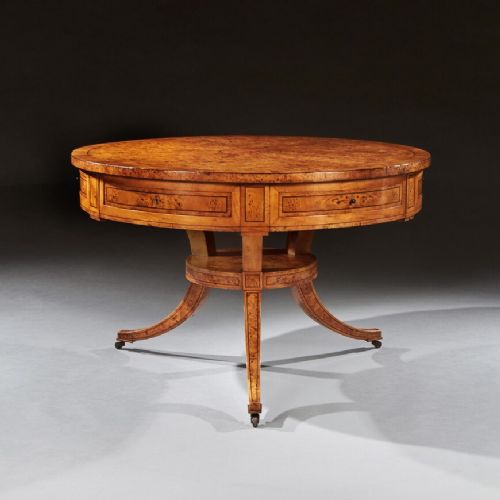
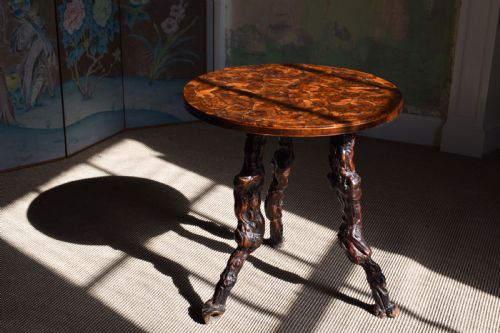


Antique Root Wood Table
These antique root wood table pieces bring organic sculptural form into a room, offering natural burl and root structures shaped into tables and lamps.
Antique Root Wood Table
An antique root wood table brings distinct organic forms and natural growth patterns directly into a room, often taking the shape of occasional tables, side tables, or table lamps. Buyers searching for an antique root wood table will frequently encounter pieces originating from nineteenth-century Scandinavia and China, alongside sculptural works from the nineteen-thirties.
The selection ranges from Swedish mid-nineteenth-century alder root and birch root tilt-top and square occasional tables to intricately carved Chinese root wood stands and table lamps. Scandinavian neo-classical and rustic Victorian sensibilities sit alongside Qing Dynasty Chinese craftsmanship, uniting functional furniture with wild arboreal shapes.
Materials and construction
Cabinet makers and artisans utilised specific wild timbers including alder root, birch, burr maple, and general rootwood, often pairing the gnarled wooden bases with contrasting elements such as deep quartz tops or brass fittings. The natural contours of the timber dictate the final design, requiring precise carving and smoothing to retain the organic silhouette while creating a stable surface.
Makers followed distinct regional traditions, from Chinese nineteenth-century root wood carving techniques to Swedish mid-nineteenth-century tilt-top and drum table construction. The underlying material dictates the grain complexity, resulting in densely figured surfaces that highlight the natural burl and root structures.
Materials documented across the listings include alder root, birch, burr maple, brass, and quartz.
Judging quality in root wood furniture
Quality separates primitive utility pieces from masterwork carving, visible in the complexity of the root grain and the ambition of the sculptural form. Superior examples display tight burr figure and balanced natural asymmetry that requires deliberate selection of the raw timber.
The integration of the natural root structure with functional elements, such as a tilt-top mechanism or an inset quartz top, defines the upper tier of craftsmanship. Finer pieces maintain structural integrity while celebrating the unpredictable voids and twists of the original wood.
The Antique Root Wood Table Glossary
- Rootwood
- Timber harvested from the underground root system of a tree, prized for its dense, irregular grain patterns. It creates highly decorative furniture surfaces.
- Burr Maple
- A tree growth where the grain has grown in a deformed manner, producing intricate swirling patterns. This material appears on nineteenth-century drum tables.
- Tilt-Top
- A table top hinged to the pedestal base so it can be tipped vertically when not in use. This mechanism is typical of nineteenth-century occasional tables.
- Qing Dynasty
- The last imperial dynasty of China, spanning the seventeenth to early twentieth centuries. Pieces from this era often feature elaborate hand carving.
- Occasional Table
- A small, versatile table designed for specific, intermittent use rather than central daily dining. These form a large part of the Scandinavian selections.
Antique Root Wood Table: Frequently Asked Questions
What is an antique root wood table?
An antique root wood table is a piece of furniture fashioned from the gnarled root systems and burls of trees. These items range from nineteenth-century Scandinavian occasional tables to intricately carved Chinese stands.
They combine the natural, unpredictable contours of wild timber with functional design, resulting in highly decorative furnishings that double as sculptural objects.
How do I date an antique root wood table?
Dating relies on examining the joinery, timber preparation, and stylistic markers associated with specific nineteenth-century periods and regional traditions. Scandinavian pieces often show mid-century tilt-top mechanisms, while Chinese items reflect Qing Dynasty carving styles.
Material choices such as birch root, alder root, and burr maple also help contextualise the piece within its historical era of production.
Where were these tables made?
These pieces originate primarily from nineteenth-century Scandinavia, including Sweden, and from China during the Qing Dynasty, alongside later twentieth-century sculptural works. Each region applied distinct local wood-working traditions to the organic material.
Scandinavian makers focused on functional occasional and tilt-top tables using alder and birch, whereas Chinese workshops produced carved stands and lamp bases.
How do I style a root wood table?
Root wood tables introduce natural texture and organic asymmetry into an interior, working well as side tables or lamp stands next to cleaner architectural lines. Their complex grain patterns provide a visual contrast against flat surfaces and neutral walls.
Pairing them with appropriate lighting or placing them as standalone occasional pieces allows the sculptural qualities of the burl and root to remain the focal point.