


Antique Welsh Table
An antique welsh table brings practical utility and regional character into a room through honest vernacular design.

Antique Welsh Table
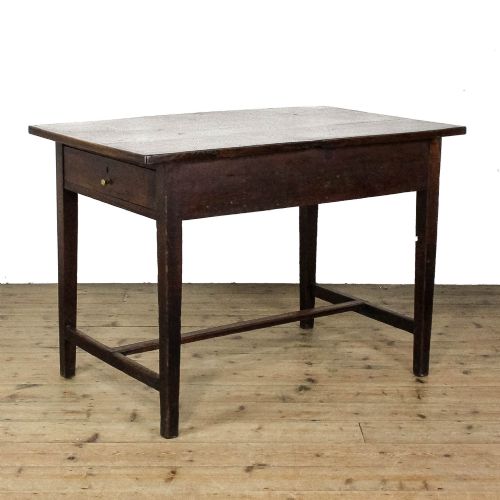
The term antique welsh table covers a diverse array of domestic furniture built for rural kitchens, dairies, and taverns rather than formal urban parlours. Buyers searching this phrase typically encounter robust dining surfaces, lowboys, side tables, and tripod cricket tables created across the seventeenth, eighteenth, and nineteenth centuries.
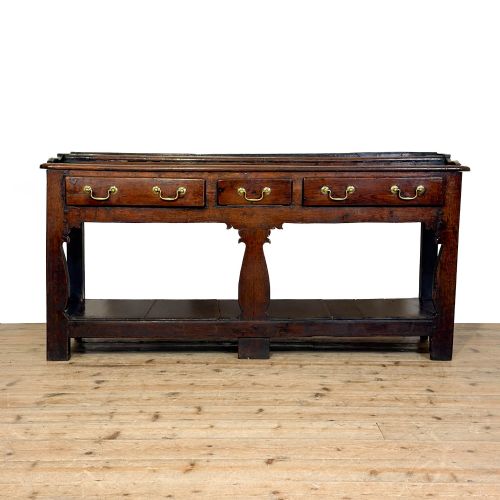
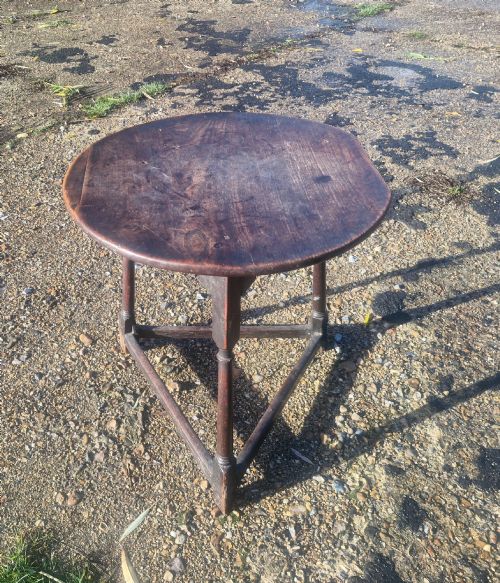
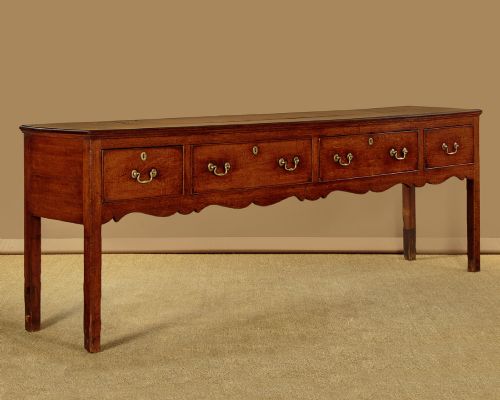
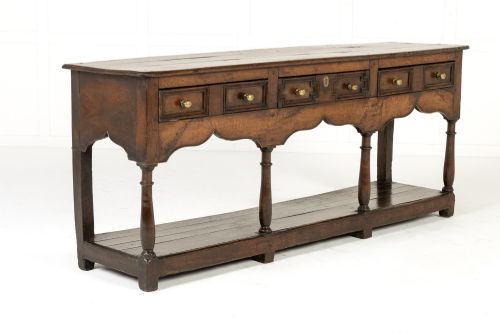
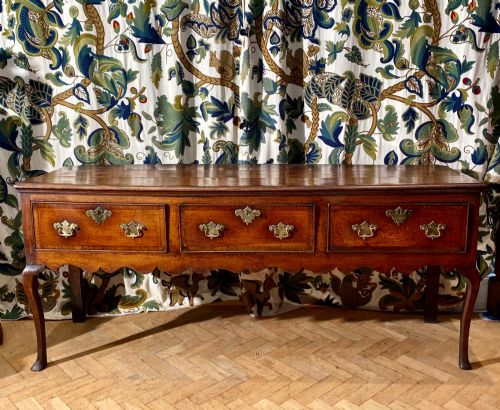
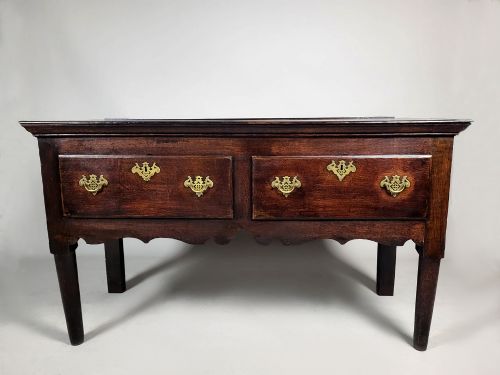
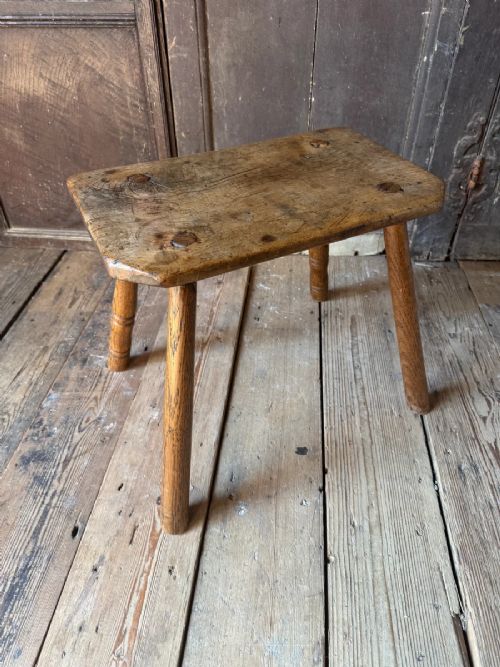
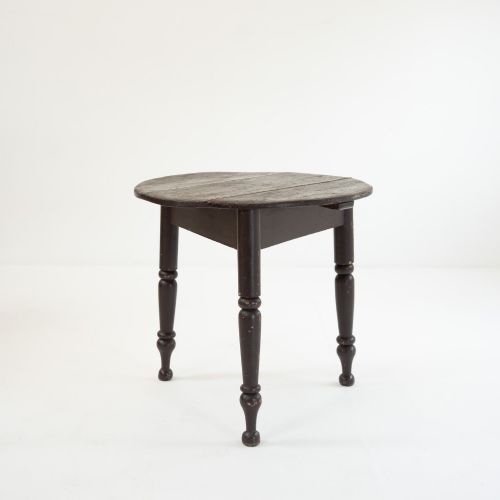
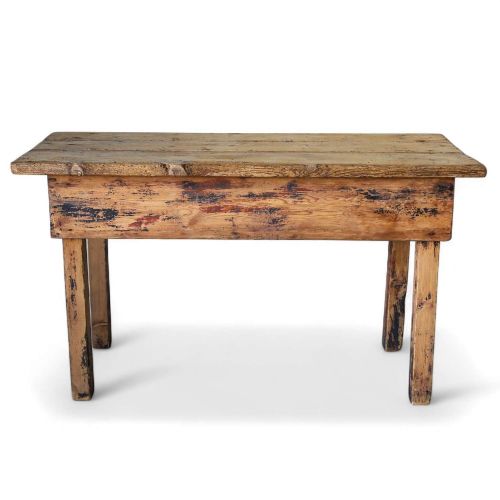
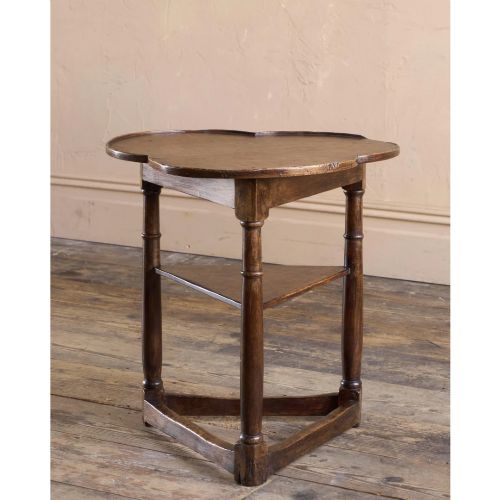
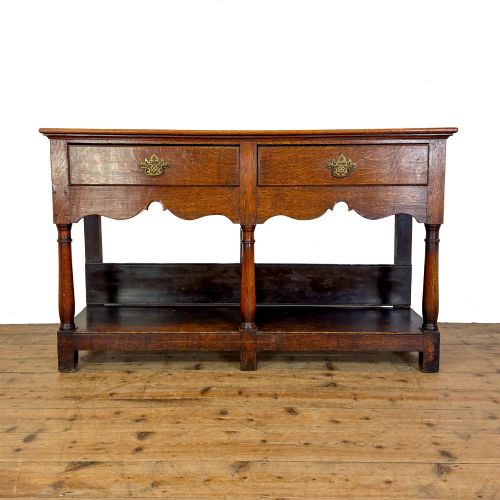
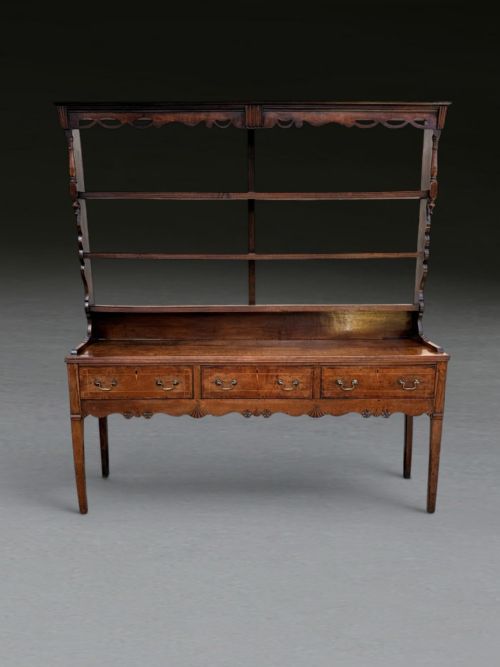
The most common forms found in these listings are sturdy oak dresser bases, pine kitchen boards, and three-legged cricket tables. These regional items reflect the practical needs of country households, often displaying heavy planks, boarded construction, and simple turned supports.
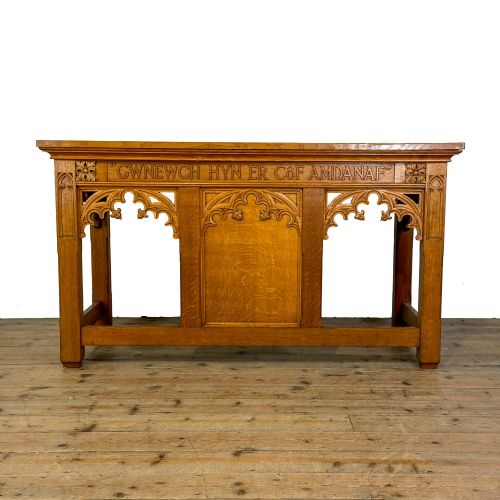
Originating from various counties, these tables span periods from the reign of George III back to earlier vernacular eras. Their regional identity emerges through local timber choices and unpretentious joinery that prioritises utility over decoration.
Materials and construction methods
Local hardwoods and softwoods form the backbone of these pieces, with native oak dominating the earlier centuries and pine appearing frequently in later kitchen and dairy tables. Secondary timbers such as sycamore, ash, and elm also support the construction of specific forms like cricket tables and dairy boards.
Makers relied on straightforward carpentry techniques, utilising pegged mortise and tenon joints for frames and heavy planks for table tops. Surfaces often retain tool marks from adzes or hand saws, alongside original brass hardware or surviving coats of old paint.
Antique Welsh Table Retail Price Guide 2026
Typical asking prices for welsh table among the pieces listed under this phrase on Sellingantiques today, from the lower quarter to the upper quarter. They describe what is for sale here now, not the wider market.
The inventory includes kitchen work tables, tavern tables, cricket tables, lowboys, and potboard dresser bases.
Assessing quality in regional furniture
Quality rests in the integrity of the timber and the retention of original surfaces, such as unstripped patinated oak or early painted pine finishes. Tables that retain their original potboards, brasses, or structural joinery without excessive timber replacement command higher regard.
Proportion and regional idiosyncrasy also distinguish superior examples from plain utility pieces. A well-balanced silhouette, slender cabriole legs, or untouched vernacular quirks elevate a table from standard workshop production to a notable survival of country craftsmanship.
The Antique Welsh Table Glossary
- Cricket table
- A small, lightweight circular table supported by three splayed legs, historically used for domestic tasks near a hearth. The three-legged design ensured stability on uneven flagstone floors.
- Potboard
- An open slatted lower shelf fitted between the legs of a dresser base or table. It provided a dry storage area for pots and pans away from damp floors.
- Lowboy
- A small side table or dressing table featuring a low set of drawers beneath the working surface. These pieces often served multiple domestic roles in country interiors.
- Refectory table
- A long, narrow dining table built for communal meals in large halls or substantial farmhouses. They utilise sturdy stretcher frames to prevent lateral movement.
- Vernacular
- Everyday furniture built by local rural craftsmen using available regional traditions rather than following strict urban pattern books. These objects emphasise functional utility above fashionable ornament.
Antique Welsh Table: Frequently Asked Questions
How do I identify an eighteenth century oak table?
Eighteenth century oak tables display deep natural patination, hand-planed top boards, and pegged frame joints rather than modern metal screws. Tool marks and timber shrinkage cracks often indicate great age and hand-tool construction.
Examining the underside reveals the vernacular building methods employed by regional cabinetmakers before the industrial period.
Where were antique pine tables used?
Antique pine tables were primarily utilised as working surfaces in kitchens, dairies, and pantries where daily food preparation took place. Softer woods like pine and scrubbed deal endured frequent washing and heavy domestic service.
Many of these utility tables now transition into modern dining rooms and kitchen spaces as central gathering points.
What distinguishes a dresser base from a side table?
A dresser base is a substantial long cabinet featuring rows of drawers and frequently an open potboard shelf underneath for storage. They formed the heavy anchor of a rural kitchen.
A side table or lowboy is typically more compact, standing on four legs with a smaller drawer configuration designed for occasional placement against a wall.