




George III Oak Table
A george iii oak table brings honest timber and sturdy vernacular craft straight into a room.

Forms and Origins
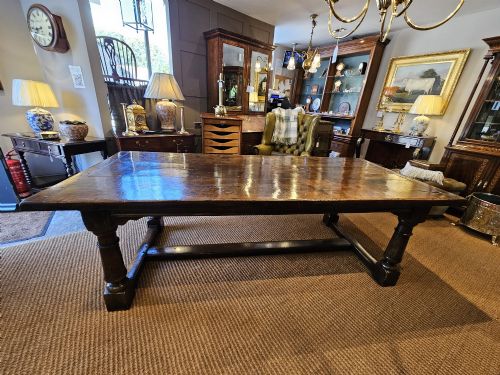
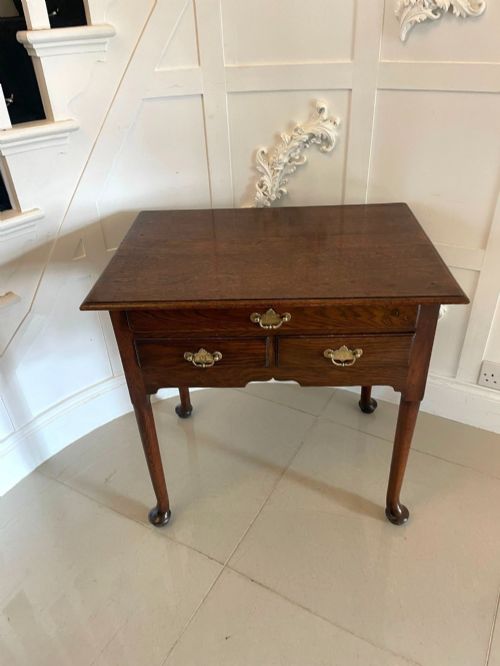
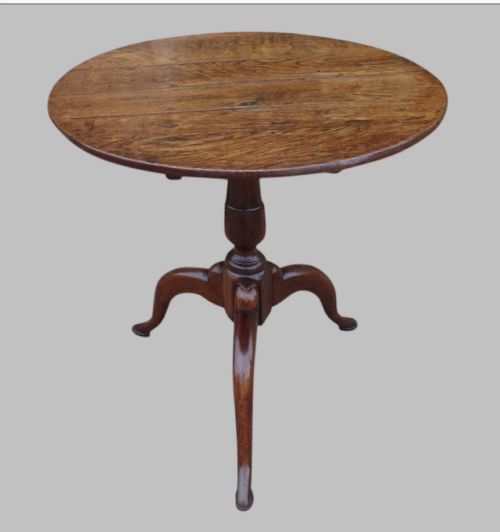
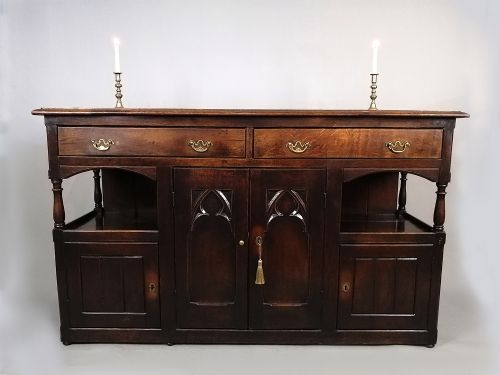
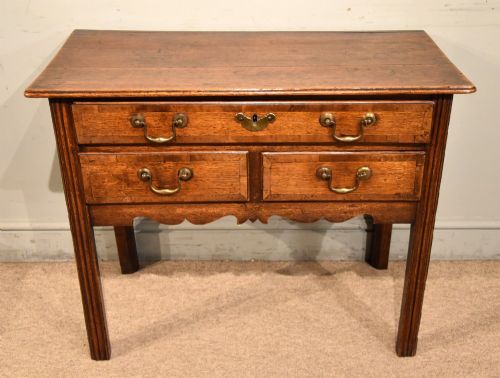
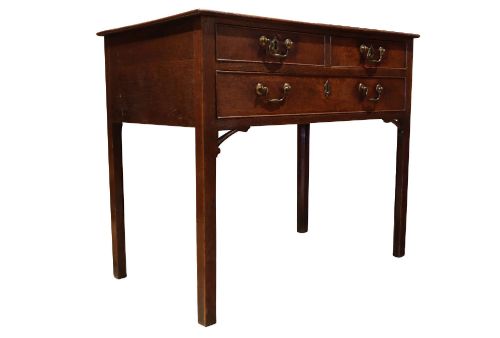
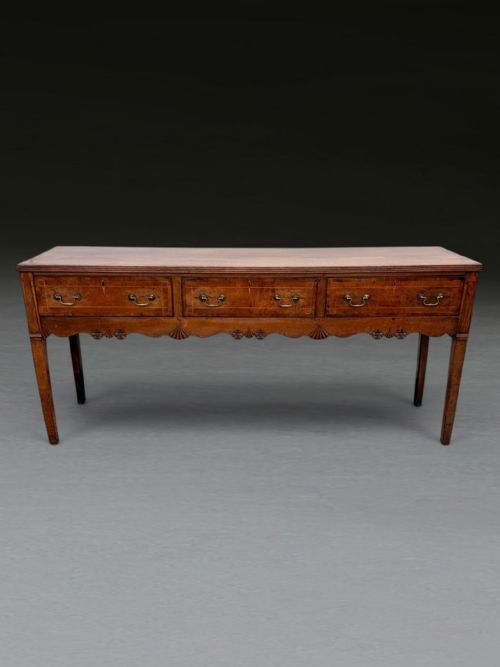
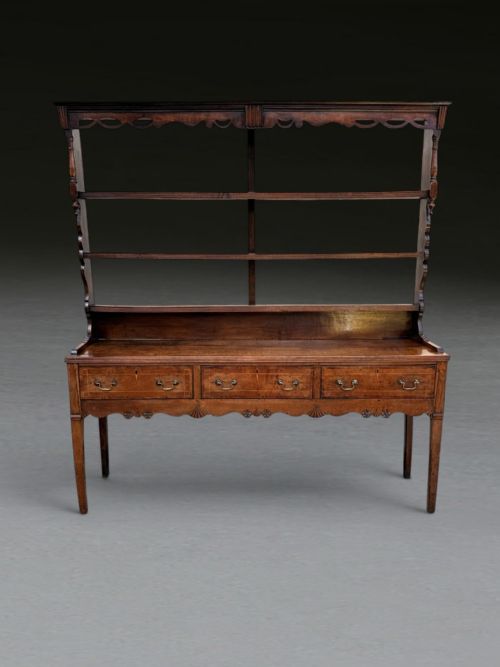
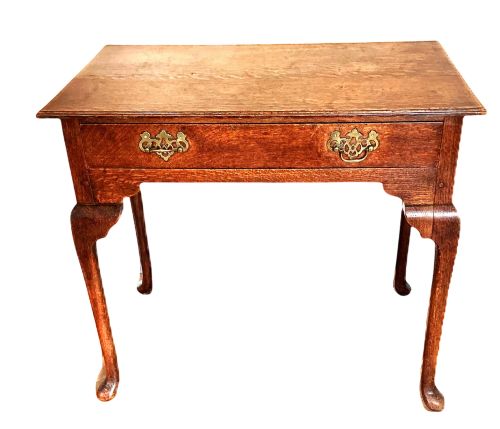
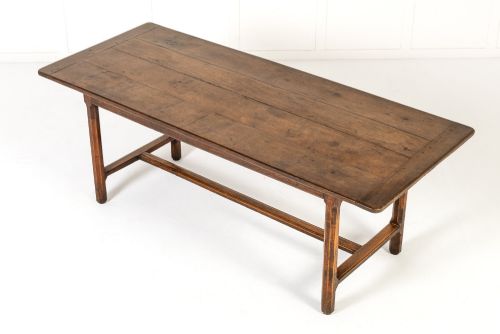
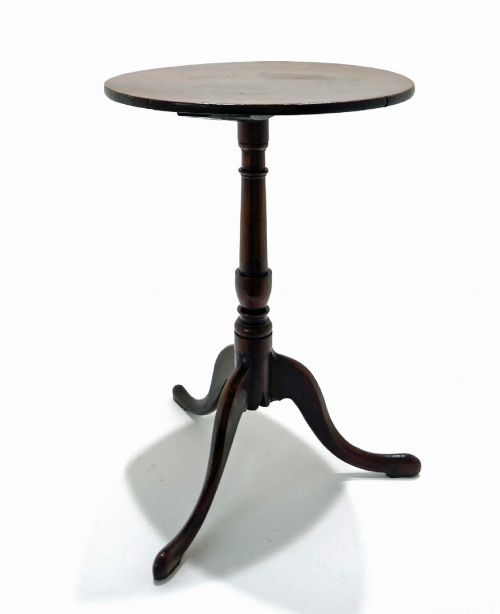
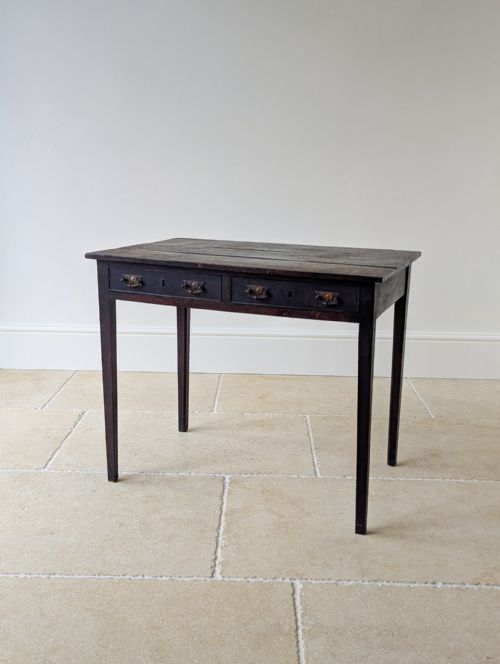
When you search for a george iii oak table, you encounter practical domestic furniture spanning the eighteenth century and the early years of the nineteenth. The selection on this page shows everything from compact tripod wine tables and cricket tables to generous farmhouse dining tables and lowboys.
The prevailing style leans heavily toward country vernacular and rustic farmhouse design rather than elaborate metropolitan cabinet work. These sturdy pieces served hardworking rural households, inns and country kitchens, relying on solid construction for daily endurance.
Tripod tables and cricket tables dominate the smaller forms, while refectory and Pembroke tables meet larger dining needs. Each piece carries the distinct character of Georgian regional workshops working almost exclusively in native timber.
Judging the Standard
Quality in these vernacular items rests upon timber selection, surface patination, and structural integrity. A superior example displays rich, untouched colour across the grain without heavy modern stripping or inappropriate timber replacements.
Proportion and turning define the better pieces, where slender columns and balanced legs avoid the clumsy weight found in lesser provincial work. Original fittings, untouched drawer linings, and stable top mechanisms separate high-grade survivals from heavily restored workshop items.
Retail Price Guide 2026
Typical UK retail prices for george iii oak table, calculated from the Sellingantiques database of over a million retail prices indexed since 2003. This retail price guide relies exclusively on Sellingantiques data; no external sources or auction records are used, so the figures do not describe the wider market.
Listings demonstrate a heavy concentration of tripod tables alongside substantial farmhouse dining tables, all fashioned from solid oak.
The George III Oak Table Glossary
- Cricket table
- A small three-legged occasional table, typically featuring a round wooden top and splayed legs designed for uneven stone floors.
- Tripod table
- A freestanding small table supported by a central pillar rising from three spreading feet, often featuring a tilt-top mechanism.
- Lowboy
- A small side table or dressing table equipped with one or more drawers beneath the working surface, standing on slender legs.
- Refectory table
- A long, narrow dining table built for communal meals, featuring sturdy rectangular stretchers connecting the legs.
- Pembroke table
- A drop-leaf table with hinged flaps on either side, providing flexible surface area for domestic use.
- Quarter sawn
- Timber cut radially across the growth rings, producing stable boards that reveal decorative medullary ray patterns in the oak.
Frequently Asked Questions
What is a cricket table?
A cricket table is a traditional three-legged occasional table with a circular top. The three-legged design ensured the table remained steady on uneven farmhouse floors without rocking.
These compact tables served versatile roles beside chairs or in corners for holding small household items.
Where were these tables used?
These pieces originated in country houses, provincial inns, farmhouses, and modest rural cottages. They fulfilled everyday domestic tasks ranging from taking meals to writing letters and serving drinks.
The robust construction reflects an era when furniture had to withstand continuous daily work.
How do I care for antique oak?
Antique oak benefits from simple cleaning with a soft, dry cloth to remove dust and maintain the natural timber surface. Avoid modern silicone sprays or heavy liquid polishes that build up sticky residues over time.
Keeping the table away from direct heat sources and sudden humidity shifts protects the original joints and timber.