
Georgian Oak Writing Desk
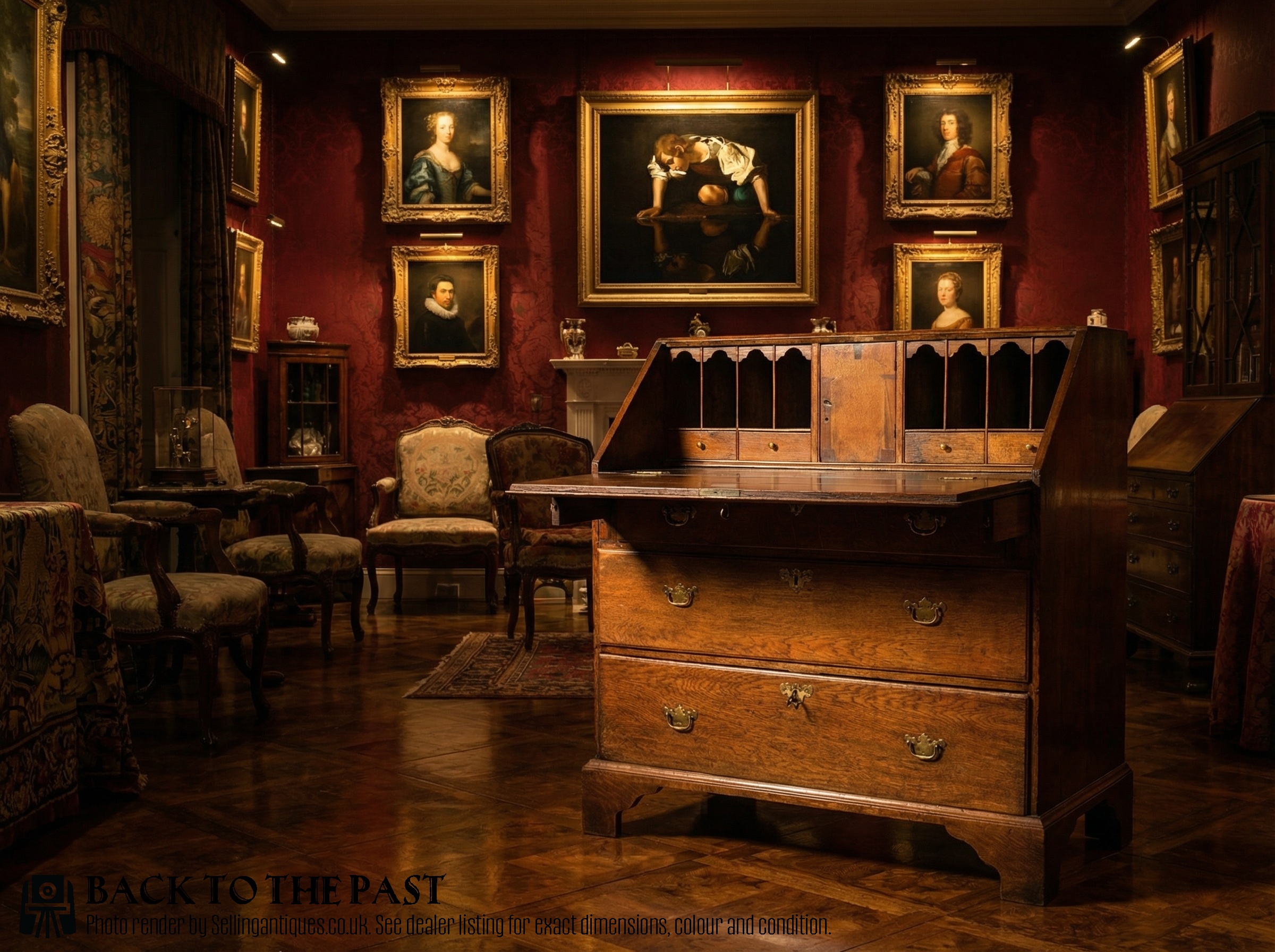
A georgian oak writing desk brings warmth and honest grain to a room, offering a sturdy surface designed for daily correspondence and record keeping.
Georgian Oak Writing Desk
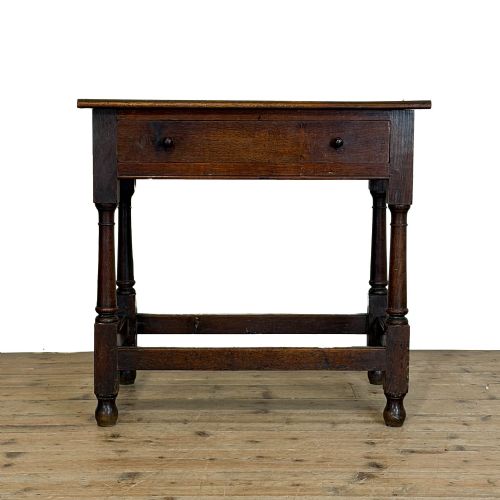
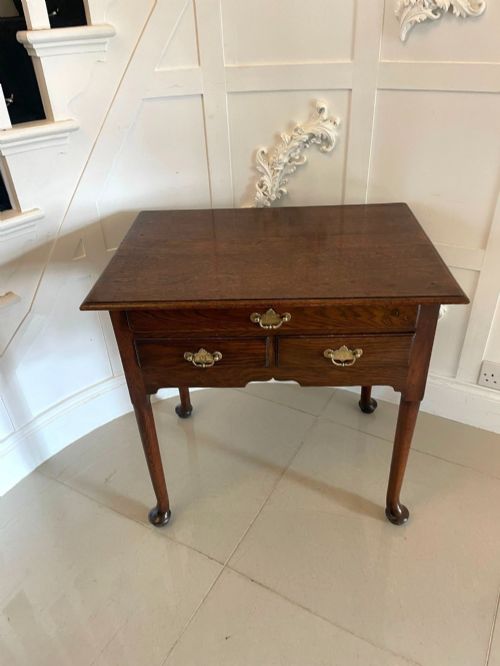
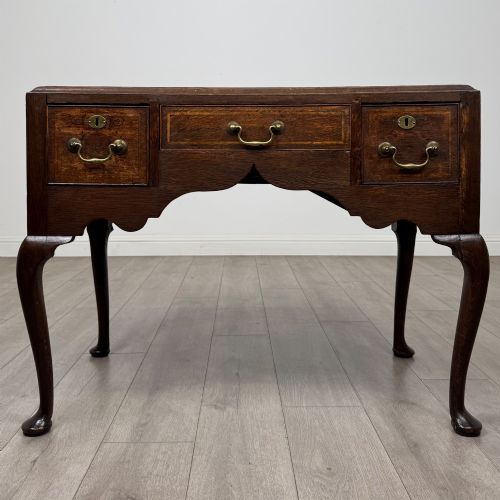
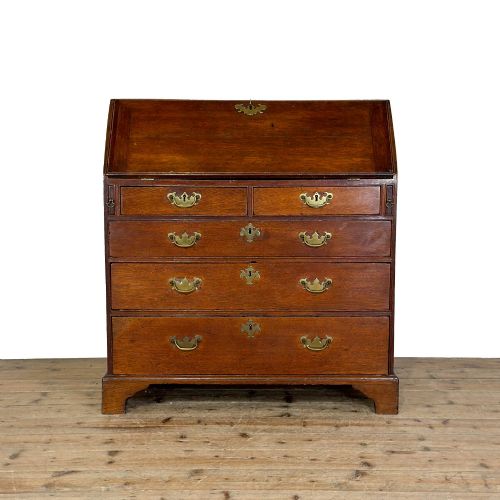
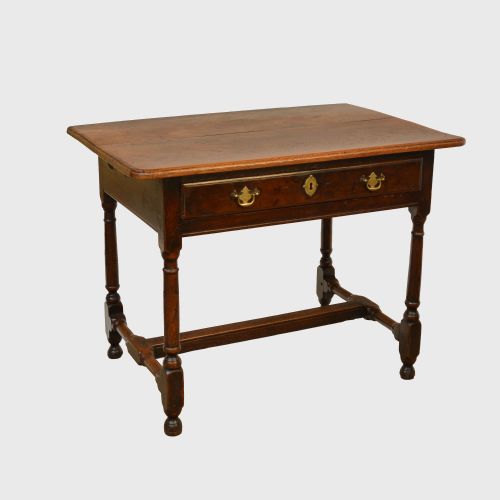
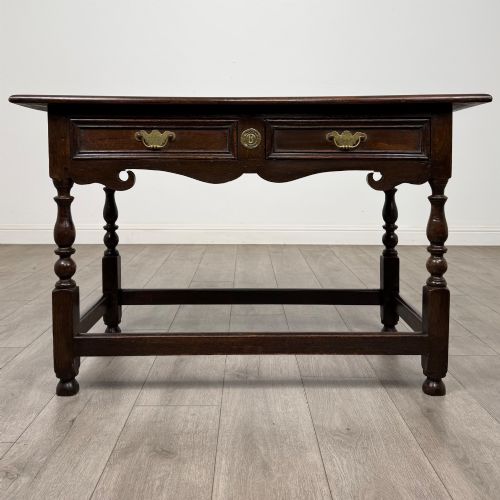
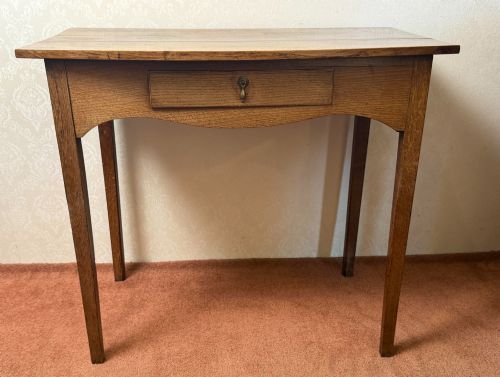
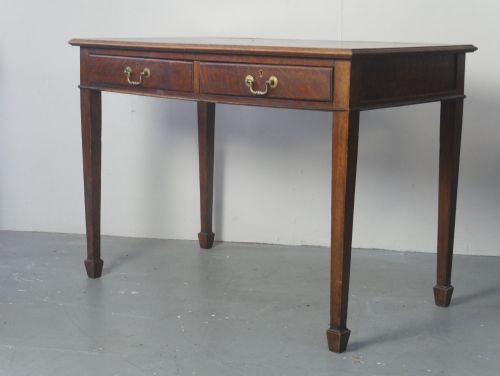
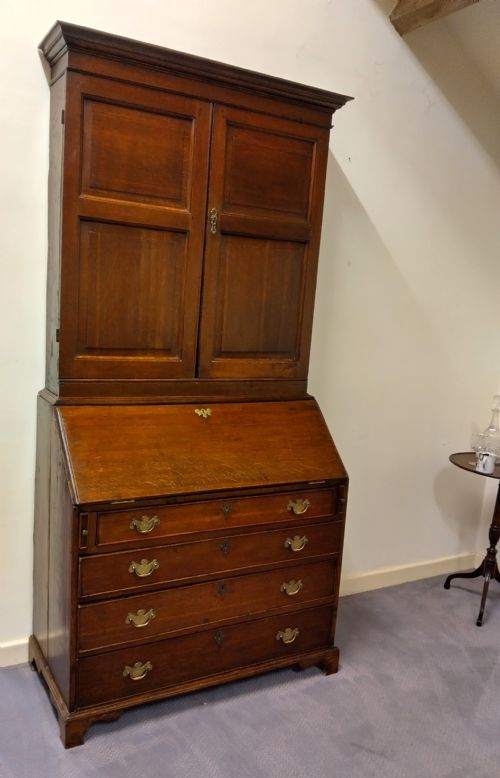
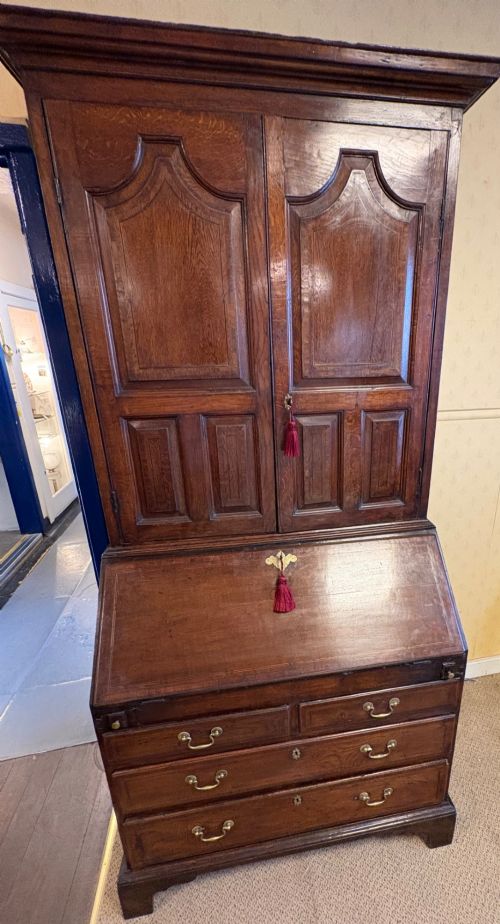
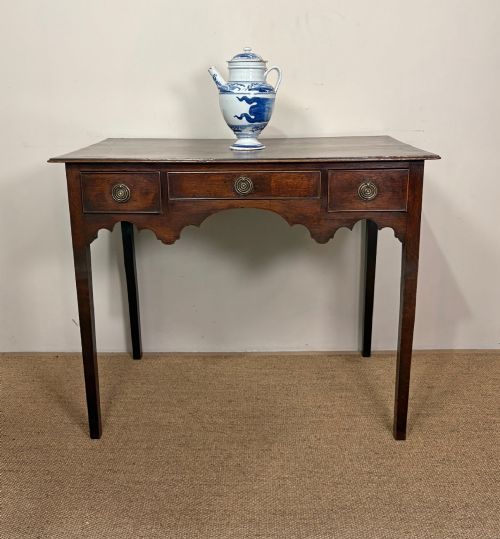
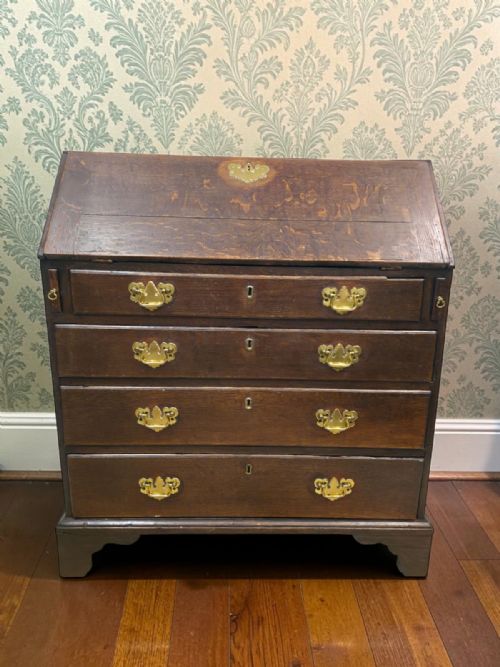
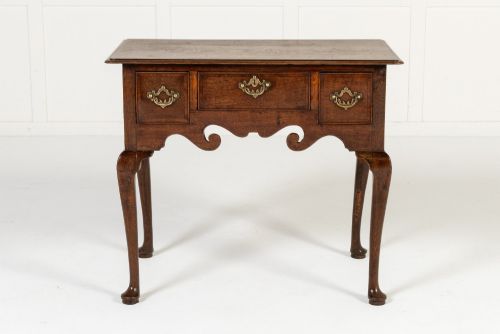
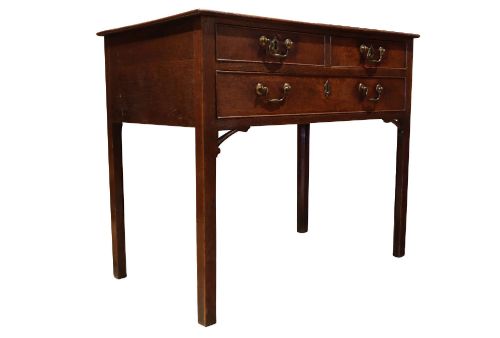
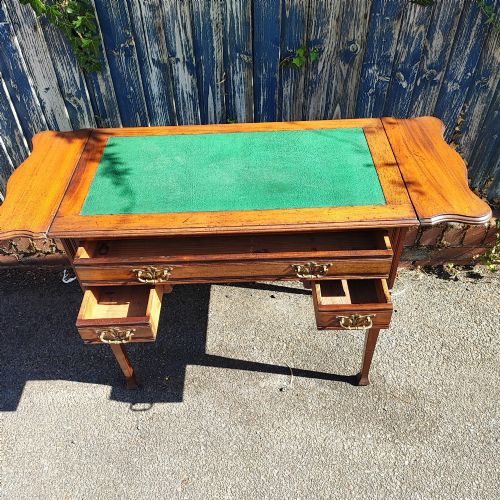
A georgian oak writing desk encompasses several functional forms built during the eighteenth and early nineteenth centuries, ranging from fall-front writing bureaux to lowboys and side tables with fitted drawers. These pieces reflect the domestic requirements of country houses and provincial homes, prioritising utility alongside straightforward timber construction.
The selections available here lean heavily toward eighteenth-century examples and George III periods, alongside later nineteenth-century interpretations in regional styles. Buyers frequently encounter side tables and bureaus where internal compartments, drawers, and drop fronts provide practical storage for stationery and documents.
Originating primarily from English and Welsh workshops, these desks showcase the robust character of native oak, sometimes augmented by secondary woods like elm, yew, or walnut. Each form tells a story of domestic administration, offering a tangible connection to the writing habits of past generations.
How they were made
Cabinet makers constructed these pieces using solid oak, often selecting boards with visible medullary rays that highlight the natural grain. Secondary timbers such as pine, elm, or yew appear in drawer linings and internal dividers, reflecting regional availability and workshop practice.
Construction relied on traditional joinery methods, including mortise and tenon frames and hand-cut dovetails for drawer boxes. Surfaces were finished with basic wax or oil, allowing the grain to breathe and develop a deep patina through years of handling.
Hardware such as brass drop handles, escutcheons, and iron hinges were fitted by hand to secure fall fronts and drawers. These metal elements were fastened with slot-head screws or pins, anchoring the functional components to the wooden carcase.
Georgian Oak Writing Desk Retail Price Guide 2026
Typical asking prices for georgian oak writing desk among the pieces listed under this phrase on Sellingantiques today, from the lower quarter to the upper quarter. They describe what is for sale here now, not the wider market.
An eighteenth-century bureau bookcase appears adapted for television, proving old oak can accommodate modern box sets.
What varies in quality
The standard of a georgian oak writing desk depends heavily on the crispness of the hand-cut dovetails and the thickness of the solid timber used in the drawer linings and back panels. Superior examples exhibit tight, even joints that have endured centuries of daily use without excessive movement or sagging.
Subtleties in the selection of the oak boards separate ordinary pieces from exceptional ones, with finer grain patterns, quarter-sawn figuring, and harmonious colour distribution commanding greater appreciation. The integration of fitted interiors, stepped drawers, and well-balanced proportions further distinguishes superior craftsmanship from simpler country work.
The Georgian Oak Writing Desk Glossary
- Bureau
- A writing cabinet featuring a sloping fall-front that opens to reveal a fitted interior of small drawers and pigeonholes. It provides a concealed surface for correspondence.
- Lowboy
- A small table with one or more rows of drawers, commonly used as a dressing table or writing surface during the eighteenth century. These pieces often feature cabriole or straight legs.
- Fall front
- A hinged writing flap that drops down to a horizontal position for writing, supported by side arms or the drawer frame below. When closed, it conceals the desk interior.
- Dovetail
- A joint formed by interlocking wedge-shaped fingers, used extensively in drawer construction to resist pulling forces. Hand-cut versions are a hallmark of older cabinet work.
- Patina
- The surface sheen and deep colour developed by wood over decades of handling, exposure to light, and waxing. It represents the natural ageing process of the material.
Georgian Oak Writing Desk: Frequently Asked Questions
How do I use a bureau desk daily?
Drop the fall-front to reveal the internal compartments, providing a stable wooden surface for writing letters or placing a laptop. Close the flap when finished to conceal papers and keep the room tidy.
Utilise the internal drawers and pigeonholes for organising stationery, stamps, and small documents. The lower chest drawers offer supplementary storage for larger items or household paperwork.
Where should I place an oak desk?
Position the piece against a flat wall in a study, living room, or bedroom where natural light illuminates the writing surface. Avoid placing the wood directly next to radiators or in strong direct sunlight, which can dry out the timber.
Allow sufficient clearance behind a chair if using a bureau so the fall-front can drop freely without obstruction. Side tables and lowboys function effectively as standalone display surfaces or writing spots.
How do I care for oak furniture?
Apply a natural beeswax periodically to nourish the dry timber and maintain a soft, protective sheen across the surface. Buff the wood gently with a soft cloth to remove dust and enhance the natural grain.
Protect the top from moisture by using coasters under drinks and avoiding harsh chemical cleaning agents. Proper humidity control in the room prevents the oak boards from splitting or warping.
How do I identify a George III desk?
Look for architectural proportions, straight or square legs, and restrained classical detailing that typifies furniture made during the reign of George III. Brass swan-neck handles and escutcheons often match the period style of the late eighteenth century.
Examine the interior construction for hand-cut dovetails and secondary woods like oak or pine. The presence of crossbanding or simple line inlay can also point toward late eighteenth-century workshop traditions.