

Warm Brown Table
A warm brown table brings genuine character to a room through rich timber tones and honest period craftsmanship.
What a warm brown table is
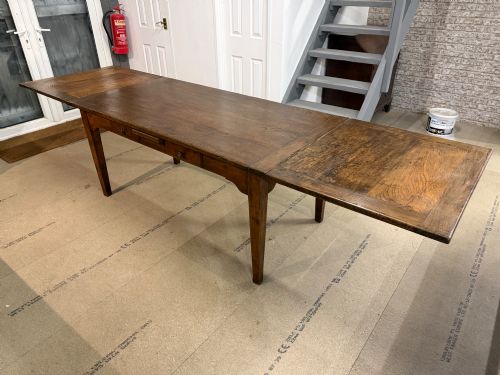
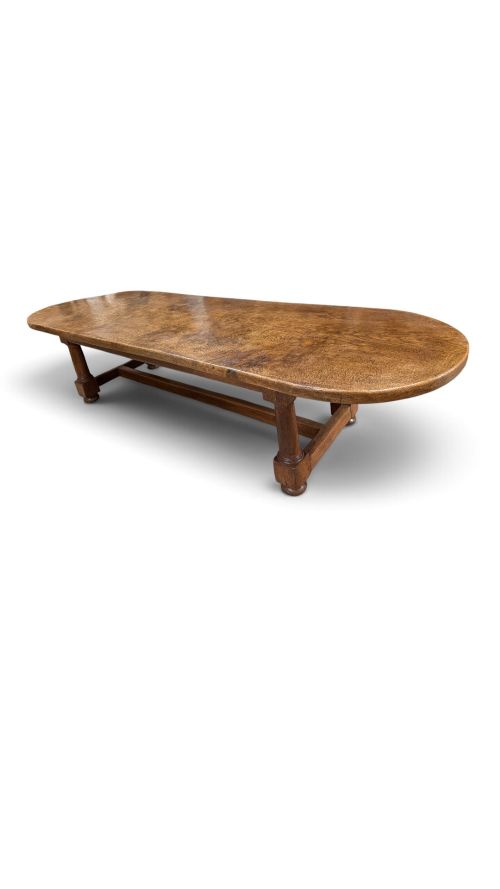
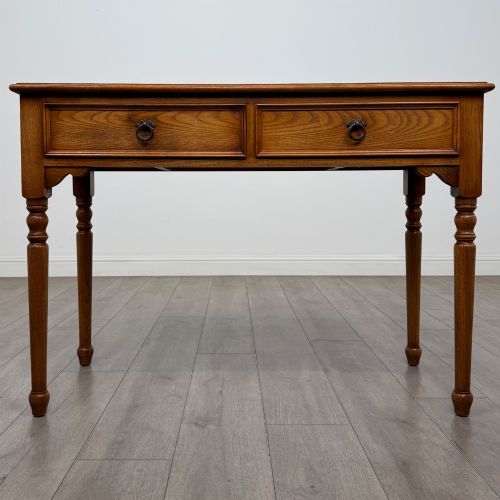
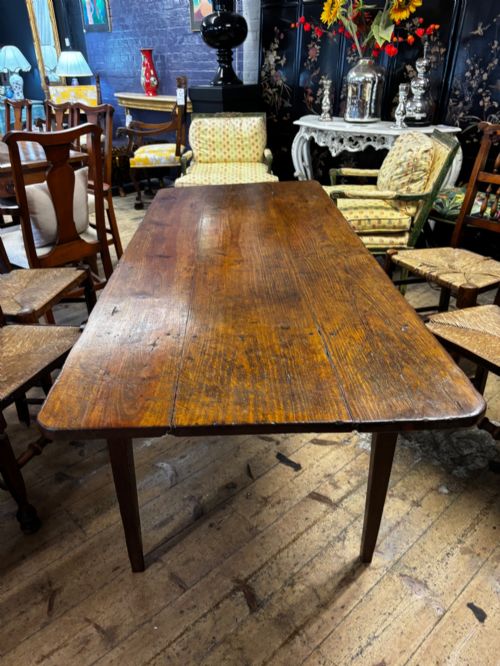
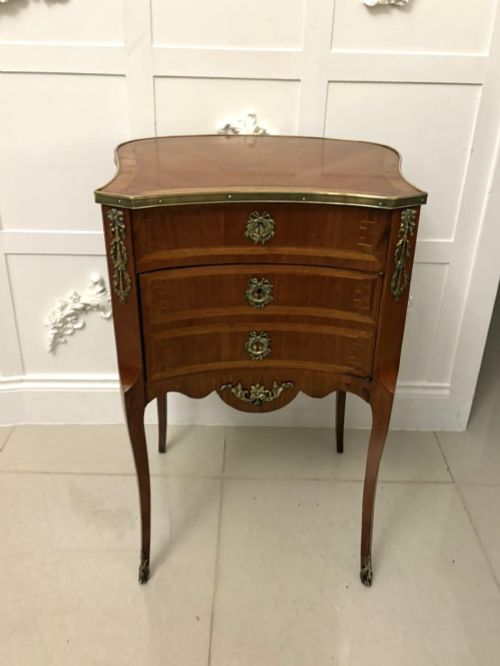
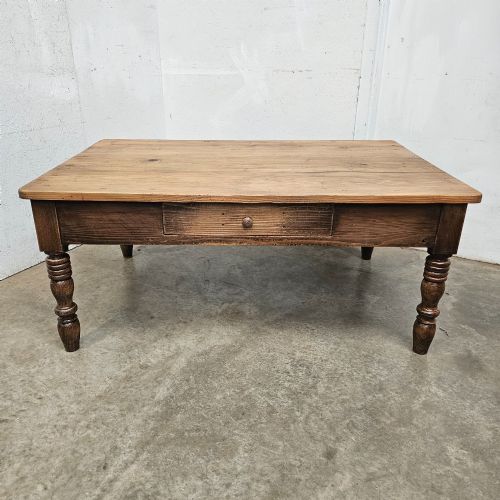
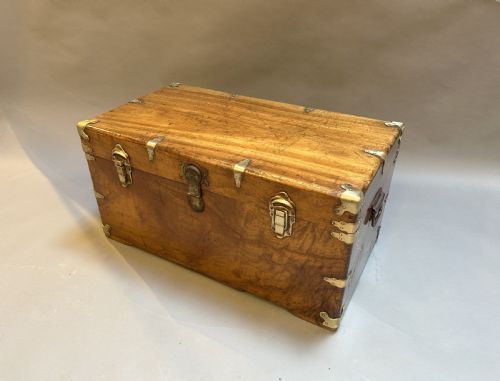
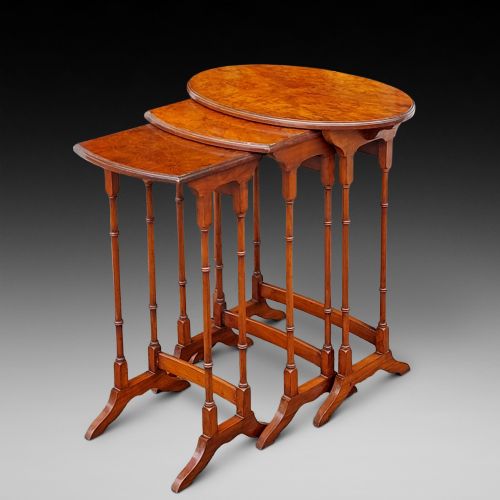
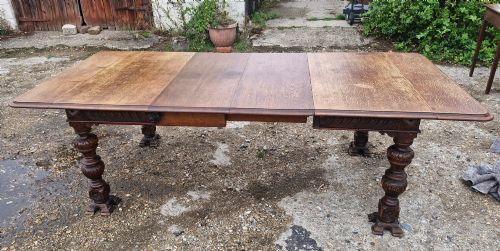
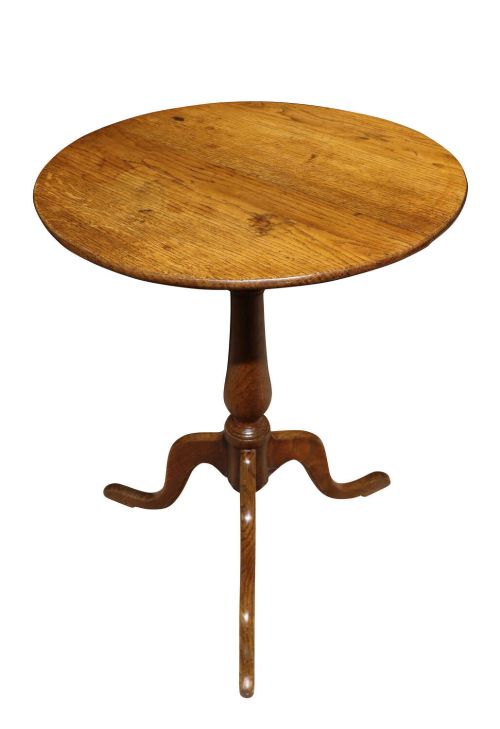
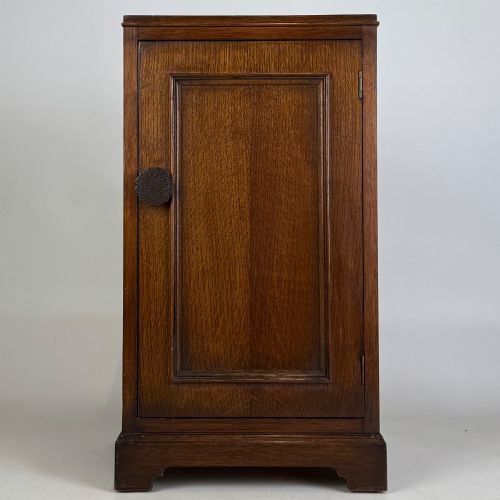
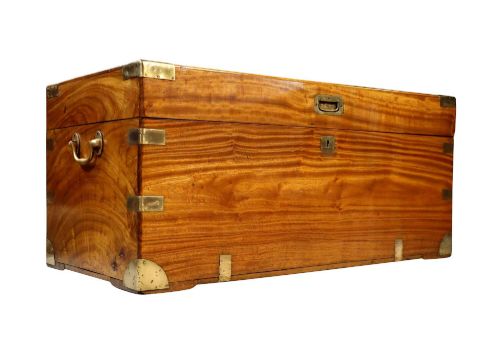
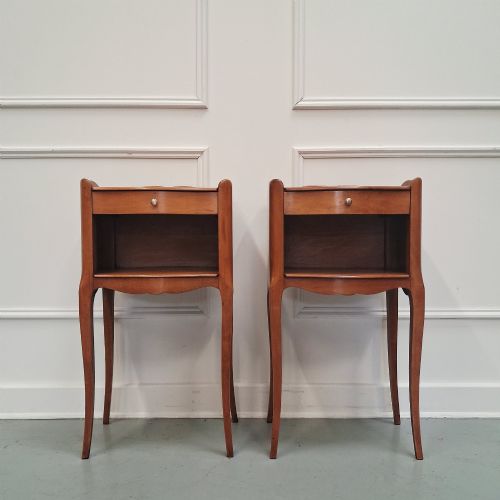
A warm brown table encompasses practical furniture designed for dining, side placement, or occasional use across several historical periods. Buyers seeking this category encounter diverse formats ranging from substantial farmhouse boards to smaller lamp and side tables.
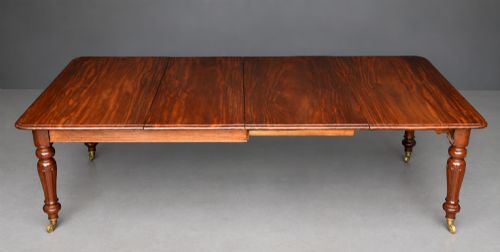
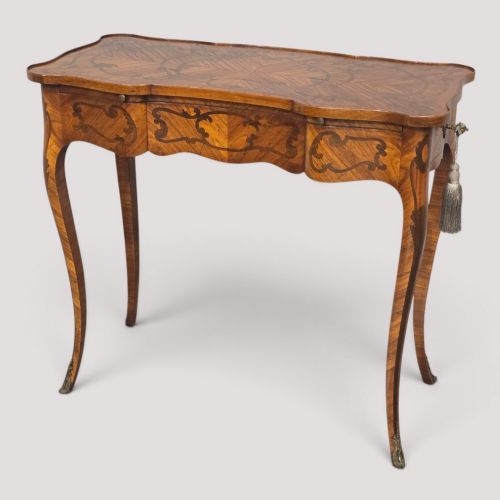
The pieces listed here span the eighteenth and nineteenth centuries, featuring distinct regional and stylistic origins such as French provincial, Regency, and Arts and Crafts. Walnut, oak, mahogany, and fruitwood dominate the selection, each offering the deep colouration that defines the group.
How they were made
Cabinet makers utilised solid native and imported hardwoods, selecting walnut, oak, mahogany, and fruitwood for their durability and grain pattern. Iron and brass hardware provided structural reinforcement and functional operation for drawers.
Construction techniques combined traditional joinery with decorative flourishes, including marquetry inlay found on continental examples. Surfaces received hand-applied finishes that enhanced the natural warmth and depth of the timber.
Retail Price Guide 2026
Typical UK retail prices for warm brown table, calculated from the Sellingantiques database of over a million retail prices indexed since 2003. This retail price guide relies exclusively on Sellingantiques data; no external sources or auction records are used, so the figures do not describe the wider market.
What varies in quality
Quality rests upon the selection of timber and the integrity of the original construction rather than surface ornamentation alone. Superior examples display thoughtful grain matching and robust joinery that withstands centuries of daily use.
The refinement of the carving and the subtlety of details such as inlay work separate standard utility items from pieces of higher artistic ambition. Condition remains tied to how well the timber has aged and whether original elements survive intact.
The Warm Brown Table Glossary
- Marquetry inlay
- Decorative patterns formed by fitting small pieces of veneer into a prepared wooden surface. This technique adds pictorial detail and visual contrast to table tops.
- Occasional table
- A small, movable piece of furniture designed for specific, intermittent tasks such as holding a lamp or book. These versatile items appear in various nineteenth-century styles.
- Regency
- An English design period spanning the early nineteenth century characterised by classical restraint and refined proportions. Pieces from this era often utilise dark, polished mahogany.
- Arts and Crafts
- A late nineteenth-century movement celebrating honest construction and visible hand craftsmanship. Tables from this tradition favour simple oak forms over excessive decoration.
Frequently Asked Questions
How do I clean a wooden table?
Dust regularly with a dry, soft cloth to prevent particulate buildup on the surface.
Avoid chemical polishes and keep timber away from direct heat sources to preserve the finish.
Can I use an antique table daily?
These tables were built for practical domestic use and withstand everyday activities with sensible care.
Use coasters and placemats to protect the historic timber from moisture and heat marks.
What is fruitwood?
Fruitwood refers to timber harvested from fruit-bearing trees such as cherry, pear, or apple. It yields a warm tone and fine grain favoured in provincial cabinet making.
How do I identify a Victorian table?
Victorian tables date from the nineteenth century and often reflect historic revival styles or Aesthetic movement designs. Examination of the construction methods and secondary woods helps confirm the period.