
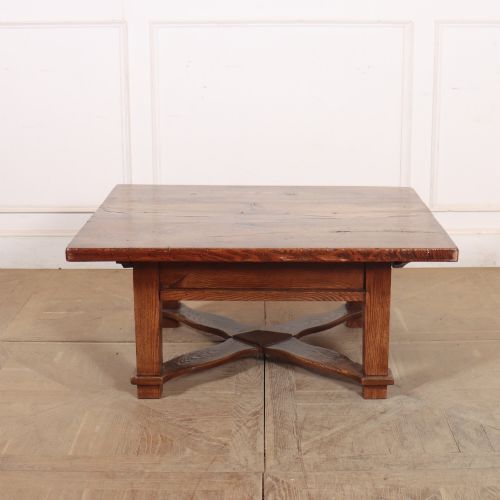
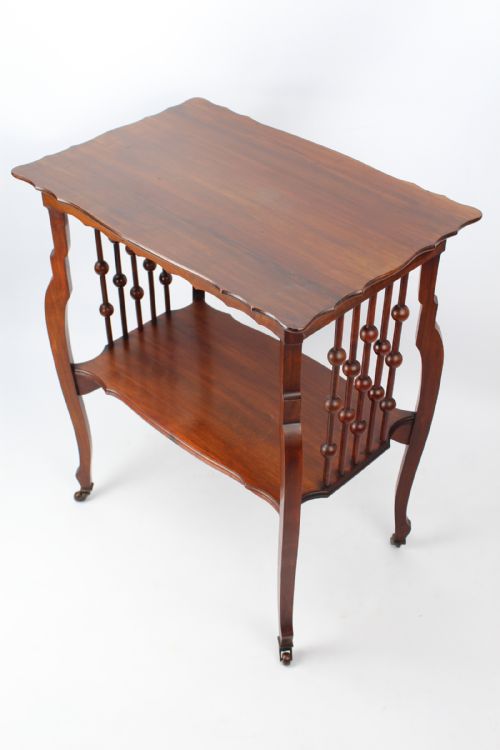


Vintage Parlour Table
These vintage parlour table examples bring period woodwork into daily domestic use, offering small surfaces designed for display and informal gathering.
Vintage Parlour Table
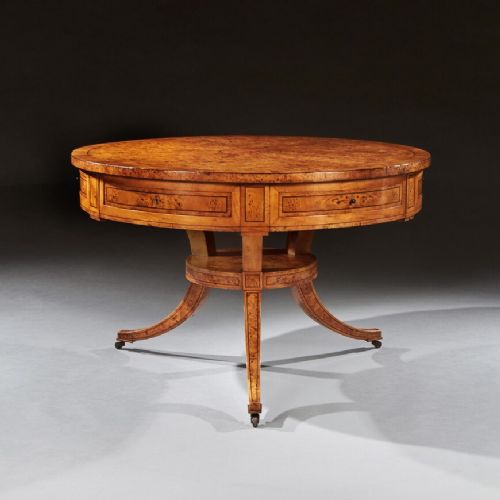
A vintage parlour table typically takes the form of an occasional, side, or centre table designed for nineteenth and early twentieth-century reception rooms. Buyers encounter Edwardian and Victorian designs most frequently, spanning mahogany, walnut, and rosewood timbers.
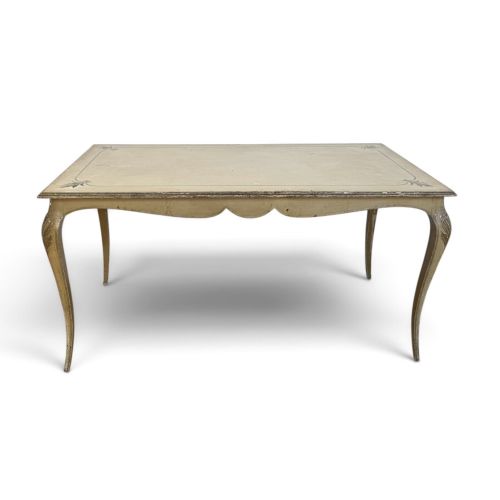
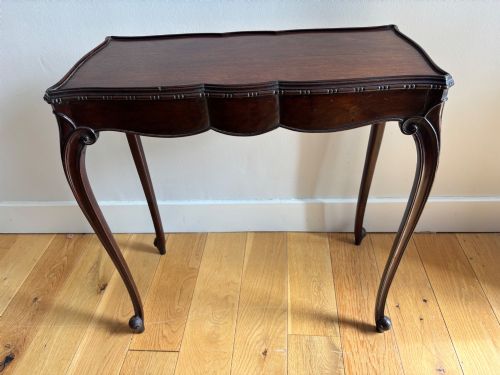
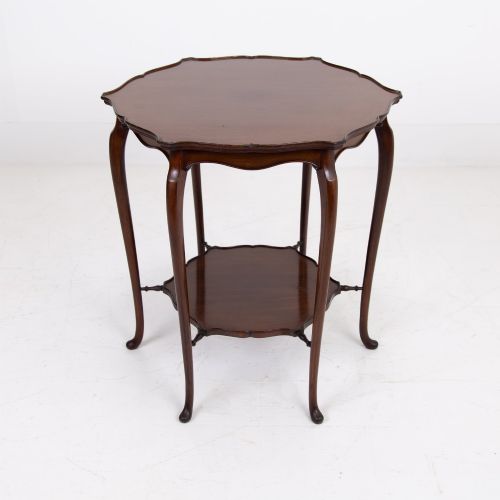
Makers shaped these surfaces into round, oval, octagonal, and two-tier configurations suited to compact domestic spaces. Many pieces echo earlier Georgian or continental revival aesthetics, including French Louis XV styles and Chippendale influences.
The category also encompasses occasional surfaces with marquetry inlay, marble tops, or nesting arrangements. These varied formats provided versatile utility for holding lamps, books, or tea wares in period drawing rooms.
Materials and construction methods
Cabinet makers utilised dense hardwoods such as mahogany, walnut, and rosewood for structural stability and fine grain figures. Satinwood, boxwood, and brass often provided contrasting stringing and decorative mounts on tops and legs.
Joinery relied on traditional techniques to support slender cabriole or tapered legs, frequently united by lower tiers. Surface ornamentation included painted and gilded details, intricate wood inlays, and polished marble inserts.
Vintage Parlour Table Retail Price Guide 2026
Typical asking prices for vintage parlour table among the pieces listed under this phrase on Sellingantiques today, from the lower quarter to the upper quarter. They describe what is for sale here now, not the wider market.
Listings span periods from the eighteenth century through the Edwardian era, predominantly featuring mahogany, walnut, and rosewood.
Distinctions in craftsmanship and finish
The standard of a vintage parlour table rests upon the selection of timber and the crispness of its joinery. Finely figured mahogany or burr veneers display natural depth that plain stock lacks.
Execution of decorative elements differentiates standard production from superior work. Hand-cut inlay, precise brass mounts, and well-proportioned cabriole legs indicate deliberate attention by the cabinet maker.
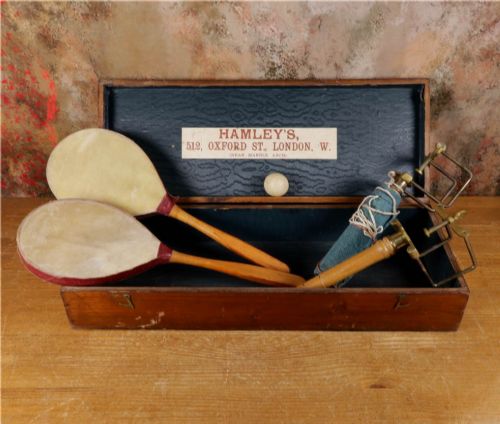
Jaques & Hamleys Gossima·F.H.Ayres Ltd London
The Vintage Parlour Table Glossary
- Occasional table
- A small, movable side table intended for miscellaneous uses in a sitting room. These versatile surfaces appeared frequently in Edwardian and Victorian interiors.
- Centre table
- A freestanding piece finished on all sides to stand away from walls in the middle of a room. Such tables often served as focal points for lamps or decorative objects.
- Cabriole leg
- A furniture leg that curves outward and then tapers inward, inspired by the shape of an animal's leg. This form appears commonly on revival styles from the nineteenth and twentieth centuries.
- Inlay
- A technique where pieces of contrasting wood, brass, or shell are inserted into depressions within a solid timber surface. This creates geometric or floral patterns across the top.
Vintage Parlour Table: Frequently Asked Questions
What is a vintage parlour table used for?
These tables served primarily for holding small decorative objects, writing materials, or tea services in nineteenth and twentieth-century reception rooms. Their modest scale allowed them to be repositioned easily around a room as household needs shifted.
Today, buyers utilise them in similar ways, placing them beside armchairs or sofas to hold lamps and books. Their compact dimensions suit modern rooms where floor space is limited.
How do I identify an Edwardian parlour table?
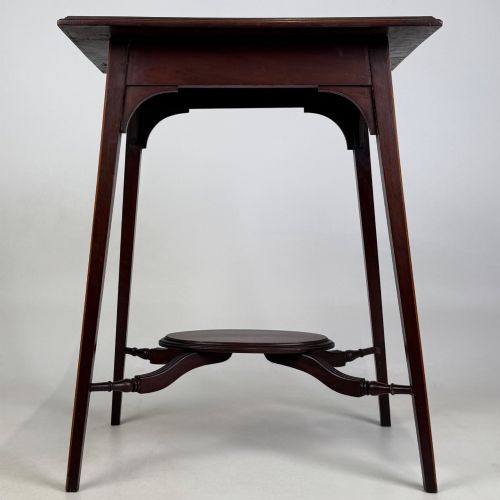
Edwardian examples often feature light mahogany timbers, slender tapered legs, and sometimes satinwood stringing or lower tier shelves. They frequently reflect a revival of eighteenth-century furniture designs.
Construction details such as machine-sawn timber elements or lighter internal framing help distinguish these twentieth-century pieces from heavier Victorian predecessors.
Are these tables suitable for daily use?
Solid hardwood construction and traditional joinery make these tables sturdy enough for contemporary living. Polished wood surfaces benefit from coasters and careful placement away from direct heat sources.
Regular dusting and occasional wax polishing preserve the historic finish without altering the character of the timber.
How do Victorian and Edwardian tables differ?
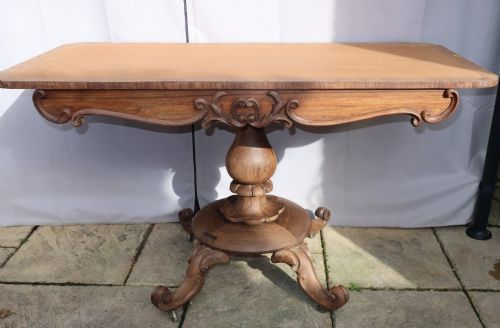
Victorian pieces tend to use darker timbers like rosewood and figured mahogany, often featuring heavier proportions and carved details. They reflect the more ornate tastes of the nineteenth century.
Edwardian versions lean toward lighter woods, simpler inlaid decoration, and multi-tiered structures designed to brighten smaller drawing rooms.