
Georgian Style Occasional Table
A georgian style occasional table brings adaptable surface space and classic proportion to a room, drawing on eighteenth-century forms for everyday utility.
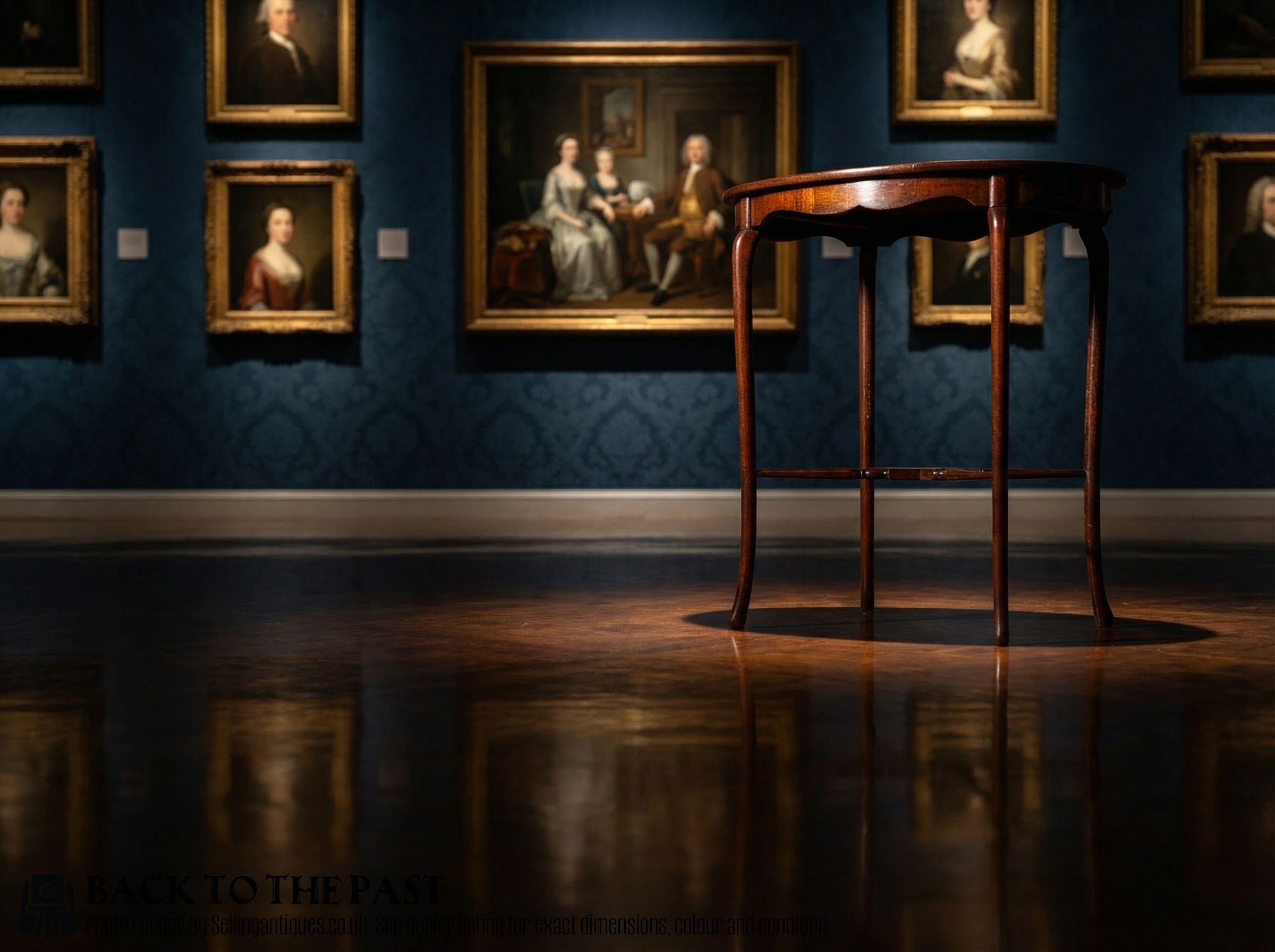
Georgian Style Occasional Table
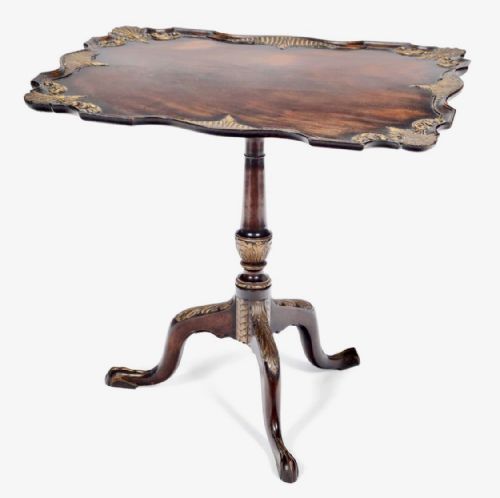
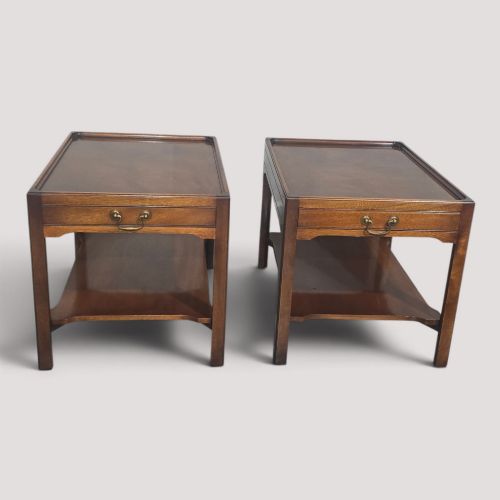
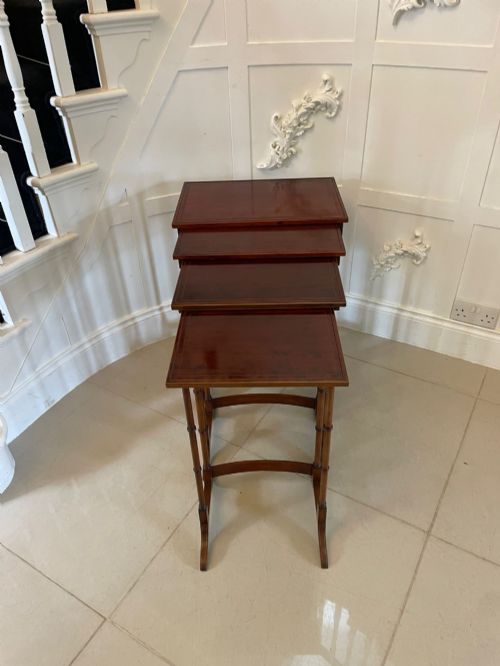
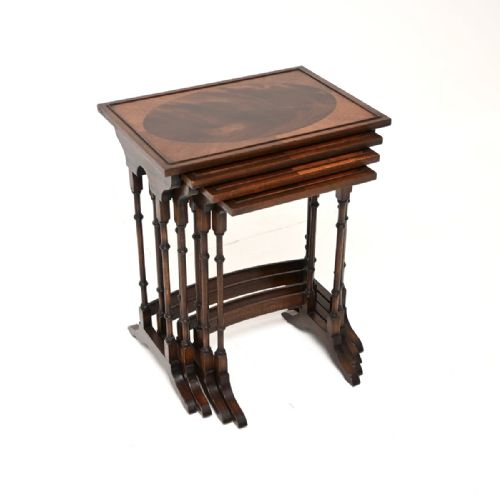
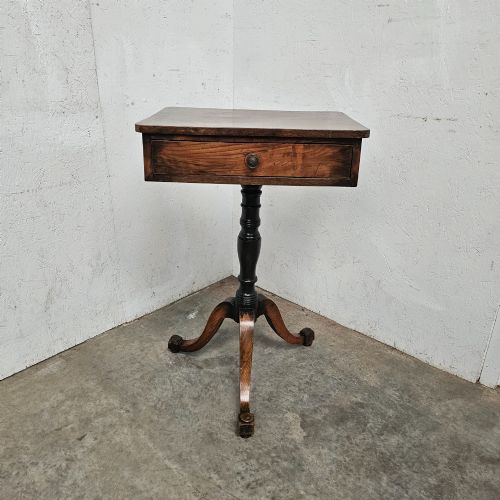
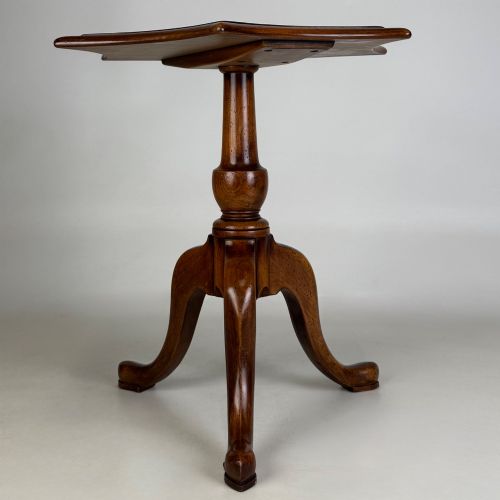
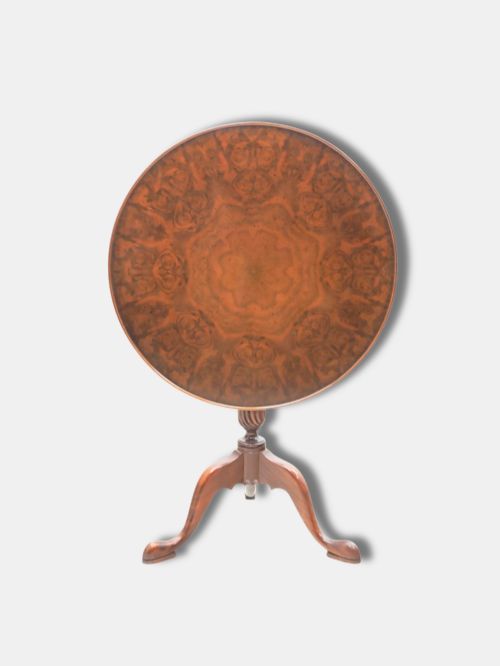
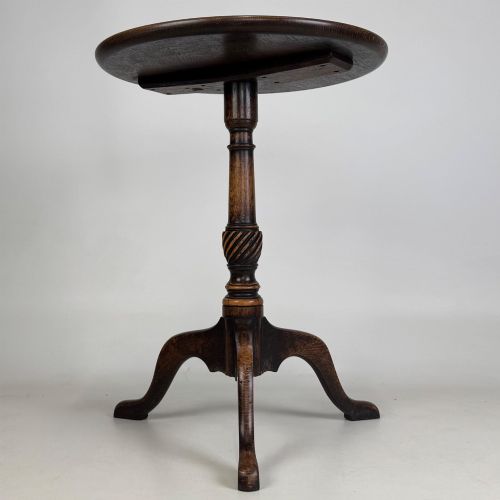
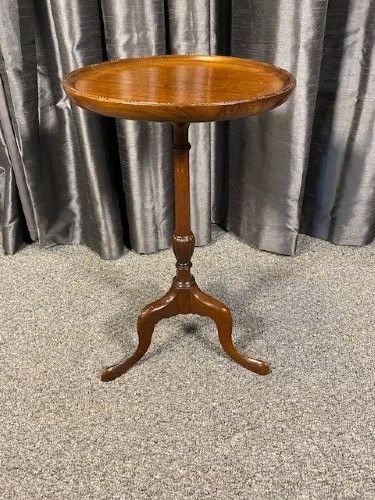
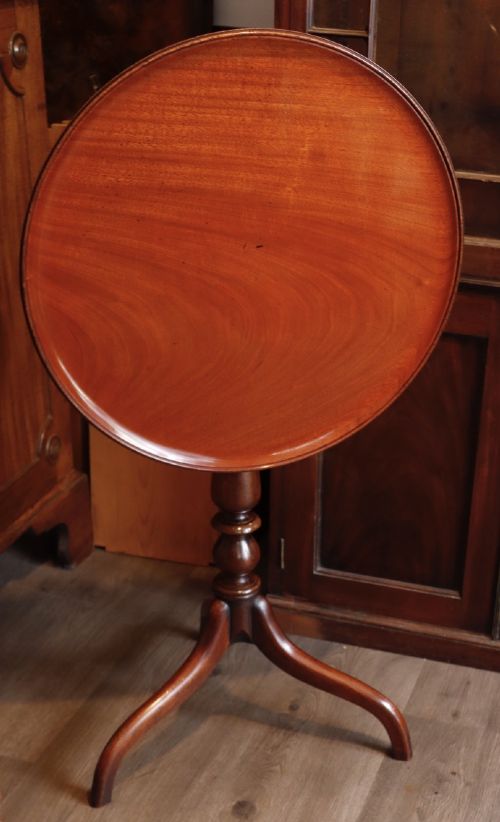
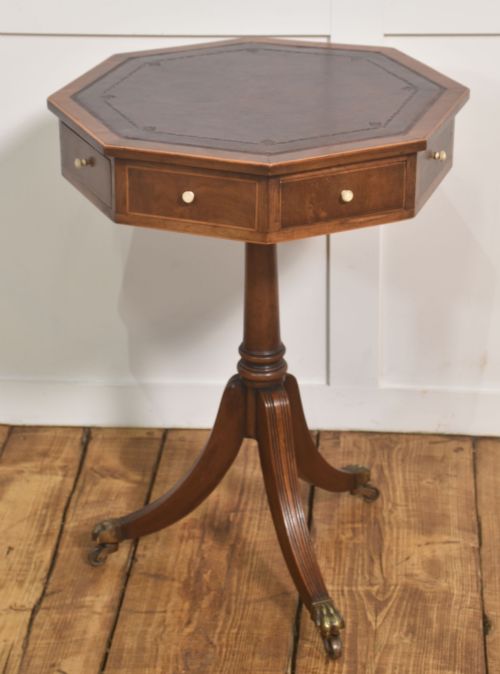
A georgian style occasional table encompasses a broad category of small movable furniture designed for specific domestic tasks. The selection includes wine tables, tilt-top tripod tables, pembroke tables, and nests of tables.
The pieces on this page span the eighteenth, nineteenth, and twentieth centuries, featuring original period examples alongside later revivals from the Edwardian era and the interwar decades.
Mahogany is the dominant timber across the listings, supported by walnut, oak, satinwood, and elm. These timbers appear in various formats from simple lamp stands to elaborate tripod designs with birdcage mechanisms.
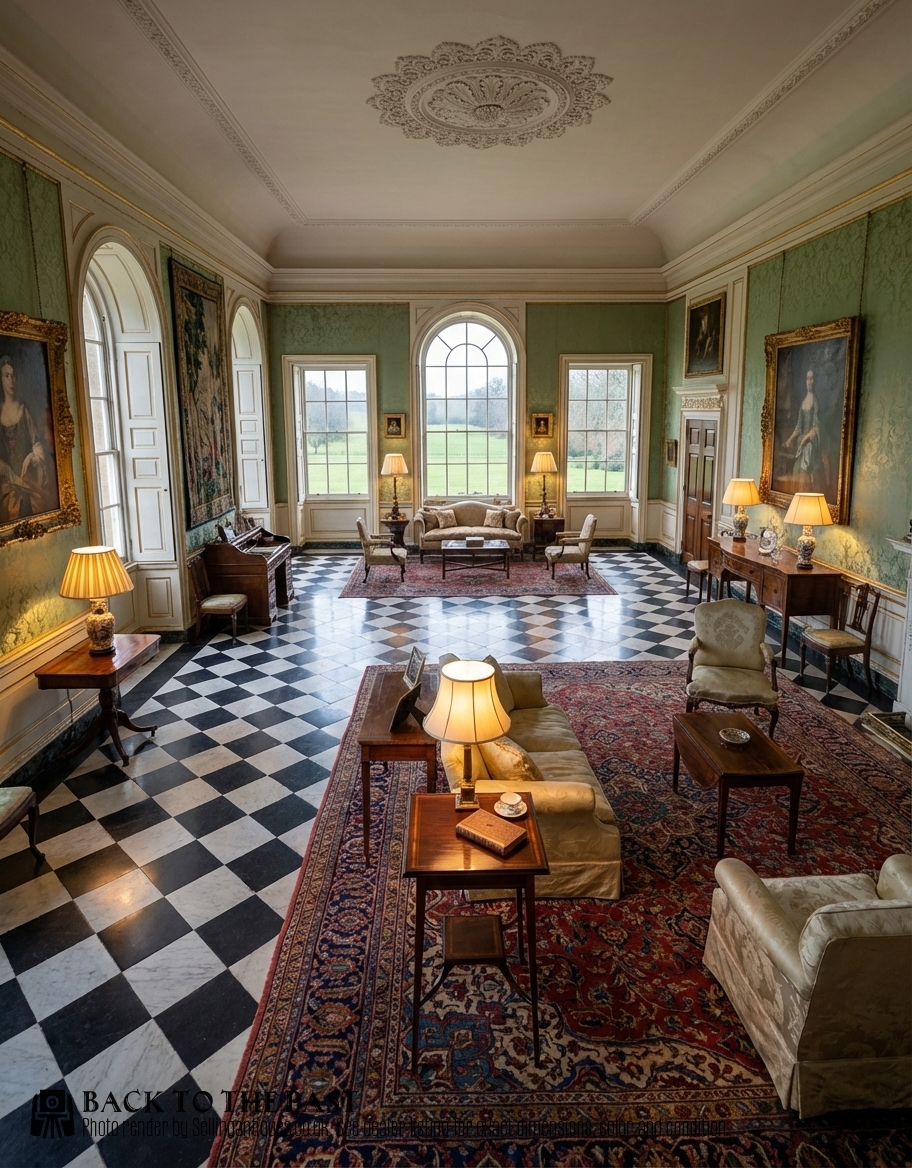
Materials and Construction
Cabinetmakers relied heavily on solid mahogany and selected veneers, often incorporating secondary timbers like oak and pine for internal frames and drawer linings. Finer examples utilise decorative stringing and banding in boxwood, partridge wood, and satinwood to outline tops and legs.
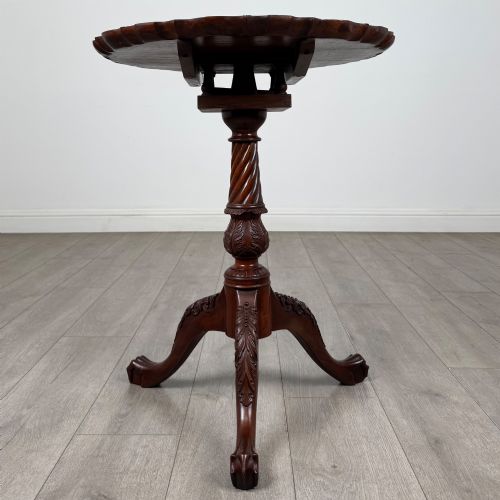
Joinery methods include traditional mortise and tenon joints for frames, alongside sophisticated moving parts such as birdcage pillar supports, drop-leaf hinges, and tilting mechanisms that required precise carpentry.
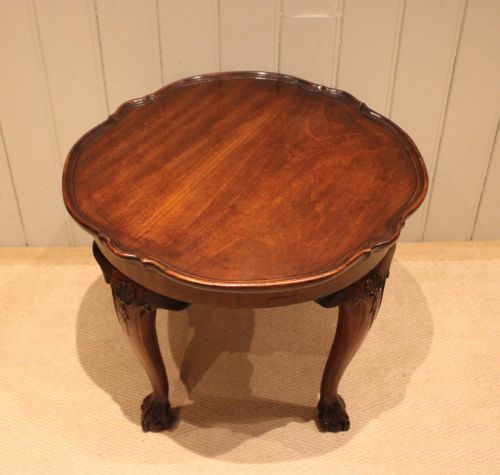
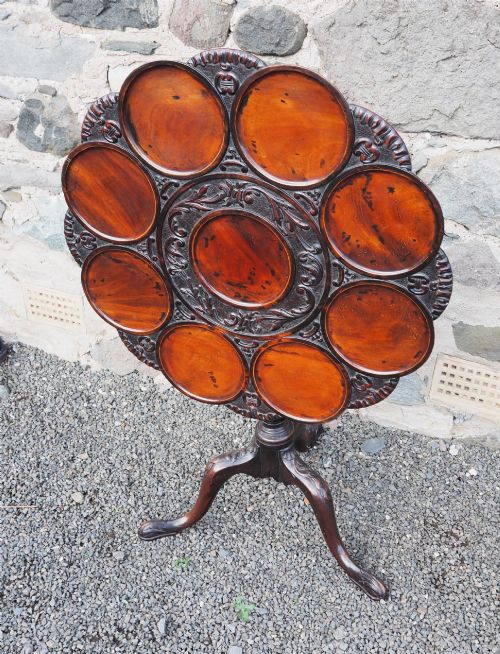
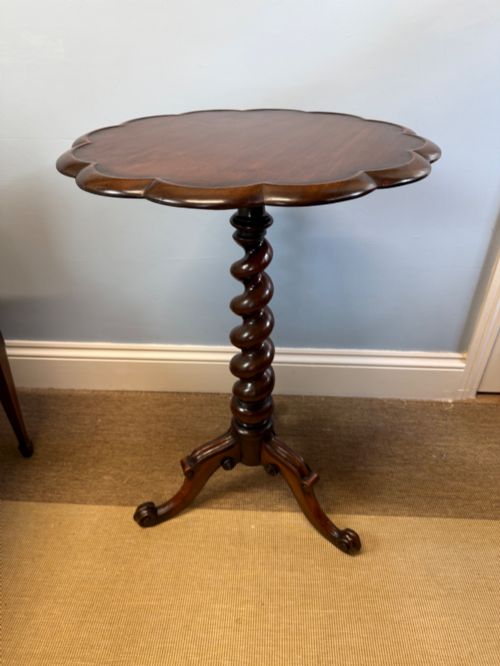
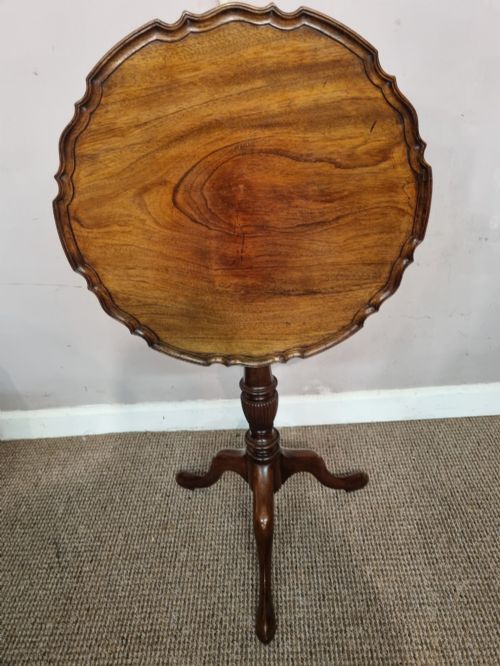
Surface decoration ranges from parcel gilding and intricate hand-carving on tripod pillars and pie crust edges to simple turned pedestals and plain plank tops.
Georgian Style Occasional Table Retail Price Guide 2026
Typical asking prices for georgian style occasional table among the pieces listed under this phrase on Sellingantiques today, from the lower quarter to the upper quarter. They describe what is for sale here now, not the wider market.
Period representations span from the eighteenth century through the Victorian and Edwardian eras into the 1930s.
Assessing Quality
The distinction between standard production and superior craftsmanship rests on the selection of timber and the crispness of detail. Figured mahogany with rich grain patterns and sharply executed carvings on tripod legs represent the upper tier of manufacture.
Mechanical elements reveal the standard of work. A well-made tilt-top or birdcage mechanism operates smoothly without lateral play in the pillar, while drawer construction in writing tables displays neat dovetails and tidy interior fitting.
The Georgian Style Occasional Table Glossary
- Tripod table
- A small freestanding table supported by a central pillar and three legs. This form became popular during the eighteenth century for tea service and general use.
- Pembroke table
- A drop-leaf table with hinged flaps on either side, often fitted with a single drawer. It was designed for easy movement and versatility in domestic rooms.
- Birdcage mechanism
- A rotating wooden cage assembly placed between the pillar and the table top on tilt-top tables. It allows the top to both pivot and tilt vertically.
- Pie crust edge
- A raised, carved moulding along the perimeter of a circular table top shaped in undulating curves. It resembles the decorative pastry edge of a pie.
- Quartetto nest
- A set of four graduating tables designed to slide one beneath another. They saved floor space while providing multiple surfaces when needed.
Georgian Style Occasional Table: Frequently Asked Questions
What is a georgian style occasional table used for?
These pieces served practical roles in domestic interiors as stands for lamps, tea items, or books. Their compact proportions allowed them to be moved easily around a room as needs changed.
Today, they function similarly in modern spaces, offering convenient surface space beside seating or in hallways without dominating the room.
How do I identify the period of the table?
Dating relies on examining timber characteristics, construction methods, and secondary woods used beneath the surface. Eighteenth-century pieces often show distinct hand-tool marks and period-specific joinery, while revival pieces from the Edwardian era or the twentieth century exhibit machine assistance and different fastener types.
Style labels such as Chippendale or Regency provide further clues, though many later revival pieces consciously copied these earlier aesthetics.
Are tilt-top tables stable?
A well-constructed tilt-top table remains firm when locked in the horizontal position through its catch or wedge. The stability depends heavily on the fit of the central pillar into the three legs.
Historical examples with original birdcage mechanisms may show minor movement from decades of use, which is normal for functional antique furniture.
How should I care for a mahogany table?
Polishing with traditional wax helps maintain the lustre of the wood and protects the surface from dryness. Avoiding direct sunlight and stable humidity levels prevent the timber from warping or splitting over time.
Routine dusting with a soft, dry cloth is sufficient for daily maintenance.