
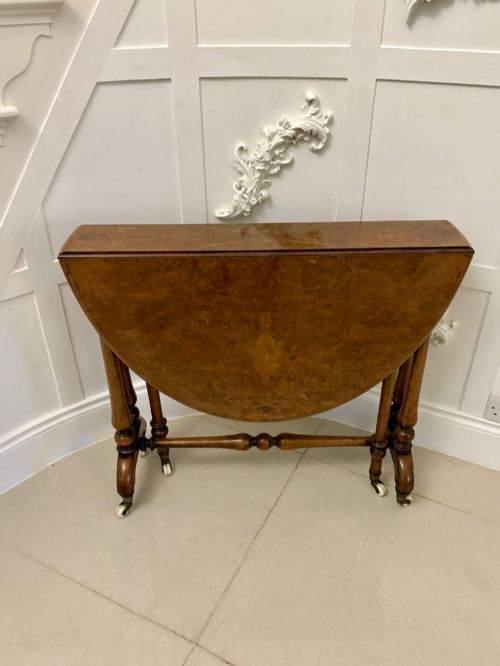
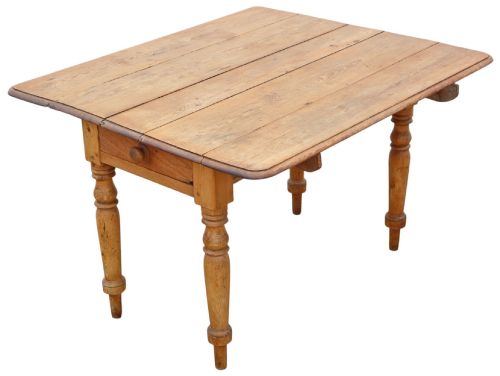
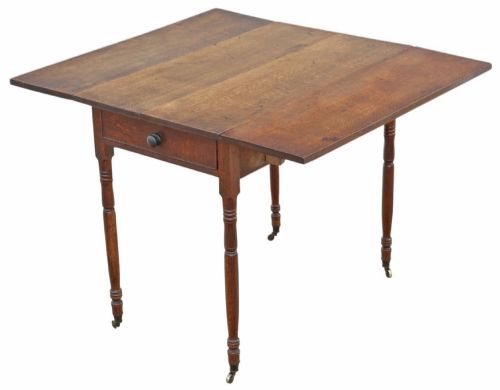
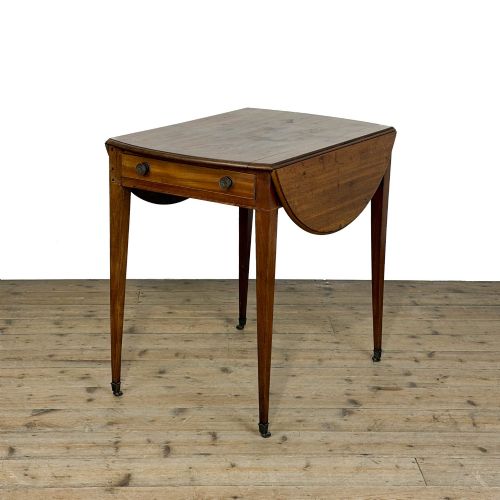
Drop Flap Side Table
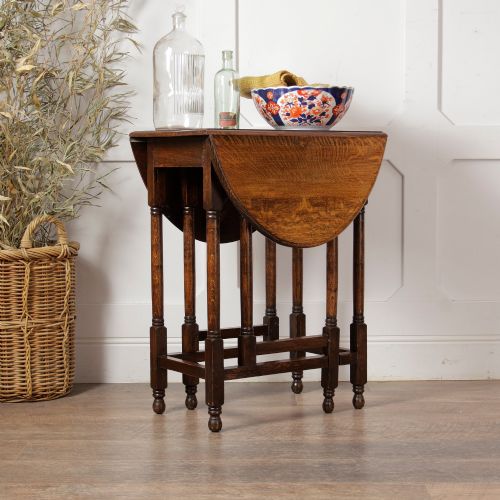
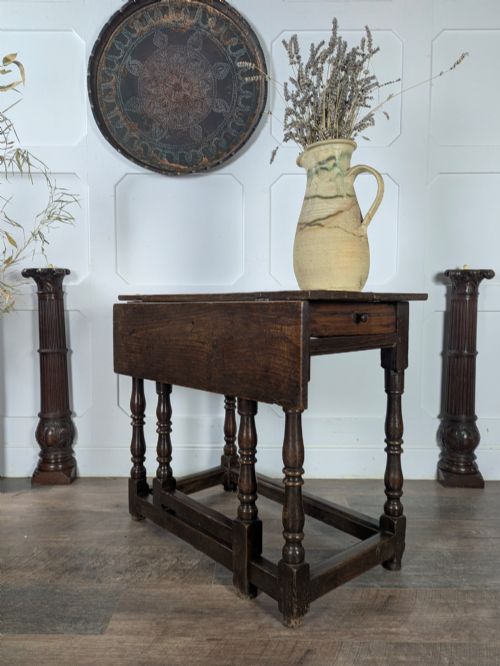
These drop flap side table pieces offer folding leaves and compact proportions, bringing versatile surfaces to narrow spaces.
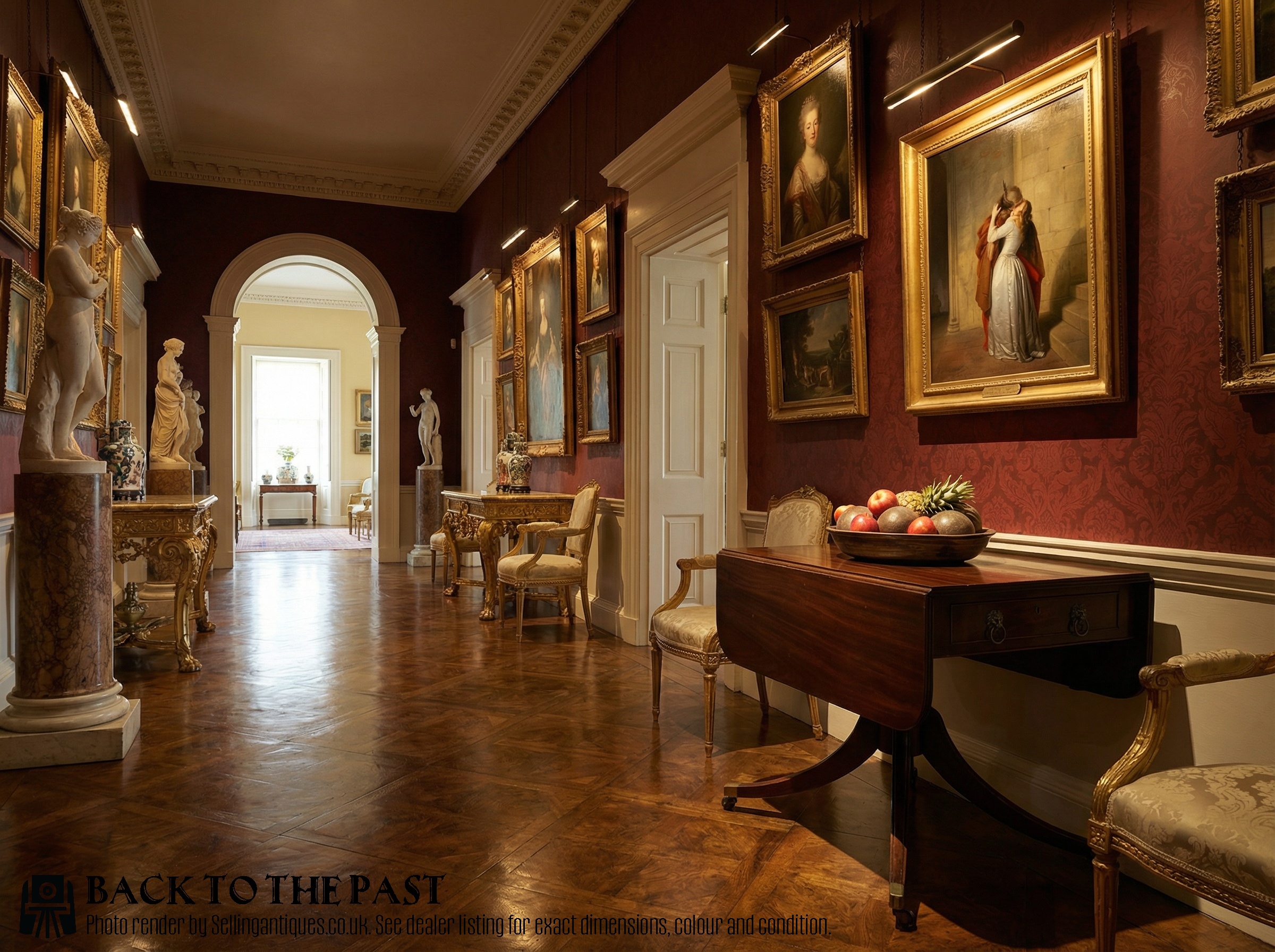
What a drop flap side table is
A drop flap side table provides an adaptable surface that expands when hinged leaves are raised and tucks away neatly when lowered. These tables serve various domestic duties across sitting rooms, halls, and bedchambers.
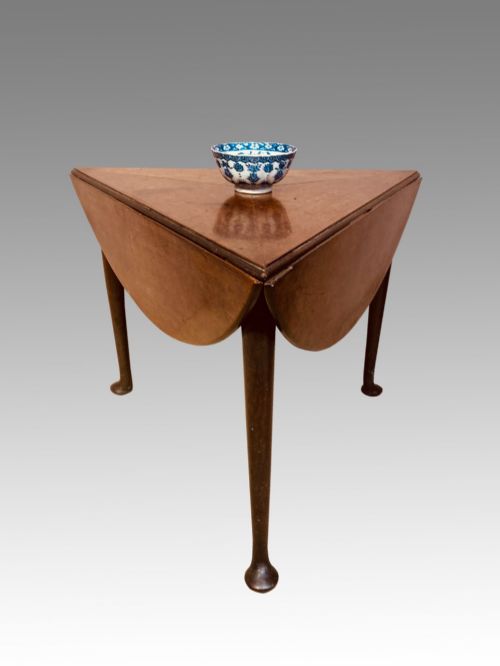
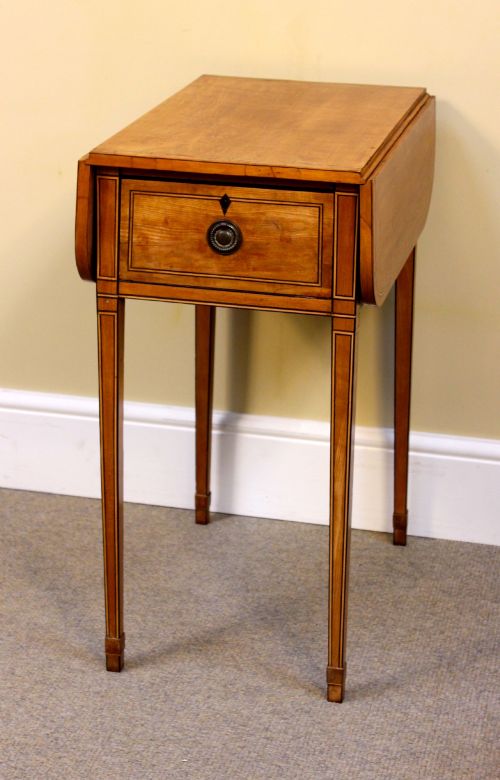
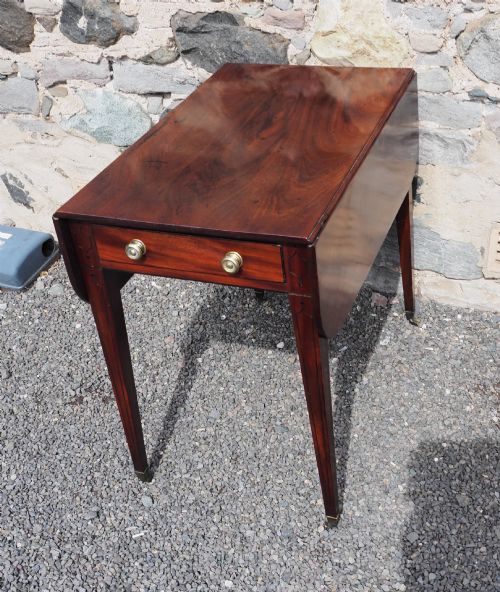
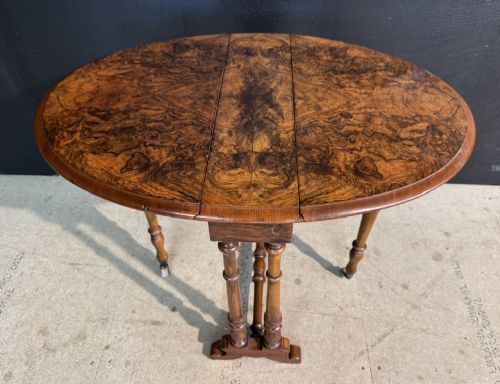
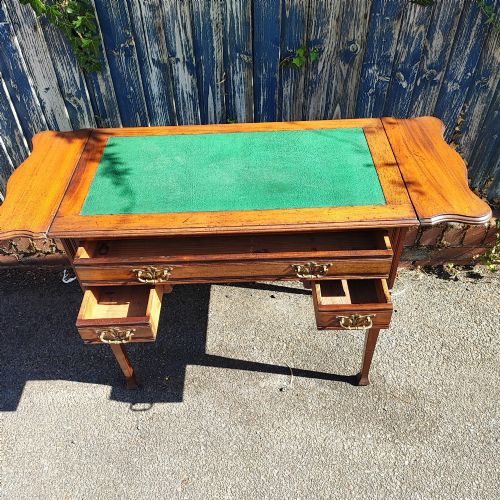
The evidence shows forms ranging from small oval Pembroke tables to narrow hall tables, occasional pieces, and writing desks with drop side flaps. Walnut, oak, mahogany, and rosewood appear in the listings alongside Sheraton Revival, Victorian, and Georgian styles.
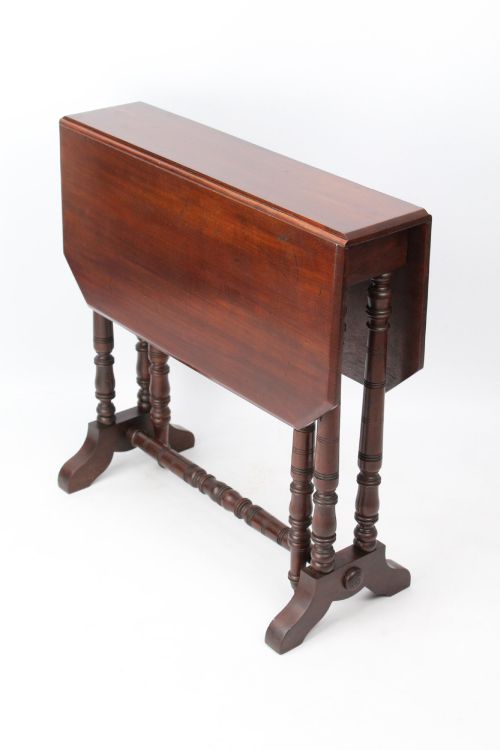
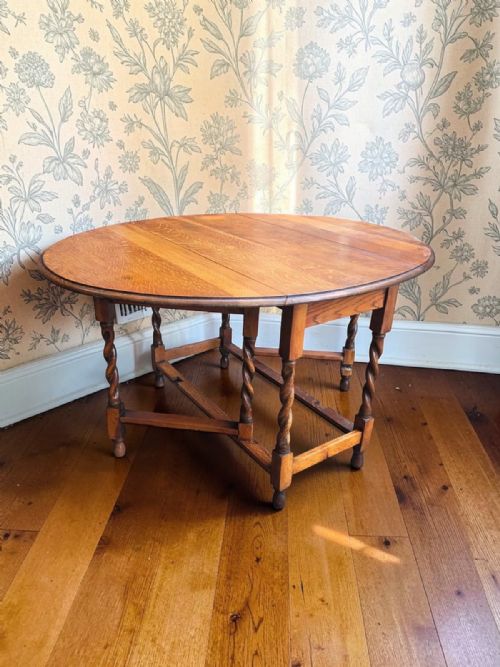
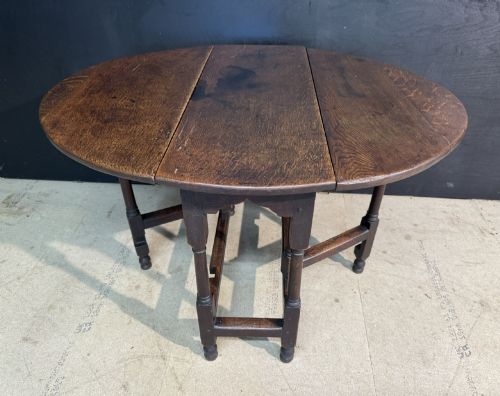
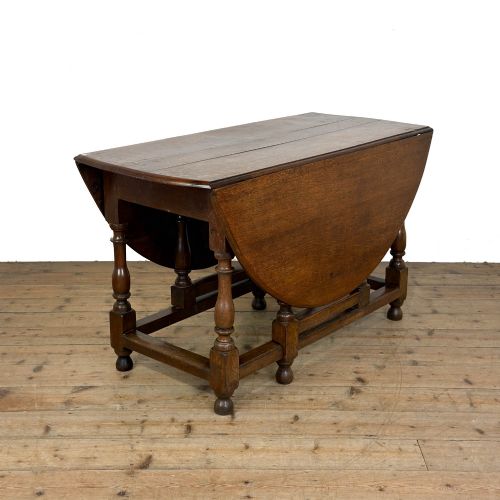
Edwardian examples and pieces from the nineteenth century predominate among these listings, alongside eighteenth century forms. Buyers most frequently meet mahogany and oak constructions featuring drop leaves supported by swinging brackets or gatelegs.
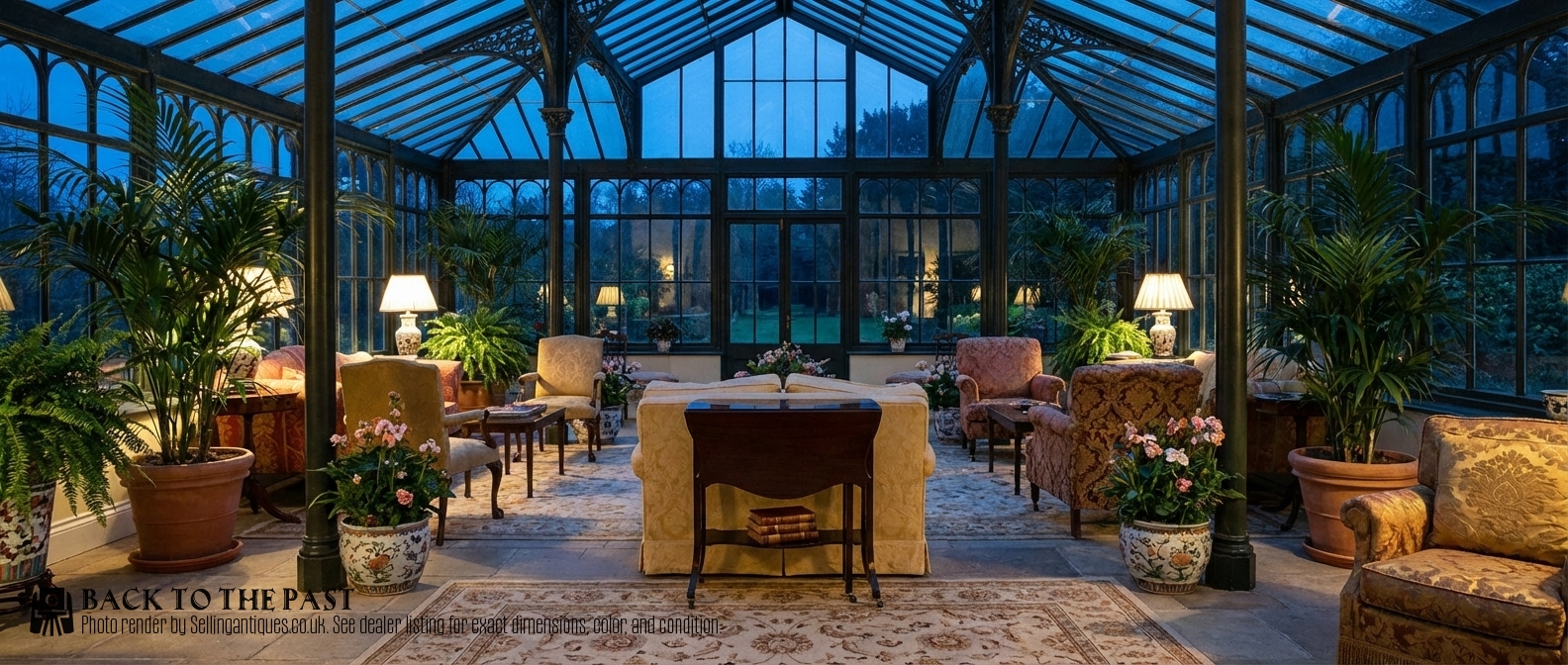
How they were made
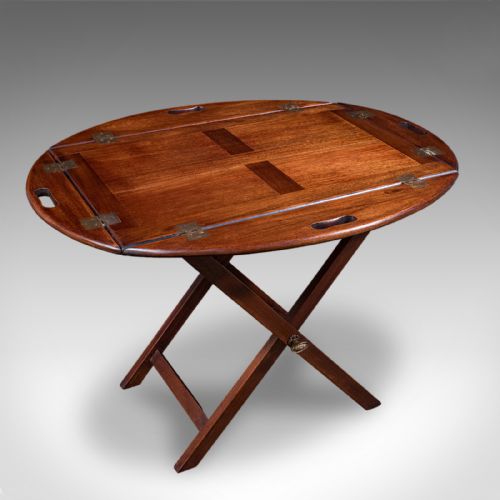
Cabinetmakers constructed these tables using solid timbers such as mahogany, oak, and walnut, frequently incorporating satinwood or marquetry for decorative contrast. Brass fittings appear on castors and handles, securing hinges and mechanical joints.
Drop flaps require precise hinge placement and pivoting supports to hold the extended leaves level under weight. Marquetry inlay, brass accents, and fine wood veneers demonstrate traditional woodworking skills applied to folding furniture.
Retail Price Guide 2026
Typical UK retail prices for drop flap side table, calculated from the Sellingantiques database of over a million retail prices indexed since 2003. This retail price guide relies exclusively on Sellingantiques data; no external sources or auction records are used, so the figures do not describe the wider market.
Listings span from the seventeenth century through the Edwardian period, utilising mahogany, oak, walnut, and rosewood.
What varies in quality
Quality rests in the crispness of the joinery and the selection of timber figure, particularly on the folding leaves where grain alignment matters. Superior examples display subtle marquetry or fine satinwood banding rather than plain surfaces.
The integrity of the pivoting flap supports dictates daily usability, separating sturdy mechanisms from loose hinges. Well-proportioned legs and balanced proportions distinguish finer workshop output from simpler utilitarian pieces.
The Drop Flap Side Table Glossary
- Drop flap
- A hinged leaf attached to the main top that raises to extend the surface area and lowers when not in use.
- Pembroke table
- A small occasional table featuring two hinged drop leaves on opposite sides, often equipped with a drawer.
- Marquetry
- Decorative patterns formed by inlaying different coloured wood veneers into a solid surface.
- Shetaton Revival
- A style popular around nineteen hundred drawing inspiration from late eighteenth century neoclassical designs.
Frequently Asked Questions
Where do you put a drop flap side table?
These tables fit easily beside sofas, in narrow halls, or against empty wall spaces where a full sized table takes up too much room.
Dropping the leaves allows the furniture to sit flat against a wall until an extra surface is needed for lamps or writing.
How do drop flaps stay up?
Hinged wooden brackets, known as fly brackets or gatelegs, swing out from beneath the frame to support the raised leaf.
Gravity and snug joints keep these supports in place until pushed back to let the flap hang downward.
Are these tables sturdy?
Solid timber construction and clever leg placement give these pieces dependable stability during everyday use.
When the leaves are raised, the supporting brackets bear downward pressure safely if the mechanism remains properly aligned.
How do I identify a Georgian style table?
Georgian and Georgian style pieces display restrained proportions, straight or tapering legs, and classic mahogany or walnut timbers.
Details like brass hardware and subtle edge moulding point back to eighteenth century design traditions.