


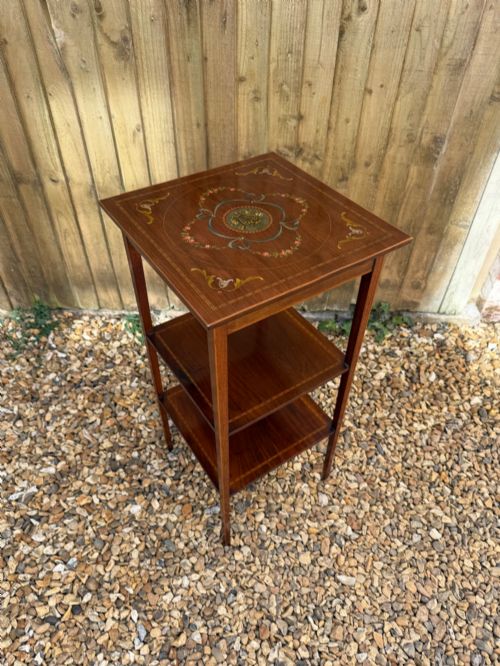
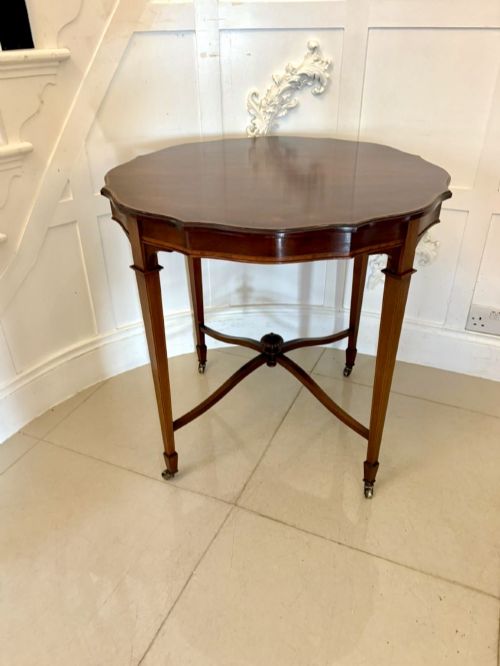
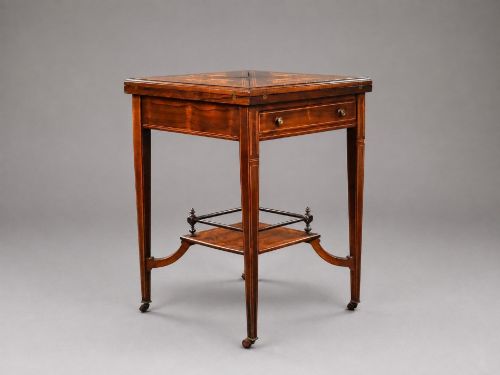
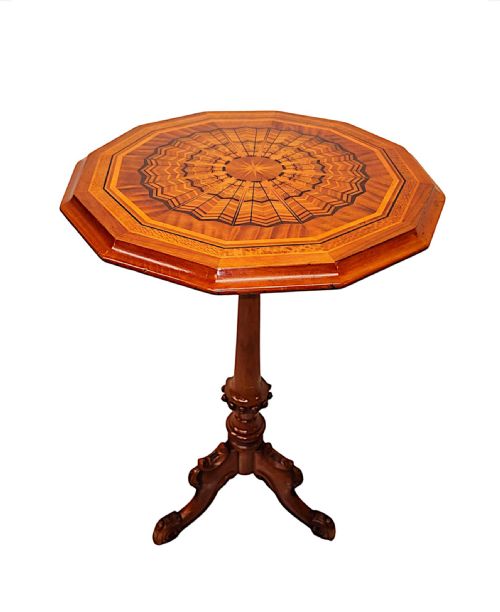
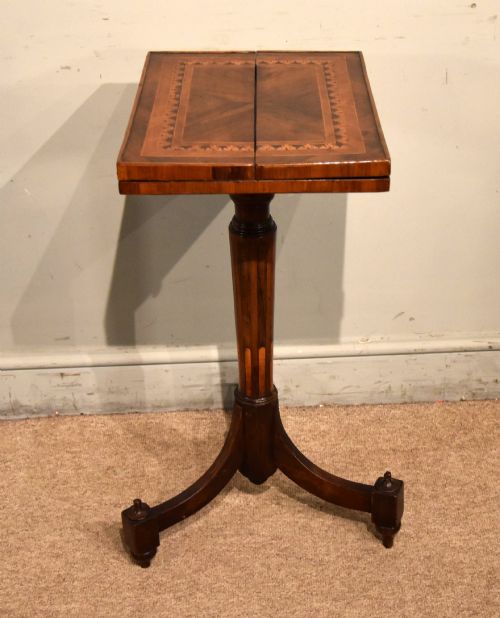
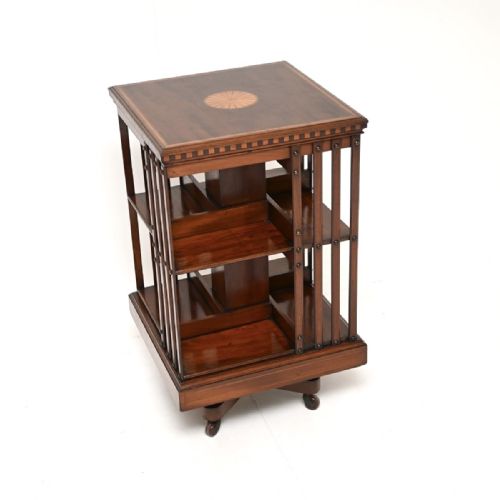
Satinwood Inlaid Side Table
When you search for a satinwood inlaid side table, you enter a world of polished timber and delicate banded borders.
Satinwood Inlaid Side Table
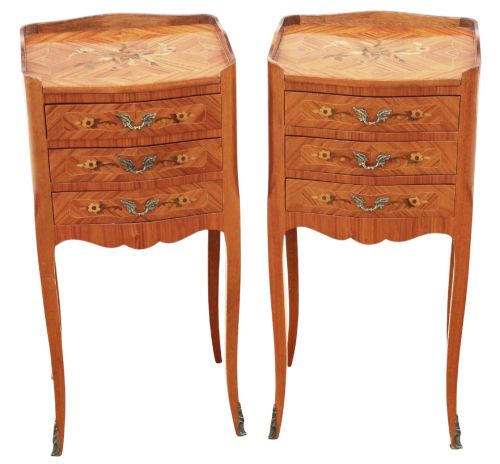
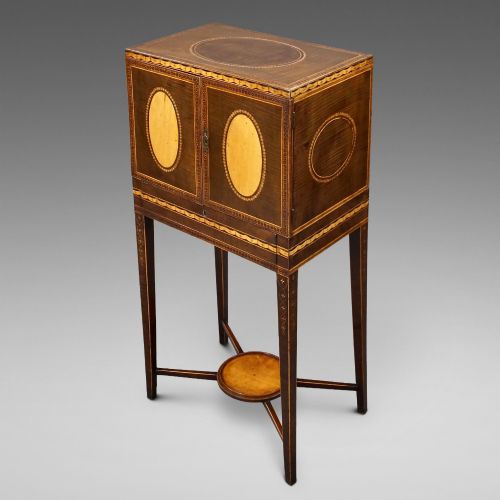
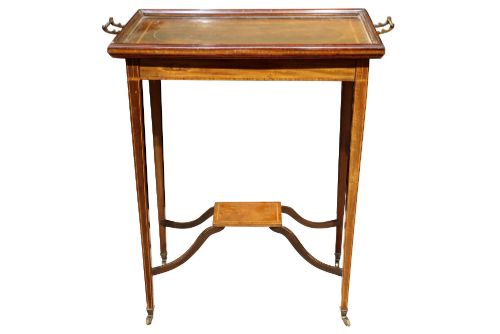
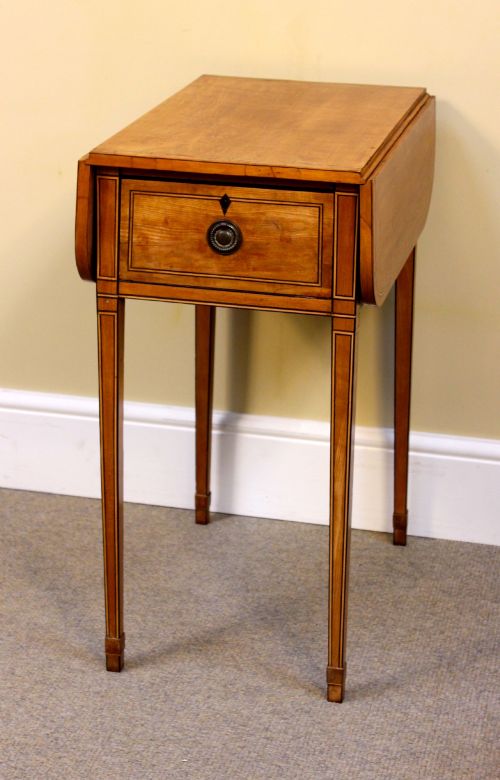
A satinwood inlaid side table serves as a light, decorative surface designed to sit against a wall or beside a chair. These pieces appear frequently from the Edwardian period and the eighteenth century, taking forms such as occasional tables, demilune consoles, and pembroke tables.
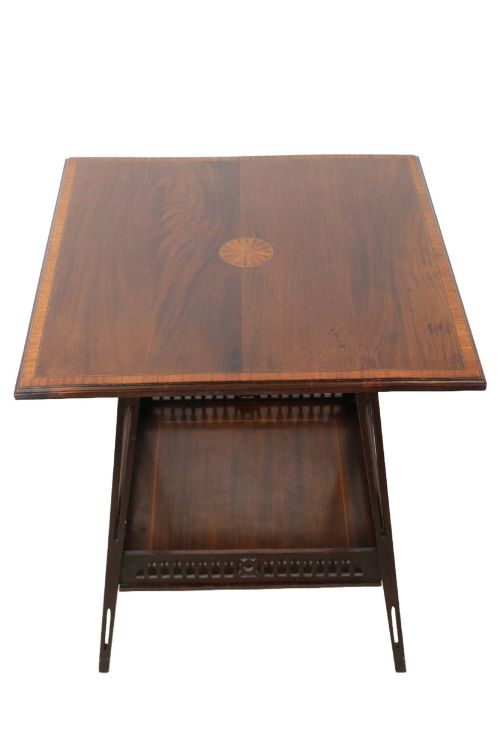
Makers utilised contrasting timbers to create visual depth, placing pale satinwood against darker mahogany, rosewood, or harewood. The surfaces often display geometric crossbanding, shell motifs, or intricate marquetry panels depicting floral sprays.
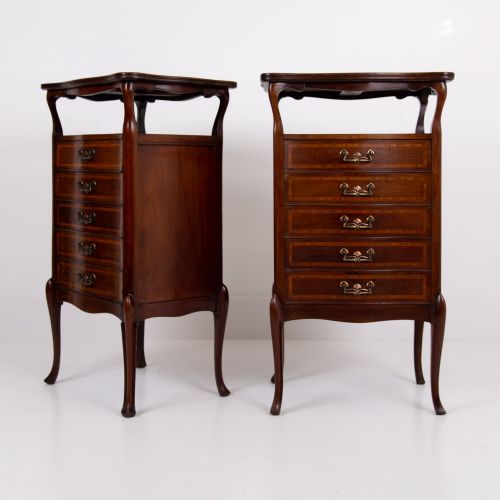
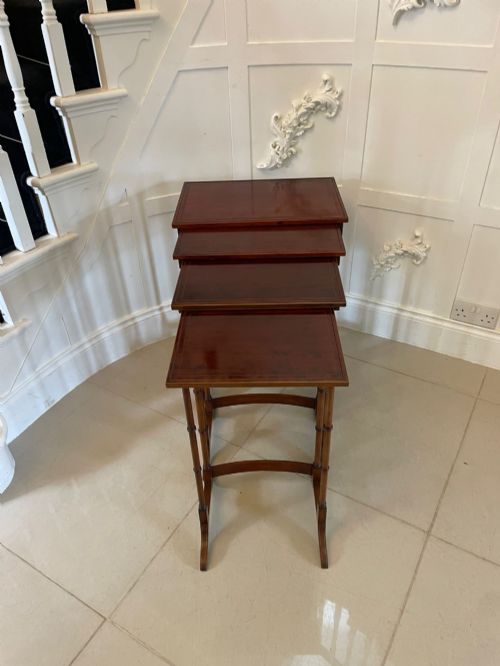
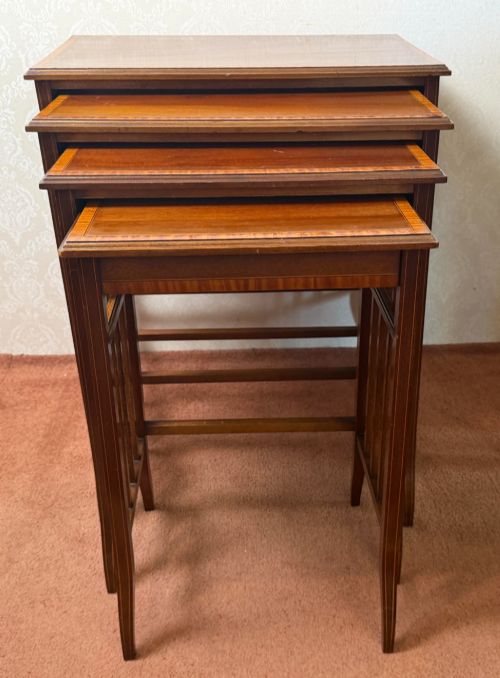
Buyers will encounter various formats, including nests of tables, rectangular occasional pieces, and semicircular wall tables. Each variation reflects the prevailing tastes of Georgian, Regency, and Edwardian cabinet makers.
How they were made
Cabinet makers built the primary carcass using sturdy timbers such as mahogany or satinwood, applying thin veneers to create the primary visual planes. Crossbanding in boxwood, ebony, or darker woods framed the perimeters of table tops.
Marquetry and inlay techniques required precision, with contrasting wood veneers cut and fitted into recessed channels within the solid or veneered ground. Brass hardware, galleries, and tapered legs completed the construction of these refined domestic items.
Satinwood Inlaid Side Table Retail Price Guide 2026
Typical asking prices for satinwood inlaid side table among the pieces listed under this phrase on Sellingantiques today, from the lower quarter to the upper quarter. They describe what is for sale here now, not the wider market.
Listings feature satinwood combined with mahogany, rosewood, and ebony across Georgian, Regency, and Edwardian periods.
What varies in quality
The sophistication of the marquetry and the crispness of the inlay define the upper tier of these items. Master craftsmen achieved sharp intersections in geometric banding and detailed shading within floral motifs using hot sand.
Timber selection dictates the distinction between standard and superior pieces, with figured satinwood showing rich chatoyancy and natural grain movement. The retention of original brass fittings, structural stability, and balanced proportions further separate ordinary examples from exceptional ones.

Trevor Page & Co·Gillows·Donald Ross
The Satinwood Inlaid Side Table Glossary
- Satinwood
- A tropical hardwood known for its lustrous, golden-yellow appearance and light sheen. It provides a bright contrasting surface for detailed cabinet work.
- Marquetry
- The art of applying decorative veneer pieces to a structure to form pictorial or geometric designs. Artisans cut various woods together to ensure tight joints.
- Crossbanding
- A border of veneer laid around the edge of a table top with the grain running perpendicular to the central panel. This technique frames the primary timber.
- Demilune
- A half-moon shape characteristic of side and console tables designed to stand flush against a wall. George III examples often feature this profile.
- Pembroke table
- A small rectangular table with hinged drop flaps on either side supported by folding brackets. They frequently incorporate single drawers and delicate tapered legs.
Satinwood Inlaid Side Table: Frequently Asked Questions
What is a satinwood inlaid side table used for?
These tables provide a decorative surface for lamps, books, and ornaments in reception rooms and hallways. Their compact footprint allows them to fit easily into corners or beside seating.
Historically, specific formats such as pembroke or card tables accommodated writing, sewing, and leisure activities. Today, they function primarily as accent pieces that highlight historic cabinet making skills.
How do I identify an Edwardian piece?
Edwardian versions often combine mahogany carcasses with satinwood banding, reflecting a revival of eighteenth-century neoclassical styles. They frequently display lighter structural framing and machine-sawn veneers.
These pieces date from the turn of the twentieth century and incorporate Edwardian Sheraton revival motifs like bellflowers, urns, and satinwood panels.
What is the difference between inlay and marquetry?
Inlay involves inserting contrasting materials into carved recesses within a solid wood surface. The design usually consists of simple lines, stringing, or geometric borders.
Marquetry covers the entire surface with assembled veneer pieces to form pictorial scenes or elaborate floral patterns. Both techniques appear frequently across eighteenth and nineteenth-century examples.
How should I care for satinwood furniture?
Keep these pieces away from direct sunlight and heat sources to prevent the delicate satinwood and exotic veneers from fading or drying out. Consistent indoor humidity protects the underlying timber and prevents veneer lifting.
Apply a microcrystalline wax periodically to nourish the polished surface and protect the historic finish from moisture. Avoid using silicone-based polishes or harsh chemical cleaners.