

Compact Folding Table
A compact folding table offers clever space-saving utility, bringing period woodwork and ingenuity into daily rooms.
Compact Folding Table
A compact folding table serves practical domestic needs through clever mechanisms that reduce its footprint when not in use. When you search for a compact folding table, you meet diverse forms spanning occasional tables, side tables, and dining tables.
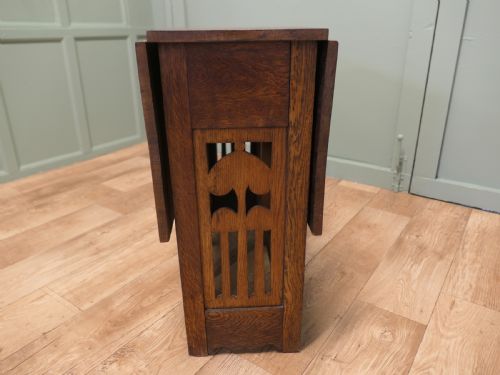
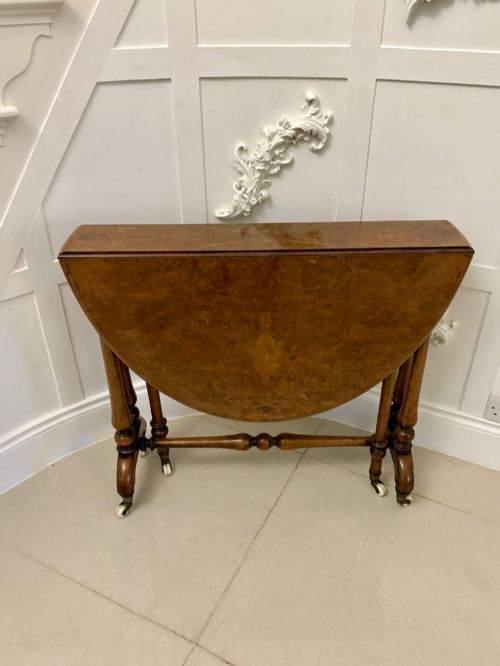
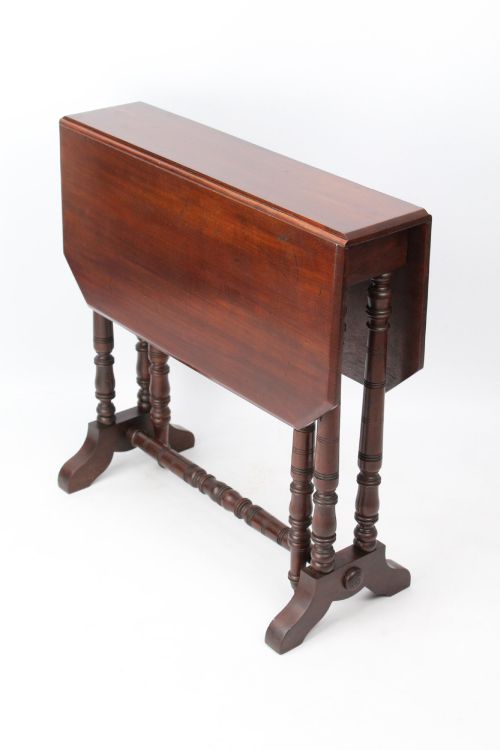
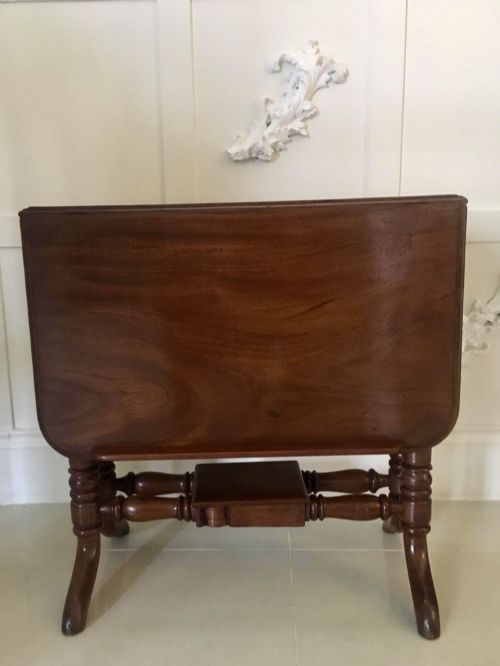
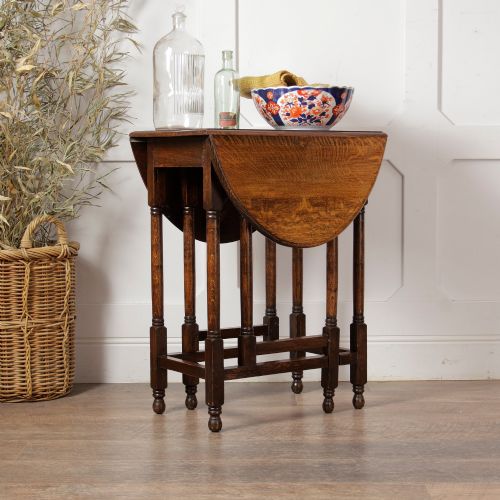
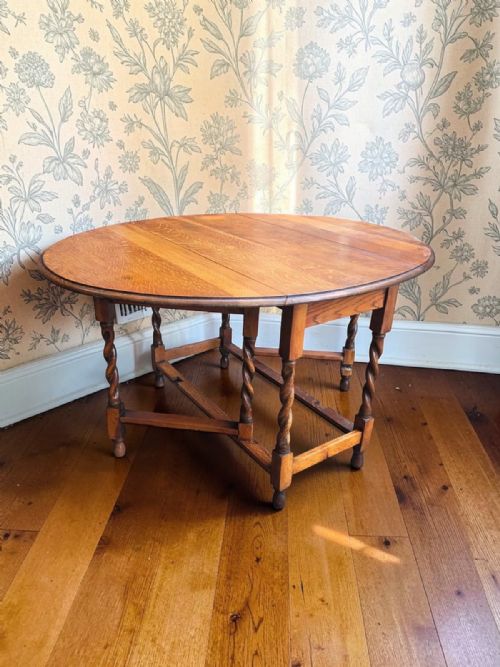
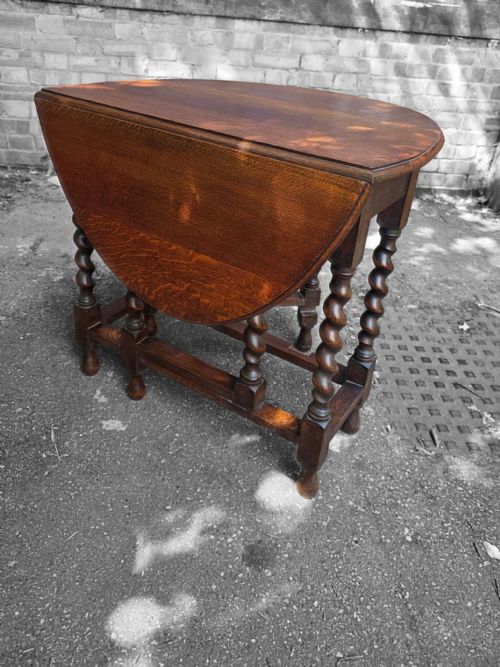
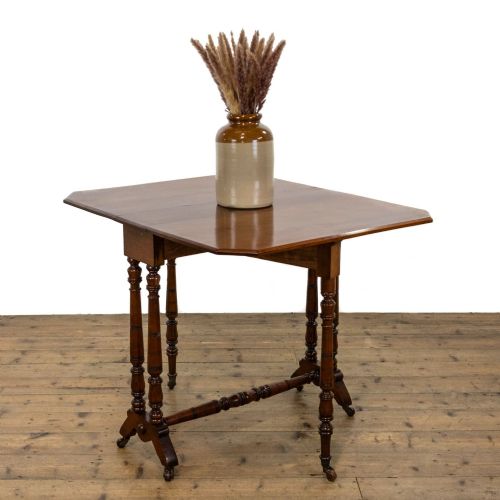
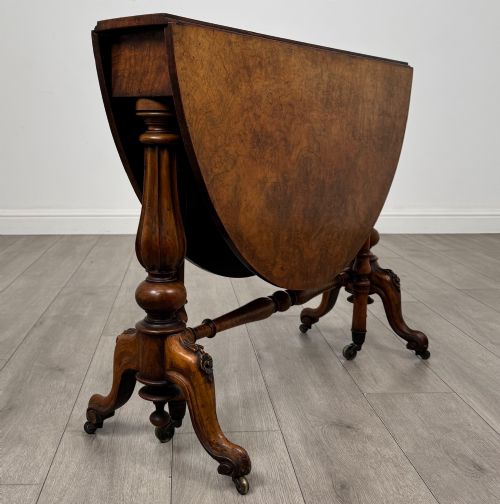
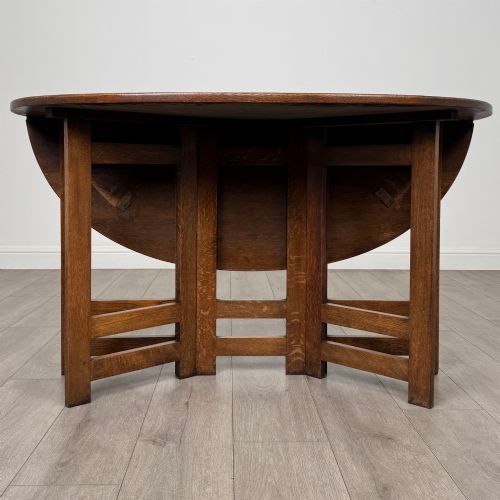
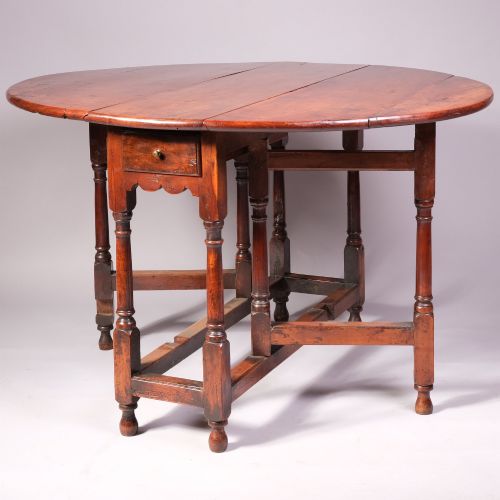
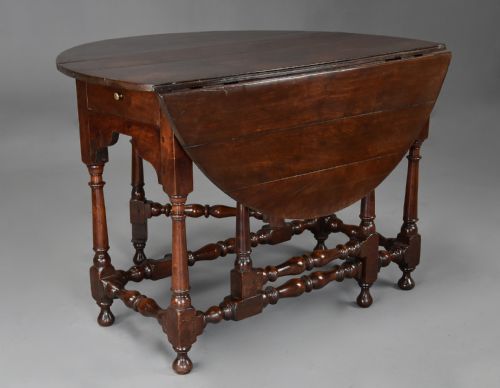
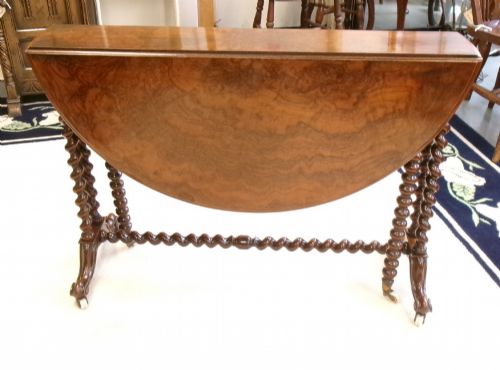
The pieces on this page appear in Victorian, Edwardian, and earlier periods, showcasing domestic adaptability across centuries. Sutherland tables and gateleg designs dominate the selection, offering drop leaves that lift to create larger surfaces.
Makers utilised mahogany, walnut, oak, and burr walnut, pairing robust timbers with folding legs, swing-out supports, and hinged tops. These items function equally well as occasional desks, tea tables, or compact dining surfaces.

Materials and construction methods
Craftsmen built these tables using solid hardwoods such as mahogany, oak, and walnut, frequently selecting burr veneers for decorative surfaces. Frames incorporate tight joinery, hinged leaves, and pivoting gate legs designed to bear weight when extended.
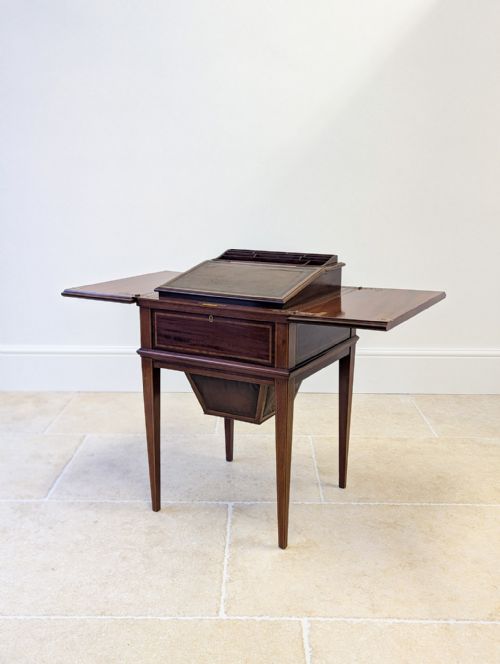
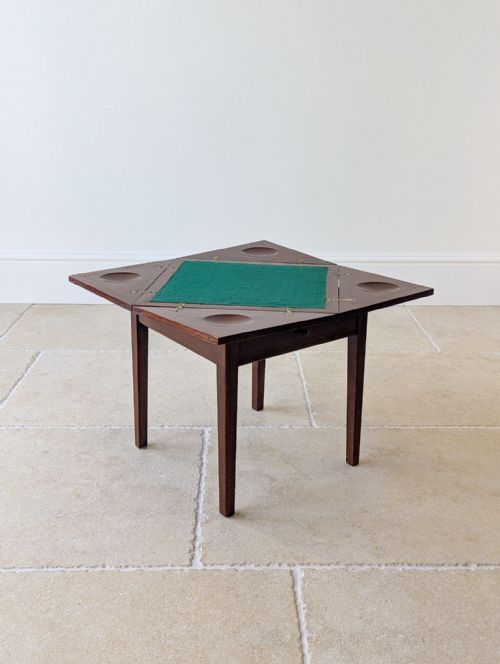
Metamorphic examples integrate folding mechanisms, swivel tops, and lift actions that transform small writing desks into larger utility surfaces. Inlays of satinwood and brass fittings provide functional detail without compromising structural folding ability.
A French folding table made of faux bamboo proves that even practical space-savers could embrace whimsical botanical imitation.
What distinguishes finer examples
Superior pieces display thoughtful timber selection, such as richly figured burr walnut or carefully matched mahogany veneers on the folding leaves. The grain flows coherently across hinged sections when the table stands fully open.
Engineering precision dictates longevity in folding furniture, separating robust items from weaker variants. Smooth hinge operation, stable gate legs that lock securely into position, and minimal play in moving joints define the upper tier of quality.
Maple & Co
The Compact Folding Table Glossary
- Sutherland table
- A narrow drop-leaf table with exceptionally long, slender leaves and gate legs that swing out to support them. It folds down into a very flat footprint for storage against a wall.
- Gateleg table
- A table with hinged leaves supported by one or more legs that swing outward like a gate. This design provides sturdy support for dining or work surfaces while remaining collapsible.
- Metamorphic table
- Furniture that transforms from one type of object into another, such as a desk converting into a reading or dining surface. These pieces use clever internal pivoting mechanisms.
- Spider leg
- A style characterised by extremely slender, turned wooden legs joined by low stretchers. It imparts a delicate visual appearance to small occasional and drop-leaf tables.
Compact Folding Table: Frequently Asked Questions
Where should I place a folding table?
These pieces suit narrow hallways, small sitting rooms, or tight dining spaces where permanent furniture consumes too much room. They stand flat against walls when folded, ready to open when guests arrive or work requires extra surface area.
Positioning them away from direct heat sources protects the timber veneers and keeps the folding hinges functioning correctly over decades of domestic use.
Can I use these tables daily?
Solid construction in mahogany, oak, and walnut equips these items for regular household use. Their folding mechanisms are built to withstand frequent opening and closing during meals, writing tasks, or tea service.
Treating the polished timber surfaces with care and avoiding excessive moisture preserves the antique finish during everyday activities.
How do I identify a Victorian table?
Victorian examples often feature rich burr walnut or dark mahogany timbers, frequently taking the form of Sutherland tables with turned underframes. Their proportions tend to be sturdy, reflecting mid-to-late nineteenth-century domestic requirements.
Examining the underside reveals period joinery methods, screw types, and timber patination consistent with nineteenth-century workshops.