
Carved Fretwork Table
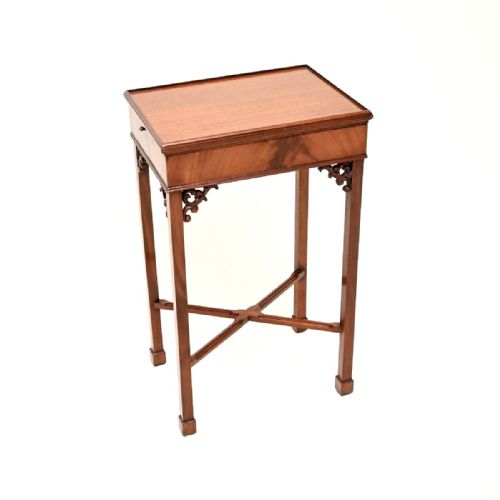
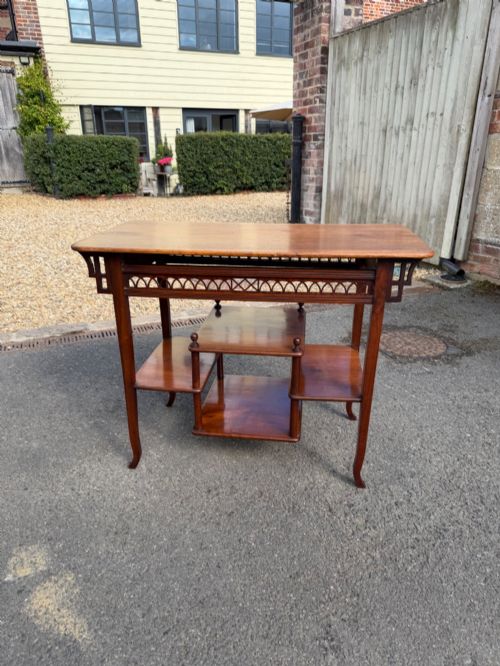
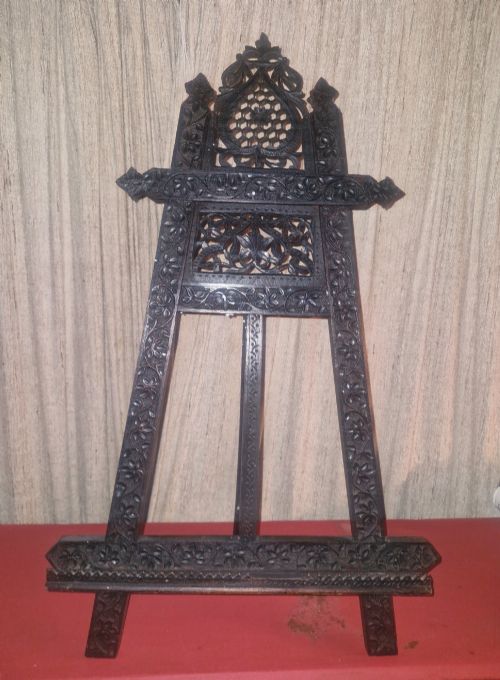
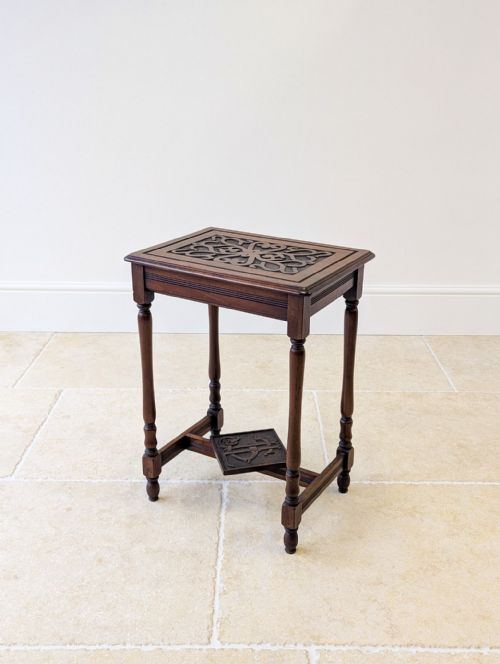
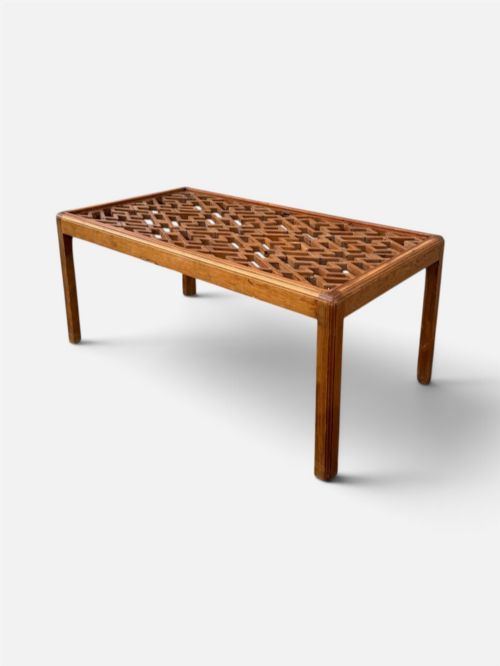
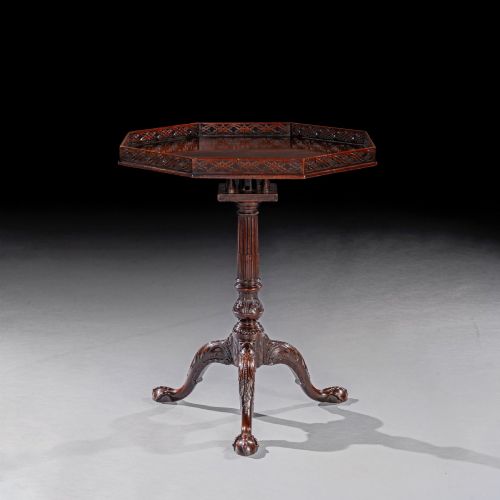
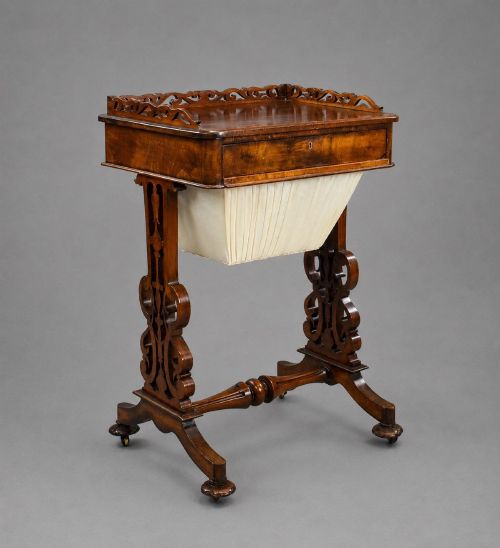
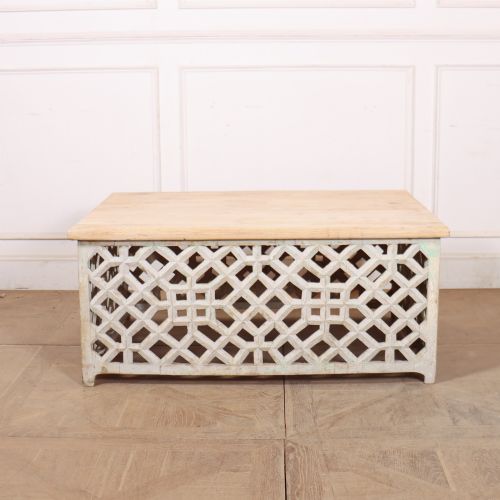
A carved fretwork table brings intricate pierced wooden ornament into a room, offering a surface defined by carved lattice and pierced panels.
Carved Fretwork Table
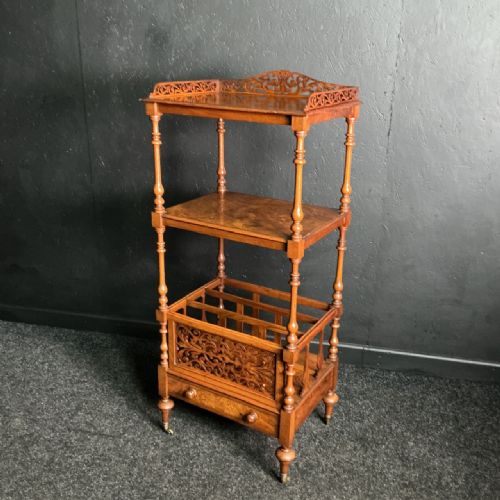
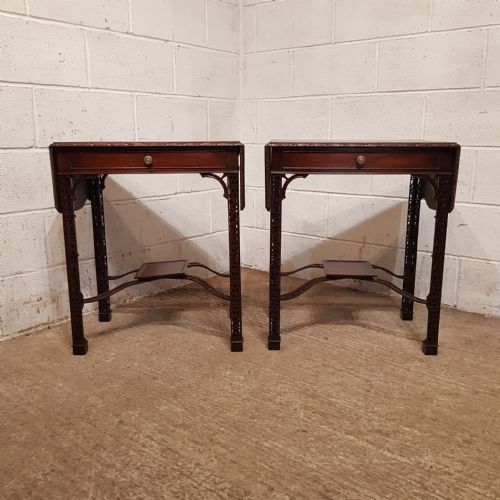
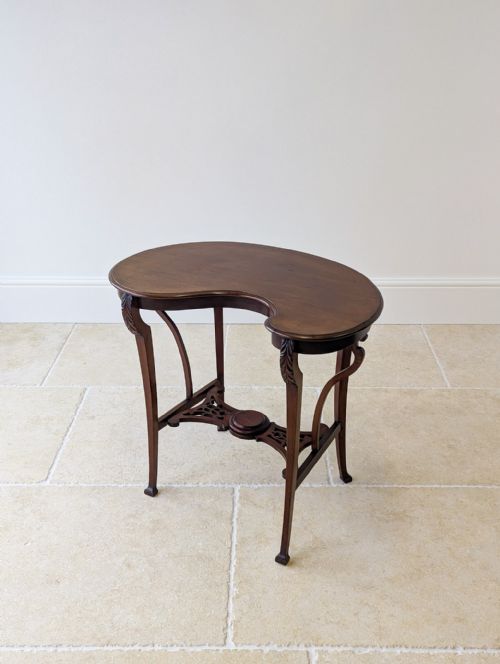
A carved fretwork table appears in forms ranging from side tables and console tables to occasional tables, coffee tables, and whatnots. These pieces span the eighteenth century, the Victorian era, the Edwardian period, and into the twentieth century, reflecting both British revival styles and distant traditions.
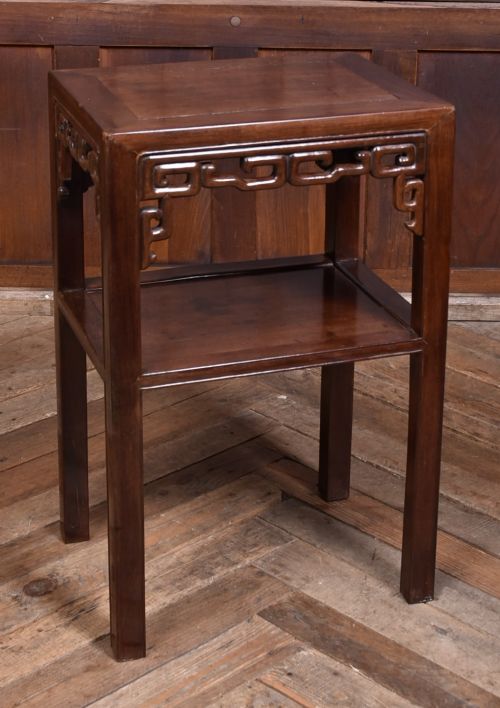
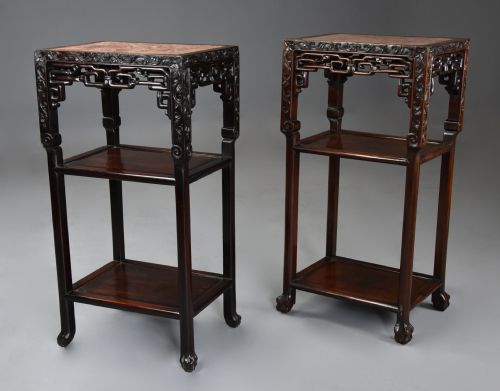
Buyers seeking this phrase most frequently encounter nineteenth-century and early twentieth-century examples in mahogany, walnut, and hardwood. These often draw upon Chinese Chippendale, Anglo-Indian, or Victorian design vocabularies, combining functional surfaces with pierced woodwork.
The diverse origins recorded in these pieces encompass English workshops working in historical revivals alongside Anglo-Indian production in teak and rosewood, as well as Chinese hardwood furniture incorporating carved panels.
Materials and construction
Makers utilised dense timbers such as mahogany, walnut, burr walnut, teak, rosewood, and hardwood to support delicate pierced decoration without structural failure. Brass inlays and inset marble panels occasionally accompany the timber framework.
The defining fretwork is achieved through piercing and carving, requiring precise hand-sawing and chiselling to create open lattice patterns, blind fretwork borders, or pierced aprons beneath the table top.
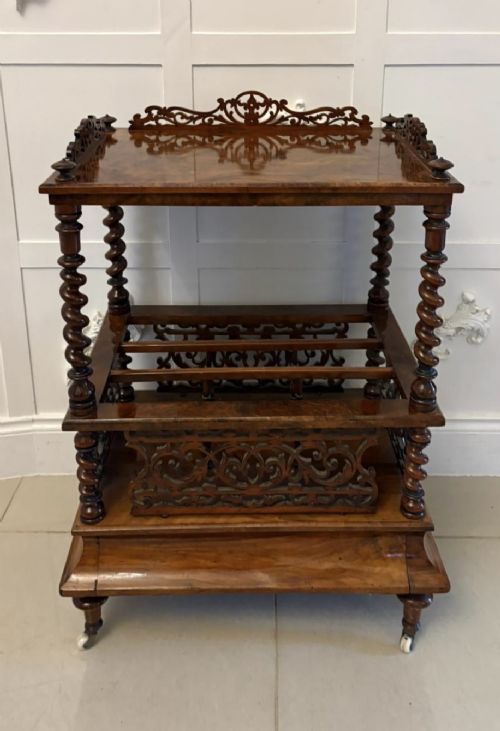
Some tables double as music stands or book slides, proving that Victorians expected their fretwork to do actual chores.
Craft and design standards
Quality rests upon the crispness of the carving and the precision of the pierced fretwork, where sharp interior angles and clean edges distinguish superior hand execution from heavier, blunter work.
The selection of timber grain, particularly in figured mahogany or burr walnut surfaces, dictates the visual weight of the piece, alongside the structural integration of the fretwork panels into the legs and aprons.
The Carved Fretwork Table Glossary
- Fretwork
- Ornamentation formed by piercing thin wood with a pattern of openings, often creating a lattice effect. This technique defines the visual character of the surfaces found in these listings.
- Chippendale
- A style originating from eighteenth-century English furniture design, known for adopting Chinese and Gothic pierced motifs. Revivals of this style recur throughout the Victorian period.
- Anglo-Indian
- Furniture made in India during the British period, frequently carved from teak or rosewood with dense foliage and geometric patterns. These tables often take distinctive octagonal forms.
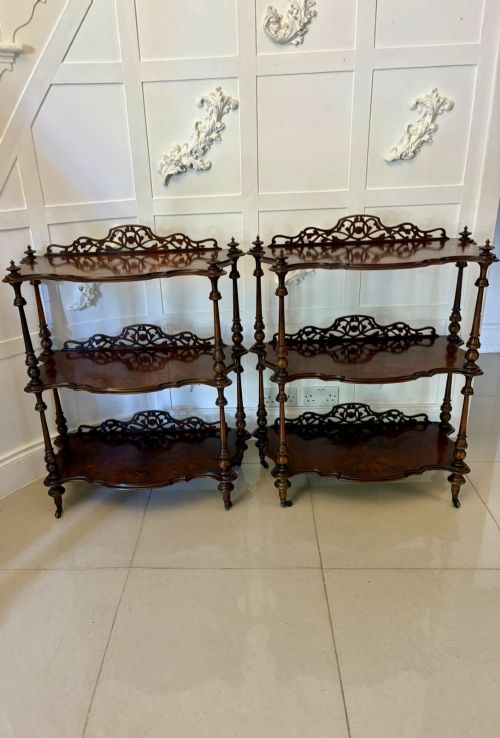
- Whatnot
- A multi-shelved open piece of furniture used for displaying objects, frequently combined with table bases and fretwork galleries. They appear prominently in Victorian burr walnut examples.
- Canterbury
- A low stand featuring partitioned vertical sections for sheet music or magazines, often integrated with a table top or drawer below. They demonstrate the multifunctionality of nineteenth-century occasional furniture.
Carved Fretwork Table: Frequently Asked Questions
What is a carved fretwork table?
A carved fretwork table is a wooden surface distinguished by pierced lattice ornament, appearing in forms such as side tables, coffee tables, and octagonal lamp tables.
These pieces draw on diverse traditions including Chinese Chippendale and Anglo-Indian design, utilising timbers like mahogany, teak, and walnut.
How do I date a Victorian fretwork table?
Dating relies on timber selection, structural construction, and stylistic markers such as the heavy use of burr walnut or specific revival motifs popular during the nineteenth century.
Comparing the secondary woods and joinery methods helps separate mid-nineteenth-century production from later Edwardian or twentieth-century revivals.
How should I care for a carved wooden table?
Care involves maintaining stable indoor humidity to prevent movement in the timber and keeping pierced fretwork free from dust using soft brushes.
Avoiding direct sunlight preserves the natural colour and finish of woods such as mahogany, rosewood, and burr walnut.